






What do intrinsic teeth stains look like? | Double White Guide
Intrinsic teeth stains, unlike extrinsic stains, develop within the tooth enamel or dentin. Their appearance varies widely depending on the cause. This article helps dental professionals differentiate intrinsic staining from extrinsic, aiding accurate diagnosis and treatment planning. Understanding the various presentations of intrinsic staining, from tetracycline stains to those caused by fluorosis or trauma, is crucial for effective patient care.
What Do Intrinsic Teeth Stains Look Like?
Intrinsic teeth stains present a unique diagnostic challenge compared to extrinsic stains, which are found on the tooth's surface. Understanding their appearance is vital for effective treatment planning.
Types and Appearances of Intrinsic Stains
Several factors cause intrinsic discoloration. Each results in a different visual presentation:
Tetracycline Staining: These stains appear as a yellow, gray, or brown discoloration, often exhibiting a banded pattern. The severity varies depending on the age and dosage of tetracycline exposure.
Fluorosis: Mild fluorosis presents as white flecks or streaks. Severe fluorosis can lead to brown or yellow discoloration and pitting of the enamel.
Trauma: Trauma to a developing tooth can cause discoloration ranging from gray to brown or even black. The affected area may be localized or involve the entire tooth.
Dentinogenesis Imperfecta: This genetic disorder leads to translucent, gray-brown, or opalescent teeth, often with abnormal shape and structure.
Enamel Hypoplasia: This condition results in incomplete enamel formation, leading to discoloration, pitting, and increased susceptibility to caries. Color can range from yellow to brown.
Differentiating Intrinsic from Extrinsic Stains
Key differences between intrinsic and extrinsic stains aid diagnosis:
Location: Intrinsic stains are within the tooth, while extrinsic stains are on the surface.
Removal: Extrinsic stains can often be removed with professional cleaning or bleaching. Intrinsic stains are much more challenging to remove and may require more extensive treatments like veneers or crowns.
Appearance: While both can be yellow or brown, intrinsic stains often have a more diffused or banded pattern. They are also less easily removed by simple polishing.
Clinical Implications
Accurate identification of intrinsic stains dictates treatment choices. While some discoloration may be minimally impacted by bleaching treatments, others may require more involved restorative techniques. A thorough understanding of the stain’s etiology helps in patient counseling and treatment planning. Understanding the specific cause is critical to determining the most appropriate and effective course of action for the patient's unique situation.
Answers to Teeth Whitening Questions: Analysis of Frequently Asked Questions
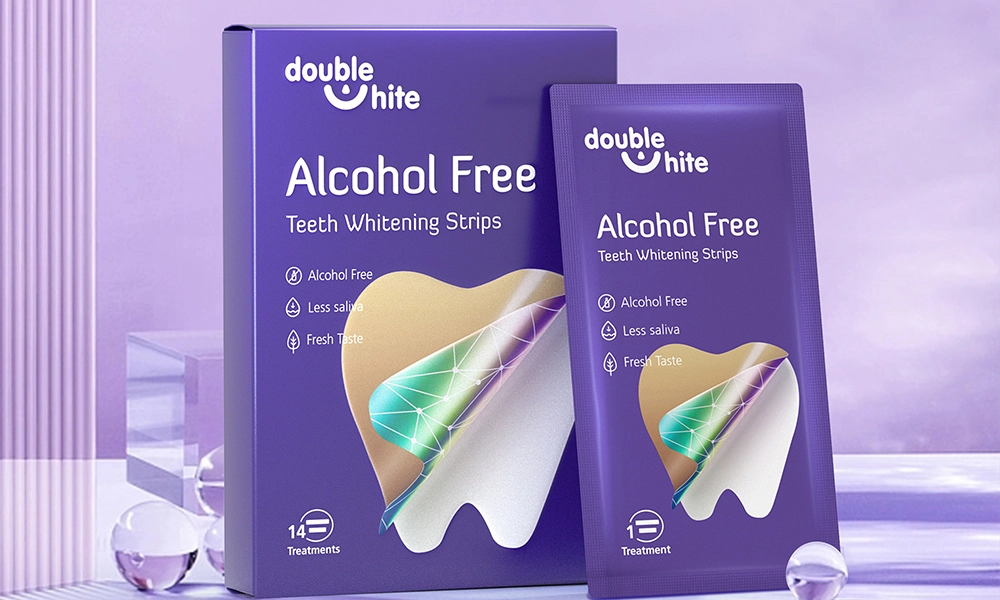
Intimate Care: Whitening Tips for Teeth Whitening Strips
Beyond the Surface: How to Choose the Best Teeth Whitening Wholesale Suppliers for Your Business
Ignite Your Brand: The Ultimate Guide to Private Label Teeth Whitening Success
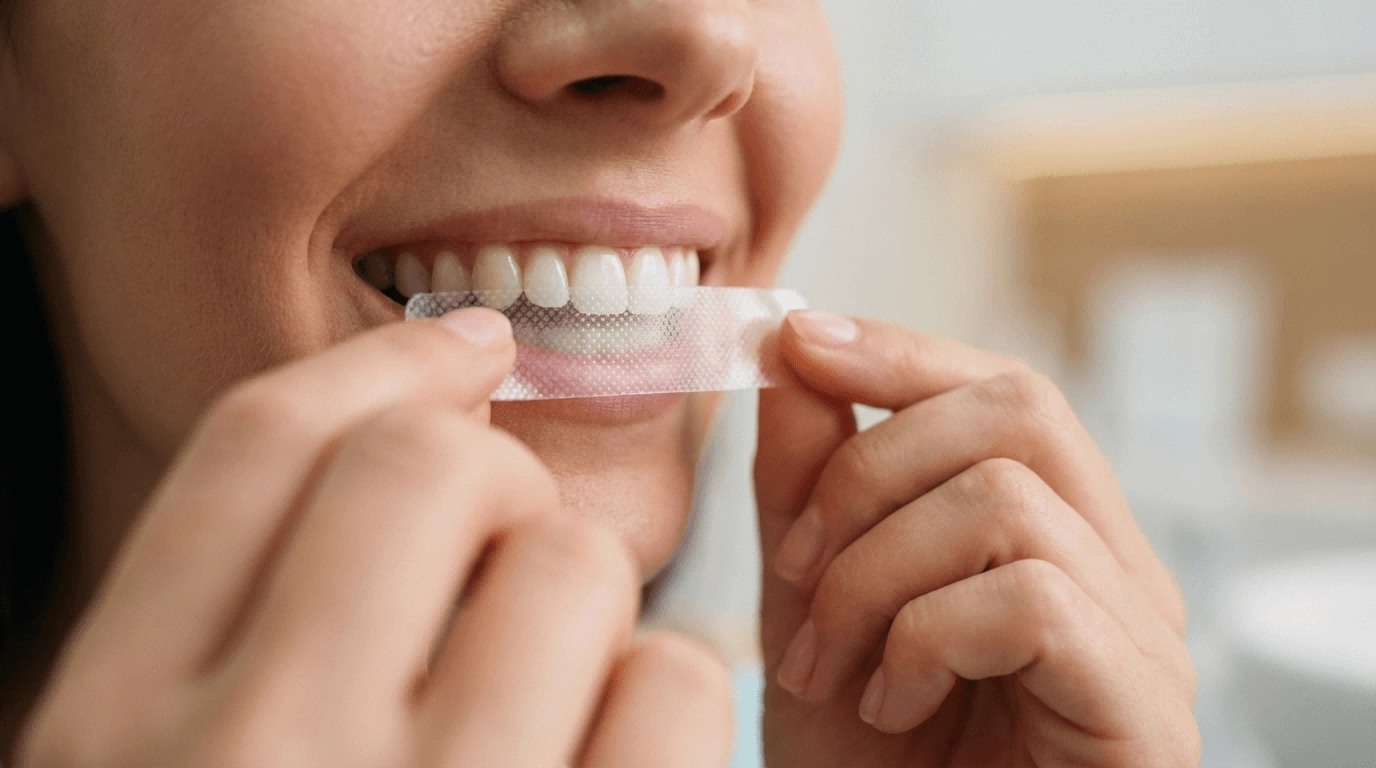
The Definitive Guide to Starting a Teeth Whitening Business with a Powerful Start-Up Package
Illuminate Your Business: The Complete Guide to Wholesale Teeth Whitening Supplies
About Price and Payment
Do you offer bulk purchase discounts?
Yes, we offer bulk purchase discounts, the specific discount rate depends on the order quantity and cooperation method.
About Customized Services
I don’t have a designer, can you help with brand visuals?
Yes, our designers are happy to serve you.
About Recipe Customization
Can the formula be adjusted according to my requirements?
Yes, we can adjust and customize the formula according to your needs and requirements to meet your special needs.
Teeth Whitening Powder
What is the shelf life of the teeth whitening powder?
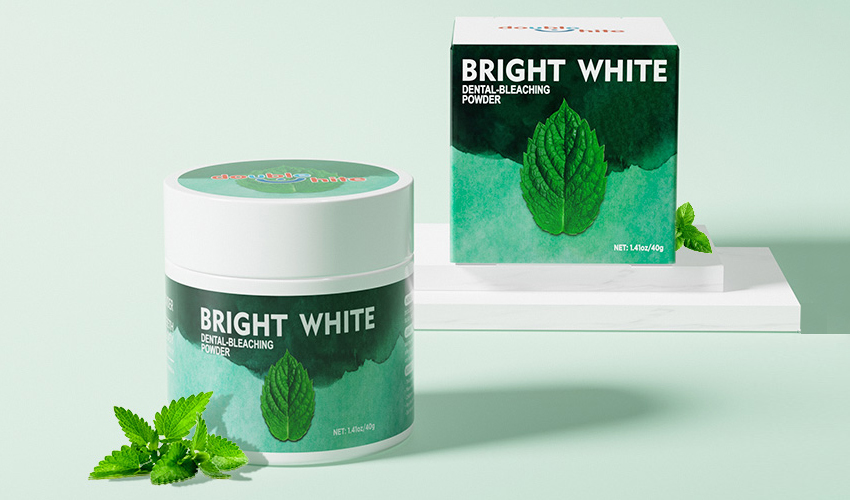
Our teeth whitening powder has a stable shelf life, backed by scientific analysis and clinical trials to ensure effectiveness.
About Cooperation Process
How to sign a cooperation agreement?
We will provide you with a draft cooperation agreement, which will be signed by both parties after confirmation to ensure the legality and standardization of the cooperation process.
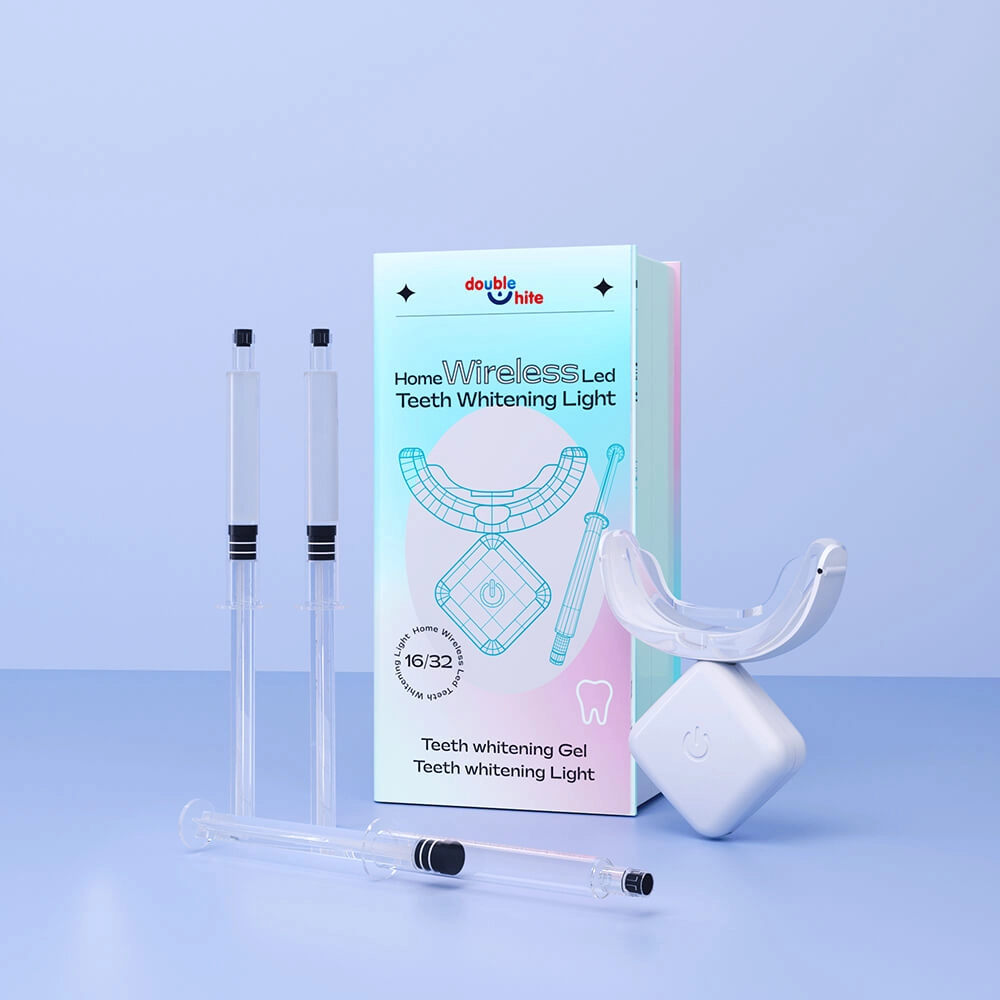
Teeth Whitening LED Home Kits
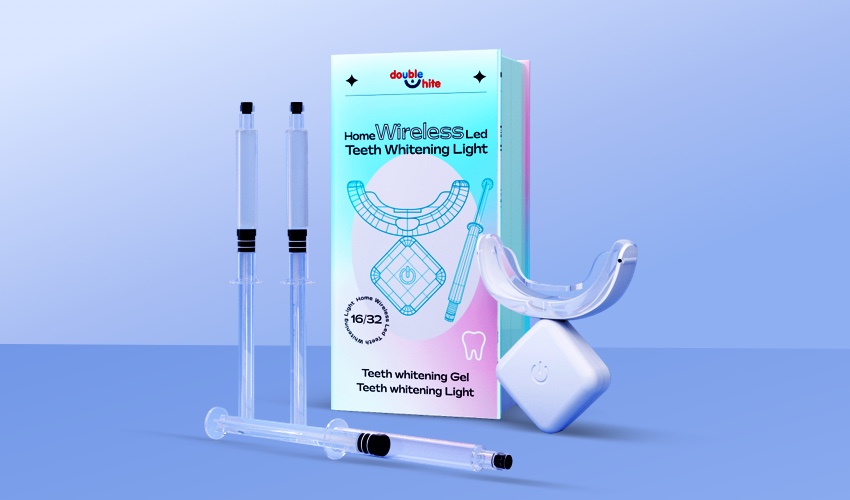
Achieve 8 shades whiter teeth in just one week, bidding farewell to stains from coffee, soda, wine, smoking, and sugary foods.Our formula gentle and effective, gluten-free, ensures that the achieved results are long-lasting.
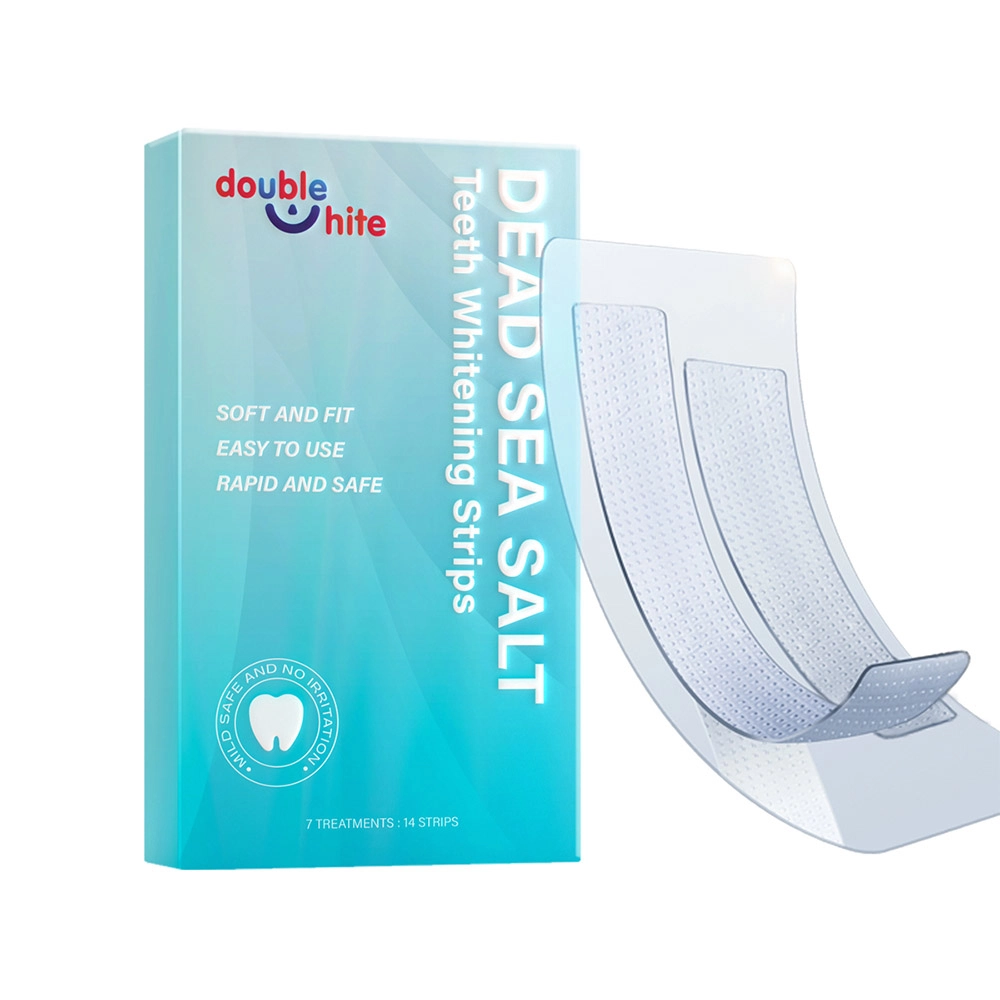
Dead Sea Salt
Dead Sea Salt Teeth Whitening Strips - Natural Mineral Power for Whitening and Nurturing Teeth
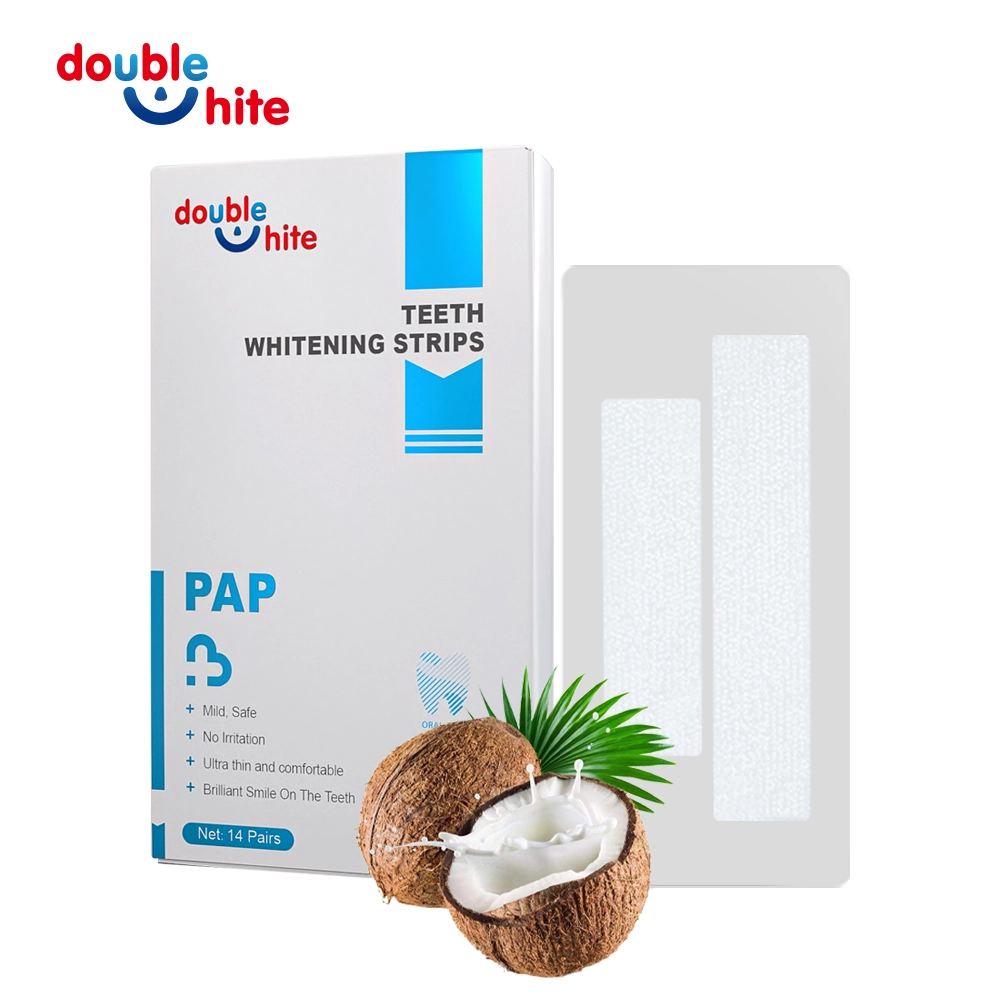
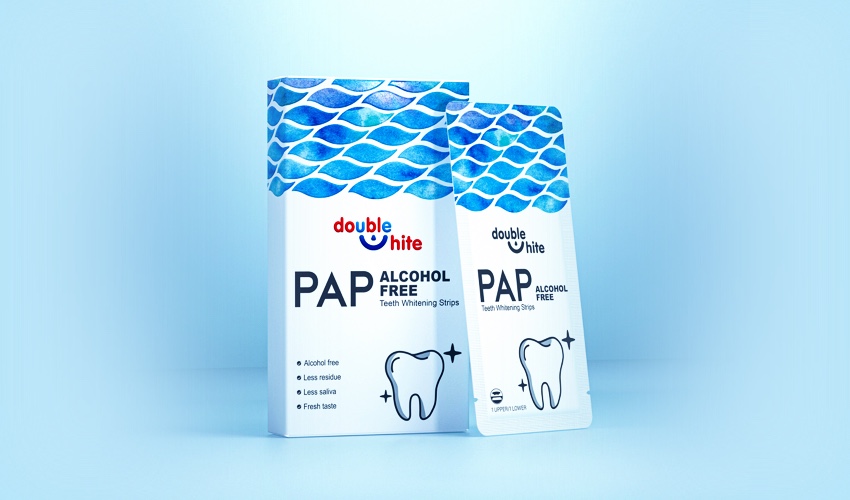
Customized PAP teeth whitening gel strips
We understand the discomfort that often comes with teeth whitening. That's why our PAP (Phthalimido-Peroxy-Caproic Acid) formula is designed with sensitivity in mind. Gentle yet effective, it ensures a pain-free experience throughout the whitening process.
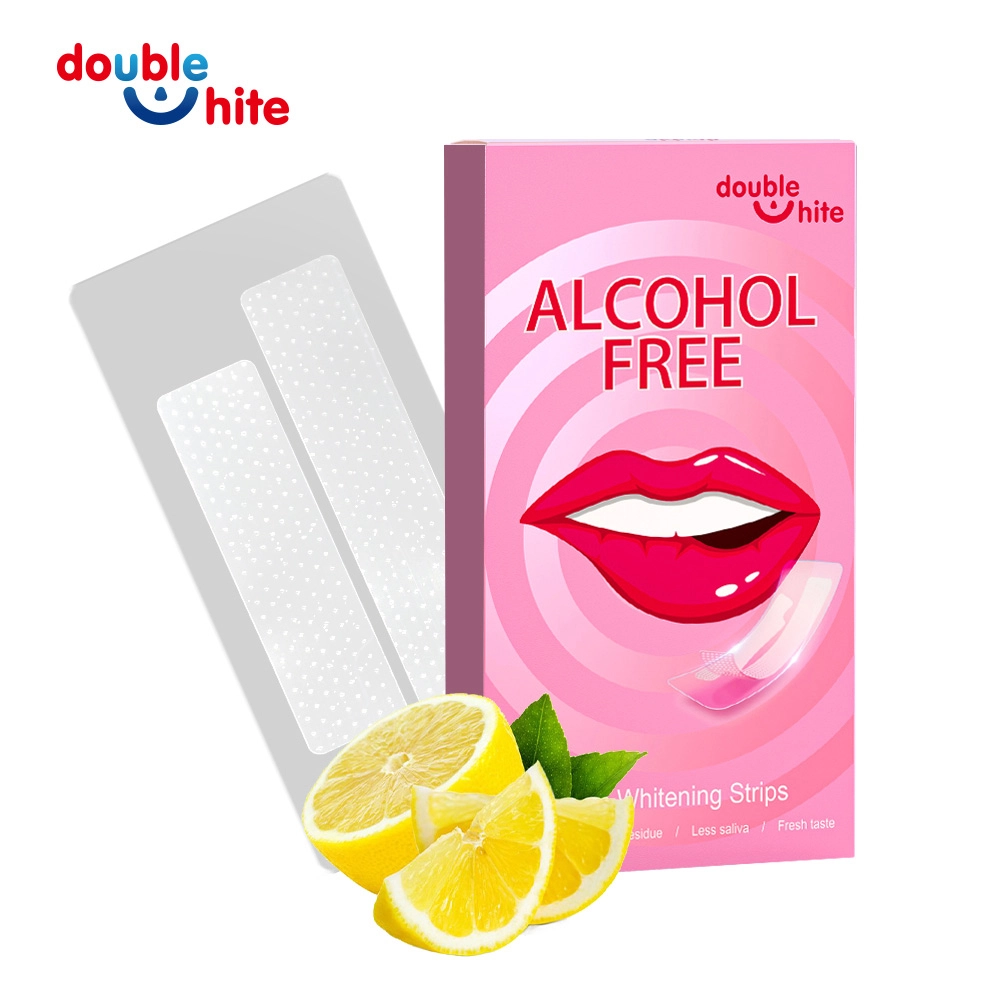
HP Teeth Whitening Alcohol-free Strips HPNA-01
Discover Double White’s HP Teeth Whitening Alcohol-free Strips HPNA-01, the best teeth whitening strips designed for a brighter smile without irritation. Alcohol-free formula ensures gentle yet effective whitening. Achieve professional results safely and easily at home with these top-rated teeth whitening strips.
Send us your inquiry
Reach out to us through the form below or via the contact information provided.
Our dedicated team is committed to providing prompt and personalized responses to all your queries.
Please fill out the fields above with your full name, email address, and comment.


Copyright © 2025 Double White All Rights Reserved. Designed by gooeyun
Whatsapp: +8615920313473
cndoublewhite
Doublewhite
doublewhitecn
cndoublewhite
cndoublewhite