



Teeth Whitening Business Profitability: Costs and Margins for Brands and Resellers
Teeth whitening can support attractive gross margins, but actual profitability varies substantially by business model, sales channel, landed cost, customer acquisition cost, fulfillment fees, returns, and inventory turnover. A high retail markup doesn't automatically mean a high-profit business — the number that actually matters is contribution margin after every real cost is accounted for. This guide walks through how to calculate that, channel by channel and product by product, rather than relying on a single headline margin figure.
This guide focuses on cost structure and unit economics for brands, e-commerce sellers, wholesalers, and distributors. For choosing a business model, sourcing a formula, evaluating manufacturers, or handling compliance, see How to Start a Teeth Whitening Strips Business.
- Is Teeth Whitening a Profitable Business?
- Profitability Depends on the Business Model
- Markup vs. Gross Margin vs. Net Profit
- How to Calculate Landed Product Cost
- Channel Fees and Fulfillment Costs
- Customer Acquisition and Repeat Purchase
- Product Format and Cost Differences
- MOQ, Inventory and Cash-Flow Risk
- Break-Even Analysis
- Profit Models by Sales Channel
- Common Factors That Reduce Profit
- How Manufacturing Choices Affect Margins
- Profitability Checklist for Buyers
- FAQ
Is Teeth Whitening a Profitable Business?
It can be, but "profitable" depends entirely on which business model, channel, and cost structure you're actually running — a single margin percentage quoted for the category doesn't transfer cleanly across a private label DTC brand, an Amazon reseller, a distributor, and an in-person service provider. The rest of this guide breaks down how to calculate real profitability for your specific situation instead of relying on a category-wide number.
Profitability Depends on the Business Model
| Business model | Primary revenue | Core costs | Main profit risk |
|---|---|---|---|
| Private label DTC brand | Product retail | Product, packaging, advertising, fulfillment | Customer acquisition cost, returns |
| Marketplace (e.g., Amazon) seller | Platform retail | Product, referral/FBA fees, advertising | Platform fees, inventory storage |
| Wholesaler/distributor | Bulk supply | Purchasing, importation, warehousing | Channel discounting, inventory turnover |
| Salon/clinic retail | Add-on product sales | Product, staff selling cost | Repeat purchase, channel fit |
| In-person whitening service | Per-session service fee | Labor, space, equipment, insurance | Licensing, booking rate, compliance |
A high retail markup does not necessarily mean a high-profit business. The most profitable model is the one that maintains healthy contribution margin while controlling customer acquisition cost and inventory risk — not the one with the highest sticker price relative to factory cost.

Markup vs. Gross Margin vs. Net Profit
These three terms get used interchangeably, but they measure different things, and confusing them leads to overestimating real profitability.
Markup = (Selling Price − Product Cost) ÷ Product Cost
Gross Margin = (Selling Price − Cost of Goods Sold) ÷ Selling Price
Contribution Margin = Revenue − Product Cost − Channel Fees − Fulfillment − Returns − Variable Marketing Cost
For example, a product costing $5 and selling for $25 has a 400% markup and an 80% gross margin — but neither number reflects what's left after advertising, platform fees, fulfillment, and returns. Contribution margin is the number that actually indicates whether an order is profitable once every real cost is included.
How to Calculate Landed Product Cost
Landed cost is more than the factory quote. A complete landed cost includes: ex-factory product price, individual pouches/pens and retail cartons, packaging design, testing and documentation, international freight, duties, customs clearance, domestic transport, warehouse receiving, and expected damage/loss.
Landed Cost per Unit = Total Product, Packaging, Testing, Freight and Import Cost ÷ Sellable Units Received
"Sellable units" matters — damaged units, samples, and retained QC samples typically can't be sold, so dividing total cost by units ordered rather than units actually sellable understates true per-unit cost.
Channel Fees and Fulfillment Costs
Cost structure differs meaningfully by channel — these need to be calculated separately, not assumed to be similar.
Marketplace (e.g., Amazon): referral fee, FBA fulfillment fee, storage fee, inbound placement fee, advertising cost, returns processing, and removal/disposal fees for unsold inventory.
Independent website (DTC): payment processing fees, fulfillment cost, any shipping subsidy offered to customers, advertising, email/SMS marketing tools, and returns handling.
Wholesale: distributor margin, retailer margin, sample costs, sales commission, payment terms (which affect cash flow even if they don't directly reduce margin), and freight allowances offered to buyers.
Customer Acquisition and Repeat Purchase
Marketing reach through social media doesn't mean acquisition is free — it needs to be measured against actual contribution margin per order.
CAC = Total Sales and Marketing Spend ÷ New Customers Acquired
If a product's contribution margin per unit is $12 and customer acquisition cost is $18, the first order is unprofitable even though the product's gross margin looks healthy on paper. Whitening strips are a consumable product, which creates a real opportunity for repeat purchase — but that opportunity should be measured with actual data, not assumed. Track: repeat purchase rate, average reorder interval, subscription retention (if applicable), refund rate, and customer lifetime value, rather than assuming every customer reorders every 3–6 months.
Product Format and Cost Differences
Cost and margin structure vary meaningfully by product format:
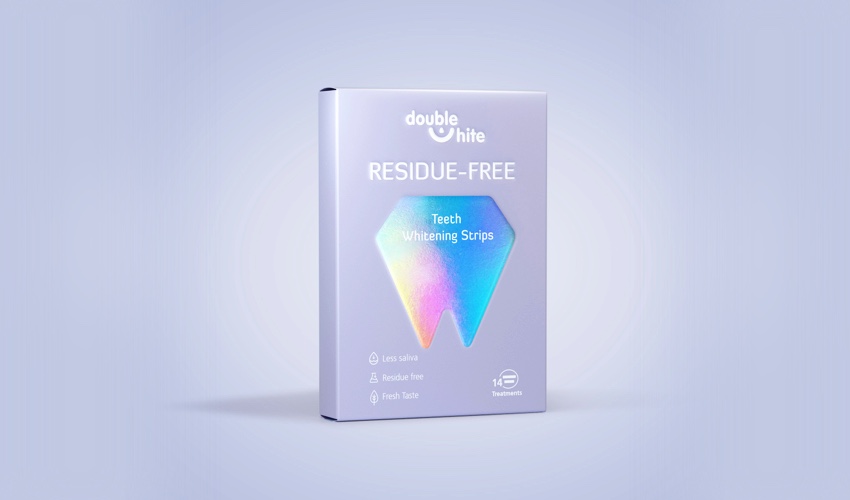
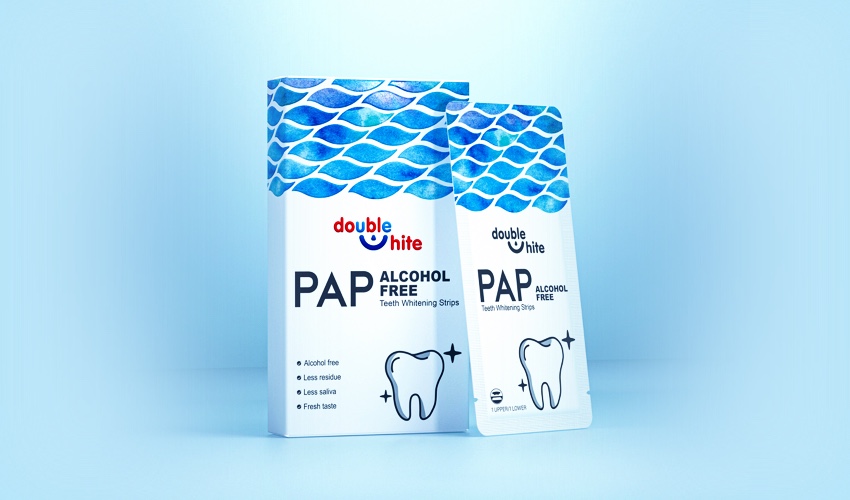
Whitening strips: costs concentrated in formula, gel loading, film substrate, number of individual pouches, printed foil, treatments per box, and carton. Smaller shipping volume and lower fulfillment cost relative to price, which supports subscription and repeat-purchase models reasonably well.
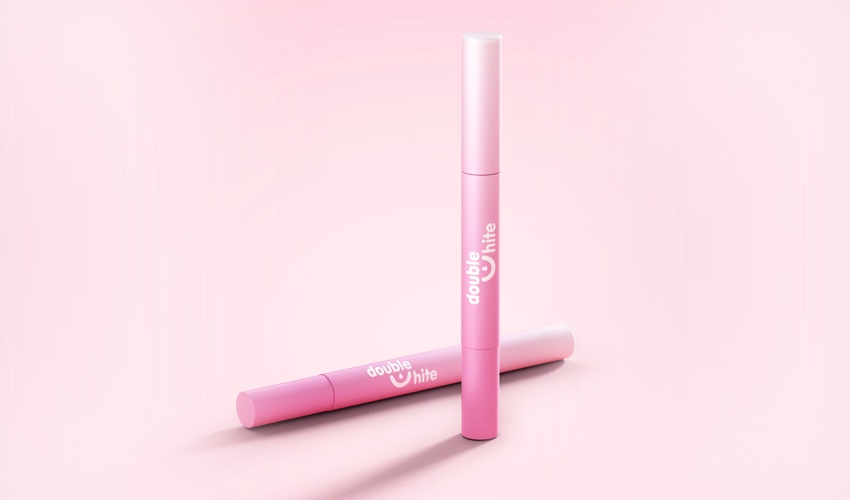
Gel pens: costs concentrated in gel volume, dispensing mechanism, pen body, brush tip, and leak-proof packaging. Small shipping footprint, but a mechanism failure (leakage, dispensing issues) can drive a higher return rate than a strip product.
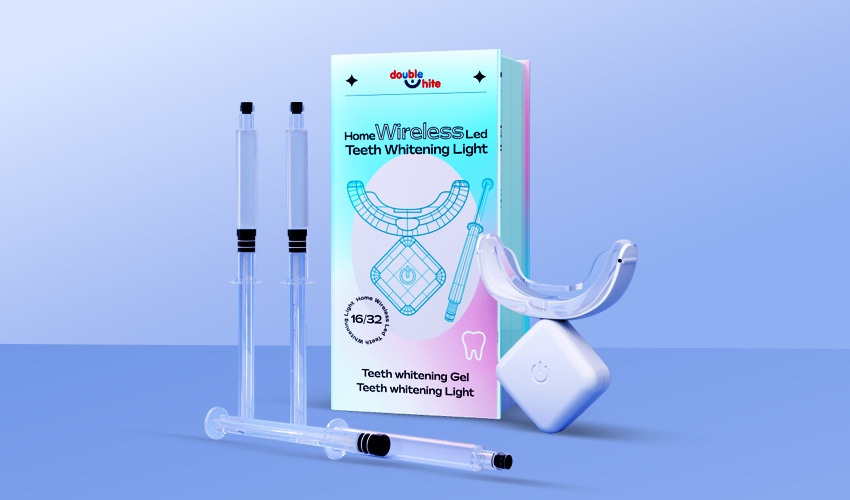
LED kits: higher price point, but costs include the LED device, tray, gel, battery, charging cable, inner packaging, and after-sales support for electronics — a higher retail price doesn't automatically mean higher net profit once device cost and electronics-specific return/warranty handling are included.
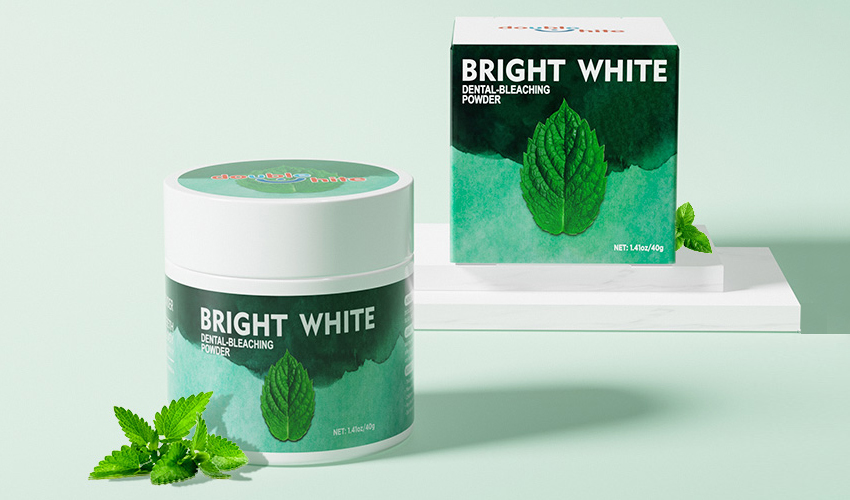
Whitening powder: different cost and packaging structure, with its own considerations around claim boundaries (polishing vs. bleaching claims), abrasiveness, powder leakage in transit, and reorder cycle length.
MOQ, Inventory and Cash-Flow Risk
A larger order can lower unit cost, but it also increases upfront cash outlay, warehousing cost, near-expiry risk, potential loss from a packaging redesign, exposure to formula or regulatory changes, and the risk of slow-moving SKUs.
| Ordering strategy | Advantage | Risk |
|---|---|---|
| Low-MOQ test order | Lower inventory risk | Higher per-unit cost |
| Moderate private label order | Balances cost and branding | Requires a reasonably accurate sales forecast |
| Large custom-order run | Lower unit price | Higher cash and inventory-carrying pressure |
| Rolling replenishment | Controlled inventory exposure | Depends on supplier lead-time reliability |
The lowest unit price isn't always the most profitable purchasing decision — compare the savings from a larger MOQ against inventory carrying cost and realistic expected sell-through, not just the quoted per-unit price difference.
Break-Even Analysis
This is the calculation that actually answers "how much do I need to sell to be profitable" — more useful than a general margin percentage.
Fixed launch costs may include: brand and packaging design, sample development, stability/testing costs, website build, product photography, legal and compliance costs, and initial tooling or printing plates.
Contribution margin per unit: Contribution Margin per Unit = Selling Price − Variable Cost per Unit
Break-even volume: Break-Even Units = Fixed Launch Costs ÷ Contribution Margin per Unit
Rather than a fixed example that implies universal numbers, use your own inputs:
| Line item | Your input |
|---|---|
| Selling price | A |
| Landed product cost | B |
| Channel and fulfillment cost | C |
| Returns allowance | D |
| Variable marketing cost | E |
| Contribution margin (A − B − C − D − E) | — |
Break-even units = Fixed launch costs ÷ Contribution margin per unit
This structure lets you plug in your actual quotes and channel fees rather than relying on someone else's example numbers, which won't match your specific formula, packaging, channel, or market.
Profit Models by Sales Channel
DTC brand: focus on gross margin, CAC, fulfillment cost, repeat purchase rate, and refund rate.
Marketplace seller: focus on contribution margin after platform fees, advertising cost of sales (ACoS or equivalent), storage fees, returns, and listing-interruption risk (suspensions or policy changes affecting sales continuity).
Distributor: focus on import landed cost, wholesale discount structure, retailer margin expectations, payment/credit terms, inventory turns, and regional packaging costs.
Salon/clinic retail: focus on attach rate (the share of service customers who also buy retail product), staff commission structure, shelf space allocation, reorder rate, and claims appropriate to a professional-adjacent channel.
Common Factors That Reduce Profit
- High customer acquisition cost — a product with strong gross margin can still be unprofitable if advertising spend consumes the full contribution margin per order.
- Excessive returns and complaints — commonly driven by sensitivity, poor adhesion, gel residue, leakage, flavor issues, or results that didn't match marketing expectations.
- Unsupported claims — "8 shades whiter," "zero sensitivity," or "enamel safe" claims without finished-product evidence can trigger listing removal, refunds, or legal exposure, all of which erode margin.
- Too many SKUs at launch — spreading inventory and marketing budget across HP, PAP, sodium chlorite, LED kits, pens, and powder simultaneously dilutes both.
- Poor inventory turnover — a large MOQ that lowers unit price can still erode profit through warehousing cost and near-expiry write-offs if sell-through is slower than planned.
- Packaging overinvestment — elaborate magnetic boxes, heavy inserts, and multiple accessories early on can raise cost and shipping volume without a proportional increase in conversion.
- Inconsistent manufacturing — batch-to-batch differences in gel loading, adhesion, active decay, pouch sealing, or printing accuracy can generate after-sales costs and brand damage that outweigh whatever was saved on unit price.
How Manufacturing Choices Affect Margins
Sourcing decisions feed directly into the cost side of every formula above. Formula route (HP, PAP, sodium chlorite), strip or product type (gel, dry, residue-free), treatments per box, and packaging choice (private label pouches and cartons vs. standard packaging) all affect landed cost — and MOQ differs between standard and custom formulations, which affects the cash-flow tradeoffs discussed above. Getting an accurate cost model depends on getting an accurate, itemized quotation rather than a single blended unit price. Request an itemized quotation based on your target country, sales channel, formula, treatments per box, packaging type, and estimated order quantity — comparing full, matched proposals is what makes a break-even and margin calculation meaningful.
Profitability Checklist for Buyers
- Calculate contribution margin, not just markup or gross margin
- Get a landed-cost figure based on sellable units, not units ordered
- Break out channel fees separately for each sales channel you're evaluating
- Calculate CAC and compare it against contribution margin per unit, not against revenue
- Use actual repeat-purchase data once available, rather than assuming a fixed reorder interval
- Compare MOQ savings against inventory carrying cost and realistic sell-through
- Run a break-even calculation using your own inputs before committing to a launch order
- Get an itemized manufacturer quotation to ground every cost input above in real numbers
FAQ
Is teeth whitening a high-margin business?
It can support attractive gross margins on the product itself, but actual profitability depends on customer acquisition cost, channel fees, fulfillment, returns, and inventory turnover — these vary enough by business model and channel that there's no single reliable margin figure for the category as a whole.
What's the difference between markup and profit margin?
Markup compares selling price to product cost alone; gross margin expresses profit as a percentage of selling price; contribution margin subtracts channel fees, fulfillment, returns, and variable marketing cost as well. A high markup or gross margin doesn't guarantee a profitable order once contribution margin is calculated.
How do I calculate the landed cost of whitening strips?
Add ex-factory product cost, packaging, testing/documentation, freight, duties, customs clearance, and domestic transport, then divide by sellable units received — not total units ordered, since damaged units and retained samples typically aren't sellable.
What costs should a marketplace whitening brand include?
Referral and fulfillment fees, storage fees, inbound placement fees, advertising cost, returns processing, and disposal/removal fees for unsold inventory — all of which reduce contribution margin beyond the product's base cost.
How does MOQ affect profitability?
A larger MOQ typically lowers unit cost but increases upfront cash outlay, warehousing cost, and near-expiry risk. Compare the unit-cost savings against inventory carrying cost and realistic sell-through rather than choosing the largest order for the lowest quoted price alone.
Are LED kits more profitable than whitening strips?
Not automatically — LED kits carry a higher retail price but also higher device, battery, and after-sales support costs, plus different return dynamics tied to electronics. Compare contribution margin per unit, not just retail price, before assuming a higher price point means higher profit.
How do returns and sensitivity complaints affect margins?
Returns and complaints add processing cost, refund cost, and potential inventory write-off on top of the original product cost, and can meaningfully offset even a strong headline gross margin if return rates are high.
How many units must a brand sell to break even?
Break-even units equal fixed launch costs divided by contribution margin per unit — this is specific to your actual costs, pricing, and channel fees, so it should be calculated from your own inputs rather than assumed from a generic example.
Does private label provide better margins than wholesale resale?
Private label generally supports higher gross margin and brand differentiation but comes with higher upfront packaging and MOQ costs; wholesale resale is faster and lower-risk to start but typically has thinner margins due to less differentiation. The better choice depends on your capital, timeline, and ability to drive branded demand — see our Start Business Guide for the full business-model comparison.
What information is needed for an accurate OEM quotation?
Target market, sales channel, formula preference, treatments per box, packaging type, and estimated order quantity — an itemized quotation based on these inputs is what makes a real break-even and margin calculation possible, rather than a rough blended estimate.
Purple Violet Teeth Whitening U-Wraps for Private Label & Wholesale

Purple Teeth Whitening U-Wraps: Private Label Sourcing Guide for Brands

How Do Purple Teeth Whitening Strips Work? A Color-Correction Guide for Private Label Buyers

Whitening Pen Applicator & Dispensing Guide: What Buyers Should Check Before Bulk Production
Whitening Pen Formula Stability: What Buyers Should Test Before Bulk Production
How to Choose a Private Label Teeth Whitening Manufacturer
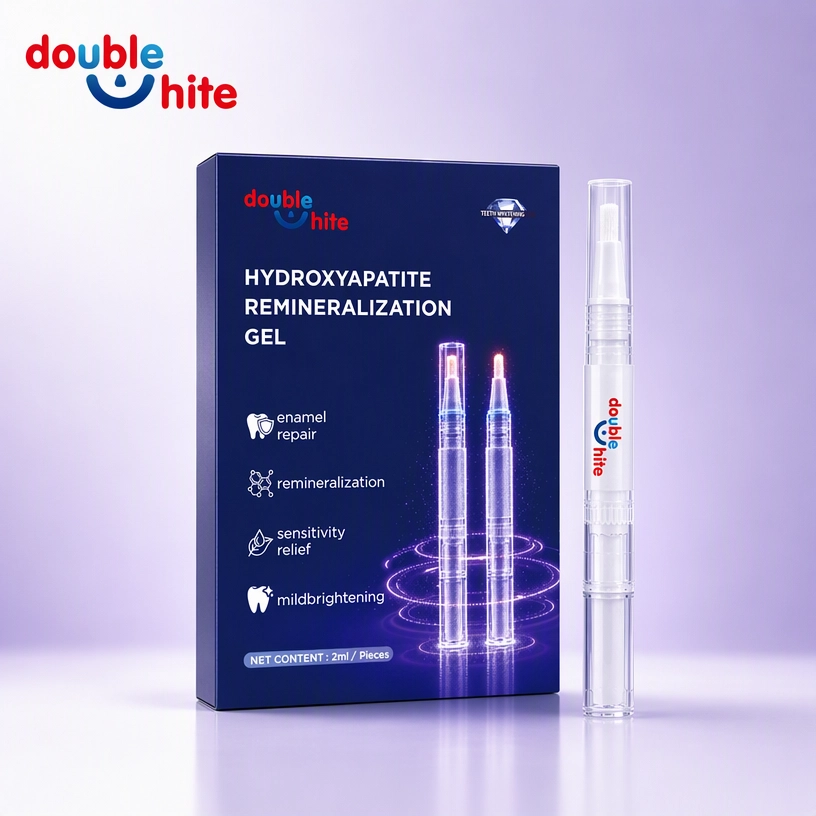
Hydroxypatite Remineralization Teeth Whitening Gel
This hydroxyapatite remineralization teeth whitening gel restores enamel while lifting stubborn stains. Formulated as professional teeth whitening gel refills for custom trays, it delivers reliable, dentist-grade results with zero sensitivity.

Violet Purple Teeth Whitening Strips
Purple teeth whitening strips wholesale and private label color corrector strips by Double White offer targeted stain removal with violet tint technology. Designed for bulk buyers and custom branding, these strips provide consistent whitening results while neutralizing yellow tones effectively.
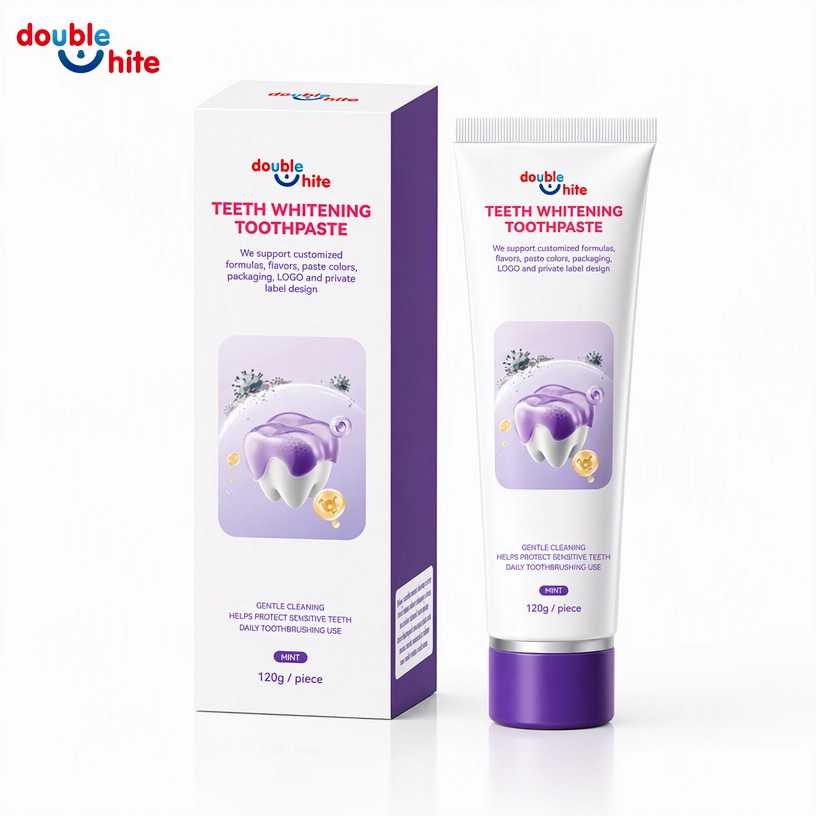
Teeth Whitening Toothpaste
Our enamel-safe whitening toothpaste removes stubborn stains without irritating exposed nerves. Formulated as an effective teeth whitening toothpaste for sensitive teeth, it strengthens enamel, prevents cavities, and brightens daily.
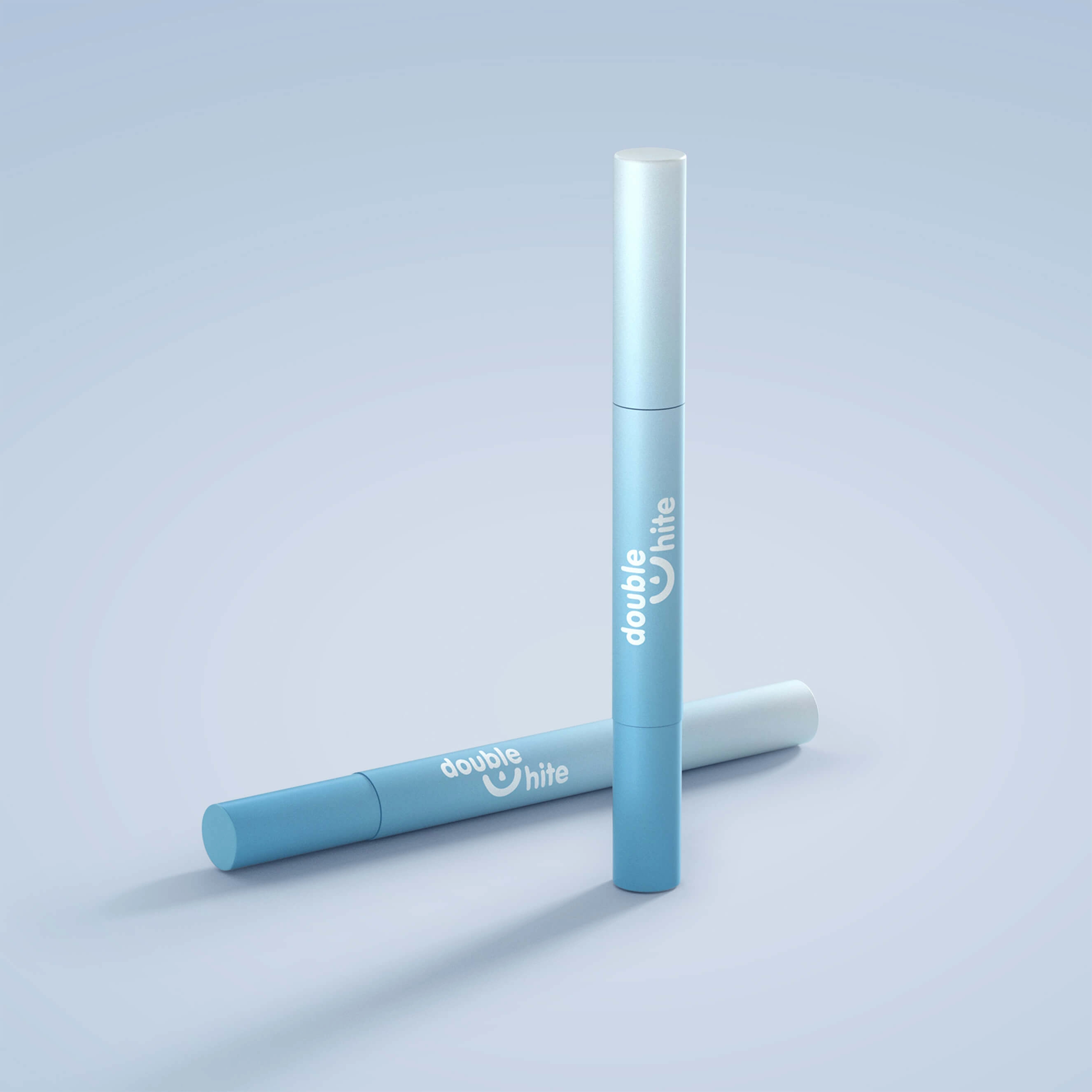
Customized Teeth Whitening Gel Pen HP02
Our teeth whitening gel is designed with a durable twist mechanism and a soft brush tip for easy and gentle application to each tooth and its crevices, providing a thorough whitening experience. It can be easily stored in a cool, dry location away from direct sunlight.
Send us your inquiry
Reach out to us through the form below or via the contact information provided.
Our dedicated team is committed to providing prompt and personalized responses to all your queries.
Please fill out the fields above with your full name, email address, and comment.


Copyright © 2026 Double White All Rights Reserved. Designed by gooeyun
Whatsapp: +8615920313473
cndoublewhite
Doublewhite
doublewhite
cndoublewhite
cndoublewhite
Double White