






Expert Insights: How Long Does Teeth Whitening Gel Expire?
Discover the shelf life of teeth whitening gel with our article, "Expert Insights: How Long Does Teeth Whitening Gel Expire?" at Double White. Learn essential storage tips and usage guidelines to ensure effectiveness and safety. Stay informed with our expert advice to maintain your bright smile. Read now for optimal oral health.
- What Are Teeth Whitening Gels?
- Does Teeth Whitening Gel Expire?
- How Long Does Teeth Whitening Gel Expire?
- How to Tell If Teeth Whitening Gel Is Expired
- Factors Affecting Teeth Whitening Gel Expiration
- Ingredient Composition
- Storage Conditions
- Can You Use Expired Teeth Whitening Gel?
- How to Extend the Shelf Life of Whitening Gel
- Conclusion
- FAQs
What Are Teeth Whitening Gels?
Does Teeth Whitening Gel Expire?
How Long Does Teeth Whitening Gel Expire?
How to Tell If Teeth Whitening Gel Is Expired
Factors Affecting Teeth Whitening Gel Expiration

Ingredient Composition
Storage Conditions
Can You Use Expired Teeth Whitening Gel?
How to Extend the Shelf Life of Whitening Gel
Proper storage techniques can maximize your whitening gel's usable life. Always reseal containers immediately after use, minimizing air exposure. Consider transferring bulk gels to smaller, airtight containers to reduce oxidation. Store in a consistently cool location - a bedroom drawer beats a humid bathroom.
For long-term storage, refrigeration can help (first verify with manufacturer guidelines). Avoid freezing, as temperature extremes damage the formula. Purchasing professional-grade gels in appropriate quantities from reputable suppliers like Double White ensures you're using fresh, optimally preserved products.
Conclusion
FAQs
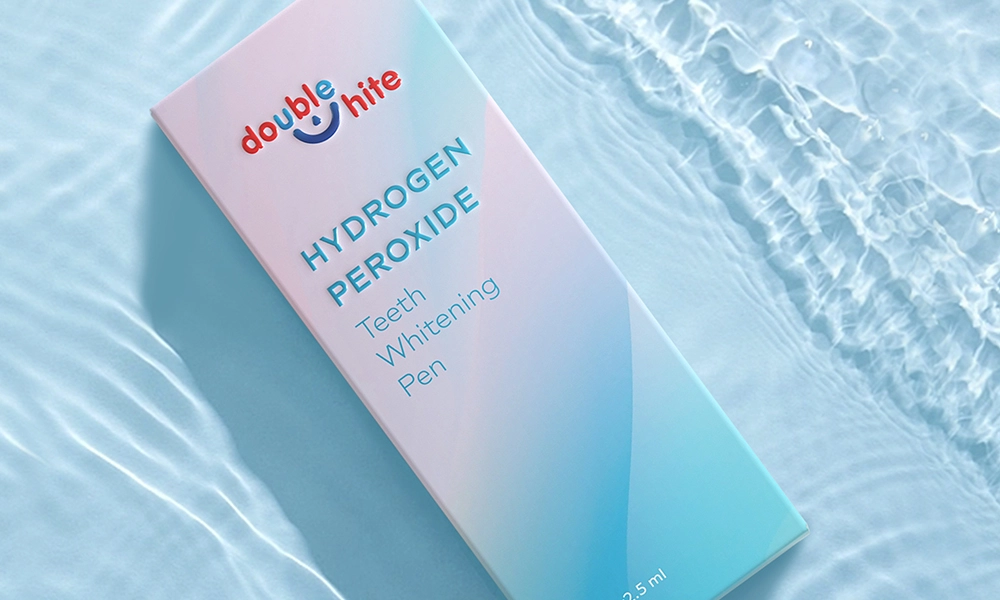
Answers to Teeth Whitening Questions: Analysis of Frequently Asked Questions
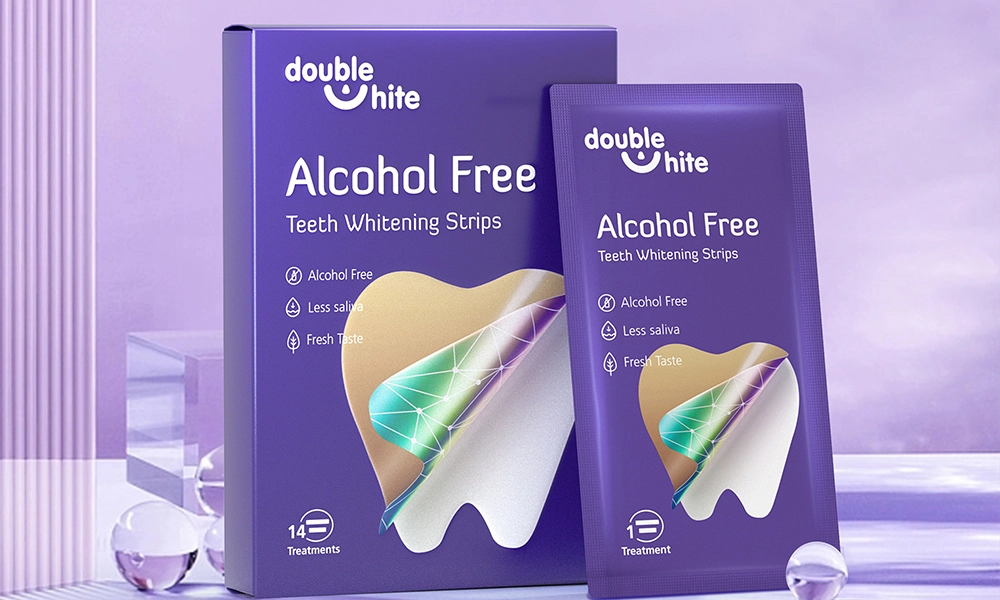
Intimate Care: Whitening Tips for Teeth Whitening Strips
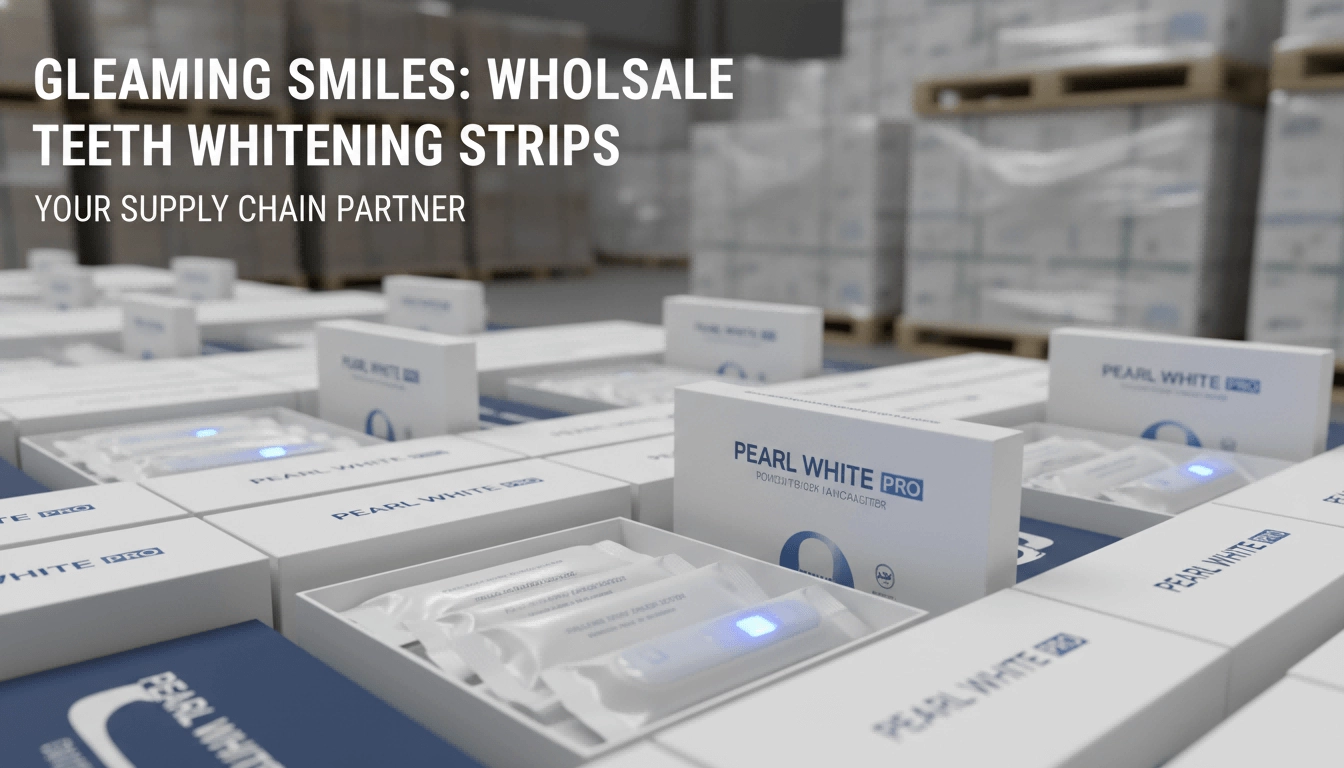
Beyond the Surface: How to Choose the Best Teeth Whitening Wholesale Suppliers for Your Business
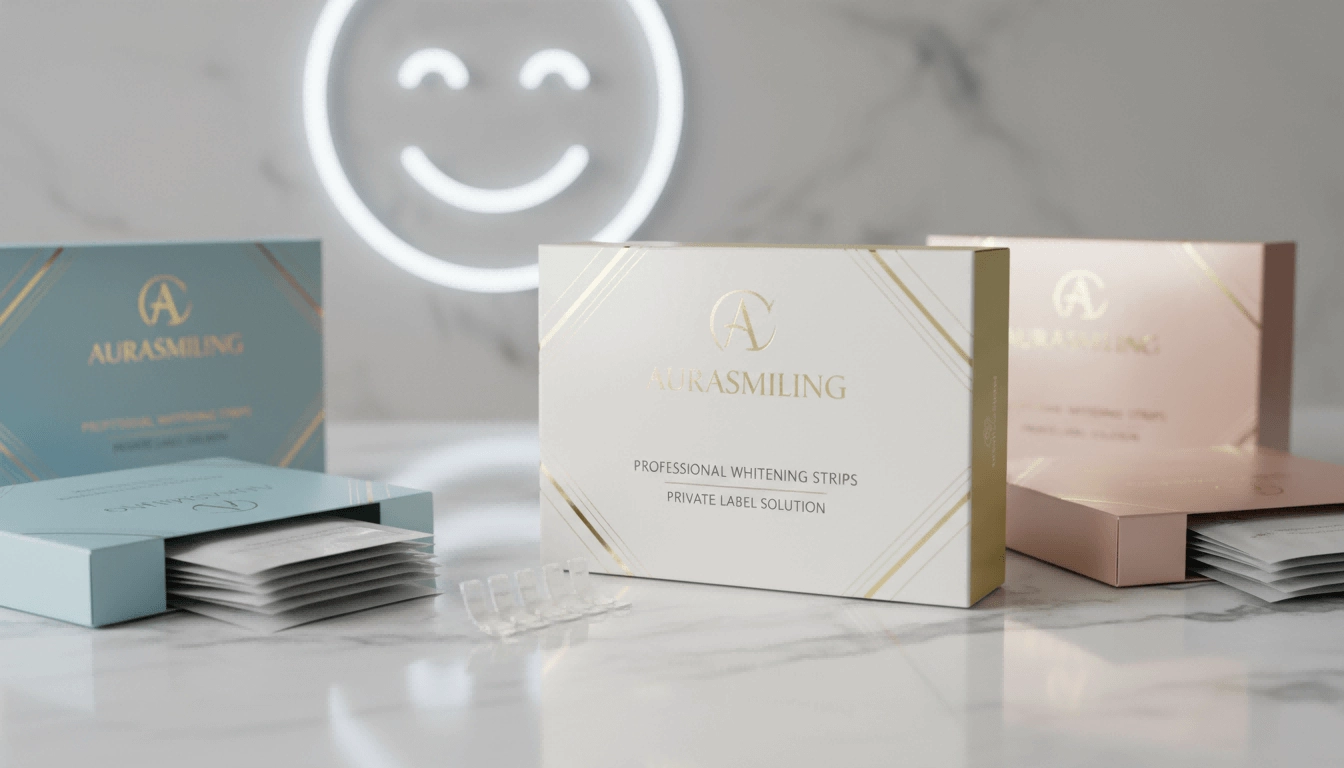
Ignite Your Brand: The Ultimate Guide to Private Label Teeth Whitening Success
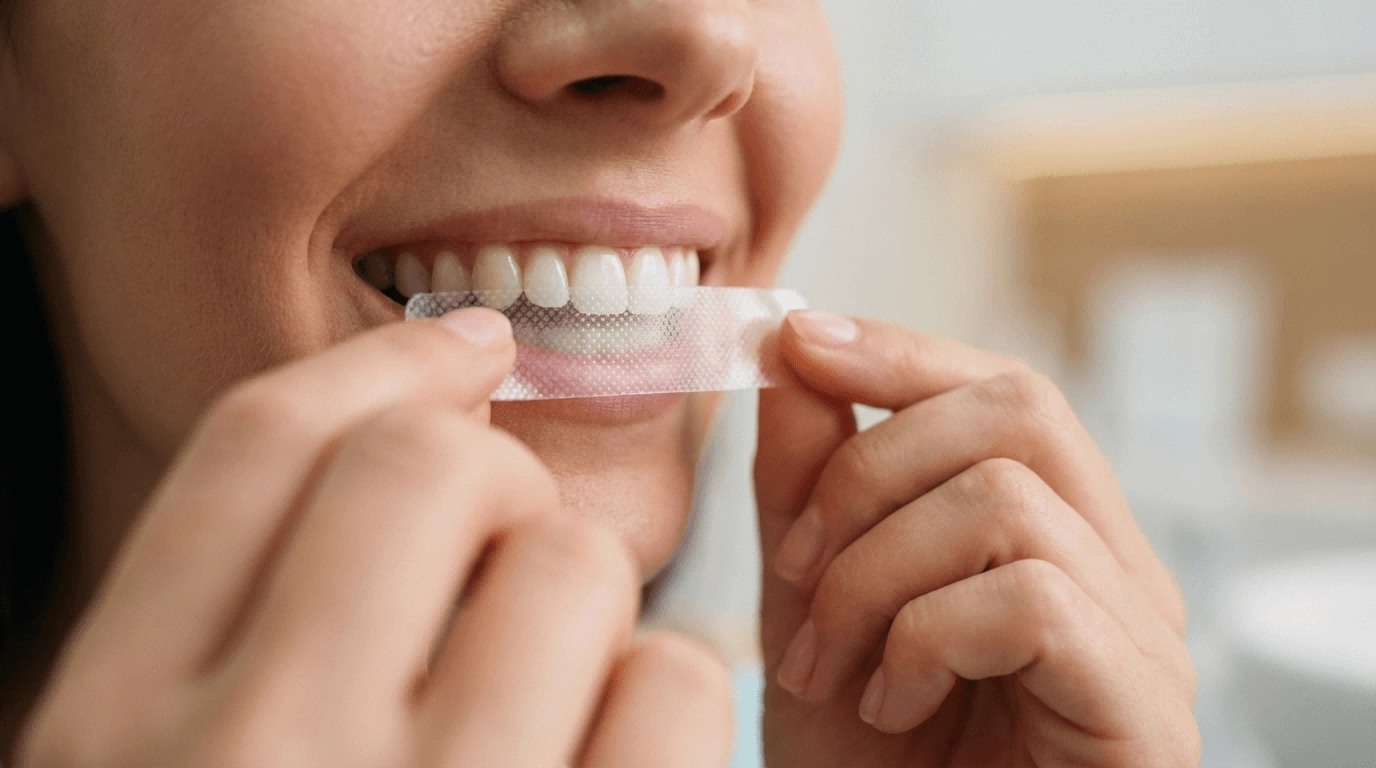
The Definitive Guide to Starting a Teeth Whitening Business with a Powerful Start-Up Package
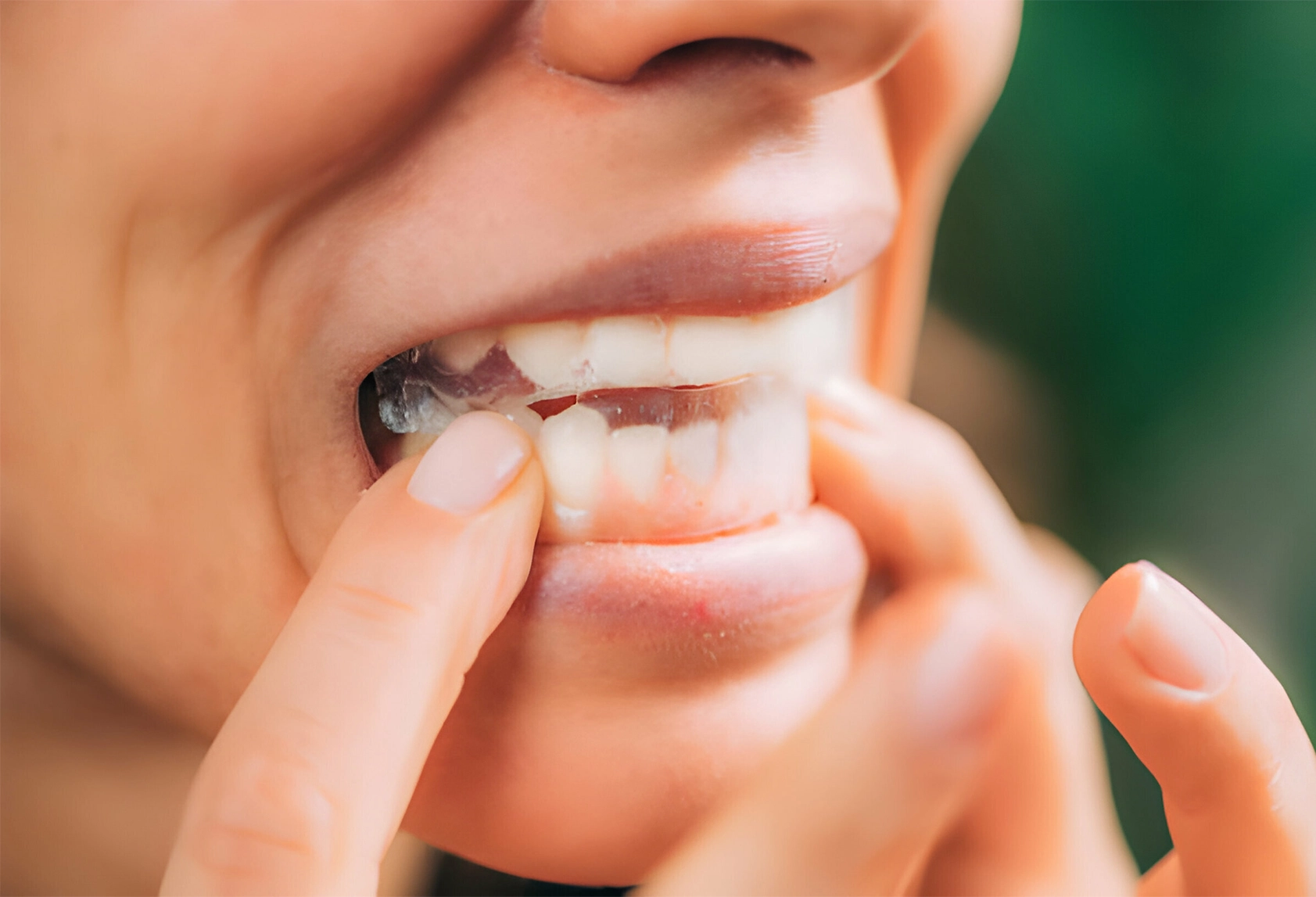
Illuminate Your Business: The Complete Guide to Wholesale Teeth Whitening Supplies
About Product Choice
Can I customize special specifications or packaging?
Yes, we provide customized services, you can customize special specifications, packaging and private label etc. according to your needs.
How do I determine which product is right for me?
You can choose the product type and specifications that suit you based on your needs, budget, and expected results.
Teeth Whitening Powder
What is the shelf life of the teeth whitening powder?
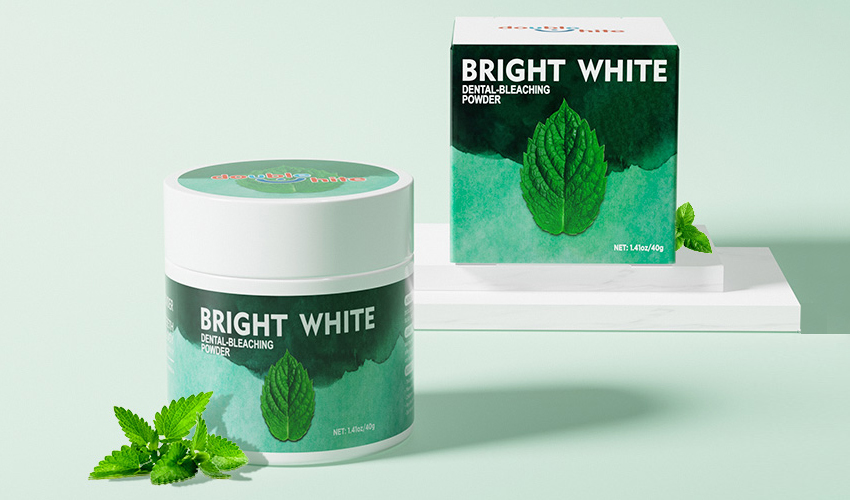
Our teeth whitening powder has a stable shelf life, backed by scientific analysis and clinical trials to ensure effectiveness.
How do I use the teeth whitening powder?
Wet your toothbrush, dip it into the powder, and brush your teeth for 2 minutes. Rinse thoroughly with water.
About Customized Services
Can I add specific ingredients to the product?
Yes, we can add specific ingredients to the product formulation upon your request to meet your individual needs.
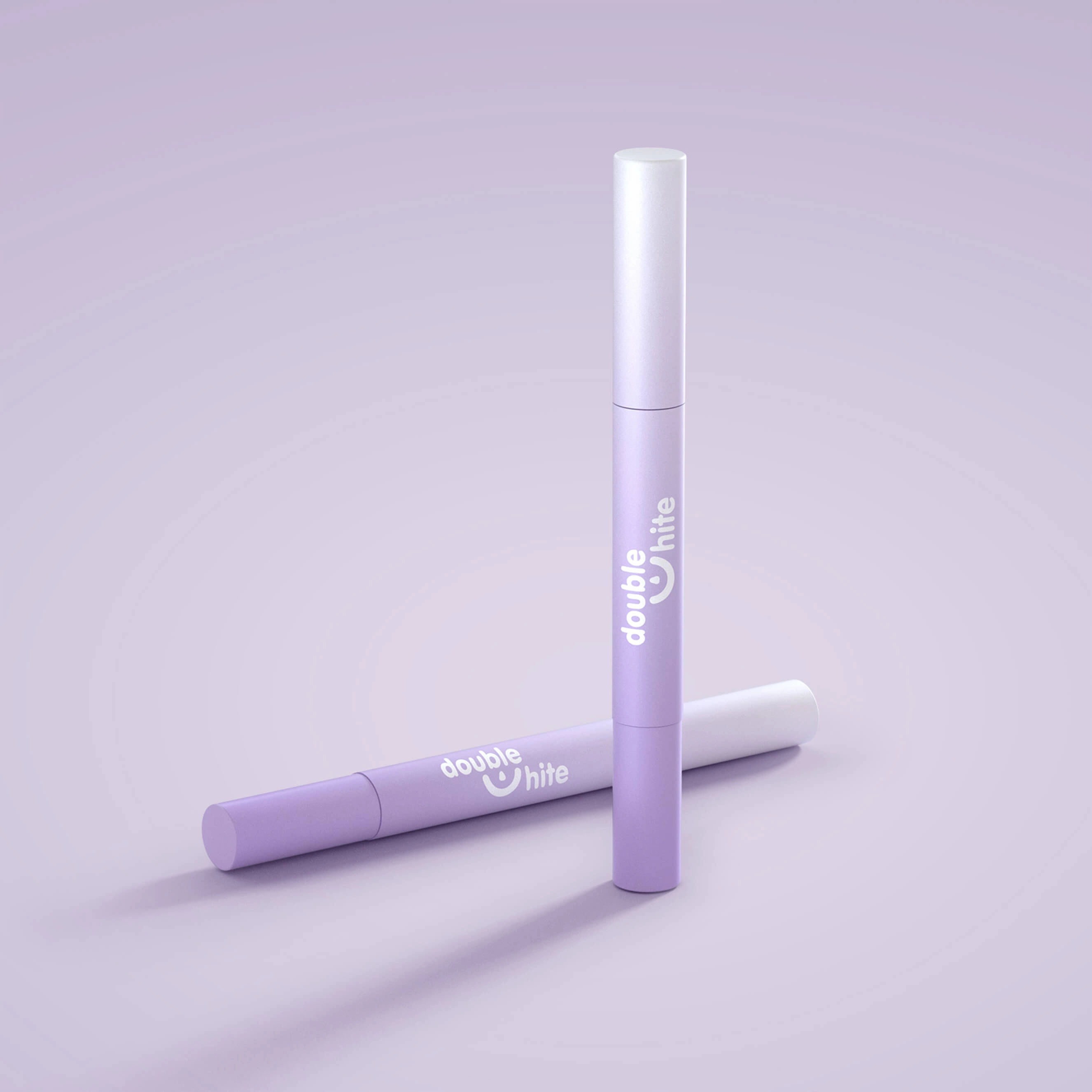
Customized Teeth Whitening Gel Pen HP01
Our teeth whitening pen is designed to be gentle on sensitive teeth and gums, thanks to its natural, pure ingredients.
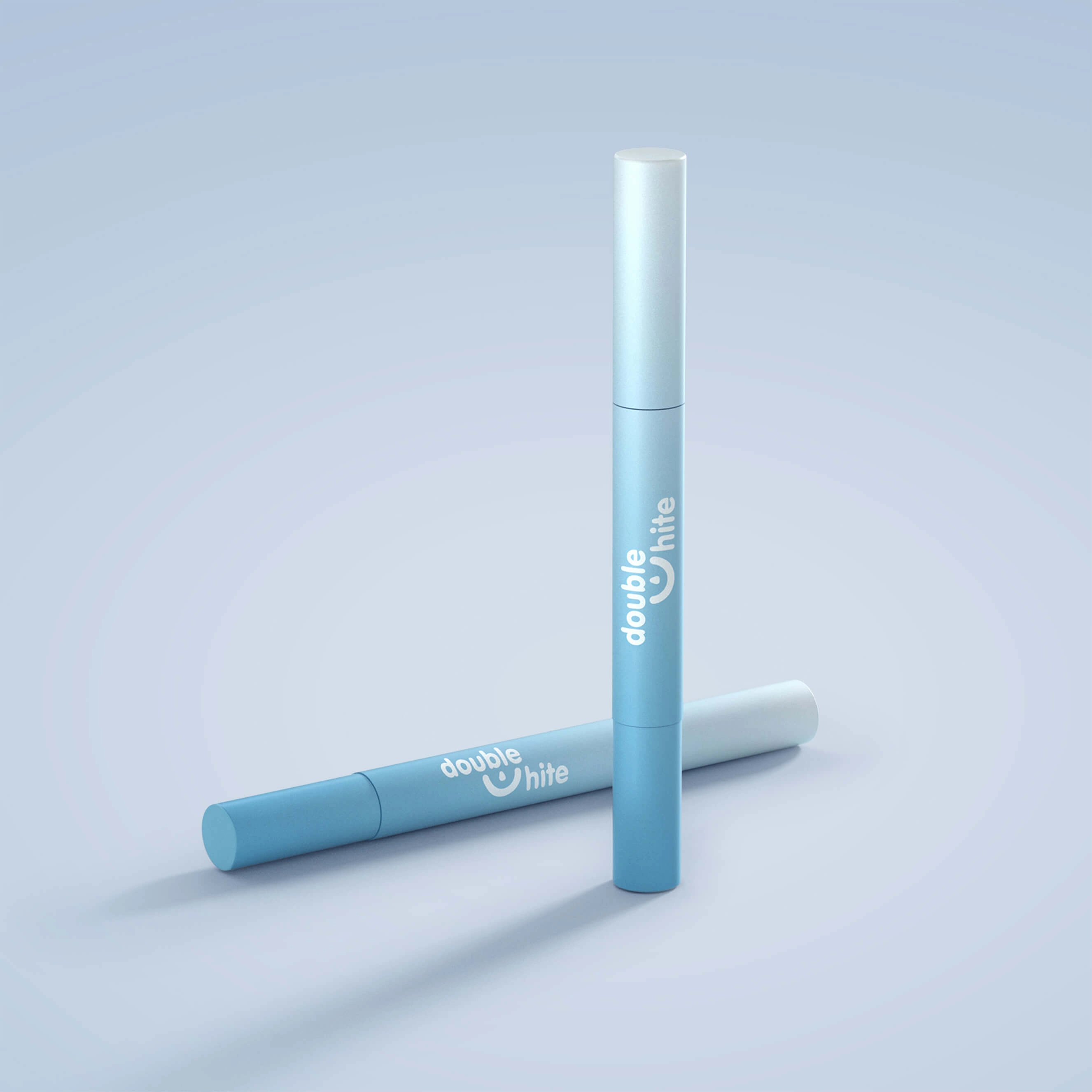
Customized Teeth Whitening Gel Pen HP02
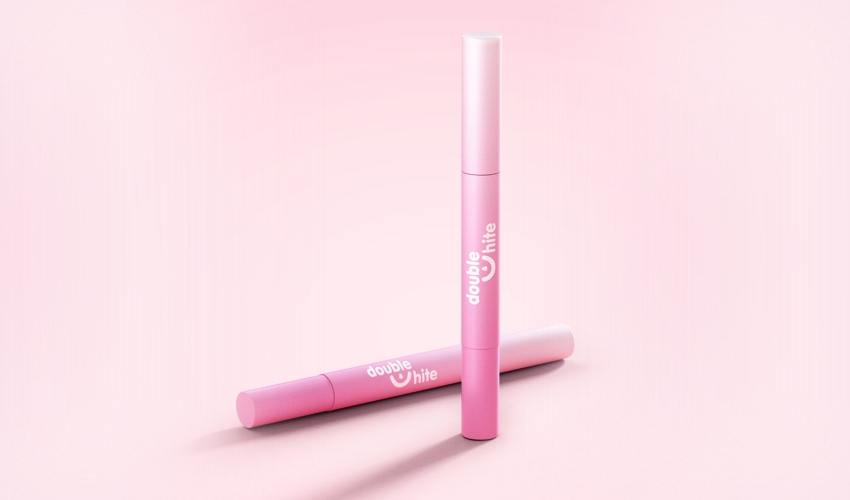
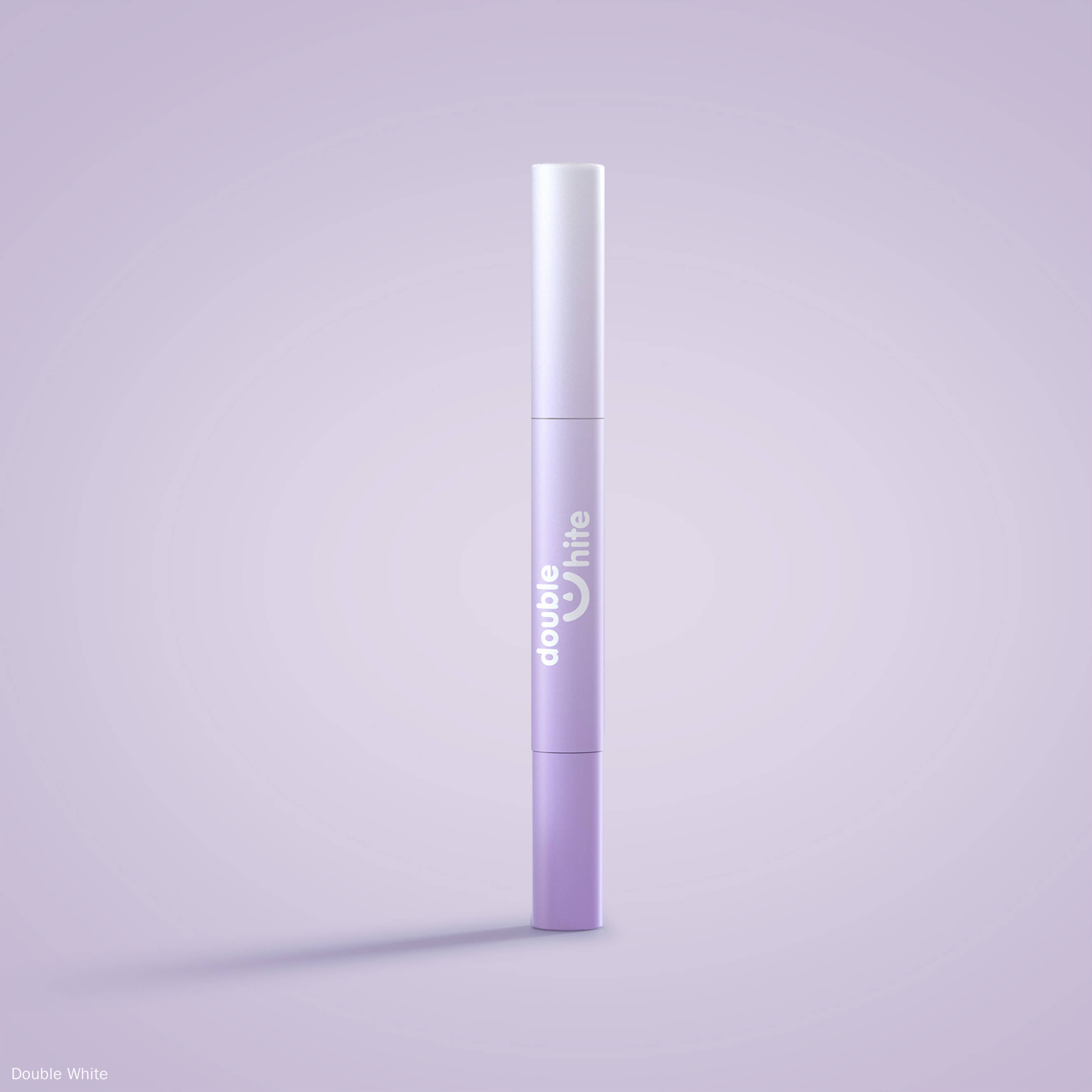
Our teeth whitening gel is designed with a durable twist mechanism and a soft brush tip for easy and gentle application to each tooth and its crevices, providing a thorough whitening experience. It can be easily stored in a cool, dry location away from direct sunlight.
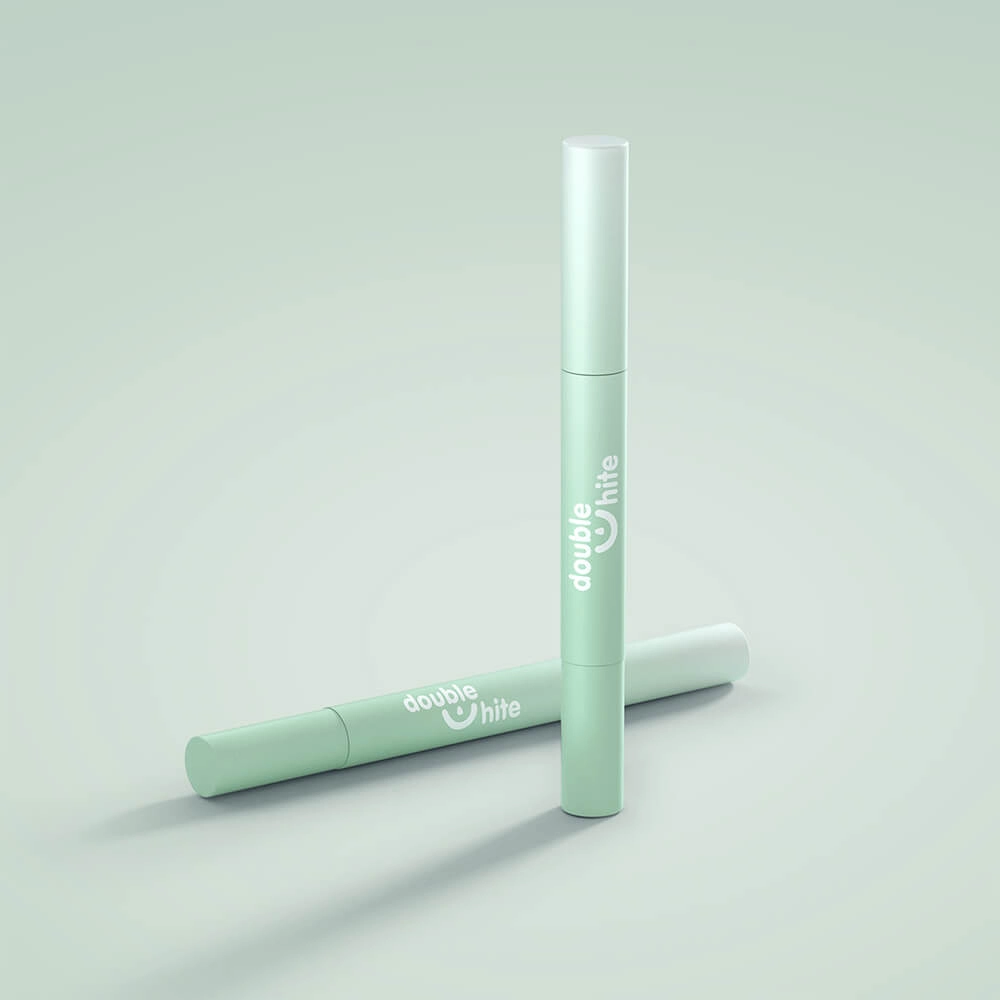
Customized Teeth Whitening Gel Pen PAP01
Our teeth whitening kit is small and portable, perfect for emergency and travel, you can get professional and effective oral care anytime and anywhere. During the use of our teeth whitening pen, please use twice a day, within a week to see the obvious whitening effect.
Send us your inquiry
Reach out to us through the form below or via the contact information provided.
Our dedicated team is committed to providing prompt and personalized responses to all your queries.
Please fill out the fields above with your full name, email address, and comment.


Copyright © 2025 Double White All Rights Reserved. Designed by gooeyun
Whatsapp: +8615920313473
cndoublewhite
Doublewhite
doublewhitecn
cndoublewhite
cndoublewhite