



The Ultimate 2026 Guide to Launching & Scaling Your Private Label Teeth Whitening Empire
This comprehensive guide provides a strategic blueprint for entrepreneurs and businesses looking to enter or expand within the lucrative teeth whitening industry. It covers essential topics ranging from selecting high-margin product formulations like PAP and non-peroxide solutions to navigating complex regulatory landscapes (FDA, EU). We explore actionable steps for vetting manufacturers, analyzing the "Double White" product diversity case study, and implementing future-proof marketing strategies to secure long-term success in 2026 and beyond.
- Introduction: Unlocking the Multi-Billion-Dollar Private Label Teeth Whitening Market
- The Strategic Advantage of Private Label Teeth Whitening
- Building Brand Identity and Trust
- Maximizing Margins and Control
- Navigating the Diverse Teeth Whitening Product Landscape
- Core Formulations: Peroxide vs. PAP
- Non-Peroxide and Natural Alternatives
- Case Study: Visualizing Product Diversity
- Mastering Regulatory Compliance & Product Safety
- Key Regulatory Bodies
- Ingredient Restrictions & Labeling
- Quality Control Standards
- The Step-by-Step Journey to Launching Your Private Label Brand
- Strategic Marketing, Sales, and Scaling Your Business
- Financial Considerations: Investment, Cost & ROI
- Future-Proofing Your Private Label Teeth Whitening Business
- Conclusion: Your Path to Whitening Success
- Frequently Asked Questions
- What is private label teeth whitening and how does it differ from OEM/ODM?
- What are the most effective active ingredients in private label teeth whitening products?
- How much does it typically cost to start a private label teeth whitening business?
- What regulatory hurdles should I be aware of for private label teeth whitening products?
- How do I find a reliable private label teeth whitening manufacturer?
- What marketing strategies are most effective for a new private label teeth whitening brand?
- Can private label teeth whitening products be sold in dental offices or medspas?
- What are the future trends in the private label teeth whitening market?
- References
Introduction: Unlocking the Multi-Billion-Dollar Private Label Teeth Whitening Market
The global oral care market is undergoing a seismic shift, driven by an insatiable consumer appetite for aesthetic self-improvement. As highlighted in market trend reports referenced by Cinoll, the demand for cosmetic dentistry products has surged, positioning at-home whitening solutions not just as a medical necessity, but as a lifestyle essential. For entrepreneurs and dental professionals alike, this presents a golden opportunity.
Entering this space via Private Label Teeth Whitening offers a strategic fast track to capitalization. Rather than investing millions in R&D and manufacturing infrastructure, private labeling allows you to leverage existing, high-quality formulations to build a brand that is uniquely yours. this business model provides a roadmap for launching successful brands by bypassing the hurdles of ground-up product development. This guide will serve as your ultimate resource for navigating this landscape, from understanding private label teeth whitening strips to mastering global compliance.
The Strategic Advantage of Private Label Teeth Whitening
Why are so many businesses pivoting toward private label models? The answer lies in the balance of risk and reward. Private labeling grants you the agility to respond to oral care private label trends faster than massive conglomerates.
Building Brand Identity and Trust
In an era where brand loyalty is paramount, private labeling allows you to craft a unique narrative. As discussed in IVISMILE's guide on brand journey, the ability to control your brand identity—from logo design to unboxing experiences—is a primary driver of consumer trust. You aren't just selling a generic product; you are selling a promise of confidence and beauty under your own banner.
Maximizing Margins and Control
Financial viability is the cornerstone of any venture. IVISMILE’s report on profit margins notes that teeth whitening products offer significantly high margins for B2B companies due to relatively low production costs paired with high consumer perceived value. By controlling pricing strategies and distribution channels, you can maximize your teeth whitening business profit far more effectively than by reselling third-party brands.
Navigating the Diverse Teeth Whitening Product Landscape
To succeed, you must understand the chemistry behind the smile. The market has moved beyond simple generic gels into a sophisticated array of formulations.
Core Formulations: Peroxide vs. PAP
Traditionally, Hydrogen Peroxide and Carbamide Peroxide have been the gold standards. However, the industry is witnessing a massive shift toward PAP teeth whitening OEM solutions. As detailed in IVISMILE’s technology report, Phthalimidoperoxycaproic Acid (PAP) offers a powerful alternative that oxidizes stains without releasing free radicals that cause tooth sensitivity, a major pain point for consumers.
Non-Peroxide and Natural Alternatives
For the eco-conscious or highly sensitive demographic, non-peroxide whitening solutions are essential. Ingredients like activated charcoal, sodium bicarbonate, and natural enzymes are gaining traction, allowing brands to market "gentle" or "natural" efficacy.
Case Study: Visualizing Product Diversity
Understanding how to present these diverse options is crucial.
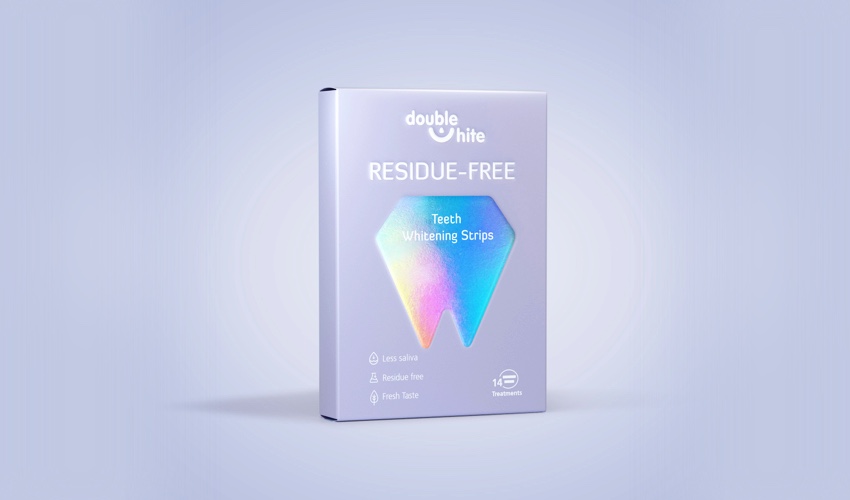
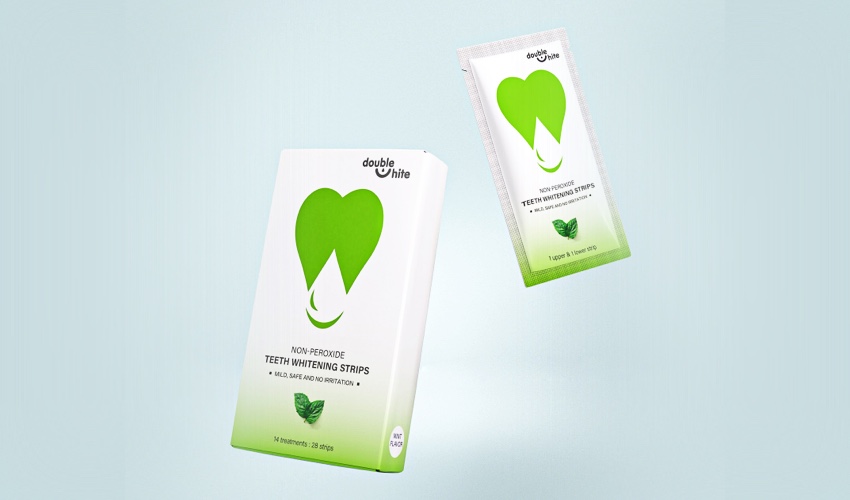
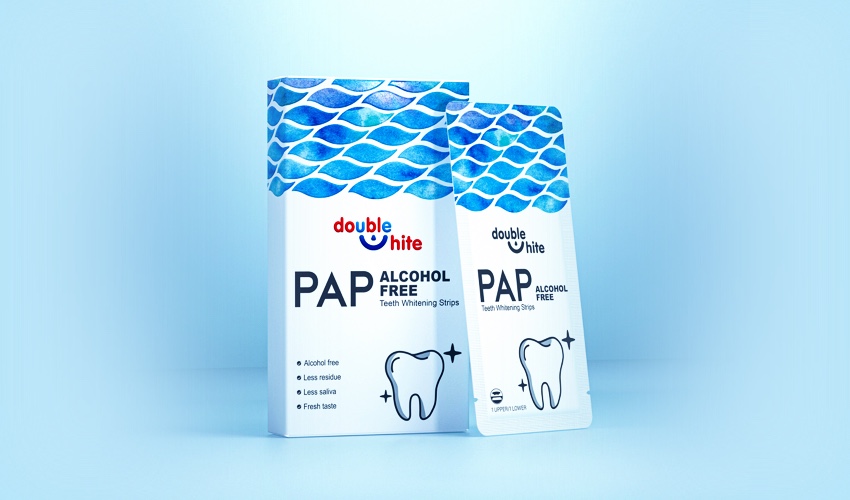
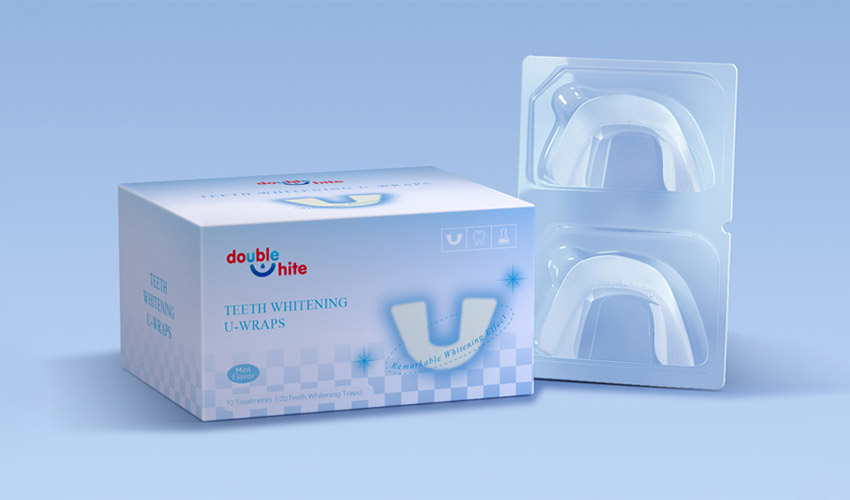
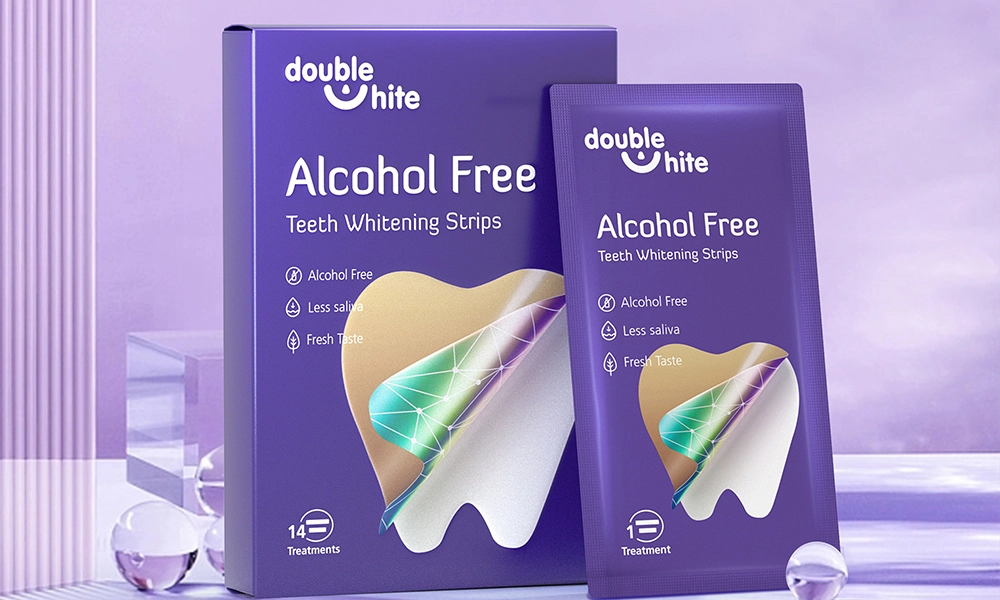
Let’s look at the "Double White" product showcase above as a prime example of a successful product mix. The image displays a dynamic array of private label teeth whitening strips, showcasing how a single brand can cater to multiple consumer needs simultaneously.
· Targeted Claims: You can see packets explicitly labeled "ALCOHOL FREE" and "RESIDUE-FREE," directly addressing user concerns about sensitivity and comfort.
· Ingredient Transparency: The inclusion of "PAP" on specific green packets highlights the brand's adoption of modern, non-sensitive technology, while other packets emphasize "Natural" or "Fresh Taste."
· Visual Segmentation: The use of varied colors—blues for freshness, pinks for aesthetics, and greens for natural formulations—demonstrates how custom teeth whitening products can be visually differentiated to appeal to specific customer segments (e.g., the "Professional" user vs. the "Sensitive" user).
· Format Variety: The "Double White" example illustrates that a successful line isn't just one product; it is a suite of solutions including "1 Treatment" sachets and full "14 Pair" kits.
Mastering Regulatory Compliance & Product Safety
Navigating the legal landscape is perhaps the most critical aspect of your business. As emphasized in the Vertex AI Search 2025 startup guide, failing to adhere to regulatory compliance teeth whitening standards can lead to product recalls and legal action.
Key Regulatory Bodies
Different regions have distinct gatekeepers. In the US, the FDA oversees cosmetics and drugs. In Europe, the EU Cosmetics Regulation is notoriously strict regarding peroxide levels (typically capping over-the-counter hydrogen peroxide at 0.1%). You must also consider Health Canada and the TGA in Australia.
Ingredient Restrictions & Labeling
Compliance isn't just about the formula; it's about the packaging. According to safety insights found in the buying guide for private label products, mandatory labeling must include INCI ingredient lists, clear warnings, and country of origin. If you are selling high-concentration peroxide products, you may be restricted to selling only to licensed dental professionals.
Quality Control Standards
Always ensure your teeth whitening manufacturer partnership is built on certified grounds. Look for ISO 22716 (GMP for Cosmetics) and CE markings. A reputable manufacturer will have batch traceability and stability testing protocols in place to ensure the product on the shelf matches the safety profile in the lab.
The Step-by-Step Journey to Launching Your Private Label Brand
Launching is a systematic process. IVISMILE’s startup guide outlines a clear path from concept to capitalization.
1. Market Research: Don't guess; validate. Are you targeting medspas, influencers, or budget-conscious students?
2. Vetting the Manufacturer: This is your most critical partnership. PowSmart’s factory selection guide suggests evaluating manufacturers based on their experience, certification, and communication skills. Ask specific questions: What is their MOQ? Do they offer PAP teeth whitening OEM capabilities? Can they handle custom formulation tweaks?
3. Sampling & Testing: Never place a bulk order without testing the product yourself. Evaluate the flavor, viscosity of the gel, and adhesion of the strips.
4. Brand Identity: Design matters. As seen in the "Double White" example, packaging must be photogenic and informative.
5. Logistics: Plan for lead times. Shipping from overseas manufacturers can take weeks, so inventory management is key.
Strategic Marketing, Sales, and Scaling Your Business
Once you have the product, you need to sell the dream. Finturf’s business guide highlights the importance of a robust marketing strategy.
· Digital Blueprint: Use SEO to capture organic traffic for terms like "best sensitive teeth whitening." Leverage social media to showcase before-and-after results—user-generated content is gold in this industry.
· B2B Opportunities: Don't limit yourself to B2C. Oralmega discusses how private-label kits are becoming a "luxury upgrade" for medspas and aesthetic clinics. Offering branded kits to local dentists can secure high-volume, recurring orders.
· Subscription Models: Teeth whitening is not a one-time event. Implement subscription models for refill kits to increase Customer Lifetime Value (CLV).
Financial Considerations: Investment, Cost & ROI
What does it actually cost? IVISMILE’s 2025 cost guide warns of hidden fees that can eat into your margins.
· Startup Costs: These vary by MOQ. A small run might cost a few thousand dollars, while a full custom formulation could be significantly higher.
· Pricing Strategy: According to pricing guides, you should aim for a healthy markup. If a kit costs you $5 to produce and land, selling it for $25-$40 allows room for marketing spend and profit.
· Hidden Costs: Factor in tariffs, shipping insurance, and returns processing.
Future-Proofing Your Private Label Teeth Whitening Business
The market is evolving. Double White’s 2026 manufacturer list article suggests that the future belongs to brands that innovate.
· Sustainability: Eco-friendly packaging is no longer optional; it's an expectation.
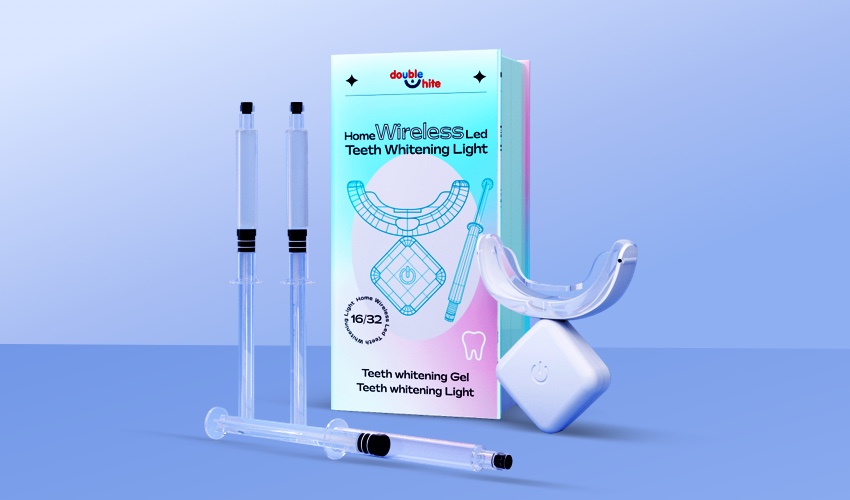
· Tech Integration: Look for manufacturers developing LED accelerators and smart devices compatible with your gels.
· Global Expansion: As you scale, look to the UK and EU markets, keeping in mind the regulatory nuances mentioned earlier (Source 13).
Conclusion: Your Path to Whitening Success
The private label teeth whitening industry offers a rare combination of accessibility, high profit margins, and scalability. By partnering with the right manufacturer, ensuring strict regulatory compliance, and embracing diverse product formulations—like the PAP and non-peroxide options visualized in the "Double White" range—you can build a brand that stands the test of time. The tools and data are available; the next step is yours to take.
Frequently Asked Questions
What is private label teeth whitening and how does it differ from OEM/ODM?
Private label involves selling products manufactured by another company under your own brand name and packaging, giving you control over branding and marketing. OEM (Original Equipment Manufacturer) produces standard products that can be rebranded. ODM (Original Design Manufacturer) designs and manufactures products based on existing designs, often offering more customization than OEM, but still for another company's brand, including intellectual property.
What are the most effective active ingredients in private label teeth whitening products?
Carbamide peroxide and hydrogen peroxide are traditional, highly effective agents, with varying concentrations suitable for different applications. PAP (Phthalimidoperoxycaproic Acid) is a popular, modern active ingredient known for effective, non-sensitive whitening without peroxide's side effects. Non-peroxide options (e.g., sodium bicarbonate, activated charcoal, natural enzymes) cater to consumers seeking natural or sensitive teeth solutions.
How much does it typically cost to start a private label teeth whitening business?
Startup costs vary significantly, typically ranging from a few thousand to tens of thousands of dollars, influenced by Minimum Order Quantities (MOQ), product type, packaging complexity, and initial marketing budget. Key cost areas include product manufacturing, custom branding and packaging design, initial inventory, shipping and logistics, and early-stage marketing and legal fees.
What regulatory hurdles should I be aware of for private label teeth whitening products?
Compliance with major regulatory bodies like the FDA (US), EU Cosmetics Regulation, Health Canada, and TGA (Australia) is crucial, varying by target market. Key areas include adhering to ingredient concentration limits (especially for peroxides), accurate and comprehensive labeling, stringent safety testing, and ensuring your manufacturer holds relevant certifications like GMP (Good Manufacturing Practices).
How do I find a reliable private label teeth whitening manufacturer?
Seek manufacturers with proven industry experience, robust quality control, and relevant certifications (e.g., ISO, GMP) demonstrating adherence to international standards. Evaluate their communication transparency, production capacity, Minimum Order Quantities (MOQs), customization options, and ability to meet your specific product formulation and regulatory requirements. Request samples and conduct thorough background checks, including factory audits if possible.
What marketing strategies are most effective for a new private label teeth whitening brand?
A multi-faceted digital marketing approach is key: leveraging SEO-optimized content marketing (blog posts, guides) for organic visibility, engaging actively on social media to build community, and establishing influencer collaborations for authentic endorsements. Implement targeted paid advertising campaigns on platforms like Google Ads and Meta Ads, focusing on highlighting your unique selling proposition, product benefits, and compelling brand story. Consider email marketing for nurturing leads and customer retention programs for repeat business.
Can private label teeth whitening products be sold in dental offices or medspas?
Absolutely, private label teeth whitening products are increasingly popular in B2B channels such as dental clinics, medspas, and aesthetic clinics. Offering professional-grade formulations, exclusive kits, or tailored branding for these partners can create highly lucrative revenue streams and significantly enhance your brand's credibility and perceived value. This approach also opens doors for professional recommendations and word-of-mouth referrals.
What are the future trends in the private label teeth whitening market?
Continued growth in PAP and advanced non-peroxide formulations driven by consumer demand for effective yet non-sensitive whitening solutions. Increased focus on sustainable, eco-friendly packaging materials and ethical sourcing practices throughout the supply chain. Emergence of personalized whitening solutions, smart oral care devices, and AI-driven recommendations tailored to individual consumer needs. Expansion into new global markets, requiring adaptability to diverse cultural preferences and evolving international regulations.
References
· Private Label Teeth Whitening: The Ultimate 2025 Guide to Launch & Scale Your Brand
· Private Label Teeth Whitening: Pricing, Costs & Profit Margins Guide
· IVISMILE: Private Label Teeth Whitening Cost: 2025 Startup Guide
· Ignite Your Brand: The Ultimate Guide to Private Label Teeth Whitening Success
· Double White: Top 10 Private Label Teeth Whitening Manufacturer in 2026
· Finturf.com: How to Start a Teeth Whitening Strip Business
Answers to Teeth Whitening Questions: Analysis of Frequently Asked Questions
Intimate Care: Whitening Tips for Teeth Whitening Strips
The Ultimate Guide to the Best At-Home Teeth Whitening Products for a Dazzling Smile in 2026
At Home Teeth Whitening Strips: Your Expert Guide to a Dazzling Smile in 2026
The Definitive Guide to At-Home Teeth Whitening Products for a Brighter Smile in 2026
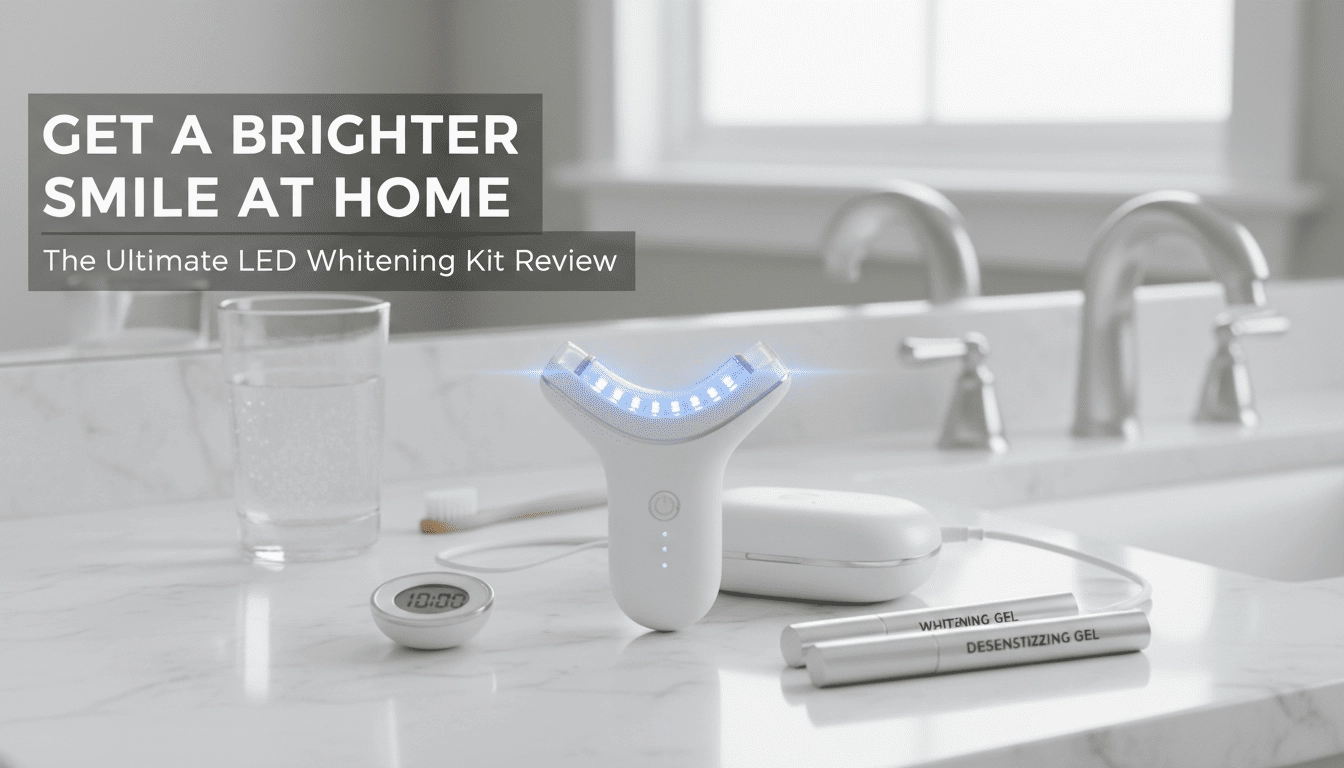
LED Teeth Whitening Kits: Your Ultimate 2026 Guide to a Brighter Smile
About Product Choice
What types of teeth are your products suitable for?
Our products are suitable for most tooth types including regular, yellow and lightly pigmented teeth. However, for severely discolored teeth or special dental conditions, please consult your dentist before making a choice.
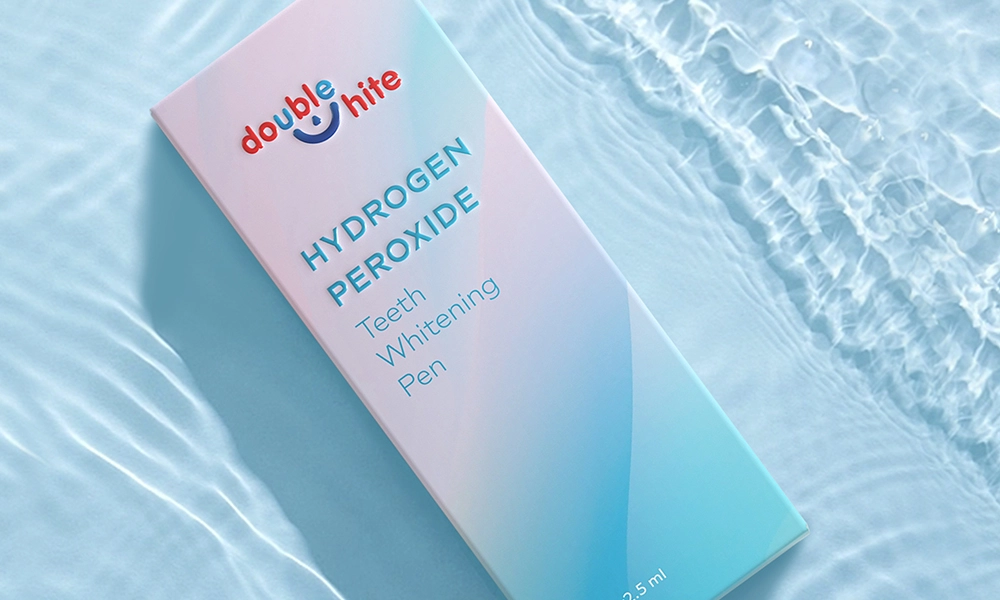
What is the difference between your teeth whitening patches and pens?
Our teeth whitening strips are a clear, easy-to-use patch, while our whitening pen is a portable, spreadable product. You can choose the product that suits you based on your personal preferences and usage habits.
About Customized Services
Is there a minimum order quantity requirement for customization services?
Customized services may have minimum order requirements based on your specific needs and product type, please consult our sales team for details.
Can I order customized services?
Yes, you can book customized services through our official website or contact information, and our sales team will serve you wholeheartedly.
About Cooperation Process
How to sign a cooperation agreement?
We will provide you with a draft cooperation agreement, which will be signed by both parties after confirmation to ensure the legality and standardization of the cooperation process.
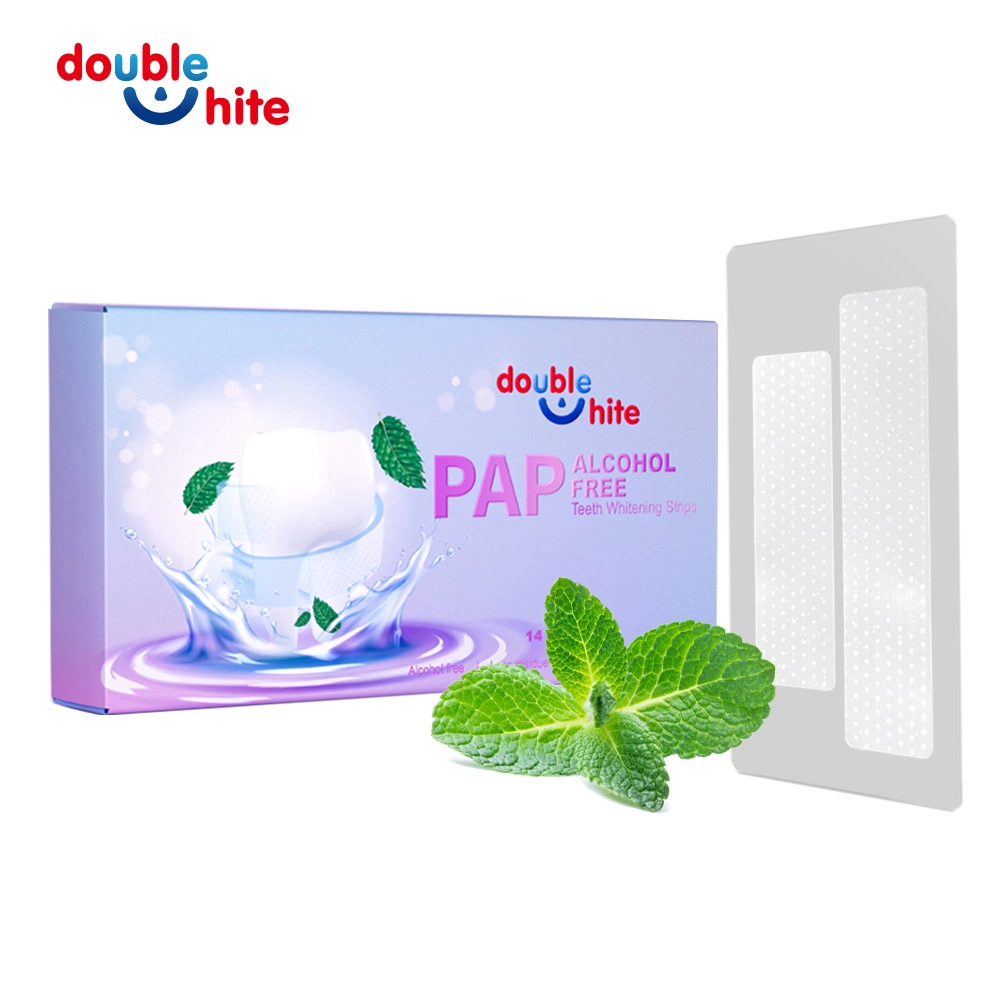
PAP Non-Alcohol teeth whitening strips OEM ODM PAPNA-03
Professional and dental grade material white strip teeth whitener helps remove stains effectively and powerfully yet gently, specially designed for sensitive teeth. FDA registered and clinically proven to effectively and safely whiten teeth.
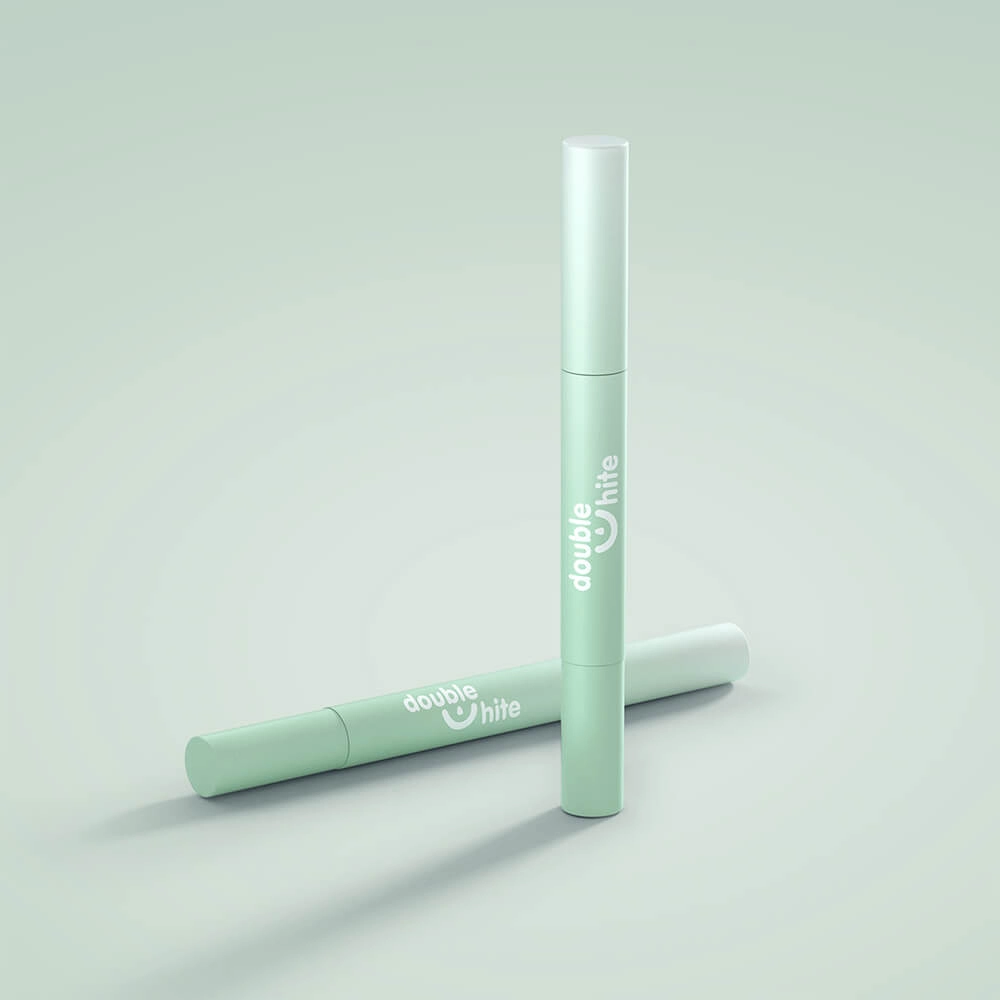
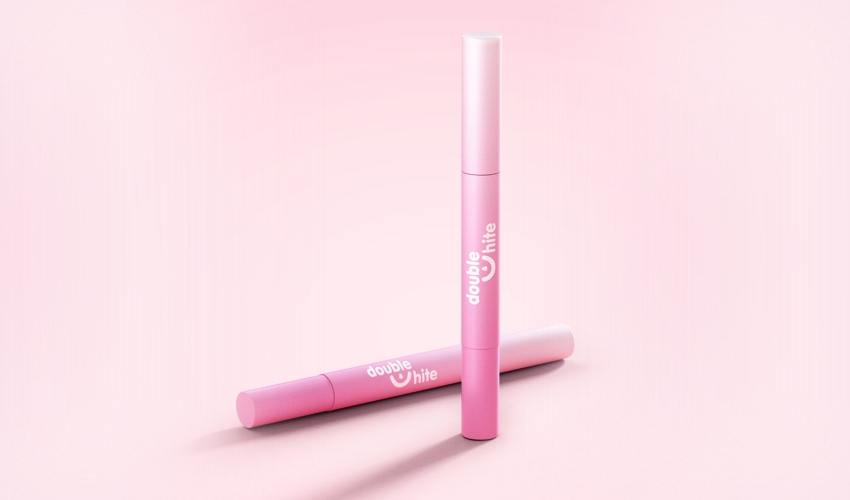
Customized Teeth Whitening Gel Pen PAP01
Our teeth whitening kit is small and portable, perfect for emergency and travel, you can get professional and effective oral care anytime and anywhere. During the use of our teeth whitening pen, please use twice a day, within a week to see the obvious whitening effect.
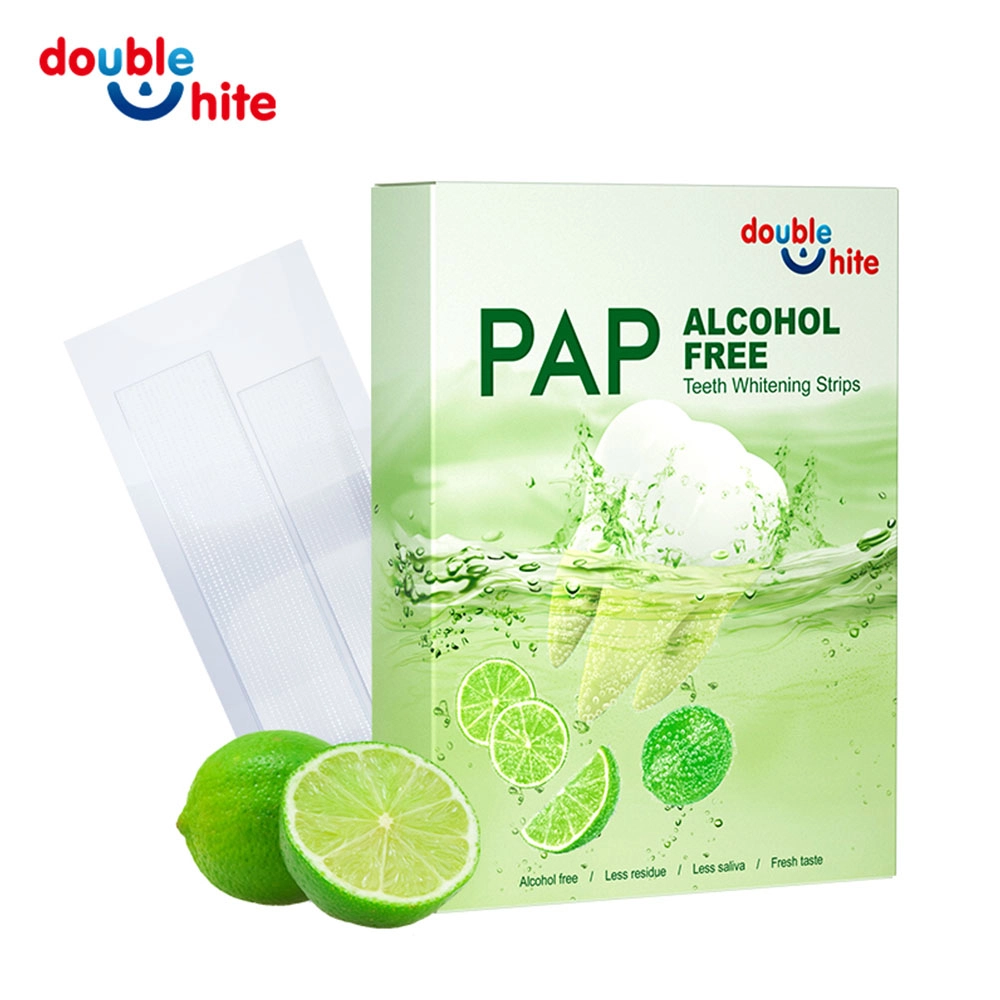
PAP Non-Alcohol teeth whitening strips OEM ODM PAPNA-04
Professional and dental grade material white strip teeth whitener helps remove stains effectively and powerfully yet gently, specially designed for sensitive teeth. FDA registered and clinically proven to effectively and safely whiten teeth.
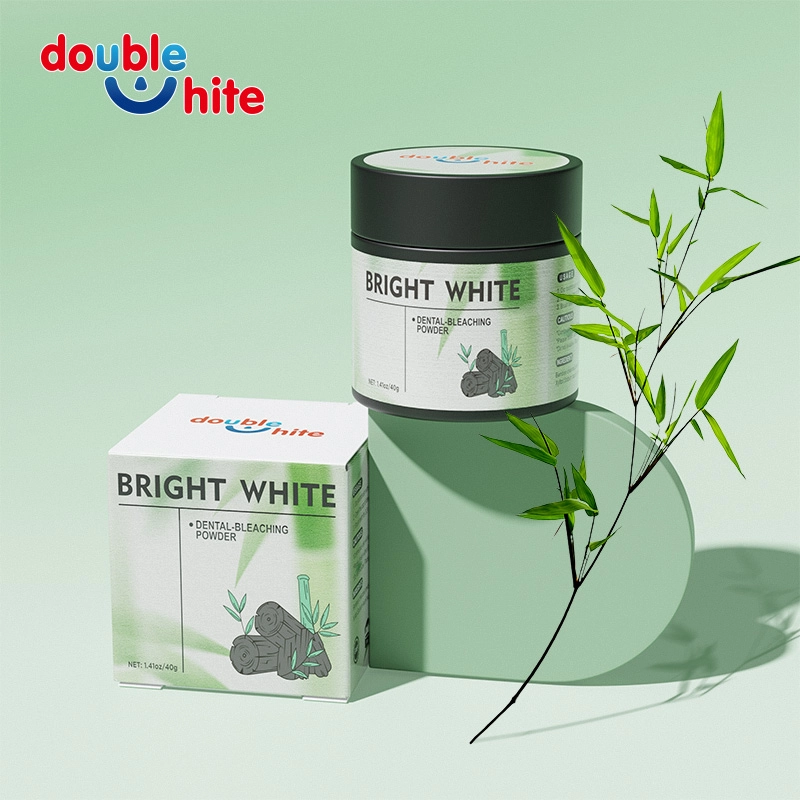
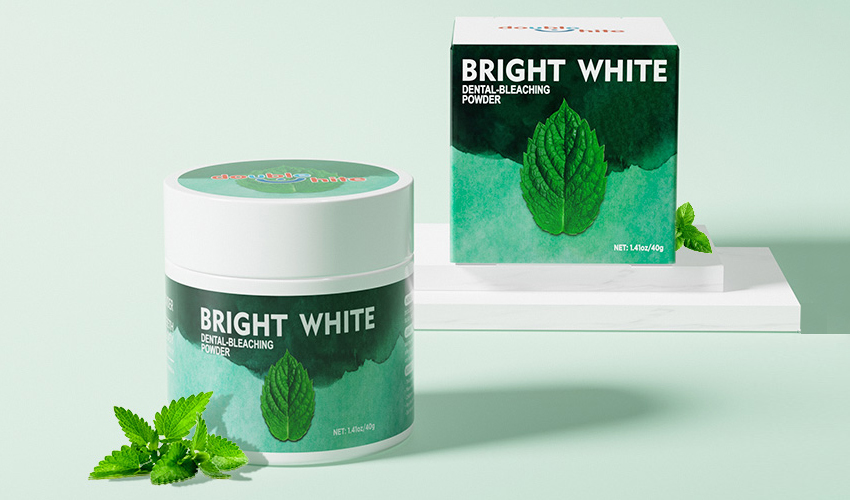
Activated Charcoal Powder Wholesale Factory Price
Our teeth whitening powder is made from 100% natural ingredients. The strong absorption ability of Activated Charcoal functions as teeth whitening, antibacterial, and detoxifying agent.
Send us your inquiry
Reach out to us through the form below or via the contact information provided.
Our dedicated team is committed to providing prompt and personalized responses to all your queries.
Please fill out the fields above with your full name, email address, and comment.


Copyright © 2025 Double White All Rights Reserved. Designed by gooeyun
Whatsapp: +8615920313473
cndoublewhite
Doublewhite
doublewhitecn
cndoublewhite
cndoublewhite