





PAP vs Hydrogen Peroxide Teeth Whitening: Formula Selection Guide for Private Label Brands
A practical formula-selection guide for private label teeth whitening brands comparing PAP and hydrogen peroxide. Evaluate formula approach, product format, claims, stability, packaging compatibility, testing, documentation, and finished-product samples before finalizing a whitening formula.

- PAP vs Hydrogen Peroxide: How Should Private Label Brands Choose?
- Key Takeaways
- PAP and Hydrogen Peroxide: What Is the Core Difference?
- There Is No Universal Winner
- Which Formula Is Better?
- What Should Private Label Buyers Consider When Choosing a Whitening Formula?
- PAP for Private Label Whitening Products
- Hydrogen Peroxide for Private Label Whitening Products
- Formula Stability and Packaging Compatibility
- PAP vs Hydrogen Peroxide by Product Format
- How to Choose Between PAP and Hydrogen Peroxide
- FAQ
- Share Your Formula Requirements
PAP vs Hydrogen Peroxide: How Should Private Label Brands Choose?
Choosing between PAP and hydrogen peroxide is a formulation decision, not a simple “which is better?” comparison. The better route depends on the target market, product format, intended claims, formulation requirements, packaging compatibility, testing, and the brand’s product strategy.
Key Takeaways
- PAP is commonly positioned as a non-peroxide whitening active, while hydrogen peroxide is a peroxide-based oxidizing agent.
- Neither formula should be treated as universally superior; selection depends on the market, format, claims, packaging, and validation requirements.
- Private label buyers should evaluate the finished product configuration, not only the bulk formula.
- Formula choice can affect packaging, stability, testing, documentation, and project scope.
- A finished-product sample and relevant testing evidence should be reviewed before a formula is finalized for bulk production.
PAP and Hydrogen Peroxide: What Is the Core Difference?
PAP is commonly positioned as a non-peroxide whitening active, while hydrogen peroxide is a peroxide-based oxidizing agent. The two approaches use different chemistry, so their formulation, packaging, claims, and market-review considerations can differ.
Both approaches require buyers to confirm the formulation details, permissible claims, and market-specific requirements for the actual product before finalizing a private label formula.
There Is No Universal Winner
Choose the formula only after the target market, product format, intended claims, packaging, testing, and project scope are defined.
Which Formula Is Better?
There is no universal winner. The better formula depends on the target market, product format, intended claims, formulation requirements, packaging compatibility, and the buyer’s overall product strategy.
What Should Private Label Buyers Consider When Choosing a Whitening Formula?
Formula choice affects more than the ingredient list. It can shape claims, testing, packaging, sample requirements, and project scope.
Target Market
Confirm the applicable claims, classification, labeling, and other market requirements before locking the formula.
Product Format
Strips, gels, pens, and kits can require different viscosity, dispensing, material-compatibility, and packaging considerations.
Intended Claims
Claims such as “sensitivity-focused” or “enamel-safe” require appropriate substantiation for the actual product and market.
Formula Stability
Evaluate how the finished formula behaves over the intended storage period, not only at the time of manufacture.
Packaging Compatibility
Confirm compatibility between the formula, strip or container materials, pouch, seal, and storage conditions.
Testing & Documentation
Confirm which stability, compatibility, quality, and market-specific documents are available for the actual formula and product.
Formula changes can also affect project scope and minimum quantities. For broader purchasing considerations, see the teeth whitening strips wholesale guide.
For the broader supplier-selection framework, see how to choose a private label teeth whitening manufacturer.
PAP for Private Label Whitening Products
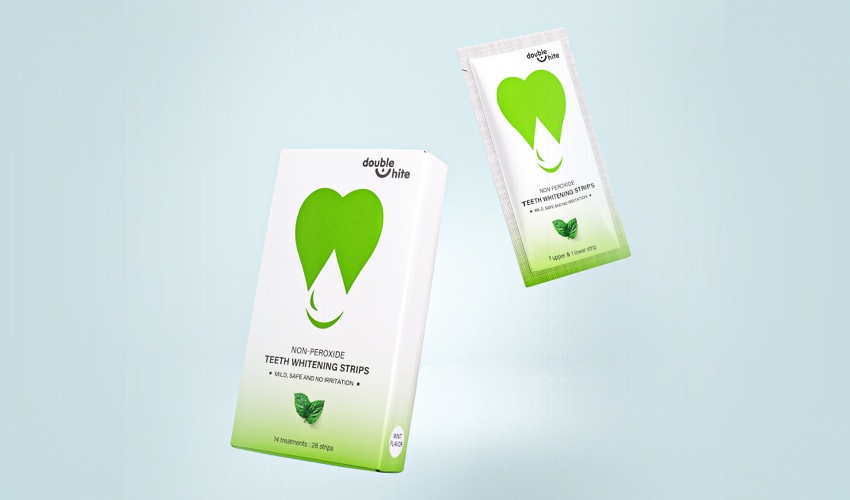
For private label brands evaluating a non-peroxide positioning, PAP may be one formula route to consider. Product development should focus on the target formulation, the selected product format, packaging compatibility, applicable testing, and the claims that can be supported in the target market.
Buyers should request a sample in the actual finished-product configuration — including the strip material, pouch, and seal where applicable — rather than evaluating the formula in isolation.
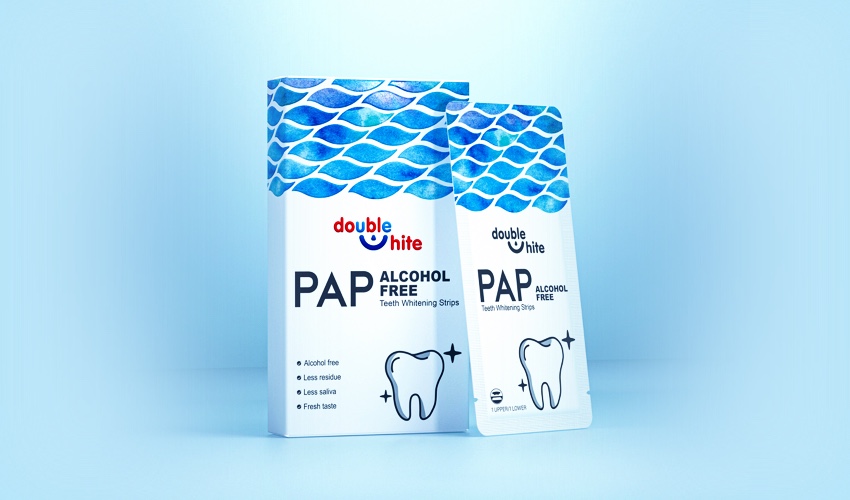
For a current product reference, see PAP teeth whitening strips.
Hydrogen Peroxide for Private Label Whitening Products
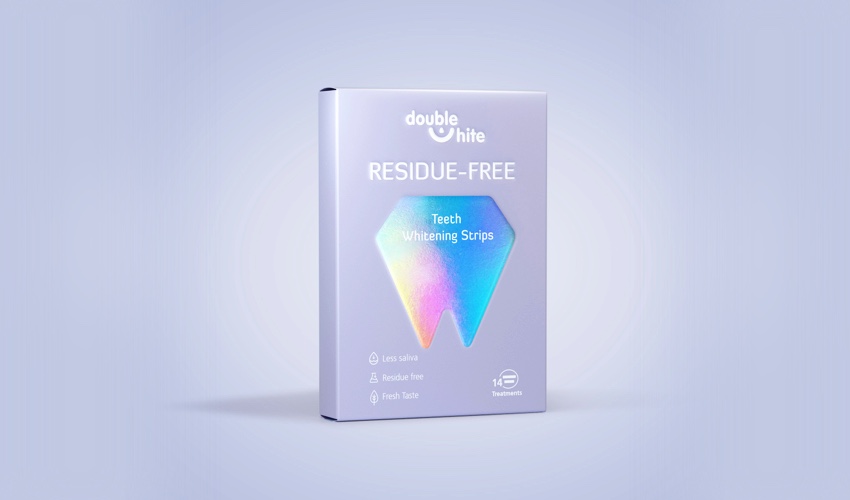
For hydrogen peroxide projects, concentration, formula stability, packaging compatibility, and market-specific requirements are important formulation variables. Finished product formats can include dry strips, gel strips, residue-free strips, and alcohol-free variants, depending on the supplier and project.
For a current product reference, see hydrogen peroxide teeth whitening strips.
Formula Stability and Packaging Compatibility
Formula performance should be evaluated in the finished product configuration, not only in bulk formulation. The relevant chain runs from formula to strip material to pouch to seal to storage conditions.
A formula that performs well in bulk testing does not automatically perform the same way after it has been filled, sealed, packaged, and stored. Buyers should ask what stability and compatibility information is available for the actual finished configuration.
For the next-stage quality evaluation, see how to evaluate whitening strip quality before bulk production.
PAP vs Hydrogen Peroxide by Product Format
Formula-format interactions differ enough that buyers should confirm compatibility for the specific product rather than assuming that a formula will perform the same way in every format.
These are buyer due-diligence checks, not claims that either formula is inherently better suited to a given format. The final choice should be based on the manufacturer’s formula and testing information for the specific product.
For background on how strip products move from formula to finished output, see the teeth whitening strip manufacturing process guide.
How to Choose Between PAP and Hydrogen Peroxide
A structured decision sequence can reduce the risk of choosing a formula before the product requirements are fully defined.
Choose the formula only after the target market, product format, claims, packaging, and testing requirements are defined.
FAQ
What is the difference between PAP and hydrogen peroxide for teeth whitening?
PAP is commonly positioned as a non-peroxide whitening active, while hydrogen peroxide is a peroxide-based oxidizing agent. The two approaches have different formulation, packaging, testing, and market considerations.
Is PAP better than hydrogen peroxide for private label whitening products?
There is no universal answer. The appropriate formula depends on the target market, product format, intended claims, formulation requirements, packaging compatibility, testing, and the buyer’s product strategy.
Which formula is better for whitening strips?
Both PAP and hydrogen peroxide are used in strip formats. The relevant factors include formula-and-material compatibility, concentration or formulation parameters, packaging, and finished-strip performance. These should be confirmed for the specific product.
What should private label buyers consider when choosing a whitening formula?
Consider target market requirements, product format, intended claims, formula stability, packaging compatibility, testing, documentation, and how formula customization may affect project scope and MOQ.
Can PAP and hydrogen peroxide formulas be used in private label whitening products?
Both formula approaches are used in private label whitening products, but the appropriate format, formulation, claims, documentation, and market requirements should be confirmed for the specific product.
How should buyers evaluate a whitening formula before bulk production?
Request a sample in the actual finished-product configuration and review relevant stability, compatibility, quality, and documentation evidence rather than evaluating the formula in isolation.
Project Review
Share Your Formula Requirements
Share your target market, product format, formula direction, packaging requirements, and expected order quantity to discuss the appropriate formula path for your project.
Share Your Formula RequirementsPurple Violet Teeth Whitening U-Wraps for Private Label & Wholesale
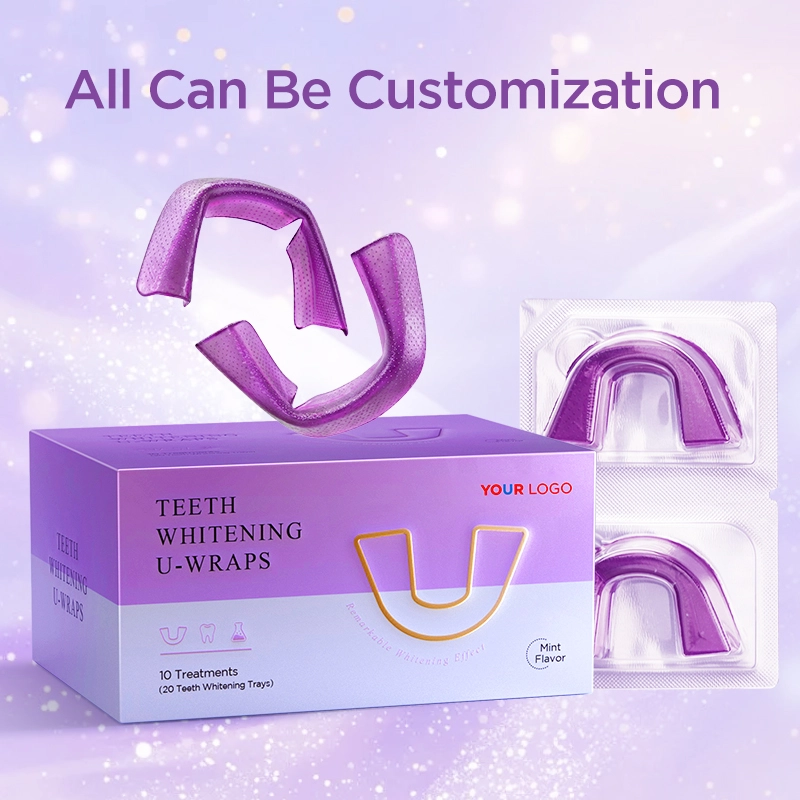
Purple Teeth Whitening U-Wraps: Private Label Sourcing Guide for Brands
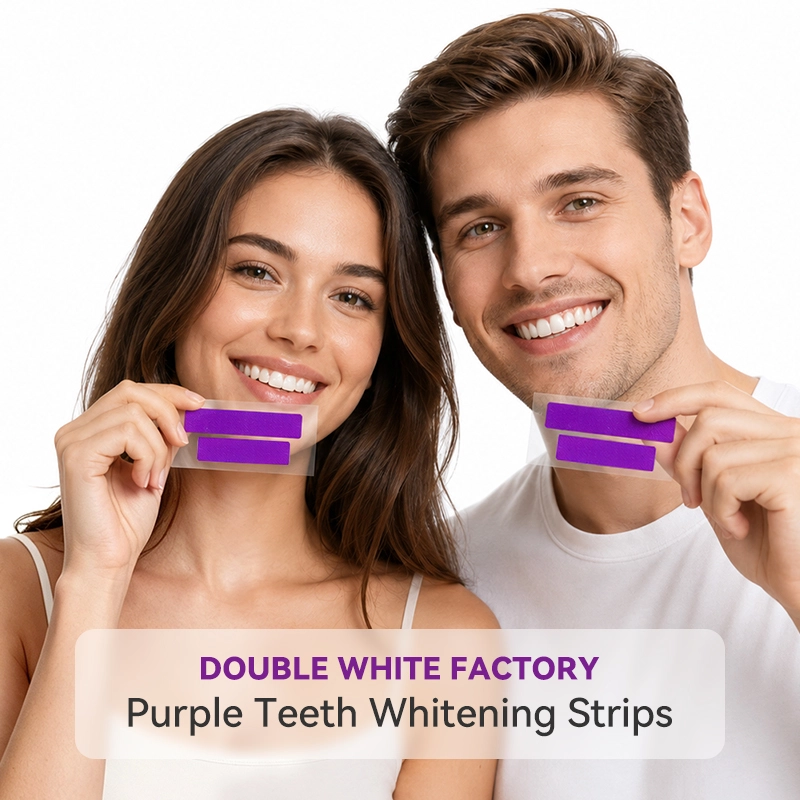
How Do Purple Teeth Whitening Strips Work? A Color-Correction Guide for Private Label Buyers

Whitening Pen Applicator & Dispensing Guide: What Buyers Should Check Before Bulk Production
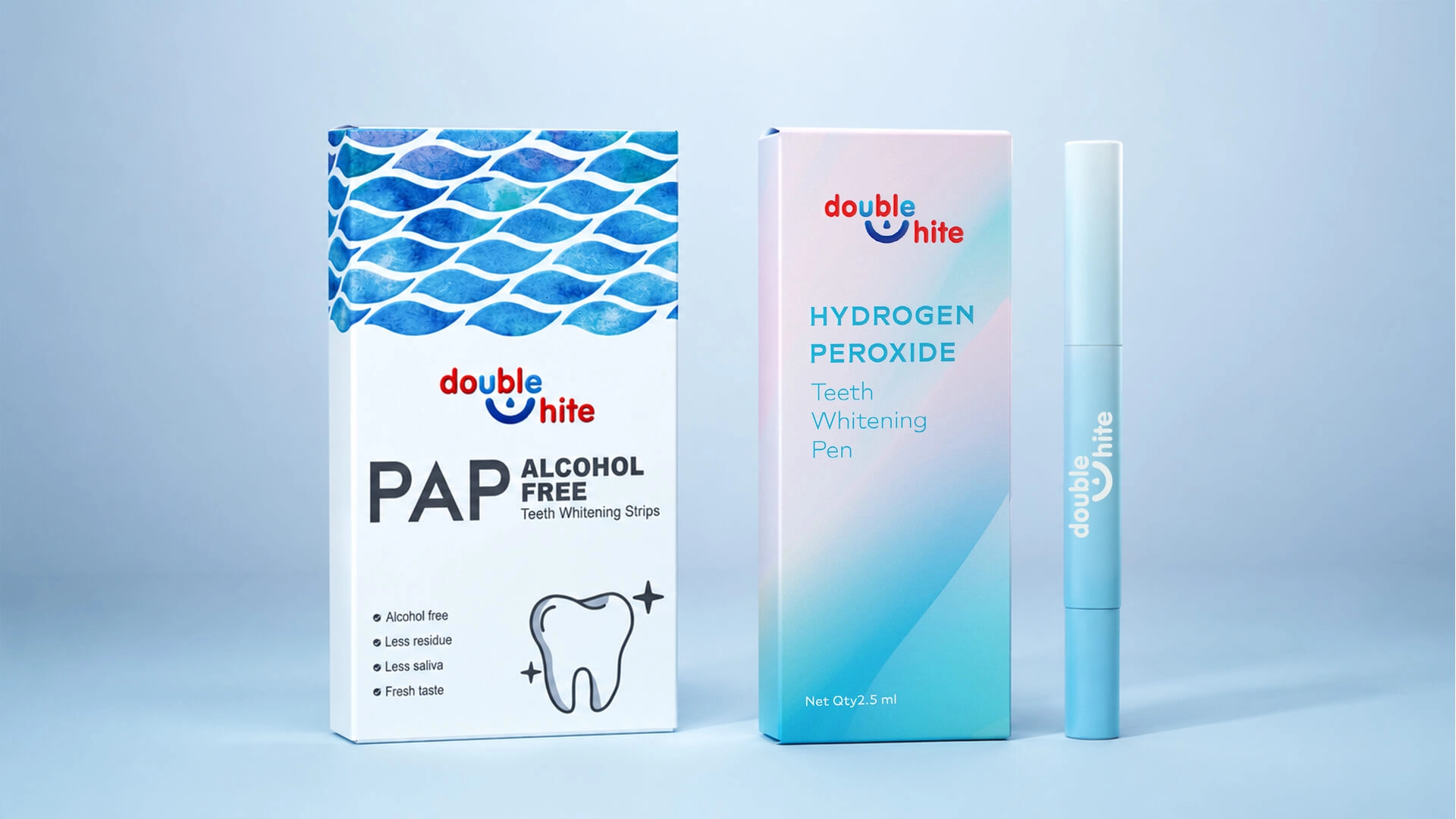
Whitening Pen Formula Stability: What Buyers Should Test Before Bulk Production
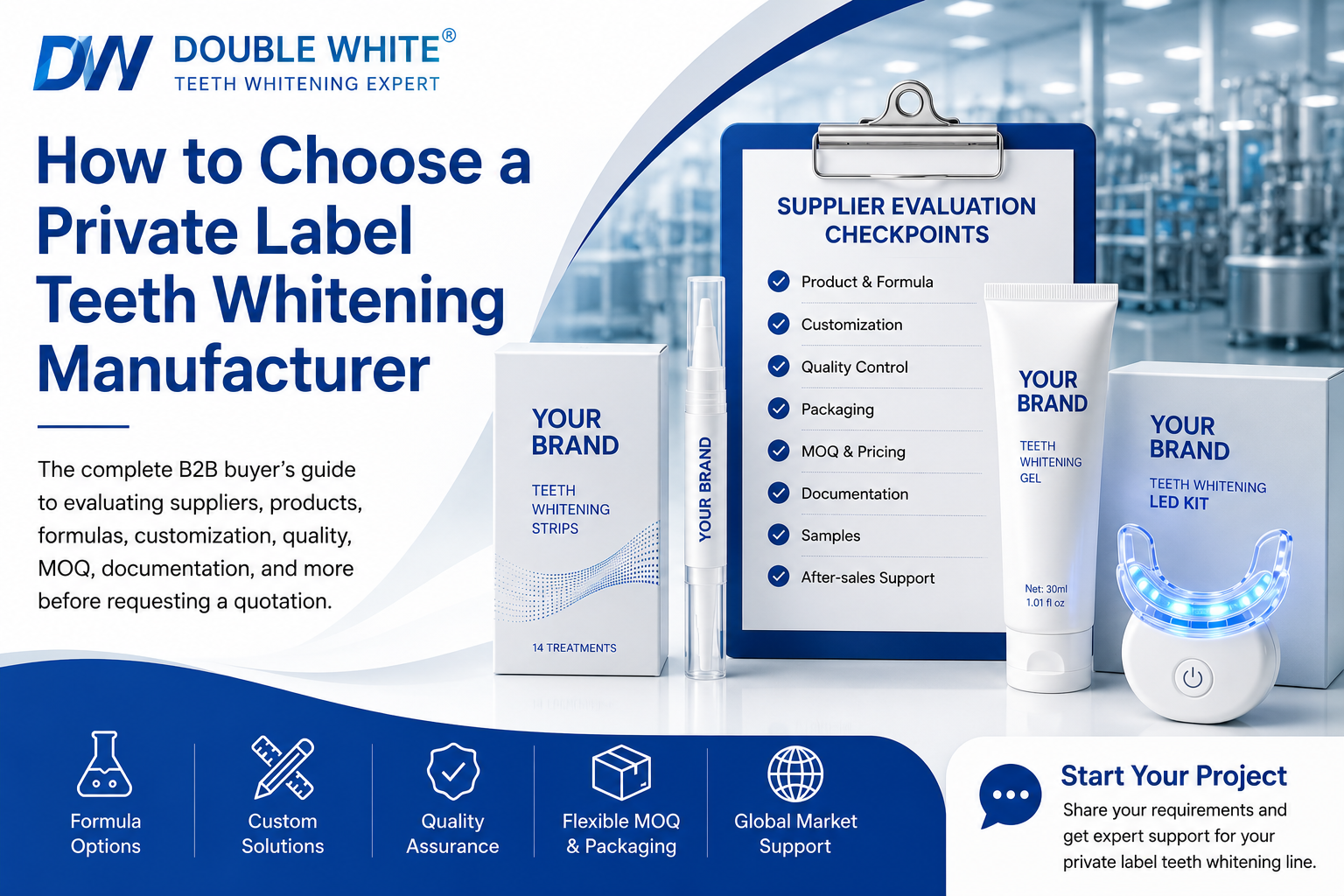
How to Choose a Private Label Teeth Whitening Manufacturer
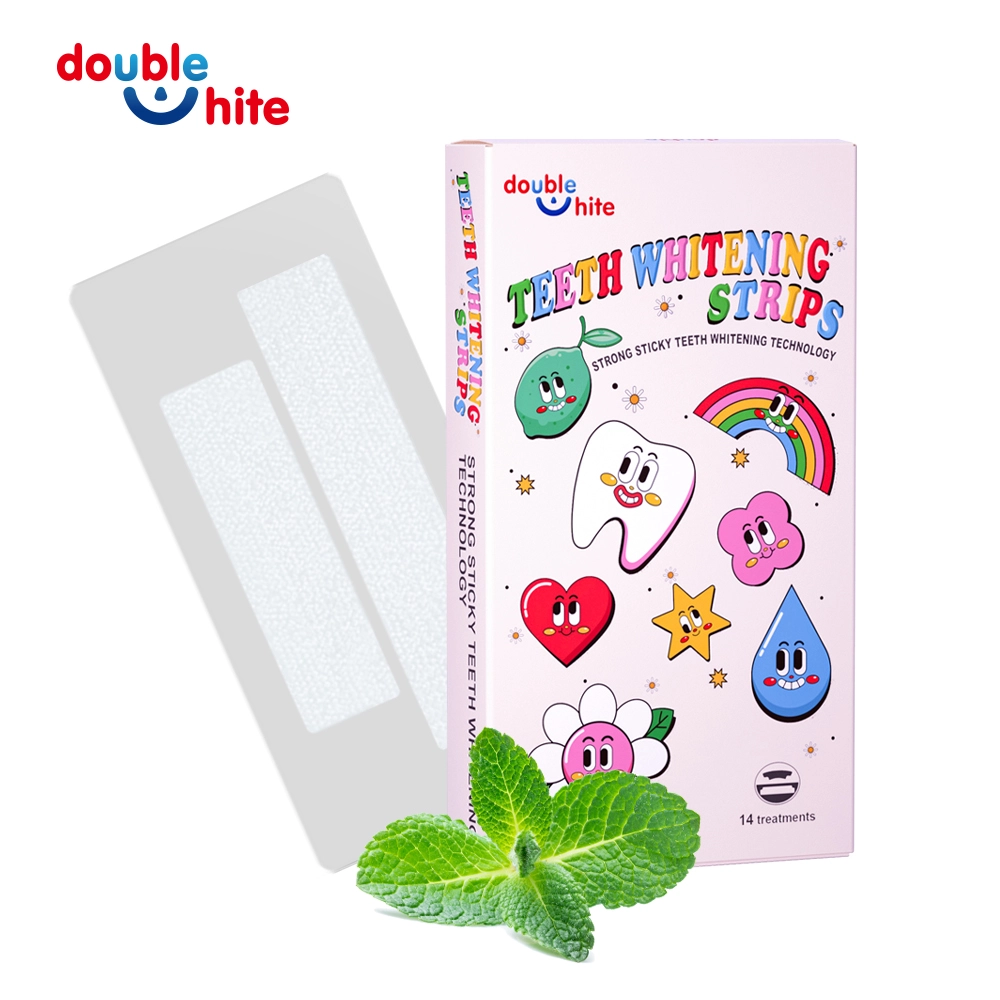
Hydrogen Peroxide Teeth Whitening Gel Strips for OEM & Private Label Brands
Double White's hydrogen peroxide teeth whitening gel strips are designed for brands, wholesalers, and e-commerce sellers looking for a reliable, cost-effective entry-level whitening strip. With a double elastic gel formula, controlled HP concentration, and private label packaging support, this product is suited for supermarket retail, salon use, and online channel distribution across global markets.
Double White's hydrogen peroxide teeth whitening gel strips are designed for brands, wholesalers, and e-commerce sellers looking for a reliable, cost-effective entry-level whitening strip. With a double elastic gel formula, controlled HP concentration, and private label packaging support, this product is suited for supermarket retail, salon use, and online channel distribution across global markets.
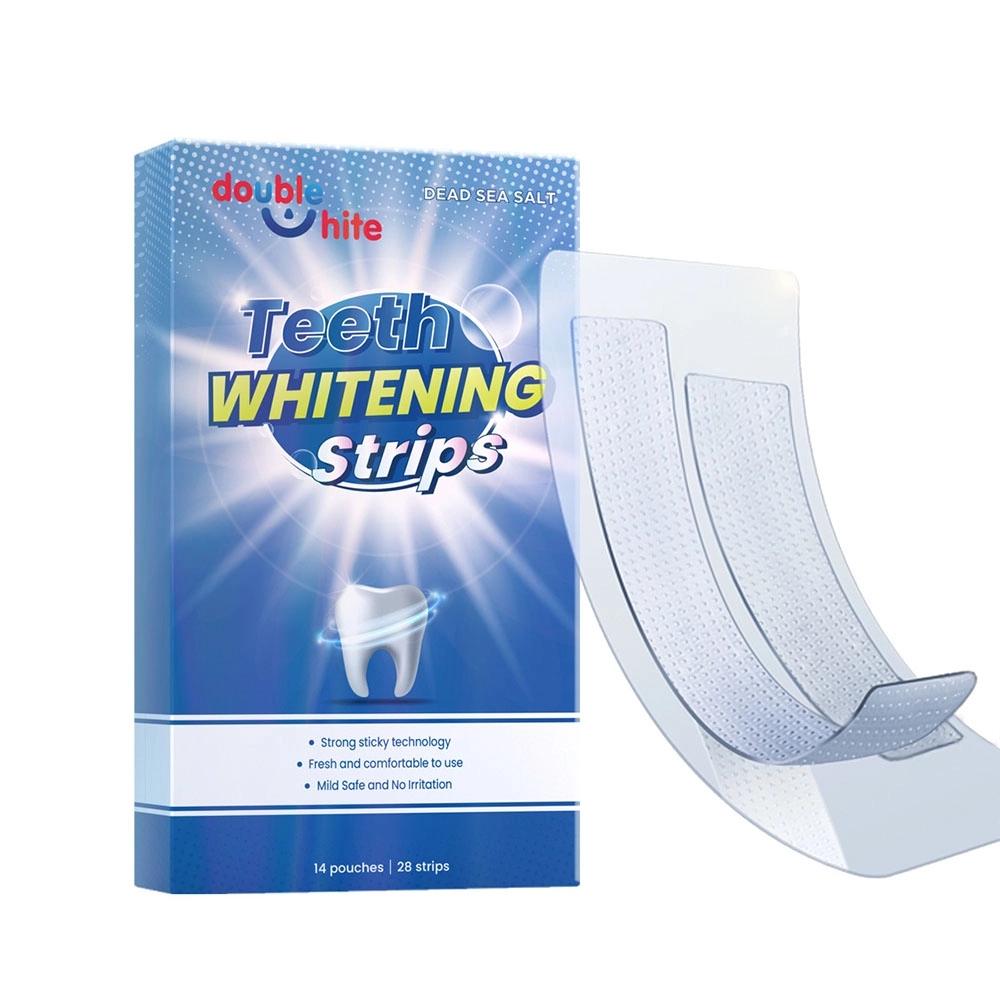
Dead Sea Salt Teeth Whitening Strips
Dead Sea Salt Teeth Whitening Strips - Natural Mineral Power for Whitening and Nurturing Teeth
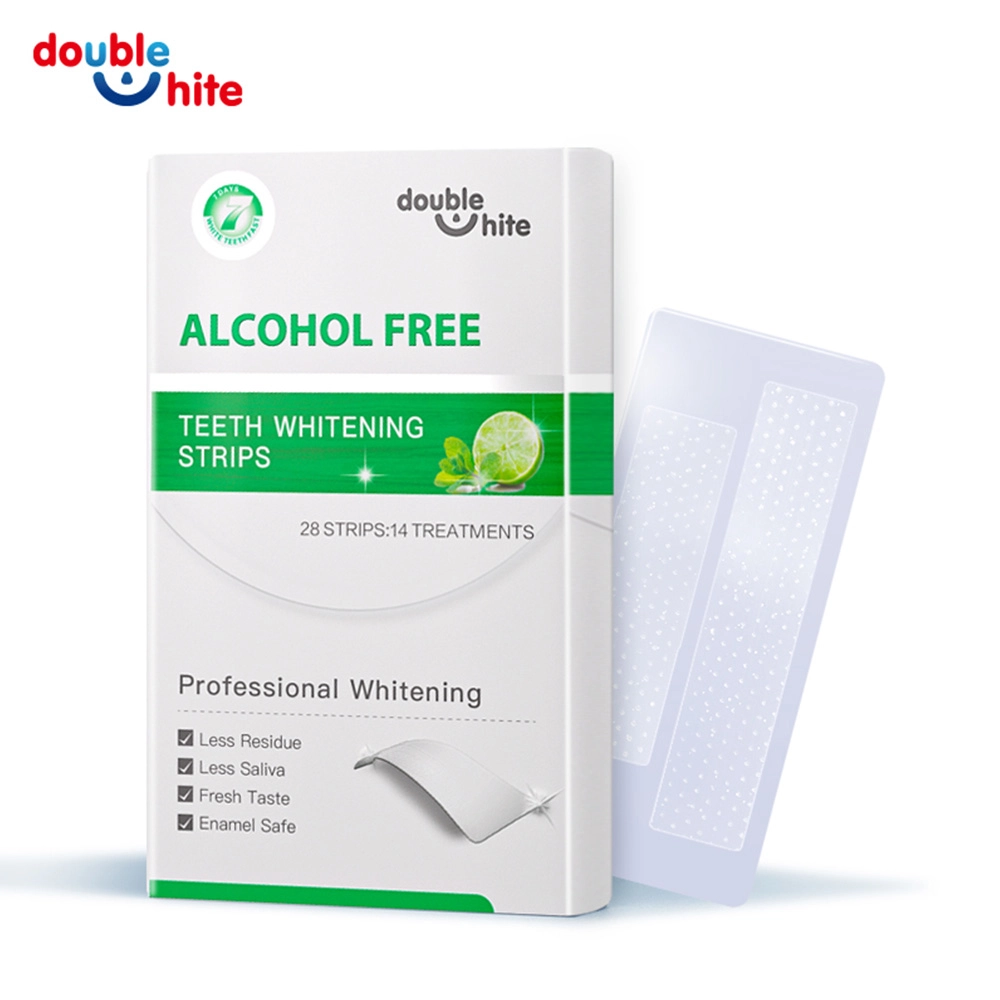
Sodium Chlorite Non-Alcohol Teeth Whitening Strips SCNA-02
SCNA-02 Sodium Chlorite Non-Alcohol Teeth Whitening Strips are designed for private label brands, wholesalers, salons, clinics, and e-commerce sellers seeking non-alcohol whitening products with flexible customization. This product uses sodium chlorite as the active ingredient and can be customized with private label packaging, logo printing, flavor options, formula positioning, sample support, and bulk production for different oral care markets.

Wholesale Sodium Chlorite Teeth Whitening Dry Strips for Private Label Brands
Wholesale Sodium Chlorite Teeth Whitening Dry Strips are designed for private label brands, wholesalers, distributors, salons, clinics, and e-commerce sellers seeking non-peroxide whitening strip products with stable adhesion, dry strip performance, and flexible customization. Double White supports custom flavor, private label packaging, logo printing, sample development, and bulk production for global oral care businesses.
Send us your inquiry
Reach out to us through the form below or via the contact information provided.
Our dedicated team is committed to providing prompt and personalized responses to all your queries.
Please fill out the fields above with your full name, email address, and comment.


Copyright © 2026 Double White All Rights Reserved. Designed by gooeyun
Whatsapp: +8615920313473
cndoublewhite
Doublewhite
doublewhite
cndoublewhite
cndoublewhite
Double White