


Purple teeth whitening strips can create two different user experiences, and private label buyers need to evaluate them separately. The violet pigment on the strip is associated with color correction: violet sits opposite yellow on the color wheel, so layering it over yellow-toned staining can visually shift the perceived shade. That effect is optical and temporary. Any longer-lasting whitening comes from a separate active ingredient in the finished formula, when present.
Color Correction
The violet pigment is positioned to create a temporary visual color-balancing effect.
Whitening Formula
Any longer-lasting whitening effect depends on the separate active system in the finished formula, when present.
Why Are Whitening Strips Purple? The Color Theory
Violet and yellow are complementary colors, meaning they sit opposite each other on the color wheel. When complementary colors are layered together, each one visually cancels part of the other, pulling the combined appearance toward neutral rather than toward either original hue. Applied to teeth, a thin violet pigment layered over yellow-based surface staining shifts the perceived tooth shade toward white before any chemical whitening has had time to act.
This is the same principle behind purple shampoo neutralizing brassy yellow tones in blonde or gray hair, and it predates the current whitening-strip category — violet color-correcting toothpaste has used the same mechanism for years. It is established optical science rather than a proprietary technology, which is worth knowing before writing product claims: the color-correction effect itself is not something a brand can own or patent, so the actual differentiation for a private label SKU comes from the whitening formula, strip quality, and consistency behind the pigment, not the color concept.
One limitation buyers should also build into their claims language and FAQ copy: violet pigment is primarily relevant to yellow-based discoloration. When underlying discoloration is predominantly gray, brown, or bluish, the visual effect may be more limited because there is less yellow tone for the pigment to visually balance.
Dye-Only vs. Dual-Action: The Formulation Split That Actually Matters
Purple whitening strips on the market fall into two formulation categories, and this is the primary product-selection axis for a private label buyer — more important than shade or packaging at the sourcing stage.
Getting this distinction right in sourcing prevents a downstream claims problem: a dye-only formula should not automatically be marketed with the same whitening language as a dual-action formula. Buyers should confirm which category a supplier's base formula falls into before packaging or claims work begins.
Active Ingredient Options for a Dual-Action Formula
If a buyer is sourcing a dual-action SKU, the active ingredient choice shapes formulation, claims, and target segment.
- Peroxide (hydrogen peroxide or carbamide peroxide): the established active for whitening strips, with a long efficacy track record but a known association with temporary sensitivity for some users, particularly at higher concentrations or longer wear times.
- PAP (phthalimidoperoxycaproic acid): a peroxide-free oxidizing agent positioned as a lower-sensitivity alternative, oxidizing stain molecules through a different reaction pathway than peroxide.
Many dual-action formulas also add hydroxyapatite (the mineral that makes up the bulk of tooth enamel) to support the enamel surface, and a desensitizing agent such as potassium nitrate or potassium citrate. Neither ingredient whitens on its own, but both affect comfort and course completion — a relevant differentiator when positioning a SKU toward a sensitivity-focused segment. For a full breakdown of how the two active systems compare on formulation and claims, see the PAP vs Hydrogen Peroxide Formula Guide.
What Should Buyers Evaluate in a Purple Whitening Strip Sample?
Once the formulation category is confirmed, a purple strip should be evaluated as a finished product, not as a color effect alone:
- Purple color consistency — does the shade hold steady across multiple strips from the same sample batch?
- Formula consistency — is the whitening gel uniform, with no separation or discoloration?
- Gel loading — is the gel distributed evenly across the active area of the strip?
- Strip material — does it handle and conform to teeth the way the target market expects?
- Adhesion — does the strip stay in position for the full wear time?
- Packaging — does the pouch seal and protect the strip through shipping and shelf storage?
- Sample consistency — do multiple units from the same batch behave the same way?
- Storage behavior — does color, formula, adhesion, or packaging change after a defined storage period?
For the broader finished-product evaluation framework beyond the purple-specific points above, see the Whitening Strip Quality Guide.
How to Evaluate Purple Color Consistency
Compare multiple strips from the same sample batch rather than judging a single strip in isolation. Check gel distribution and purple shade uniformity across the active area, and — where multiple production batches are available — compare them under consistent viewing conditions. Evaluate the finished, packaged product together, since a strip can look different once the formula is applied to the strip material and sealed inside the final pouch than it does as bulk gel.
Stability Evaluation
A purple strip should be evaluated in its finished configuration through a defined storage period, following this review chain:
Storage duration, conditions, and acceptance criteria should be defined for the actual product and target market rather than treated as a universal standard — a formula intended for a humid, high-temperature market needs a different storage test than one shipping to a temperate climate.
Comparing Samples Across Suppliers
When evaluating more than one supplier, apply the same specification and test conditions to every sample so the comparison is meaningful:
A simple pass/fail or 1–5 scoring scale works as long as it's applied consistently. The goal isn't to pick the supplier whose sample looks best out of the pouch — it's to identify the supplier and product configuration that most reliably match the approved specification, batch after batch.
Building a Private Label Purple Whitening Strip Product
A private label purple whitening strip project moves through a sequence, and each stage should be reviewed against the product specification before moving to the next:
For an existing product reference in this category, see Violet Purple Teeth Whitening Strips, which is positioned for wholesale and private label use with OEM/ODM and custom packaging support.
Violet Purple Teeth Whitening Strips
Use the product page as the primary transactional destination after reading the educational guide.
What to Confirm Before Ordering
FAQ
Why are some teeth whitening strips purple?
The violet color is part of a color-correction mechanism: violet sits opposite yellow on the color wheel, so it can visually balance yellow-based staining and create an immediate brighter appearance. Whether the strip also whitens depends on whether an active ingredient is formulated underneath the pigment.
Do purple whitening strips actually whiten teeth?
Dye-only strips create a temporary optical effect that fades as the pigment is removed and do not by themselves change the underlying tooth color. Dual-action strips combine the pigment with an active whitening ingredient such as peroxide or PAP, so any longer-lasting whitening effect comes from the formula rather than the pigment.
How long does the purple pigment effect last?
The visible effect is temporary and generally fades as the pigment is removed through saliva, eating, drinking, or brushing. Any longer-lasting whitening effect comes from a separate active ingredient in the finished formula, when present.
Can purple whitening strips fix gray or brown stains?
Purple color correction is primarily relevant to yellow-based discoloration. When underlying discoloration is predominantly gray, brown, or bluish, the visual effect may be more limited because there is less yellow tone for the pigment to visually balance.
What is the difference between purple whitening strips and regular whitening strips?
Purple strips add a color-correction component to the product, while conventional strips may rely mainly on the whitening formula. The actual difference depends on the finished formulation and product configuration.
What should a private label buyer confirm before ordering purple whitening strips?
Confirm whether the formula is dye-only or dual-action, which active ingredient is used if applicable, purple shade consistency, strip and packaging specifications, formula and packaging MOQ, the approved sample, and the documentation needed for the target market.
Share Your Purple Whitening Strip Requirements
Looking to develop a private label purple whitening strip? Share your target formula, strip format, packaging requirements, target market, and expected order quantity to discuss the appropriate product configuration and validation scope.
Share Your Purple Whitening Strip RequirementsPurple Violet Teeth Whitening U-Wraps for Private Label & Wholesale
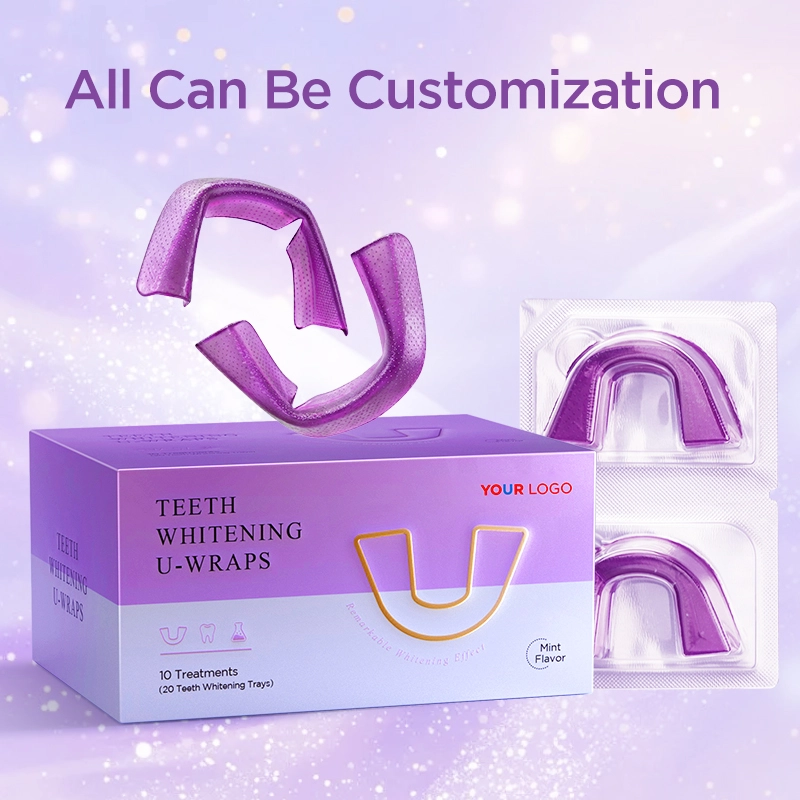
Purple Teeth Whitening U-Wraps: Private Label Sourcing Guide for Brands

Whitening Pen Applicator & Dispensing Guide: What Buyers Should Check Before Bulk Production
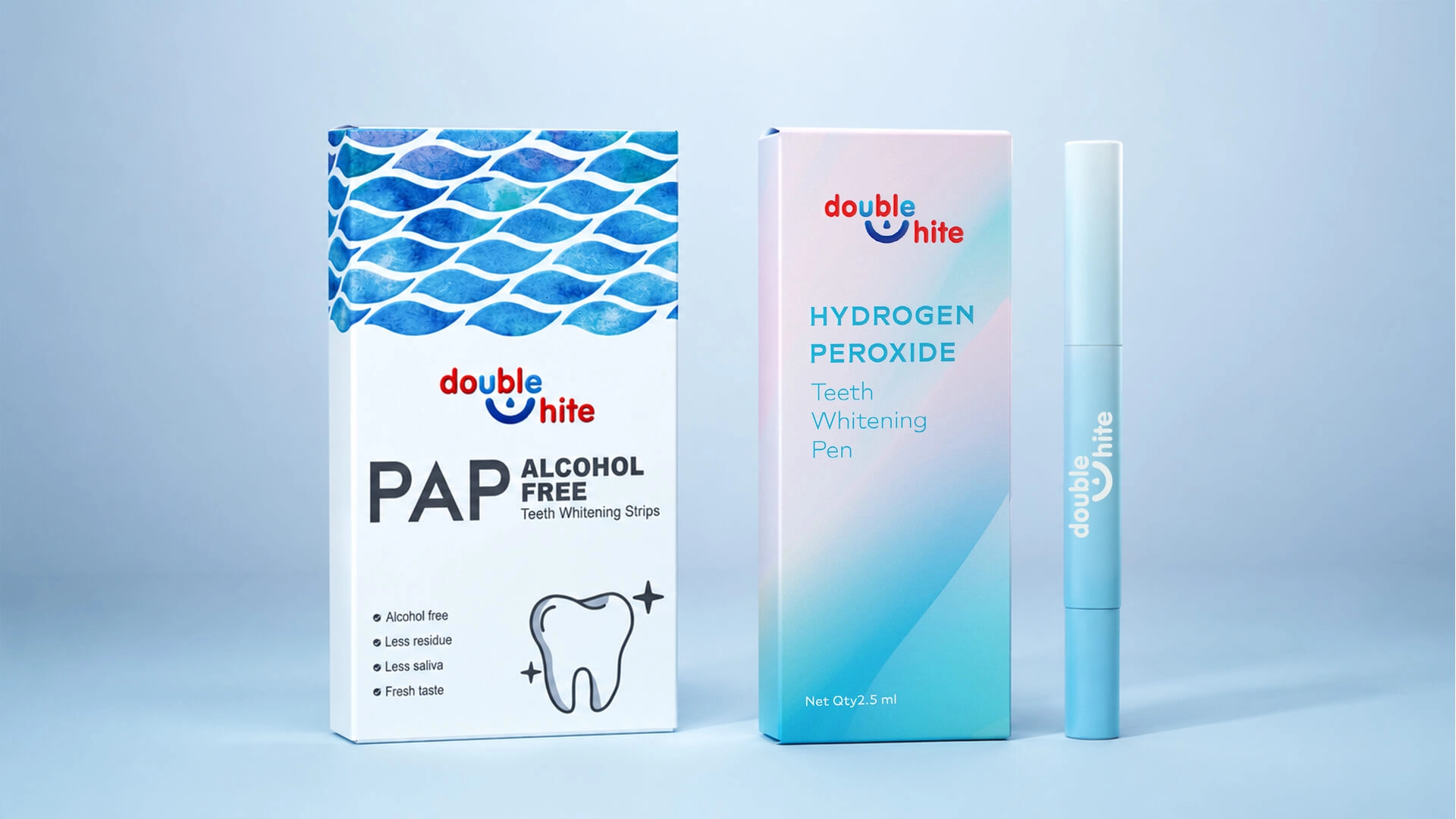
Whitening Pen Formula Stability: What Buyers Should Test Before Bulk Production
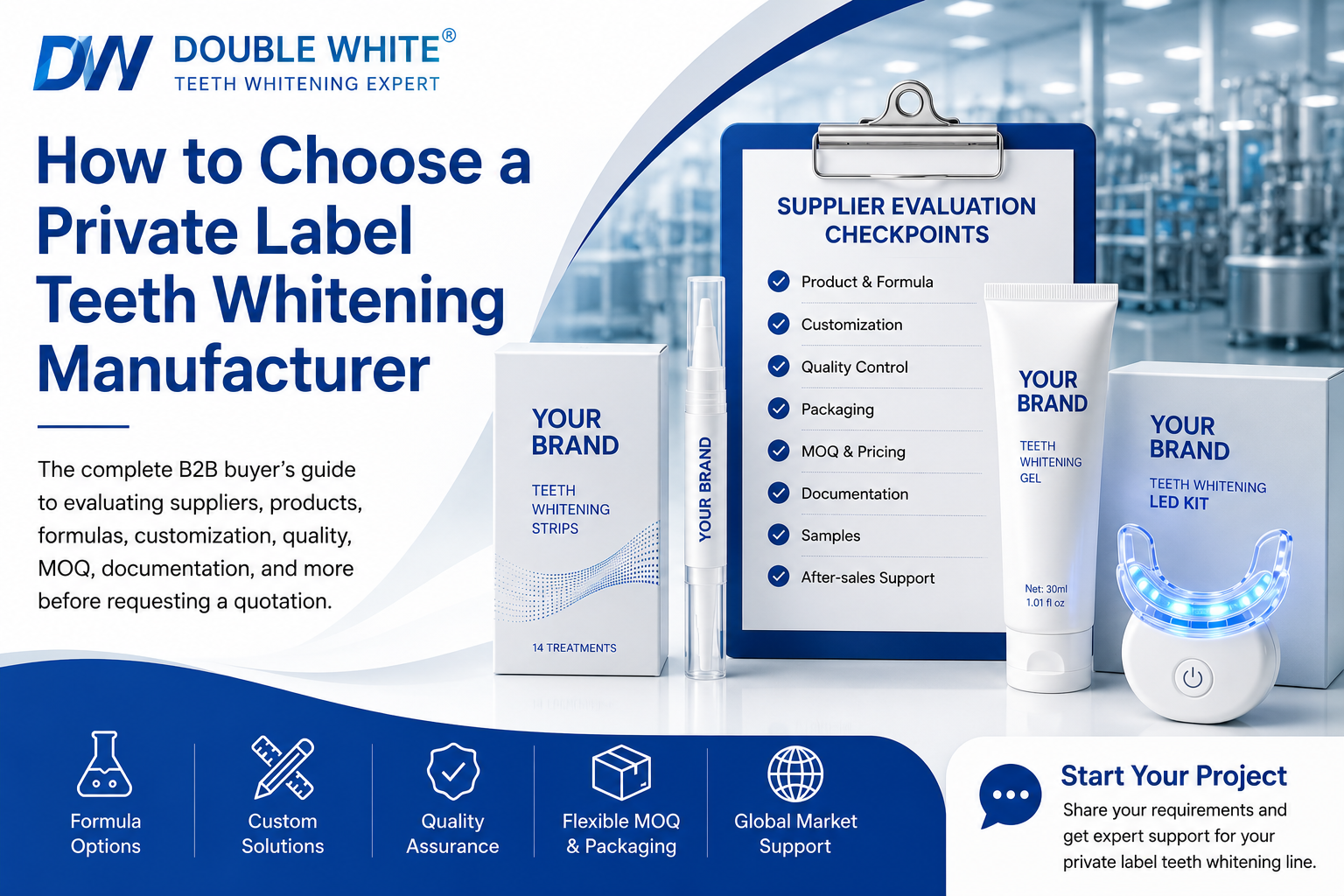
How to Choose a Private Label Teeth Whitening Manufacturer

Teeth Whitening Strips vs Gel Pens vs LED Kits: Product Line Planning Guide for Private Label Brands
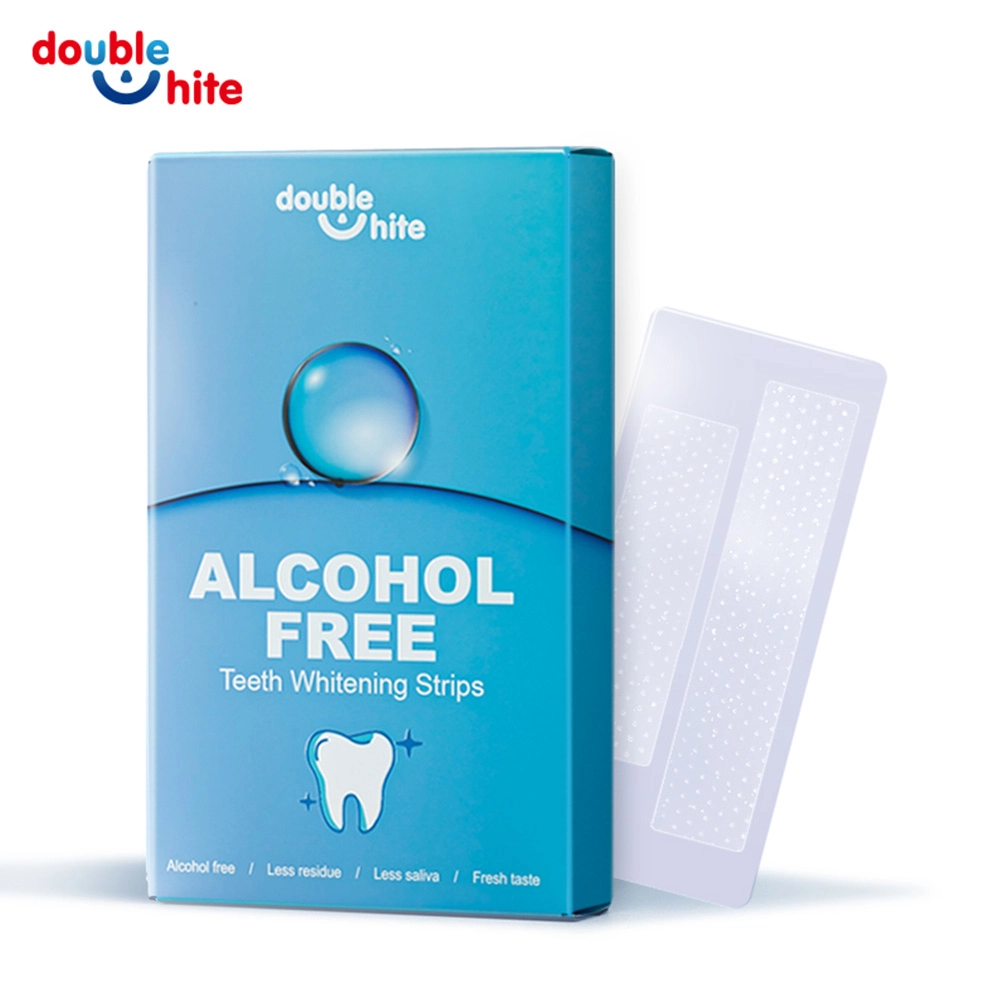
Sodium Chlorite Non-Alcohol Teeth Whitening Strips SCNA-01
SCNA-01 Sodium Chlorite Non-Alcohol Teeth Whitening Strips are designed for private label brands, wholesalers, salons, clinics, and e-commerce sellers seeking alcohol-free whitening strip solutions with flexible customization. This product uses sodium chlorite as the active ingredient and supports custom flavor, private label packaging, logo printing, sample development, and bulk production for different oral care markets.
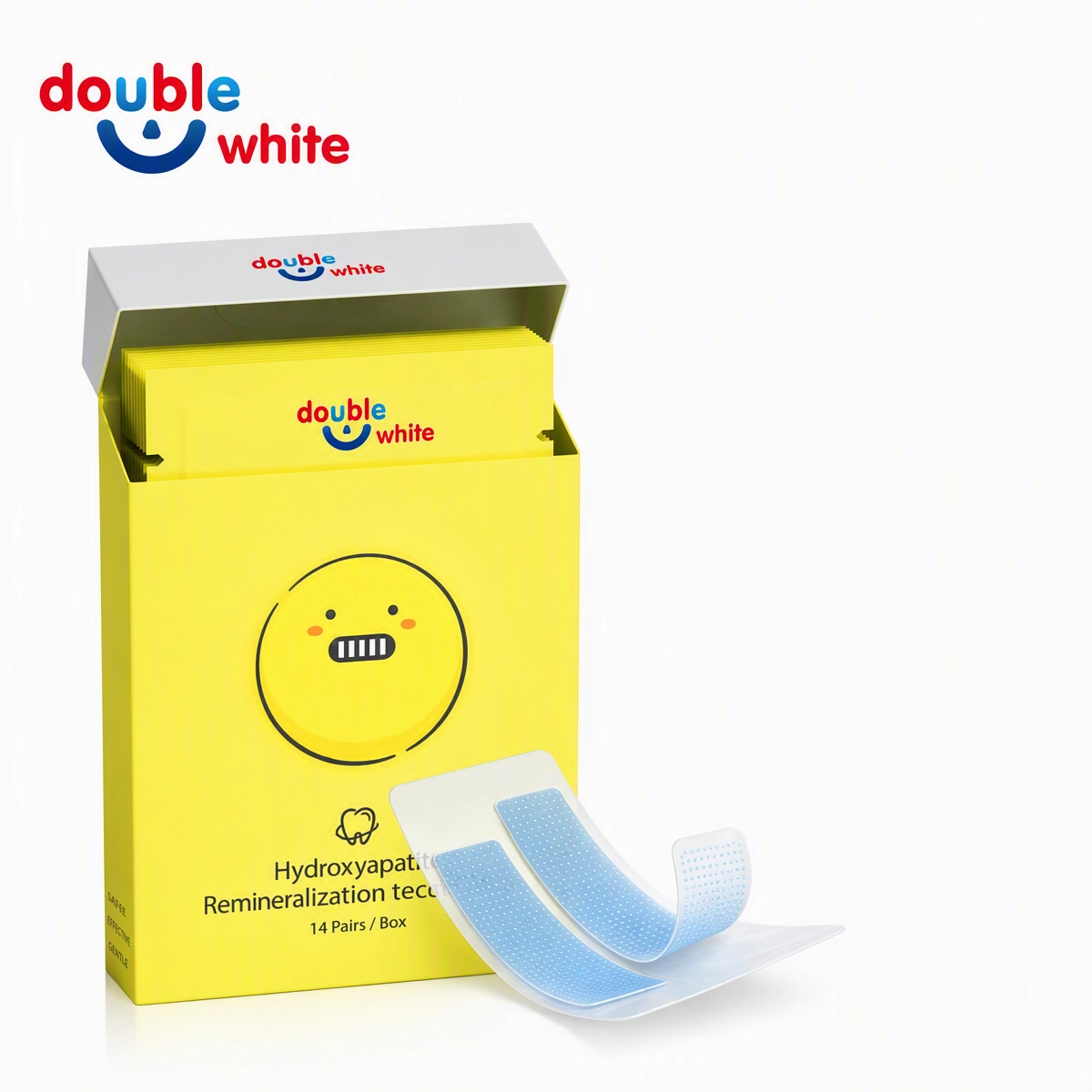
Hydroxyapatite Reminerallization Teeth Whitening Strips
These remineralizing teeth whitening strips lift stains and restore enamel. Formulated with medical-grade minerals, our enamel-repair hydroxyapatite whitening strips for sensitive teeth deliver certified, pain-free whitening without stripping protective tooth layers.

Dissolving Teeth Whitening Strips
Double White Dissolving Teeth Whitening Strips offer an easy, mess-free way to brighten your smile. These strips dissolve quickly, delivering effective whitening results without residue. Perfect for daily use, they ensure a confident, radiant smile in minutes. Try Double White today!
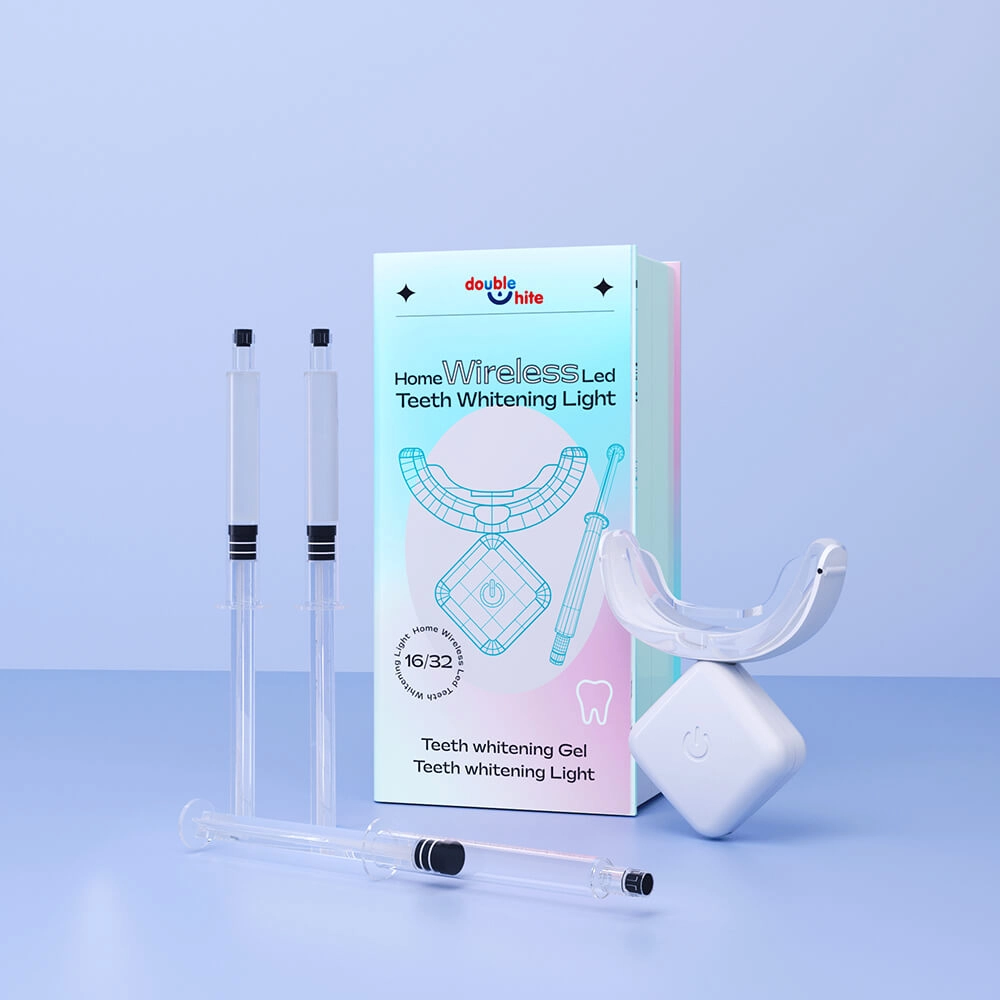
Teeth Whitening LED Home Kits
Achieve 8 shades whiter teeth in just one week, bidding farewell to stains from coffee, soda, wine, smoking, and sugary foods.Our formula gentle and effective, gluten-free, ensures that the achieved results are long-lasting.
Send us your inquiry
Reach out to us through the form below or via the contact information provided.
Our dedicated team is committed to providing prompt and personalized responses to all your queries.
Please fill out the fields above with your full name, email address, and comment.


Copyright © 2026 Double White All Rights Reserved. Designed by gooeyun
Whatsapp: +8615920313473
cndoublewhite
Doublewhite
doublewhite
cndoublewhite
cndoublewhite
Double White