







Teeth Whitening Strips Manufacturing Process: From Formulation to Finished Packaging
Understand the main stages of teeth whitening strips manufacturing and use practical buyer checkpoints to evaluate formulas, packaging, quality control, and supplier readiness.

- Quick Answer
- What Is the Teeth Whitening Strips Manufacturing Process?
- How Whitening Strips Work Before They Enter Production
- The Main Steps in a Teeth Whitening Strips Manufacturing Process
- Key Manufacturing Factors That Influence Product Quality
- Choosing Formulas and Formats for Different Markets
- Buyer Requirements to Confirm Before Production
- Application Scenarios for Different B2B Buyers
- How to Evaluate a Teeth Whitening Strips Supplier
- Common Buying Mistakes
- From Manufacturing Brief to Finished Product: Next Steps
- Conclusion and Next Steps
- Explore the Right Solution for Your Application
- Frequently Asked Questions
- References
For B2B buyers, the teeth whitening strips manufacturing process is a controlled production workflow—not simply the application of gel to film. It connects formula selection, raw-material verification, coating, drying or conditioning, film conversion, strip forming, packaging, inspection, and release. The correct sequence depends on the active formula, strip architecture, equipment, packaging system, target market, and required documentation.
Quick Answer
Teeth whitening strips typically move through seven stages: formula and raw-material preparation, mixing, coating, drying or conditioning, film conversion and forming, individual packaging, and final inspection and release. Buyers should check five areas before approval: market and formula fit, coating and dimensional consistency, packaging integrity, product-specific documentation, and the supplier’s MOQ, logistics, and fulfillment model.
What Is the Teeth Whitening Strips Manufacturing Process?
A practical definition for B2B buyers
Manufacturing converts an approved oral-care formula and suitable strip substrate into a consistent, packaged product. The process includes formulation review, incoming-material checks, mixing, active-layer application, conditioning, converting, packaging, inspection, and release.
This definition matters when comparing a teeth whitening strips factory. A supplier may be able to apply a formula, but the commercial product also depends on film compatibility, shape conversion, sachet protection, artwork control, traceability, and release records.
What the finished product must achieve
The finished strip should match the approved formula, dimensions, shape, packaging, labeling, and instructions. Its approved wear behavior should also be consistent with the selected architecture. For example, wet gel, dry gel, no-residue, and dissolvable formats require different expectations for handling, adhesion, rinsing, residue, or dissolution.
A useful acceptance specification covers formula identity, active-layer distribution, dimensions, shape, adhesion or dissolution where relevant, residue expectations, sachet sealing, artwork, batch identification, and release documentation. Appearance alone is not a sufficient quality standard.
How manufacturing affects product positioning
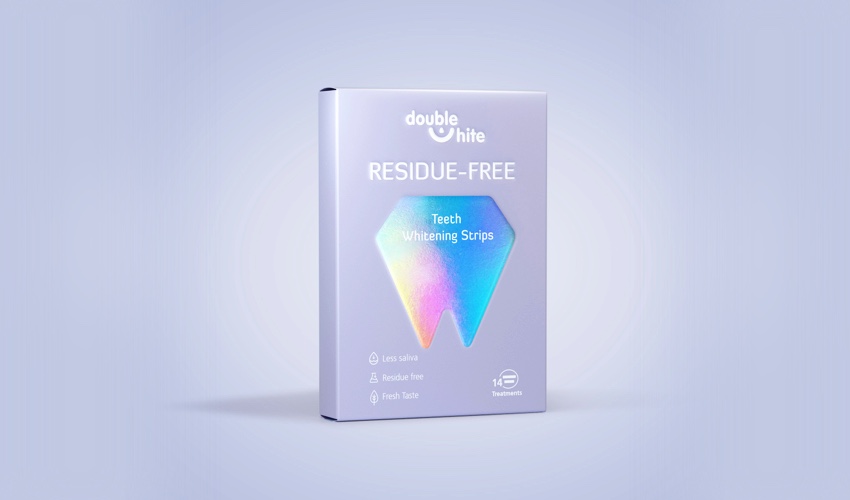
Manufacturing choices influence the customer experience and the product brief. Wet or dry formats may be considered for cost-sensitive market testing, while dissolvable, no-residue, alcohol-free, polymer-reduced, or U-shaped formats address different convenience, material, or fit requirements.
Changes such as a new strip shape, printed base film, colored top film, flavor, or active formula can affect coating, converting, packaging, instructions, and documentation. These combinations should be reviewed for technical feasibility before artwork and mass production are approved. Buyers who need a broader evaluation framework can also review these production and quality checkpoints.
How Whitening Strips Work Before They Enter Production
The active formula
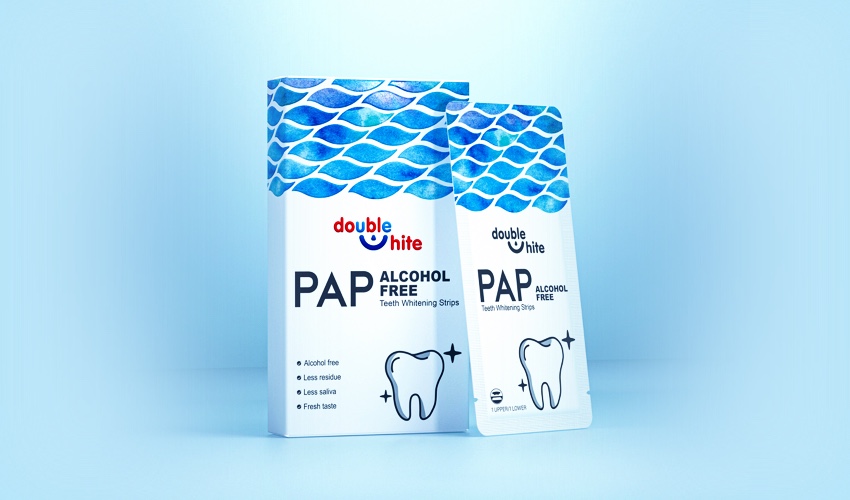
Hydrogen peroxide, sodium chlorite, and PAP are different formula categories. Each requires review of destination-market classification, permitted claims, documentation, user instructions, compatibility, and testing requirements. The ingredient name alone does not establish whether a product is suitable for a market.
Scientific background on dental bleaching agents can be reviewed through the National Center for Biotechnology Information PubMed Central database. Buyers should interpret research alongside the intended concentration, exposure conditions, product claims, packaging, and applicable market rules.
For a more focused formula discussion, see this guide to hydrogen peroxide, PAP, and sodium chlorite whitening strips.
Film, active layer, backing, and packaging
The film or substrate carries the active layer and affects flexibility, folding, forming, and contact with the teeth. Its surface properties must be compatible with the formula and any adhesive or backing layer. The protective backing should release appropriately during application while helping protect the product before use.
Formula, film, backing, active-layer distribution, and sachet construction should be evaluated as one product system. A formula that appears acceptable in a container may behave differently after coating, conditioning, storage, and contact with a specific substrate.
Why strip architecture matters
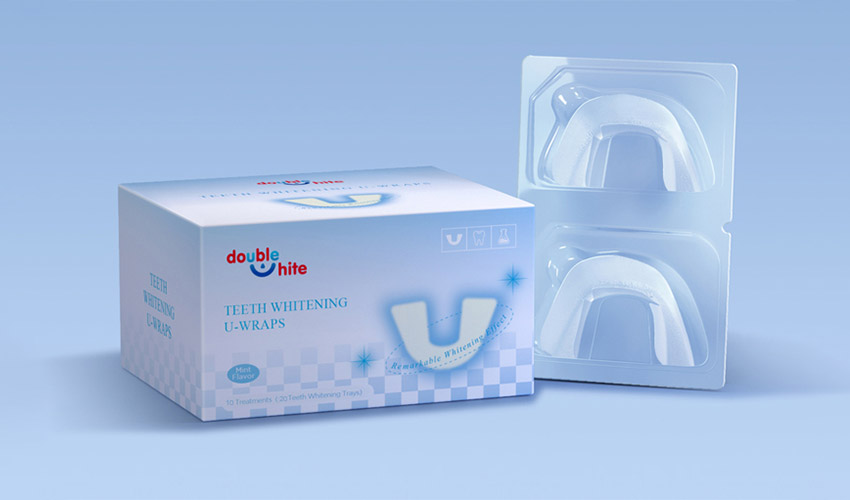
Wet gel strips retain a visibly wet layer and may require rinsing. Dry gel formats use a conditioned layer intended to improve handling. No-residue strips are designed around cleaner use, while dissolvable strips use a single-layer construction intended to dissolve during wear. Alcohol-free and polymer-reduced formats create additional material and sensory considerations. U-shaped strips require consistent forming and clear application instructions.
These formats are not interchangeable. Each can change the coating method, conditioning requirements, converting controls, packaging, instructions, and inspection criteria.
The Main Steps in a Teeth Whitening Strips Manufacturing Process
The sequence below describes typical production logic without disclosing confidential operating parameters. The supplier should define the applicable controls and acceptance criteria for the selected formula and architecture.
| Stage | Production activity | Buyer approval point |
|---|---|---|
| 1. Formula and materials | Review the formula brief and verify approved ingredients, film, backing, and packaging components. | Confirm identity, documentation, storage requirements, and target-market suitability. |
| 2. Mixing and pre-production | Handle and mix materials to create a consistent coating compound. | Review material traceability, line clearance, and recorded pre-production checks. |
| 3. Coating | Apply the active layer to the selected film or substrate. | Agree on uniformity, coverage, and compatibility criteria. |
| 4. Conditioning | Dry, cure, or otherwise condition the coated material according to its design. | Approve wear, residue, handling, or dissolution behavior using representative samples. |
| 5. Converting | Slit, die-cut, fold, shape, and separate upper and lower strips. | Check dimensions, edges, orientation, and shape consistency. |
| 6. Packaging | Seal strips in individual sachets and complete secondary packing. | Confirm barrier suitability, seal integrity, artwork, labeling, and coding. |
| 7. Release | Inspect finished goods and review batch and release documentation. | Confirm deviations, nonconforming-product handling, and shipment authorization. |
Steps 1–2: Formula preparation and mixing
Production starts with the approved formula brief, market requirements, and material list. Incoming active ingredients, film, backing materials, and packaging components should be identified and linked to the production batch. Mixing and pre-production checks should establish that materials are suitable for the intended coating and that the line is ready for the approved product.
The key buyer decision is whether the supplier can show material traceability and explain what happens when an input or mixture falls outside the approved requirement.
Steps 3–4: Coating and controlled conditioning
The active layer is applied to the selected substrate and then dried, cured, or conditioned. Uneven coating can affect product consistency, while unsuitable conditioning can change handling, residue, transfer, or dissolution behavior.
Rather than requesting confidential process settings, buyers can request the acceptance criteria, inspection method, representative samples, and evidence that the approved behavior is repeatable across the batch.
Step 5: Film conversion and strip forming
Conditioned material is converted into finished strips through processes such as slitting, die-cutting, folding, shaping, or separation into upper and lower pieces. Dimensional variation, rough edges, incorrect orientation, or inconsistent U-shapes can affect fit, application, and retail presentation.
For a custom shape, approve a production-intended sample and define the dimensional and visual characteristics that must remain unchanged during scale-up.
Step 6: Individual packaging and secondary packing
Individual sachets protect the strip from relevant environmental exposure and preserve product identification. Secondary packaging carries instructions, warnings, labeling, retail information, and shipment protection.
Packaging should be reviewed before formula approval is finalized. A change in sachet material, sealing structure, artwork, or shipment configuration can affect barrier expectations, labeling, quotation scope, and release checks.
Step 7: Inspection and release
Final release should connect the finished goods to the approved formula, batch, packaging, artwork, inspection results, and required product documentation. Buyers should ask how deviations are recorded, how nonconforming goods are segregated, and who authorizes release.
When comparing quotations, use the same formula, format, packaging, artwork scope, documentation, quantity, and delivery terms. A guide to MOQ and pricing considerations can help structure that comparison.
Key Manufacturing Factors That Influence Product Quality
Formula and substrate compatibility
Compatibility should be assessed after coating and conditioning, not only during formula development. Review whether the film supports uniform application, stable contact, the intended handling behavior, and the required packaging condition.
Coating uniformity and active distribution
Ask how coating consistency is monitored and whether inspection covers visible defects, dimensions, weight or coverage criteria where relevant, and batch repeatability. The correct test method depends on the strip architecture and should be agreed before production.
Adhesion, fit, residue, and wear
Adhesion should support stable application without creating unsuitable removal behavior. Fit depends on dimensions, flexibility, shape, and the intended tooth surface. No-residue, dissolvable, wet gel, and U-shaped products require different acceptance criteria and instructions.
Moisture, barrier protection, and sealing
Packaging must protect the approved product condition during storage and shipment. Review barrier material, sachet construction, seal quality, storage instructions, coding, and shipment configuration together. A visually attractive package does not replace barrier or seal verification.
Traceability and change control
Traceability should connect raw materials, production records, inspections, packaging, and shipment information. Change control should define when a new sample, quotation, document review, or approval is required. This is particularly important when changing film color, flavor, shape, sachet material, or artwork.
Choosing Formulas and Formats for Different Markets
The table below is a planning framework, not a regulatory determination. Destination-market rules, classification, claims, and documentation should be confirmed before finalizing the formula.
| Concept | Potential positioning or use consideration | Buyer questions |
|---|---|---|
| Hydrogen peroxide | Peroxide-based concept considered in several markets, subject to local requirements and concentration limits. | What classification, concentration, labeling, and safety documentation apply? |
| Sodium chlorite | Non-hydrogen-peroxide option considered in some regional strategies. | Is the formula accepted for the target market and supported by product-specific documents? |
| PAP | Peroxide-alternative concept requiring review of formula evidence, claims, and local requirements. | What testing, claim substantiation, and ingredient documentation are available? |
| Wet gel | Traditional wet layer; may suit market testing but can require rinsing and different handling. | How are slip, overflow, residue, and instructions controlled? |
| Dry gel | Conditioned gel format intended to improve handling compared with wet gel. | What wear, adhesion, and rinse expectations are approved? |
| No-residue | Designed around cleaner use and limited visible residue. | What acceptance criteria define residue and removal behavior? |
| Dissolvable | Single-layer concept intended to dissolve during wear. | What dissolution behavior and user instructions must be validated? |
| Alcohol-free | Alternative for projects with alcohol-related sensory, religious, or market preferences. | Is the formula and claim language suitable for the intended region? |
| Polymer-reduced or natural | May support material or vegan-oriented positioning, subject to defined material claims. | Which materials and claims are permitted, and how are they documented? |
| U-shaped | Shape-based concept intended to address coverage and fit considerations. | Can the supplier maintain shape, orientation, edge quality, and instructions? |
Regional preferences in the available market information include hydrogen peroxide concepts in North America, non-hydrogen-peroxide, sodium chlorite, or PAP concepts in some European projects, several formula categories in Australia, lower-concentration hydrogen peroxide alongside sodium chlorite and PAP in mainland China, and alcohol-free concepts for some Middle Eastern requirements. These are planning signals only. For North American projects, review current labeling, classification, and claim guidance from the U.S. Food and Drug Administration.
Buyer Requirements to Confirm Before Production
Technical and market brief
- Target countries, sales channels, and product classification.
- Formula category, concentration or specification, flavor, and sensory requirements.
- Strip format, dimensions, shape, upper/lower configuration, and expected wear behavior.
- Film, backing, base-film printing, colored top-film, and packaging requirements.
- Quantity, sampling requirements, repeat-order expectations, and delivery terms.
Packaging and documentation
- Individual sachet and secondary-pack format.
- Languages, claims, instructions, warnings, batch coding, and artwork ownership.
- Required ingredient information, safety assessments, material documents, test reports, and release records.
- Documents that are product-specific rather than only factory-level.
Approval and change control
Mark every specification as fixed, preferred, or open to recommendation. Approve the formula, coated strip, dimensions, packaging, labeling, and artwork in writing. Define which changes require a new sample, quotation, technical review, or market assessment.
Application Scenarios for Different B2B Buyers
- Startups and e-commerce brands: prioritize a clear formula-market brief, manageable packaging complexity, sample approval, and a quotation that separates formula, packaging, documentation, and logistics.
- Wholesalers and private-label brands: focus on repeatability, batch identification, artwork control, retail pack configuration, and repeat-order specifications.
- Clinics and dentists: confirm instructions, labeling, product documentation, formula suitability, and whether the proposed use requires additional professional or market review.
- Salons and training schools: assess ease of handling, packaging clarity, education materials, format consistency, and the intended customer-use instructions.
These scenarios do not replace a technical brief. They show why the same strip specification may not suit every sales channel.
How to Evaluate a Teeth Whitening Strips Supplier
Use evidence rather than general capability statements. The following scorecard can support supplier comparison.
| Evaluation area | Evidence to request |
|---|---|
| Process control | Incoming-material controls, coating and converting records, packaging inspection, batch traceability, and release criteria. |
| Product documentation | Current, product-specific formula documents, safety assessments, labeling support, applicable test reports, and market files. |
| Representative samples | Samples using the proposed formula, film, shape, packaging, artwork, and instructions—not a materially different stock product. |
| Change control | Written procedure for changes to formula, film, flavor, shape, sachet, artwork, or labeling after approval. |
| Commercial and logistics fit | Confirmed MOQ, quotation scope, DDP or DDU availability where relevant, shipment configuration, and fulfillment limitations. |
Information supplied for this project identifies Double White Medical Technology Development (Guangzhou) Co. LTD as operating since 1999, with a 30,000-square-meter Class 100,000 cleanroom facility, more than 300 employees, eight automated production lines, and a stated 1,000-box MOQ for customized packaging and formulation orders. It also identifies DDP and DDU delivery options and no overseas warehousing or dropshipping. These company-specific details should be confirmed against current documentation and the individual quotation before commitment.
The International Organization for Standardization cosmetics standards page provides useful context for reviewing GMP and quality-system expectations. A certificate name should not be treated as proof that every formula, format, market, or finished-product document is covered.
Common Buying Mistakes
- Comparing only the headline ingredient: review formula, film, format, instructions, packaging, documentation, and market requirements together.
- Approving a formula without a coated-strip sample: evaluate the actual formula-substrate-packaging system.
- Leaving packaging until the end: barrier, sealing, artwork, labeling, and shipment configuration can affect the production brief.
- Accepting vague quality claims: request records, criteria, samples, certificates, and product-specific reports.
- Ignoring the order model: confirm MOQ, delivery terms, warehousing, dropshipping limitations, documentation timing, and repeat-order controls.
From Manufacturing Brief to Finished Product: Next Steps
- Prepare the technical brief. State the target market, formula category, strip architecture, film, shape, packaging, channel, quantity, documents, and delivery requirements.
- Request samples and documents. Ask for a representative coated strip and packaging sample, plus applicable formula, safety, labeling, and testing documentation.
- Confirm specifications and commercial terms. Compare like-for-like quotations and confirm MOQ, packaging scope, artwork responsibility, logistics, and any limitations on the order model.
- Approve the final production package. Sign off on formula, dimensions, shape, artwork, packaging, instructions, acceptance criteria, inspection plan, and change-control requirements before production.
Conclusion and Next Steps
The most reliable purchasing decision is based on the complete product system rather than the active ingredient alone. Formula, film, coating, conditioning, shape, packaging, labeling, inspection, and release documentation must support the same market proposition.
A clear brief, representative sample, product-specific documentation, written approval, and evidence-based supplier review reduce avoidable manufacturing and commercialization risk.
Explore the Right Solution for Your Application
When requesting a production review, include your target countries, formula preference, strip format, packaging requirements, quantity, documentation needs, and delivery terms. These details allow the proposed product and commercial model to be evaluated against your application.
Frequently Asked Questions
References
Purple Violet Teeth Whitening U-Wraps for Private Label & Wholesale
Purple Teeth Whitening U-Wraps: Private Label Sourcing Guide for Brands
How Do Purple Teeth Whitening Strips Work? A Color-Correction Guide for Private Label Buyers

Whitening Pen Applicator & Dispensing Guide: What Buyers Should Check Before Bulk Production
Whitening Pen Formula Stability: What Buyers Should Test Before Bulk Production
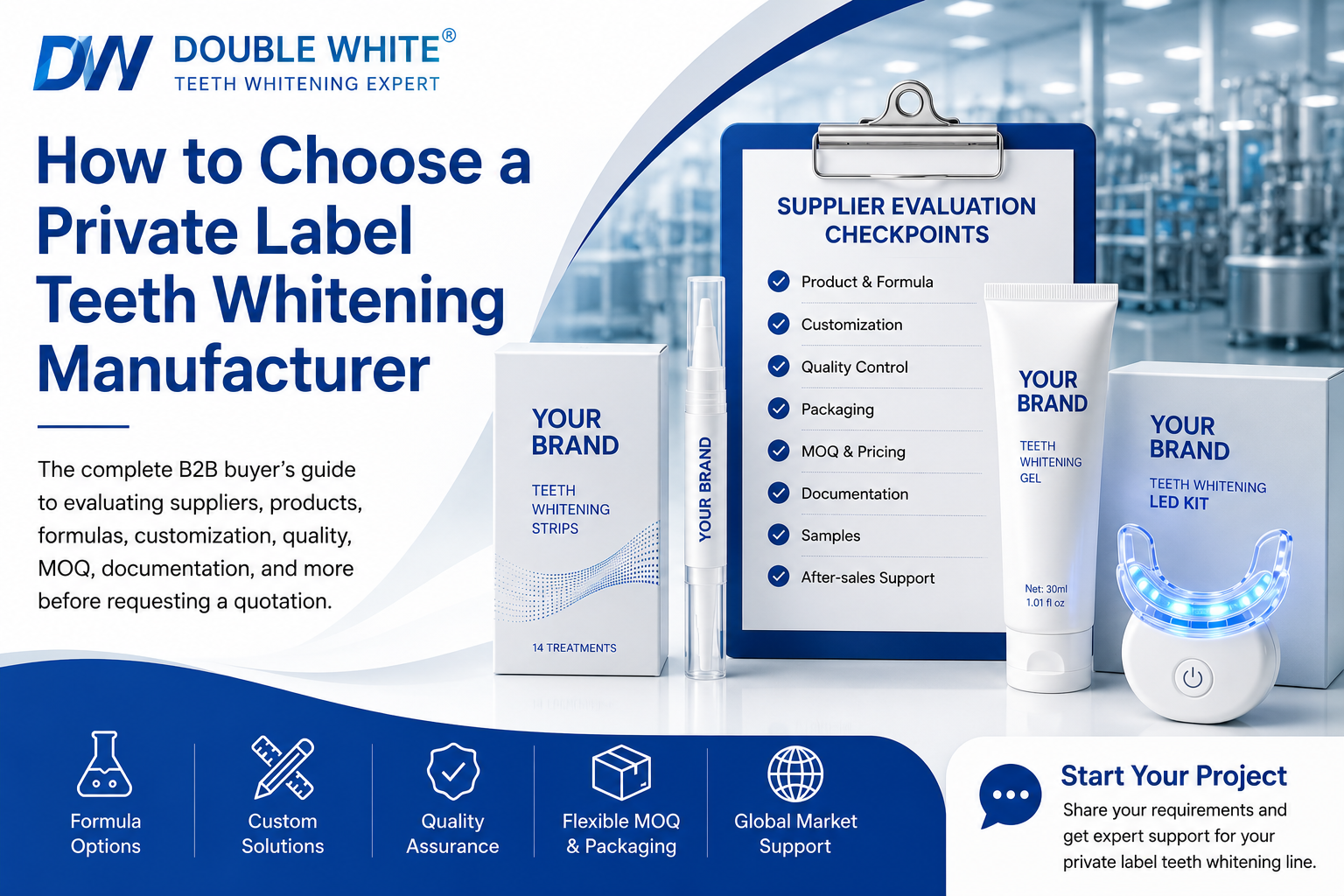
How to Choose a Private Label Teeth Whitening Manufacturer
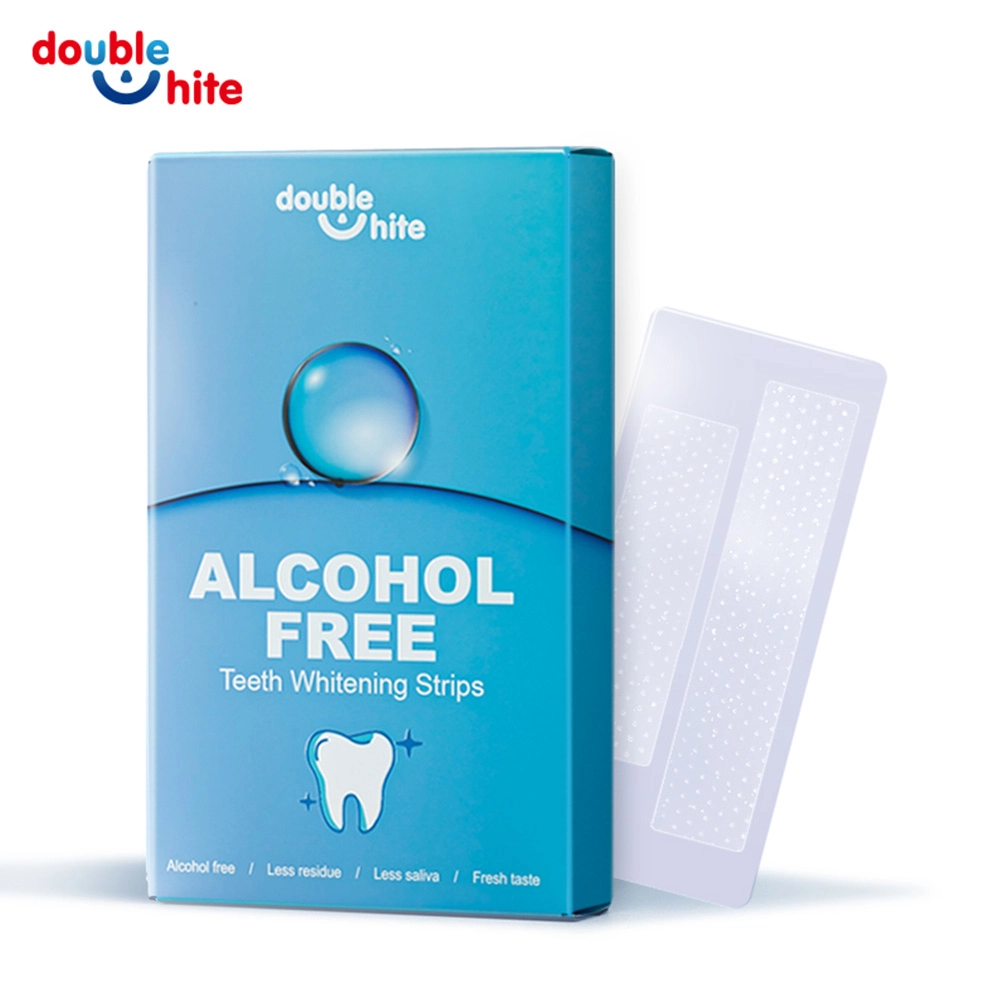
Sodium Chlorite Non-Alcohol Teeth Whitening Strips SCNA-01
SCNA-01 Sodium Chlorite Non-Alcohol Teeth Whitening Strips are designed for private label brands, wholesalers, salons, clinics, and e-commerce sellers seeking alcohol-free whitening strip solutions with flexible customization. This product uses sodium chlorite as the active ingredient and supports custom flavor, private label packaging, logo printing, sample development, and bulk production for different oral care markets.

Custom Mint Flavor Teeth Whitening Powder
Custom Mint Flavor Teeth Whitening Powder is designed for private label brands, wholesalers, salons, clinics, and e-commerce sellers seeking powder-based oral care products with flexible OEM/ODM customization. Double White supports custom formula positioning, mint or customized flavor, private label packaging, logo printing, sample development, and bulk production for different oral care markets.
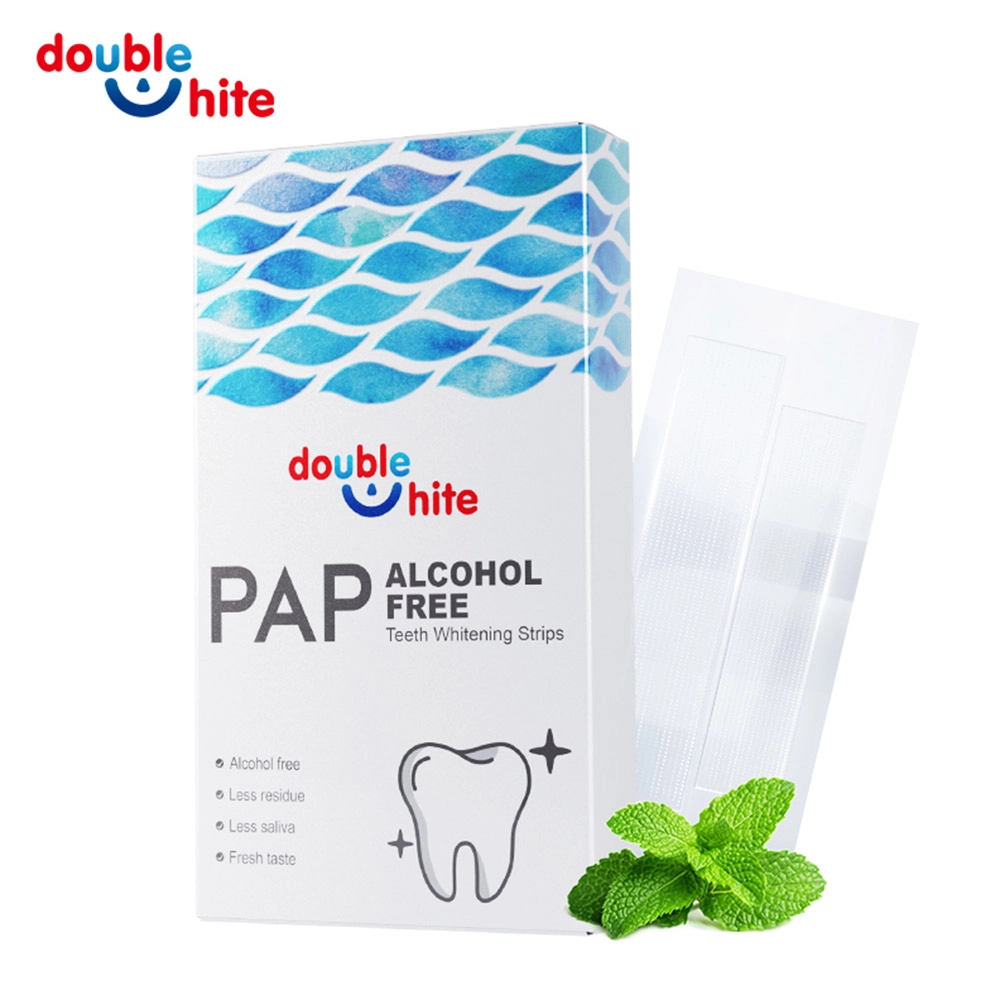
PAP Non-Alcohol teeth whitening strips OEM ODM PAPNA-01
PAPNA-01 PAP non-alcohol whitening strips for private label and wholesale projects. Review verified PAP formula, strip specification, packaging, treatment count, samples and relevant quality documentation. Sensitivity and performance claims require product-specific evidence.
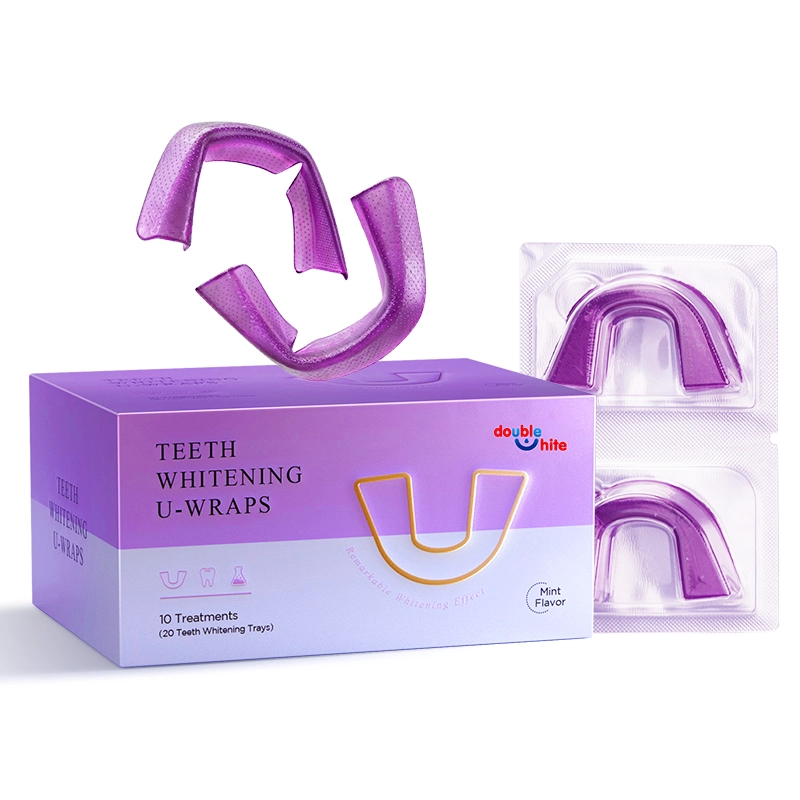
Purple Violet Teeth Whitening U-Wraps
Private label purple teeth whitening u wraps by Double White offer targeted stain removal with purple color corrector teeth whitening strips designed for effective, even whitening. These U-wraps fit comfortably and deliver consistent results for professional-grade teeth brightening.
Send us your inquiry
Reach out to us through the form below or via the contact information provided.
Our dedicated team is committed to providing prompt and personalized responses to all your queries.
Please fill out the fields above with your full name, email address, and comment.


Copyright © 2026 Double White All Rights Reserved. Designed by gooeyun
Whatsapp: +8615920313473
cndoublewhite
Doublewhite
doublewhite
cndoublewhite
cndoublewhite
Double White