






Teeth Whitening Strips Factory: Manufacturing, Formulas, Customization, and Supplier Selection
A practical B2B guide to teeth whitening strips factories, covering formulation choices, manufacturing stages, customization, market requirements, RFQ preparation, and supplier evaluation.

- Quick Answer
- What Does a Teeth Whitening Strips Factory Do?
- How Are Teeth Whitening Strips Made?
- Which Whitening Strip Formulation and Format Should a Brand Choose?
- What Can Buyers Customize?
- What Should Buyers Prepare Before Requesting a Quote?
- How to Evaluate a Reliable Teeth Whitening Strips Supplier
- Common Mistakes When Choosing a Factory
- Buyer Checklist and Next Steps for Selecting a Teeth Whitening Strips Factory
- Conclusion and Next Steps
- Explore the Right Solution for Your Application
- Frequently Asked Questions
- References
A teeth whitening strips factory is a manufacturer or manufacturing partner that turns a product brief into finished whitening strips, private-label products, or retail-ready kits. Depending on the project, its scope may include formula selection, film or substrate preparation, active-layer application, strip converting, drying or dissolving design, cutting, pairing, pouching, secondary packaging, quality checks, documentation, and fulfillment.
Quick Answer
For B2B buyers, a suitable teeth whitening strips factory should match the required active system, strip format, destination-market requirements, packaging configuration, order quantity, documentation, and delivery terms. Factory scope varies: a standard product, private-label order, OEM project, and ODM development project may involve very different levels of customization. Product availability alone does not prove that a supplier controls formulation, converting, quality release, or packaging in-house.
What Does a Teeth Whitening Strips Factory Do?
From product brief to finished product
A factory typically begins with either an existing product platform or a buyer-defined specification. The project is then translated into decisions about the active system, concentration range, film or dissolvable substrate, gel behavior, strip dimensions, wear format, packaging, labeling, and inspection requirements.
This matters because formula, film, geometry, packaging, and claims are connected. A change in the active system can affect stability, wear instructions, documentation, and market classification. A change in film or strip shape can affect adhesion, coverage, residue, dissolution, packaging fit, and production setup.
Buyers considering private label teeth whitening strips manufacturing should distinguish between a branded standard product and a genuinely customized product. A standard platform may shorten development work, while a customized formula or format may require additional samples, testing, documentation, and approval.
Factory, distributor, or trading company?
A distributor sells products made by another party. A trading company may coordinate several suppliers without controlling the formula, converting process, or batch release. A factory or manufacturing partner should be able to explain which steps it controls, which materials are used, how products are inspected, and who is responsible for nonconformities.
Ask whether the approved sample will use the same formula, film, packaging materials, and production method as the bulk order. Buyers comparing commercial offers should also separate product cost, packaging, testing, artwork, freight, and other charges. A dedicated teeth whitening strips factory MOQ and pricing review can help structure this comparison.
How Are Teeth Whitening Strips Made?
1. Formula and active-system selection
Manufacturing begins with the destination market, intended claims, target user, and product format. The active system influences ingredient review, concentration, wear instructions, packaging, and regulatory documentation. A standard workflow uses an approved formula and specification. A development workflow may include formula screening, sample revisions, artwork review, and formal approval before production.
2. Film or substrate preparation
The film or dissolvable substrate must be compatible with the selected gel system and intended wearing experience. It affects flexibility, handling, adhesion, tooth coverage, dissolution, residue, and packaging protection. The approved material should be identified in the product specification rather than treated as an interchangeable component.
3. Active-layer application and converting
The whitening layer is applied to the film or substrate at a controlled quantity and distribution. The coated material is then converted into upper and lower strips or a specialized geometry such as a U-shaped strip. Uneven application can affect product consistency, while poor cutting or edge control can affect fit, comfort, and coverage.
4. Drying, cutting, pairing, and packaging
Wet gel, dry gel, no-residue, and dissolvable formats require different process considerations. Drying must achieve the intended handling and adhesion characteristics without changing the approved product specification. Dissolvable strips require a substrate and layer structure that support the intended dissolution profile.
After converting, the factory pairs the strips and places them into pouches or other primary packaging. Cartons, inserts, kits, and retail packs are then completed. Packaging must protect the product from moisture, contamination, handling damage, sealing defects, and labeling errors. Buyers seeking more technical detail can review the custom teeth whitening strips manufacturer workflow.
5. In-process and finished-product checks
Depending on the product specification, controls may cover material identity, active-layer application, dimensions, appearance, quantity, pouch sealing, printing, and finished-pack configuration. The buyer should define acceptance criteria before bulk production and establish how the approved sample will be compared with production goods.
| Manufacturing stage | Buyer decision | Key evidence to review |
|---|---|---|
| Formula brief | Active system, concentration range, and intended claims | Ingredient information, product specification, market review, and supporting documents |
| Substrate and coating | Film, gel behavior, wear format, and residue target | Material identity, adhesion, dissolution, coverage, and approved sample |
| Converting | Shape, size, edge design, and pair configuration | Dimensions, fit, count, appearance, and packaging compatibility |
| Packaging and release | Pouch, carton, kit, label, and shipping configuration | Artwork approval, seal integrity, batch identification, inspection records, and release criteria |
Which Whitening Strip Formulation and Format Should a Brand Choose?
Hydrogen peroxide, sodium chlorite, and PAP
Hydrogen peroxide, sodium chlorite, and PAP are different active-system routes. None should be selected solely because it is popular or inexpensive. The decision should reflect the destination market, intended claims, customer positioning, concentration, packaging, comfort expectations, and available technical documentation.
| Active system | Planning consideration | Primary verification points |
|---|---|---|
| Hydrogen peroxide | Frequently considered for North American strategies; lower-concentration routes are also used in some other markets | Concentration, ingredient disclosure, claims, classification, safety documentation, and destination-market requirements |
| Sodium chlorite | Relevant to non-hydrogen-peroxide strategies and used in some regional product plans | Formula stability, intended use, claims, labeling, safety documents, and local regulatory status |
| PAP | Considered for peroxide-free or alternative active-system positioning in selected markets | Formula specification, substantiation, product claims, concentration, packaging compatibility, and market acceptance |
Project formulation guidance identifies peroxide-focused strategies in North America, non-peroxide and sodium chlorite options in some European strategies, and flexible use of sodium chlorite, PAP, and hydrogen peroxide in Australia. These are planning directions, not universal approvals. Concentration, ingredients, claims, intended use, and classification require project-specific review. The NCBI PubMed Central research database can support literature review, but general research access does not replace product-specific safety, labeling, or regulatory assessment.
Wet, dry, no-residue, and dissolvable formats
- Wet gel strips: May suit cost-sensitive market testing, but can require rinsing and may create movement or gel-overflow concerns.
- Dry gel strips: Use drying technology to support handling and adhesion; wear instructions and rinsing requirements still need validation.
- No-residue strips: Target a cleaner post-use experience and require control of gel quantity, film behavior, and surface residue.
- Dissolvable strips: Require a compatible single-layer or dissolvable structure and validation of the intended dissolution behavior.
These choices affect film selection, drying controls, pouch protection, instructions, claims, and packaging cost. For a deeper process comparison, see the teeth whitening strips manufacturing process.
Alcohol-free, polymer-reduced, and U-shaped designs
Alcohol-free strips may support specific consumer preferences or Halal-oriented product strategies, subject to appropriate substantiation. Polymer-reduced or natural formats require a precise definition of the materials reduced or replaced before vegan, natural, or polymer-free claims are used.
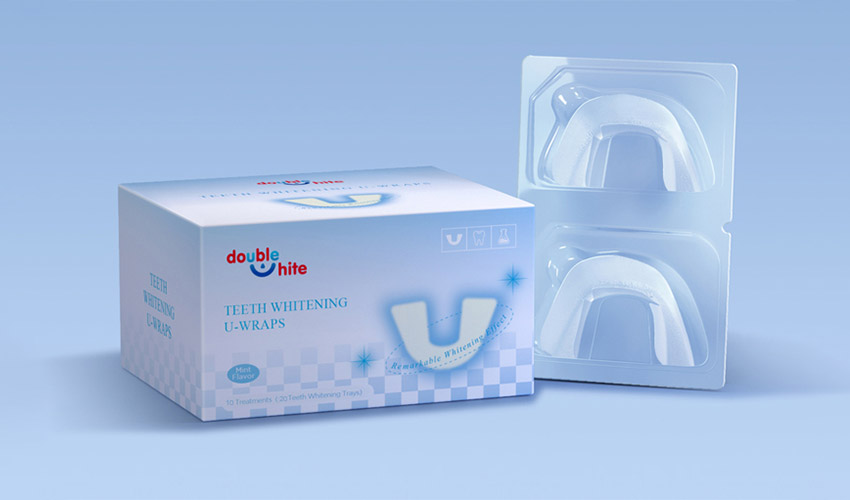
U-shaped strips are designed to cover front and back tooth surfaces and may be considered where tooth alignment or coverage is a concern. Samples should be evaluated for fit, coverage, edge quality, and converting consistency before the geometry is approved.
Specialized care-oriented strip concepts
A factory may also develop non-whitening oral strip concepts, such as hydroxyapatite remineralization strips, silicon-, calcium-, and phosphorus-based remineralization systems, hyaluronic-acid gum-protection strips without whitening ingredients, or colored top-film strips. These directions require separate product specifications, substantiation, claims review, and market assessment. A care strip should not be presented as a whitening product without appropriate support.
What Can Buyers Customize?
Customization may cover the active system, concentration range, strip length and width, upper-to-lower strip ratio, tooth coverage, edge shape, U-shaped geometry, film, gel quantity, residue, dissolution, wear time, packaging, and product assortment.
Packaging decisions include individual pouch construction, pairs per box, carton structure, inserts, barcode requirements, retail display format, and combinations with gel pens or LED home kits. Each change can affect testing, documentation, MOQ, production setup, artwork, and regulatory review.
OEM generally starts from buyer-defined specifications. ODM usually adapts an existing supplier platform to a buyer’s brand or market. Private label may use either a standard product or a customized formula and package. The parties should document formula ownership, artwork ownership, test-report access, change control, claims responsibility, and approval authority. Buyers comparing the two development models can review OEM and ODM manufacturing models.
For a formulation-focused comparison before sampling, see compare whitening strip formulations.
What Should Buyers Prepare Before Requesting a Quote?
A structured RFQ allows suppliers to quote comparable products rather than mixing stock items with fully customized projects. Include:
- Market: Destination countries, sales channels, language, product classification, and intended claims.
- Product: Target user, active system, concentration range if defined, strip format, wear time, and care or whitening positioning.
- Packaging: Pairs per box, cartons, pouch design, inserts, barcode requirements, kit components, and artwork status.
- Documentation: Product specification, ingredient information, safety documents, test reports, labeling support, batch records, and applicable certifications.
- Commercial scope: Initial quantity, forecast, replenishment expectations, quotation inclusions, and packaging status.
- Delivery: Shipping destination, preferred Incoterm, and whether DDP or DDU is required.
The supplied project information identifies 1,000 boxes as a stated MOQ for certain customized packaging and formulation orders. That figure is not a universal threshold and must be confirmed for the selected formula, packaging, and market. DDP and DDU may be available from some suppliers; overseas warehousing and dropshipping should not be assumed.
Use this factory supplier evaluation checklist to compare quotations on the same technical and commercial basis.
How to Evaluate a Reliable Teeth Whitening Strips Supplier
Minimum qualification criteria
- Can produce the required active system, format, packaging configuration, and order quantity.
- Can identify in-house and outsourced manufacturing steps.
- Provides a written product specification linked to the approved sample.
- Explains material control, batch traceability, inspection points, and release records.
- Can support the documentation required for the intended market without treating general certificates as product approval.
- Confirms MOQ, quotation inclusions, delivery terms, and replenishment conditions for the specific project.
Quality and compliance evidence
Ask for current documents that identify the relevant facility, product, scope, and validity. The supplied company information lists factory-level certifications or systems including ISO 22716, GMPC, FDA, ISO 13485, SMETA 4P, and BSCI, as well as product-level access to documents such as CE, CPSR, MSDS, Halal, Vegan, and TRA. These should be checked directly for the product and destination market.
The ISO cosmetics standards resource provides a useful reference point for cosmetics-sector standards and good manufacturing practice frameworks. For North American projects, the FDA cosmetics guidance and regulation resource should be consulted for applicable product, safety, and labeling obligations. Neither source by itself proves that a particular product or facility satisfies every market requirement.
Supplier profile example
Double White Medical Technology Development (Guangzhou) Co. LTD states that it has operated since 1999, uses a 30,000-square-meter Class 100,000 cleanroom facility, employs more than 300 people, and operates eight automated production lines. Supplied capacity information lists up to 320,000 pairs of whitening strips per day, 10,000 whitening kits per day, and 15,000 whitening pens per day. These are supplier-provided planning figures, not a substitute for confirming product-specific capacity allocation, production scheduling, or quality evidence.
Questions before approval
- Which steps are completed in-house, and which are outsourced?
- Will bulk production use the same formula, film, and packaging materials as the approved sample?
- What are the inspection criteria for coating, dimensions, adhesion, residue, dissolution, seals, printing, and quantity?
- How are batch numbers and production records maintained?
- Which documents apply to the selected product and destination market?
- Who owns and approves the formula specification, artwork, claims, and regulatory files?
- What are the confirmed MOQ, quotation inclusions, Incoterm, and replenishment conditions?
Common Mistakes When Choosing a Factory
Comparing only unit price
A low unit price may exclude printed packaging, testing, artwork adaptation, freight, setup, or documentation. Compare itemized quotations with the same formula, strip count, packaging level, quantity, and delivery term.
Choosing a formula before checking the market
An active system or concentration that fits one market may require different review elsewhere. Confirm the intended claims, ingredients, classification, and labeling route before approving samples.
Treating samples as proof of bulk consistency
A sample shows a product direction, not automatically a controlled production result. Approve a written specification, retain a reference sample, define acceptance criteria, and establish how bulk goods will be inspected.
Ignoring packaging and claims
Incorrect language, ingredients, directions, warnings, lot information, shelf-life statements, or claims can make otherwise usable strips difficult to sell. Review artwork and regulatory responsibility before printing.
Assuming MOQ, lead time, or logistics
MOQ, production timing, freight responsibility, and replenishment conditions depend on the formula, packaging, quantity, and destination. Require project-specific confirmation rather than relying on a general statement.
Buyer Checklist and Next Steps for Selecting a Teeth Whitening Strips Factory
- Define the product brief. Record target markets, sales channel, customer, active system, format, claims, packaging, quantity, required documents, and delivery destination.
- Shortlist compatible factories. Remove suppliers that cannot support the required formula, format, documentation, quantity, or commercial model.
- Compare samples and evidence. Evaluate adhesion, residue, dissolution, coverage, comfort, packaging, labeling, specifications, and supporting documents together.
- Confirm commercial terms. Compare itemized pricing, MOQ, packaging inclusions, testing, freight, Incoterm, delivery responsibility, and replenishment conditions.
- Approve the production specification. Sign off on formula, film, dimensions, packaging, artwork, claims, inspection criteria, batch identification, and change-control responsibilities before bulk production.
The strongest supplier shortlist is not necessarily the one with the lowest quoted unit cost. It is the one that provides a credible match between formulation, engineering, compliance, quality evidence, order size, communication, and fulfillment requirements.
Conclusion and Next Steps
A teeth whitening strips factory should be evaluated as a manufacturing and product-development partner rather than simply as a source of ready-made strips. Define the market first, select the active system and format second, approve the technical and packaging specification third, and compare suppliers using documented quality, compliance, MOQ, scalability, and delivery criteria.
Explore the Right Solution for Your Application
Prepare your destination markets, target customer, active-system preference, strip format, packaging configuration, expected quantity, documentation needs, and delivery destination. This information helps determine whether a standard product, private-label route, OEM specification, ODM adaptation, or sample comparison is appropriate.
Frequently Asked Questions
References
Purple Violet Teeth Whitening U-Wraps for Private Label & Wholesale
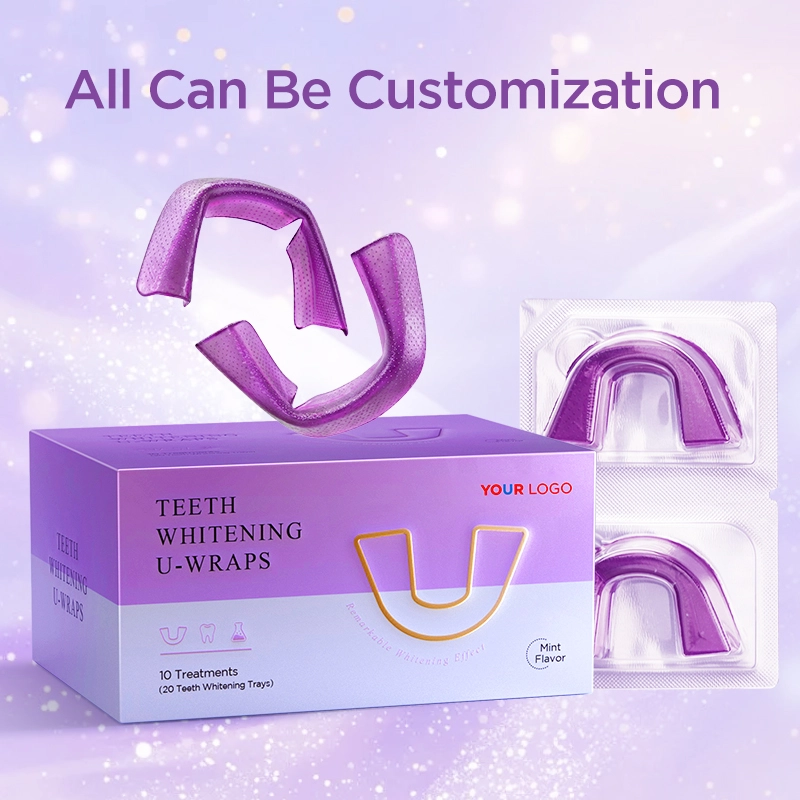
Purple Teeth Whitening U-Wraps: Private Label Sourcing Guide for Brands
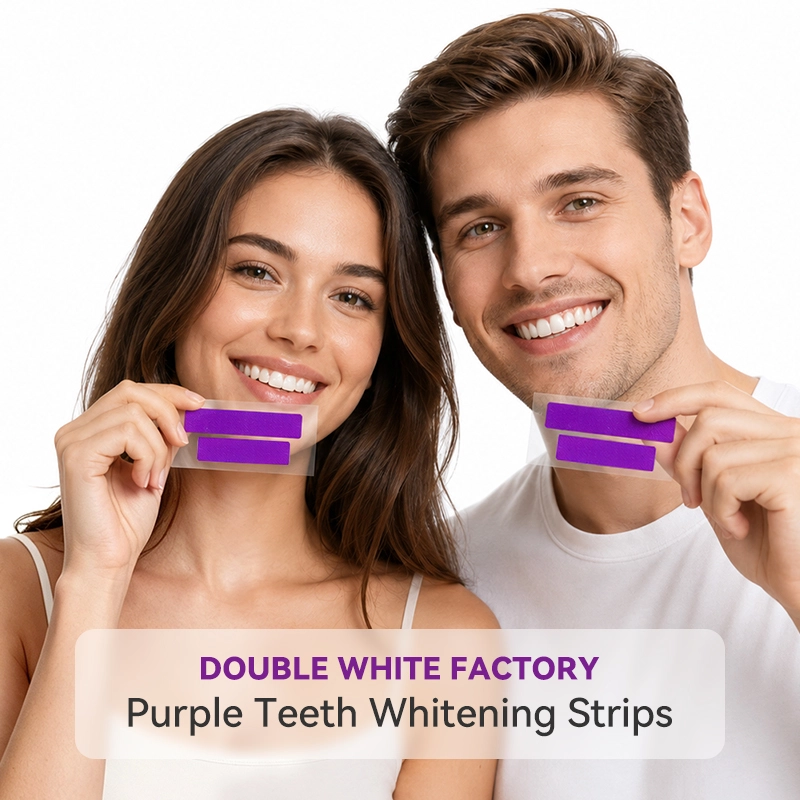
How Do Purple Teeth Whitening Strips Work? A Color-Correction Guide for Private Label Buyers

Whitening Pen Applicator & Dispensing Guide: What Buyers Should Check Before Bulk Production
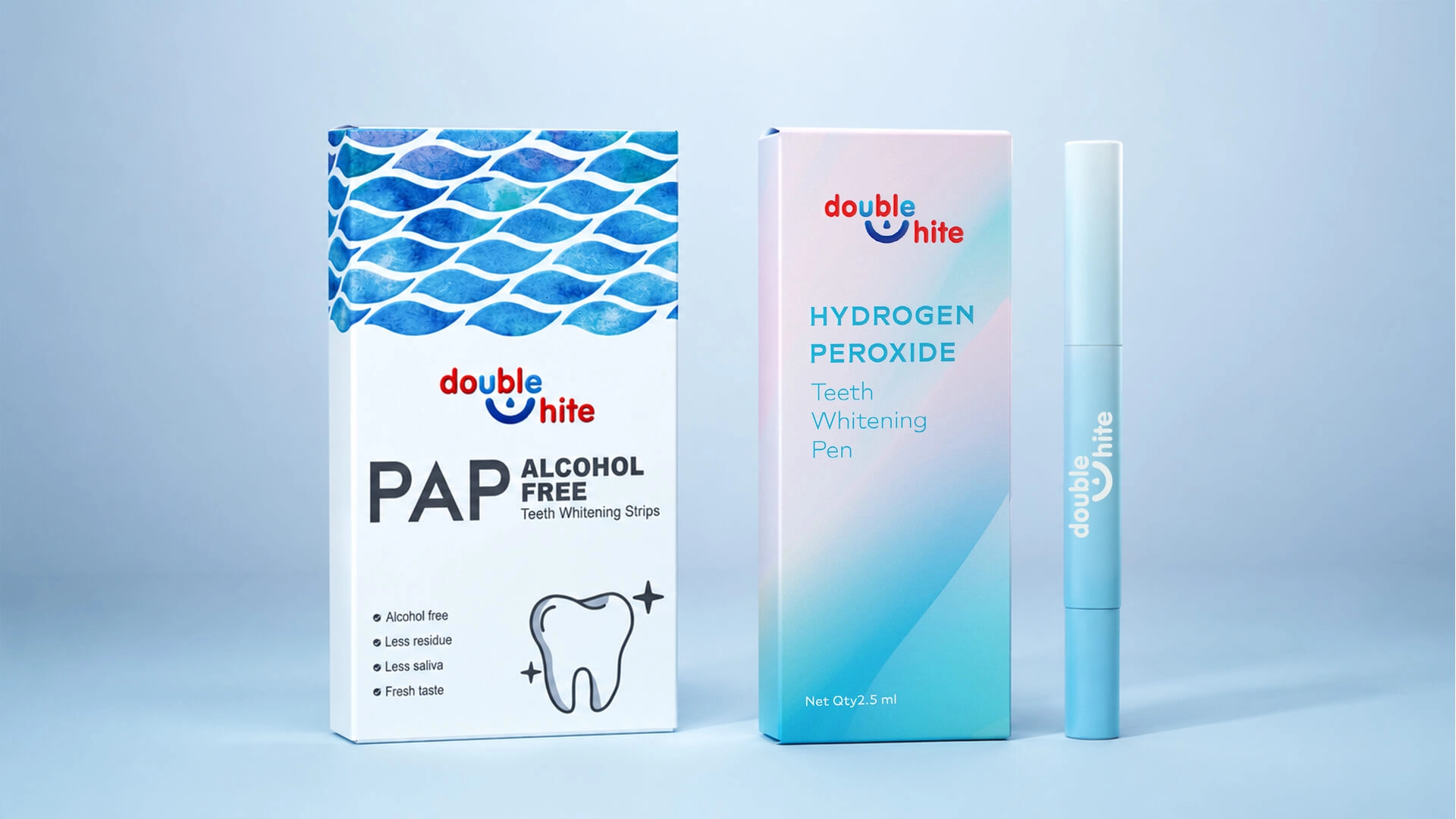
Whitening Pen Formula Stability: What Buyers Should Test Before Bulk Production
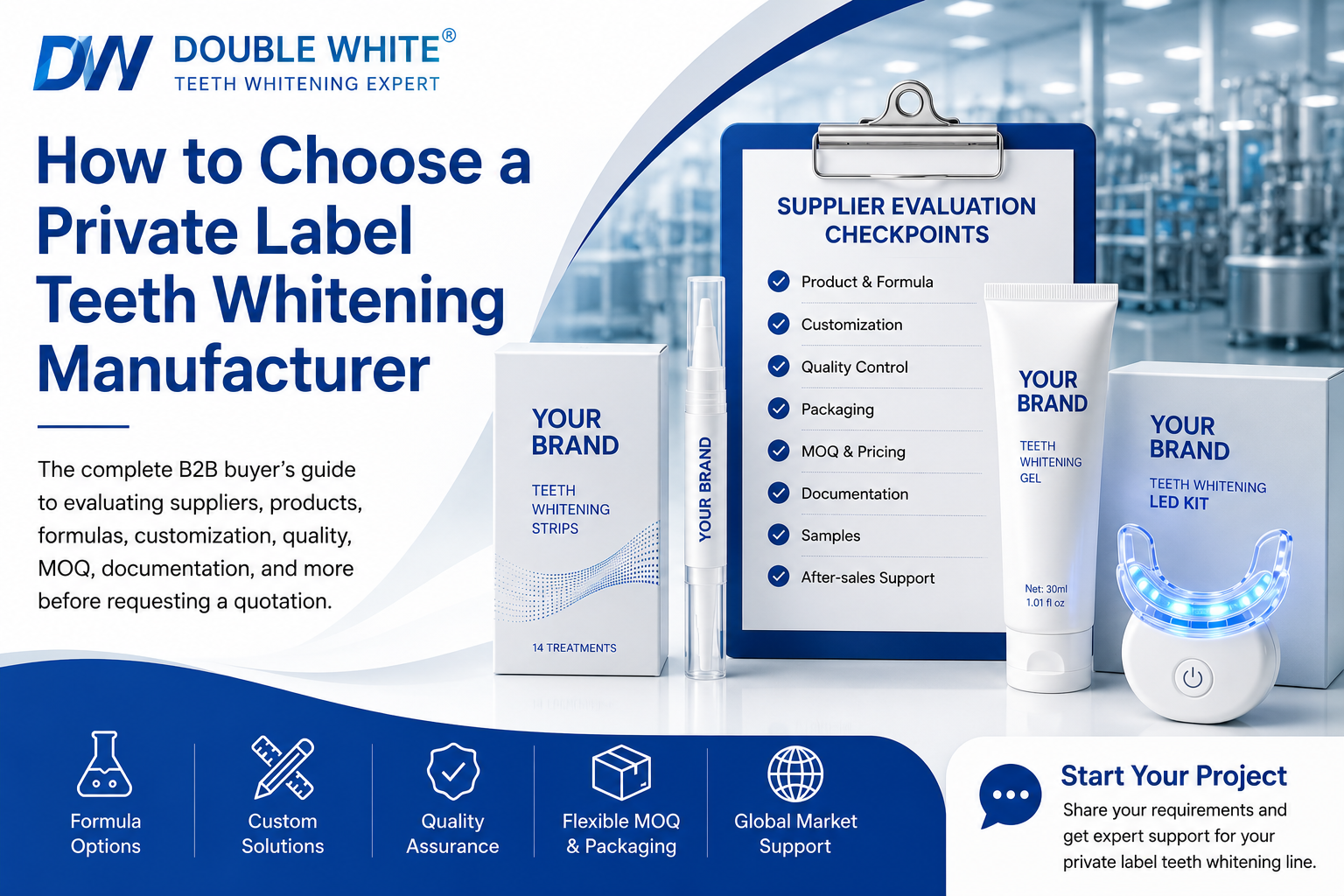
How to Choose a Private Label Teeth Whitening Manufacturer
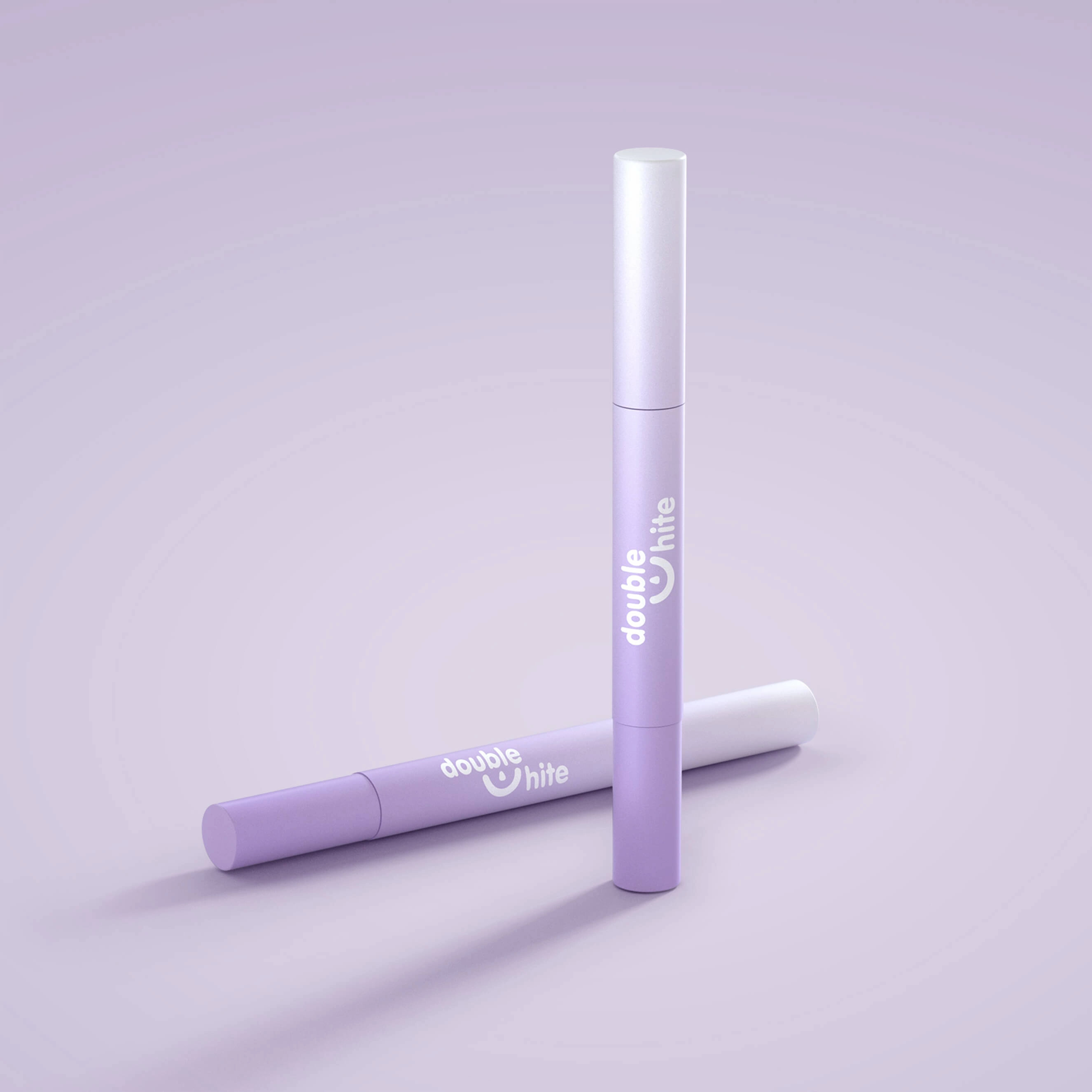
Customized Teeth Whitening Gel Pen HP01
Hydrogen Peroxide Gel Pen (HP01) for OEM and private label sourcing. Review the verified hydrogen peroxide formula, dispensing system, sample specifications, packaging, quality documentation and destination-market requirements. No universal safety or performance claims are implied.
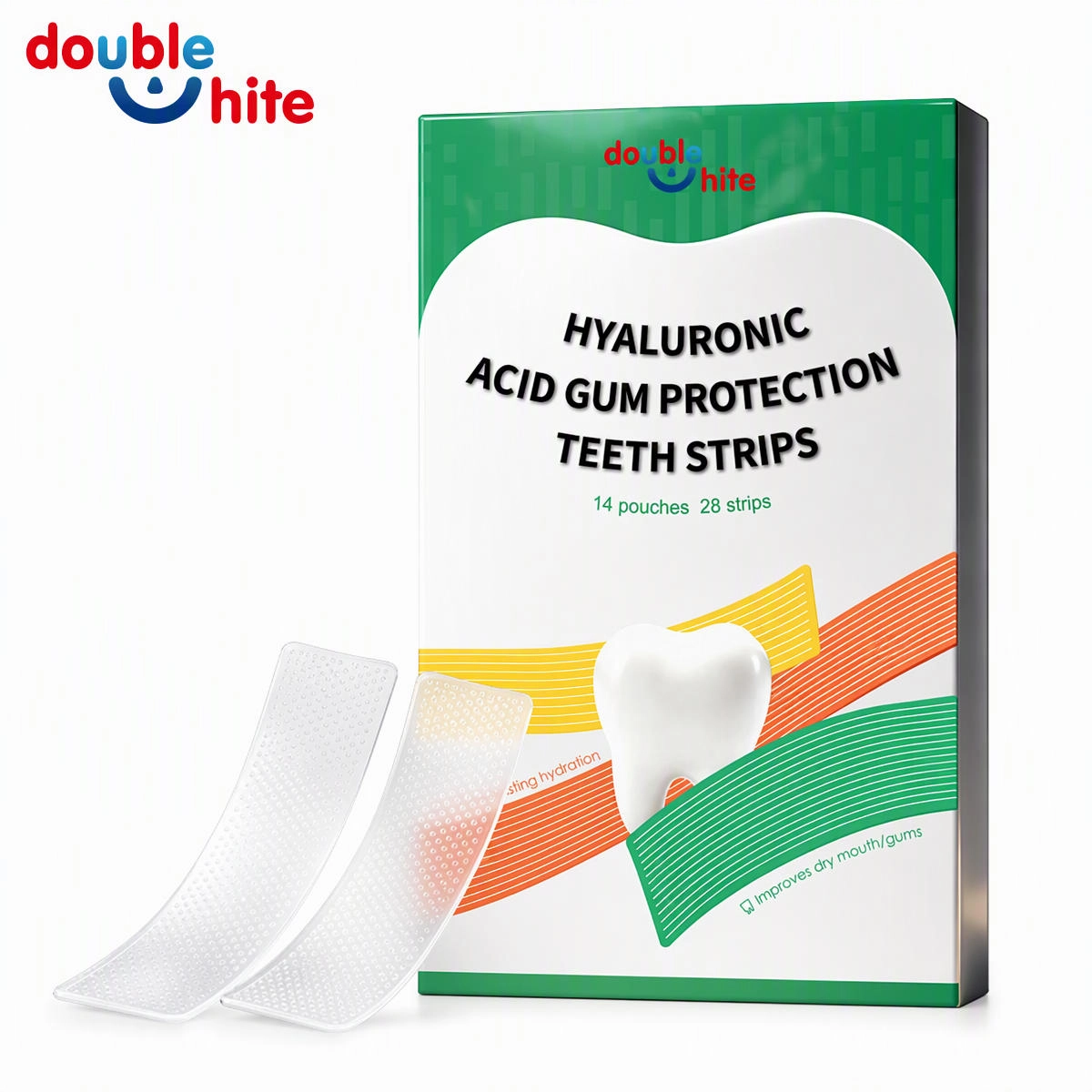
Hyaluronic Acid Gum Protection Teeth Care Strips
Hyaluronic Acid Gum Care Strips are designed for convenient daily care of teeth and gums. Use these Gum Health Care Strips as part of your oral-care routine for targeted teeth and gum protection.
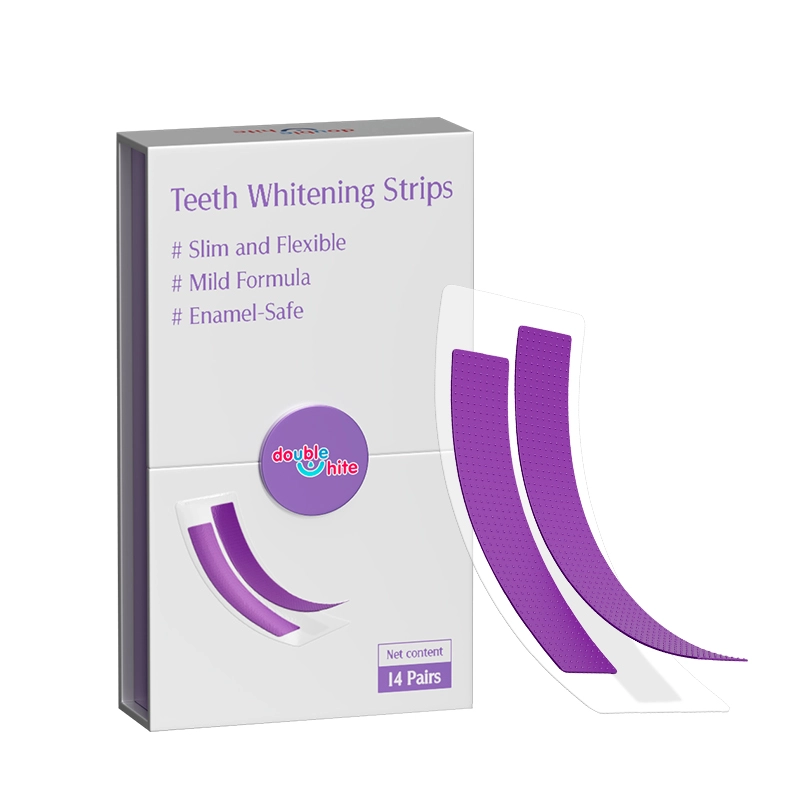
Violet Purple Teeth Whitening Strips
Violet Purple Teeth Whitening Strips for color-correcting product concepts and private label packaging. The product record lists hydrogen peroxide, but exact formulation and violet-pigment product mechanism require verification before confirming category assignment or whitening claims.
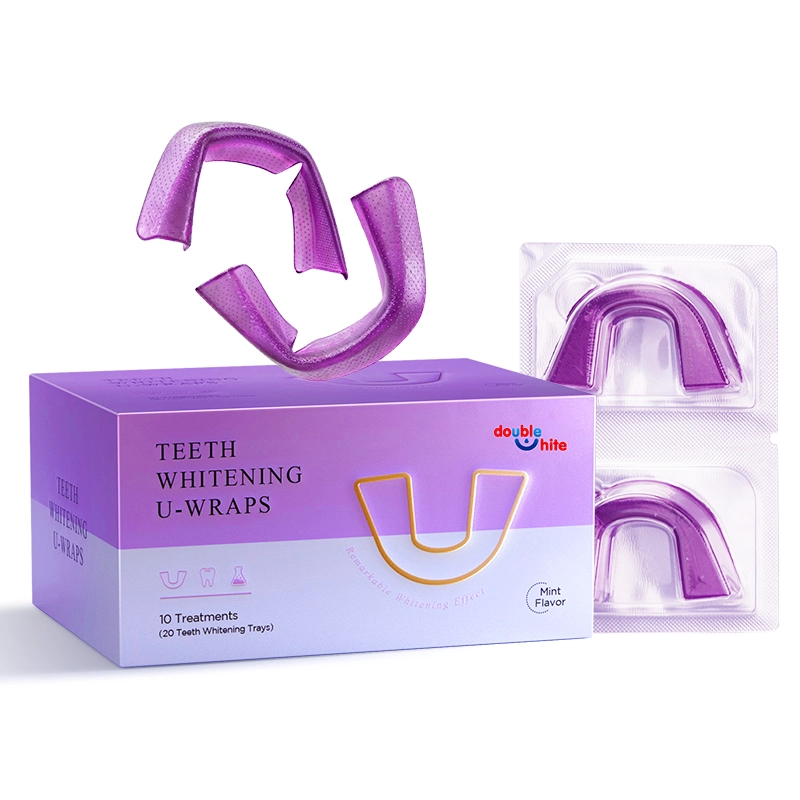
Purple Violet Teeth Whitening U-Wraps
Private label purple teeth whitening u wraps by Double White offer targeted stain removal with purple color corrector teeth whitening strips designed for effective, even whitening. These U-wraps fit comfortably and deliver consistent results for professional-grade teeth brightening.
Send us your inquiry
Reach out to us through the form below or via the contact information provided.
Our dedicated team is committed to providing prompt and personalized responses to all your queries.
Please fill out the fields above with your full name, email address, and comment.


Copyright © 2026 Double White All Rights Reserved. Designed by gooeyun
Whatsapp: +8615920313473
cndoublewhite
Doublewhite
doublewhite
cndoublewhite
cndoublewhite
Double White