






How to Evaluate a Teeth Whitening Strips Factory: Supplier Checklist for Global Brands
Learn how to compare teeth whitening strips factories using a practical checklist covering formulas, quality controls, compliance documents, samples, packaging, MOQ, logistics, and supplier communication.

- Quick Answer: What Should You Check in a Teeth Whitening Strips Factory?
- Application Requirements and Common Buyer Pain Points
- Recommended Product and Process Fit
- Design and Specification Considerations
- Match the Supplier to Your Market and Channel
- Buyer RFQ and Supplier Approval Checklist
- How to Evaluate Supplier Fit Before Approval
- Common Risks and Decision Process
- Conclusion and Next Steps
- Share Your Application Scenario
- Frequently Asked Questions
- References
Choosing a teeth whitening strips factory is a technical and commercial qualification exercise, not simply a price comparison. The right supplier must match your active system, destination market, strip format, packaging plan, documentation needs, order volume, and fulfillment model.
Quick Answer: What Should You Check in a Teeth Whitening Strips Factory?
A suitable factory should demonstrate product-formula fit, documented quality processes, relevant market compliance support, repeatable sample quality, packaging control, realistic MOQ and logistics terms, and clear communication. Buyers should verify important claims through current factory information, product documents, representative samples, and written commercial terms before approval.
For more context on this related topic, see custom teeth whitening strips manufacturer.
For more context on this related topic, see teeth whitening strips factory MOQ and pricing.
Before requesting quotes, define the target market, active ingredient, intended claims, strip format, packaging configuration, expected quantity, destination, and required documents. Compare suppliers against the same written brief. A lower quote may exclude formulation work, artwork, testing, documentation, special packaging, inspection, or shipping responsibilities.
- Confirm who actually manufactures the product and who controls quality release.
- Compare hydrogen peroxide, sodium chlorite, and PAP against the intended market and product positioning.
- Link samples to written specifications and a bulk-production approval process.
- Check packaging scope, MOQ, Incoterms, payment terms, and change-control rules.
- Use a weighted scorecard and define disqualifying gaps before placing an order.
For broader manufacturing and supplier-selection context, see the teeth whitening strips factory guide. This article focuses on evidence-based qualification.
Application Requirements and Common Buyer Pain Points
The same teeth whitening strips supplier may be suitable for an established brand but unsuitable for a startup, clinic, or online seller. The application determines the acceptable formula, documentation level, packaging complexity, order structure, and fulfillment model.
| Buyer type | Typical application requirement | Questions to resolve with the supplier |
|---|---|---|
| Startups and online brands | Controlled initial investment, retail-ready packaging, clear instructions, and manageable SKU complexity | What is the MOQ by formula, packaging type, and SKU? Which artwork, documentation, and testing costs are included? |
| Wholesalers | Repeatable specifications, carton information, replenishment planning, and transport documentation | How will formula, film, packaging, and artwork consistency be maintained across repeat orders? |
| Salons and training schools | Simple handling, understandable wear instructions, and staff education materials | Are usage steps, storage requirements, and user precautions clearly documented? |
| Dentists and clinics | Defined product classification, safety information, professional-use instructions, and traceable specifications | Which documents apply to the finished product, and which responsibilities remain with the clinic, importer, or local regulatory party? |
Common buyer pain points
- Non-comparable quotations: One supplier may quote stock packaging while another includes custom artwork, retail cartons, or additional documentation.
- Unclear product identity: A trading company, sourcing agent, and manufacturing site may be different entities. Buyers need to know who controls production and release.
- Sample-to-bulk uncertainty: A good sample does not by itself prove that the same formula, film, packaging, and instructions will be used in production.
- Market mismatch: An acceptable formula in one region may require different concentration, claims, labeling, or documentation in another.
- Fulfillment mismatch: DDP or DDU delivery is not the same as overseas warehousing or dropshipping. The chosen supplier must fit the intended inventory model.
Recommended Product and Process Fit
Active systems should be compared with the destination market, intended claims, documentation requirements, and risk tolerance. The ingredient name alone is not enough. Concentration or specification, instructions, packaging claims, safety information, and local requirements must be reviewed together.
| Formula or format | When buyers may evaluate it | Evidence and specification questions |
|---|---|---|
| Hydrogen peroxide | Projects considering a peroxide-based whitening position, including markets where such systems are permitted and appropriately documented | What is the exact concentration or specification? Which claims, warnings, instructions, and market documents apply? |
| Sodium chlorite | Projects considering a non-hydrogen-peroxide positioning or a market-specific alternative | How is the formula described on the finished-product documents and label? What local review is required? |
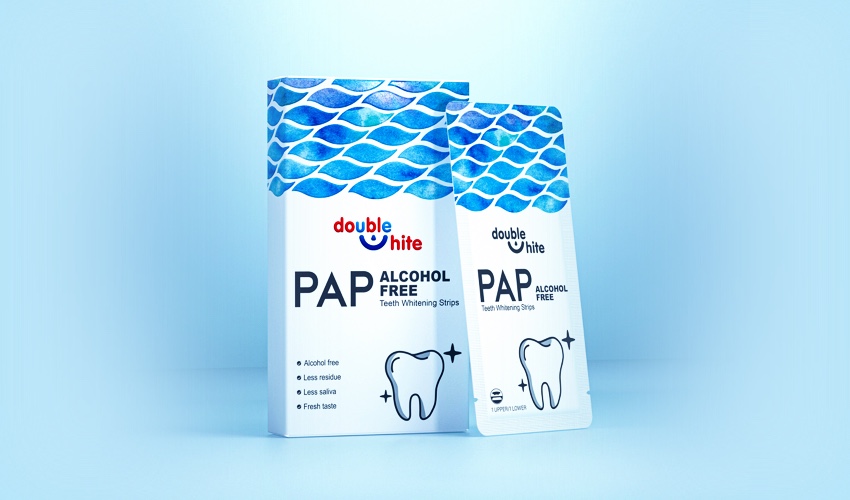
| PAP | Projects evaluating a non-hydrogen-peroxide active system or a differentiated product position | Request the exact formula information, supporting safety documentation, intended claims, and applicable market review. |
| Wet or dry gel strips | Projects prioritizing familiar strip formats or cost-conscious market testing | Confirm wear time, rinsing instructions, adhesion, residue, gel quantity, film structure, and packaging barrier requirements. |
| No-residue or dissolvable strips | Projects seeking a simpler post-use routine or shorter wearing format | Confirm the actual construction, dissolution or residue expectations, instructions, and sample performance. |
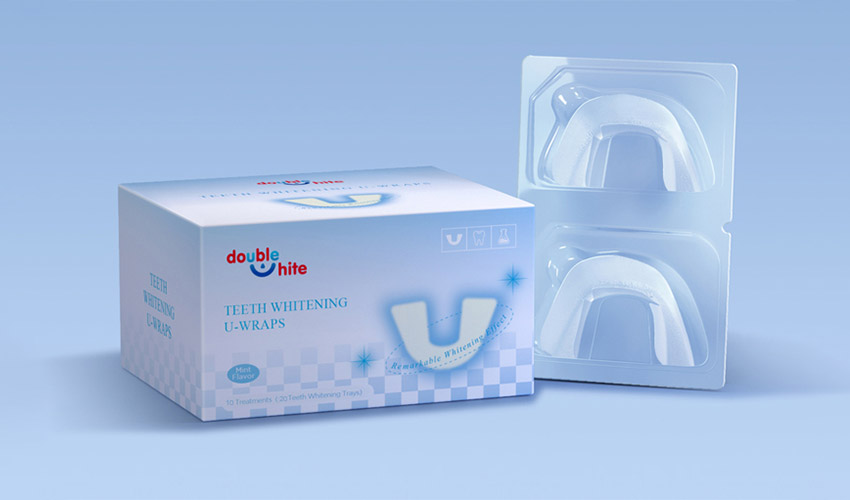
| Alcohol-free, polymer-free, or U-shaped strips | Projects with specific consumer preferences, material requirements, or coverage objectives | Request the material and formula description rather than relying on a marketing name. Confirm relevant Halal, Vegan, or other documentation where required. |
When comparing active systems or enamel-safety questions, use peer-reviewed literature relevant to the exact ingredient and product design. The supplied NCBI PubMed Central research database can help locate relevant studies, but its homepage does not substantiate a specific formula, efficacy result, or safety conclusion. Require product-specific evidence from the supplier and conduct an independent market review where necessary.
Design and Specification Considerations
Strip construction and user experience
Write the following into the sample brief before comparing suppliers:
- Active ingredient and formula specification
- Strip dimensions, shape, and intended tooth coverage
- Film structure and appearance
- Wear time, rinsing requirements, and user instructions
- Adhesion, fit, residue, handling, and removal expectations
- Storage conditions and shelf-life information
- Language, warnings, claims, and destination-market labeling requirements
Wet gel formats may involve rinsing and require close review of slippage or gel overflow. Dry gel formats use a different production and handling approach. No-residue and dissolvable formats require clear definitions of what “no residue” or “dissolvable” means for the finished product. U-shaped strips should be evaluated with physical samples because tooth alignment and coverage can affect user experience.
Packaging and labeling
Packaging should be treated as part of the product specification, not as a separate purchasing detail. Confirm the number of strip pairs per box, sachet or pouch structure, carton configuration, material requirements, printing, barcode information, storage text, shelf-life documentation, language versions, warnings, and artwork approval responsibilities.
For North American projects, review applicable labeling and safety obligations through the U.S. Food and Drug Administration guidance for cosmetics. FDA guidance is not a universal approval for every product or market. The buyer should confirm classification, claims, labeling, and importer or responsible-party obligations for the specific project.
Match the Supplier to Your Market and Channel
Market strategy should be confirmed before final formula approval. Regional preferences in the project knowledge base indicate that North American buyers may evaluate hydrogen peroxide systems; European projects may consider sodium chlorite or PAP options where appropriate; Australia may compare all three active categories; Mainland China commonly evaluates lower-concentration hydrogen peroxide alongside sodium chlorite and PAP; and Middle Eastern projects may prioritize alcohol-free options. These are starting points for an RFQ, not substitutes for destination-market review.
For emerging or cost-sensitive markets, wet and dry formats may be considered for initial testing. A lower-cost product position should not remove the need for accurate ingredients, instructions, packaging, safety information, and appropriate claims.
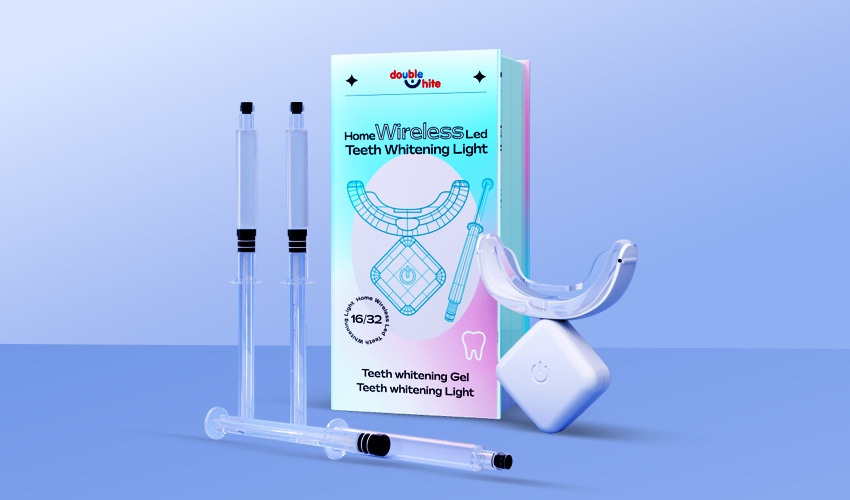
If a project also includes teeth whitening gel pens or LED home kits, confirm the product scope separately. Ask for product-specific documents, MOQ, packaging configuration, production planning, and quality responsibilities rather than assuming that a teeth-strip quotation or process automatically applies to those categories.
Buyer RFQ and Supplier Approval Checklist
Send each shortlisted supplier the same RFQ. A practical RFQ should include the following fields:
| RFQ field | Information to provide or request | Status to record |
|---|---|---|
| Market and application | Destination country, sales channel, target user, intended claims, and product classification assumptions | Received / Pending / Verify |
| Formula | Hydrogen peroxide, sodium chlorite, PAP, or other specified system; concentration or formula reference; ingredient information | Received / Pending / Verify |
| Product specification | Strip format, dimensions, shape, wear instructions, film, color, adhesion, residue, and packaging configuration | Received / Pending / Verify |
| Documentation | Factory documents, product specifications, safety documents, test records, labeling examples, and market-specific documents | Received / Pending / Verify |
| Commercial scope | MOQ by formula and SKU, artwork, testing, documentation, packaging, inspection, payment, and change-control terms | Received / Pending / Verify |
| Delivery | Destination, DDP or DDU option, customs responsibility, transport packaging, tracking, and delivery assumptions | Received / Pending / Verify |
| Quality and service process | Sample approval, production comparison, release records, deviation handling, complaints, escalation contact, and after-sales responsibilities | Received / Pending / Verify |
Documents and evidence to request
- Legal company name, manufacturing address, quotation entity, and confirmation of whether an intermediary is involved
- Current factory-level quality or social-responsibility documents, where relevant, such as ISO 22716, GMPC, ISO 13485, SMETA 4P, or BSCI
- Product-level documents, where applicable, such as ingredient information, MSDS, CPSR, CE, Halal, Vegan, or Toxicological Risk Assessment records
- Issue date, validity, issuing body, covered site, covered product, and document scope
- Representative samples linked to a specification sheet and development or production version
- Packaging mockups, storage information, shelf-life records, artwork requirements, and language versions
- Written confirmation of quality contacts, complaint escalation, and change notification responsibilities
The ISO cosmetics standards resource provides a useful reference for evaluating manufacturing and good-practice expectations. A factory-level certificate should not automatically be treated as product approval for every market.
Sample-to-bulk approval controls
Before approving a sample, record the formula description, strip dimensions, film, packaging, artwork version, instructions, and observed performance. The supplier should explain how the approved requirements will be transferred to bulk production and how deviations will be documented.
Ask whether the production file will identify the approved specification, material or formula version, packaging version, batch information, inspection results, and release decision. Also ask what changes require written approval or a new sample. These are questions for supplier confirmation; the available company information does not establish a particular supplier’s inspection method, release standard, testing capability, complaint process, or delivery time.
How to Evaluate Supplier Fit Before Approval
Use a weighted scorecard rather than allowing the lowest price to dominate the decision. One practical model is:
| Criterion | Suggested importance | Approval question |
|---|---|---|
| Formula and application fit | 25% | Does the proposed formula and format match the market, claims, and user environment? |
| Documentation and compliance support | 20% | Are current, applicable documents available for the finished product and destination? |
| Sample and specification control | 20% | Can the approved sample be clearly transferred into bulk-production requirements? |
| Packaging and commercial scope | 15% | Are MOQ, artwork, testing, packaging, and quotation exclusions clear? |
| Logistics and fulfillment fit | 10% | Do shipping terms and fulfillment arrangements match the buyer’s inventory model? |
| Communication and escalation | 10% | Are responsible contacts, response expectations, and change procedures documented? |
Define approval barriers separately from score weighting. Examples include an unidentified manufacturing site, an incompatible formula, missing destination-market documentation, an unapproved packaging change, or an unclear process for handling production deviations.
As one supplier example for buyer due diligence, Double White Medical Technology Development (Guangzhou) Co. LTD states that it has operated since 1999 and reports a 30,000-square-meter Class 100,000 cleanroom facility, more than 300 employees, eight automated production lines, and daily capacity of up to 320,000 pairs of whitening strips. Its published supply information also states a 1,000-box MOQ for customized packaging and formulation orders, DDP and DDU delivery options, no overseas warehouses, and no dropshipping support. Buyers should confirm the current figures, project-specific MOQ, production plan, and fulfillment terms in writing.
Common Risks and Decision Process
- Comparing incomplete quotes: Send identical formula, packaging, quantity, destination, documentation, inspection, and shipping requirements to every supplier.
- Accepting certificates without scope review: Check the entity, site, dates, product scope, issuing body, and limitations.
- Approving a sample without bulk controls: Link the sample to a specification, batch or production record expectations, deviation handling, and written change notification.
- Assuming product categories are interchangeable: Treat strips, gel pens, and LED kits as separate product scopes unless the supplier confirms otherwise.
- Ignoring fulfillment limitations: Confirm whether the supplier supports inventory-based B2B delivery, DDP or DDU, warehousing, or dropshipping.
- Proceeding on verbal terms: Record MOQ, payment, packaging, logistics, artwork, documentation, inspection, and escalation terms before ordering.
The recommended sequence is: build a longlist, screen factory identity and documents, issue a standardized RFQ, review representative samples, compare equivalent commercial scopes, approve a pilot or initial order where appropriate, and complete a post-delivery review. Keep evidence, open questions, approval status, and escalation contacts in one supplier file.
Conclusion and Next Steps
A useful teeth whitening strips factory supplier checklist connects technical fit with commercial execution. The strongest candidate is not necessarily the supplier with the lowest quoted price; it is the supplier whose formula, documents, samples, packaging, MOQ, logistics, and communication process can be verified against the buyer’s actual application.
Prepare an RFQ containing the target market, sales channel, active system, specification, packaging, expected quantity, destination, required documents, quality expectations, and fulfillment model. Use the same brief for every supplier and treat unresolved high-impact evidence as a reason to pause approval.
Share Your Application Scenario
Share your target market, sales channel, preferred formula, strip format, packaging requirements, expected quantity, destination, documentation needs, and quality-acceptance expectations. This information gives a supplier enough context to discuss a suitable product and purchasing approach without assuming that a standard quotation fits every application.
Frequently Asked Questions
References
Purple Violet Teeth Whitening U-Wraps for Private Label & Wholesale
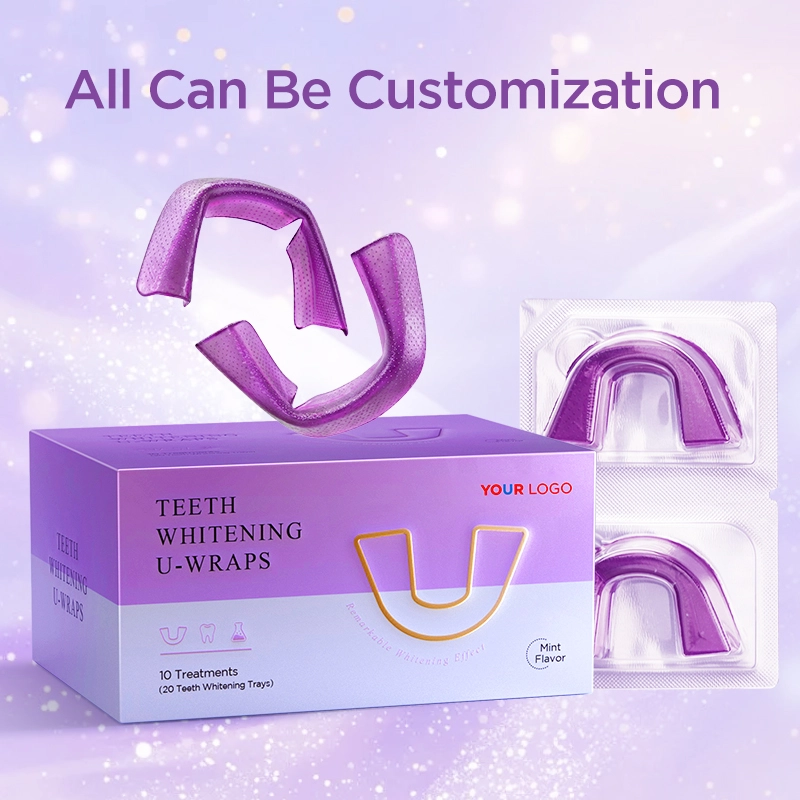
Purple Teeth Whitening U-Wraps: Private Label Sourcing Guide for Brands
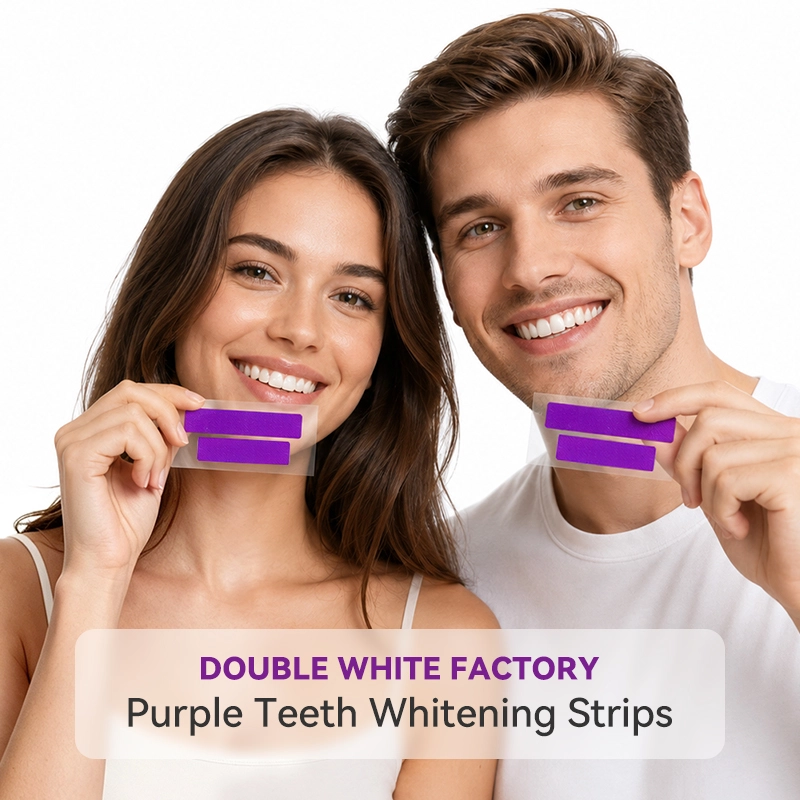
How Do Purple Teeth Whitening Strips Work? A Color-Correction Guide for Private Label Buyers

Whitening Pen Applicator & Dispensing Guide: What Buyers Should Check Before Bulk Production
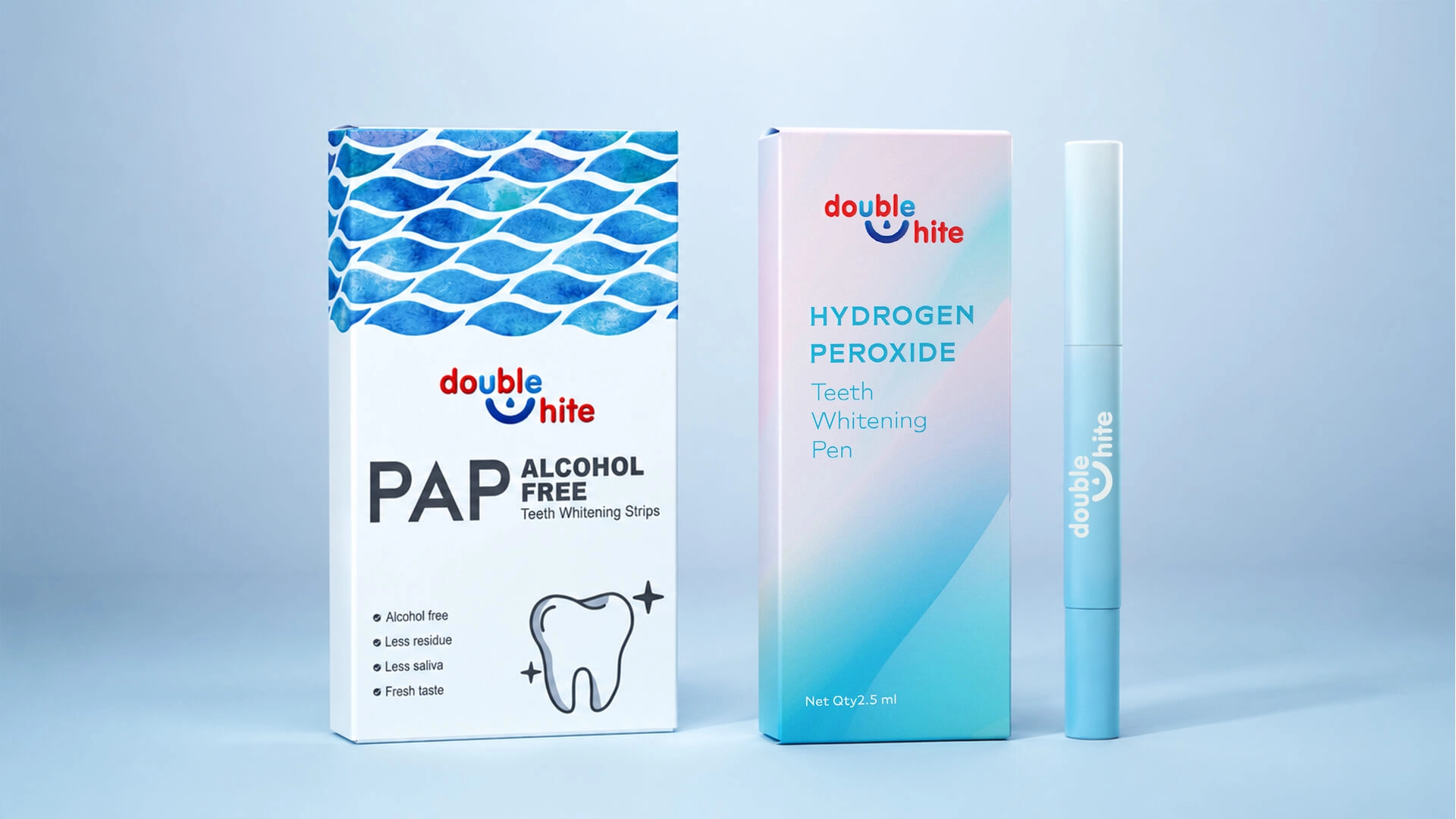
Whitening Pen Formula Stability: What Buyers Should Test Before Bulk Production
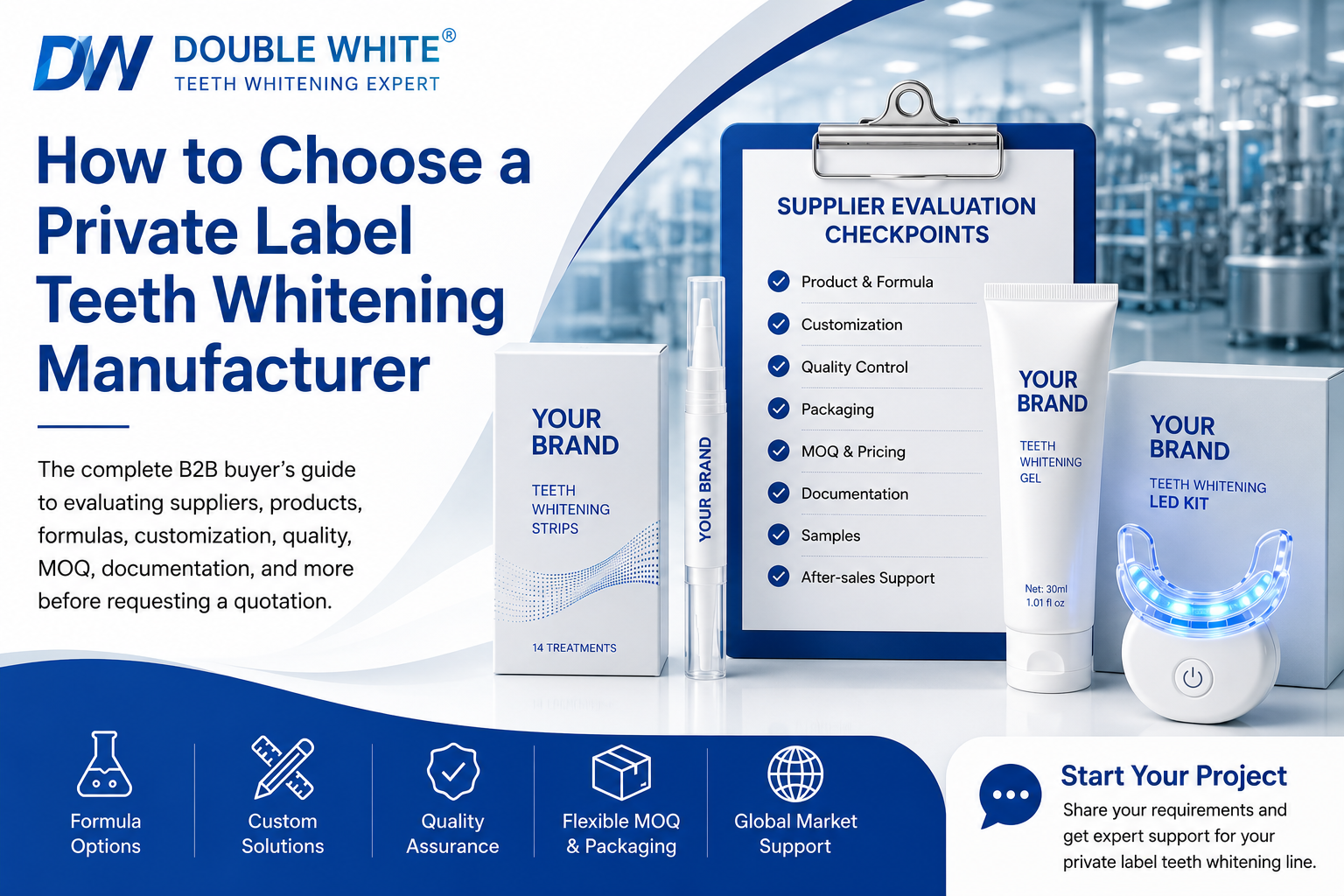
How to Choose a Private Label Teeth Whitening Manufacturer
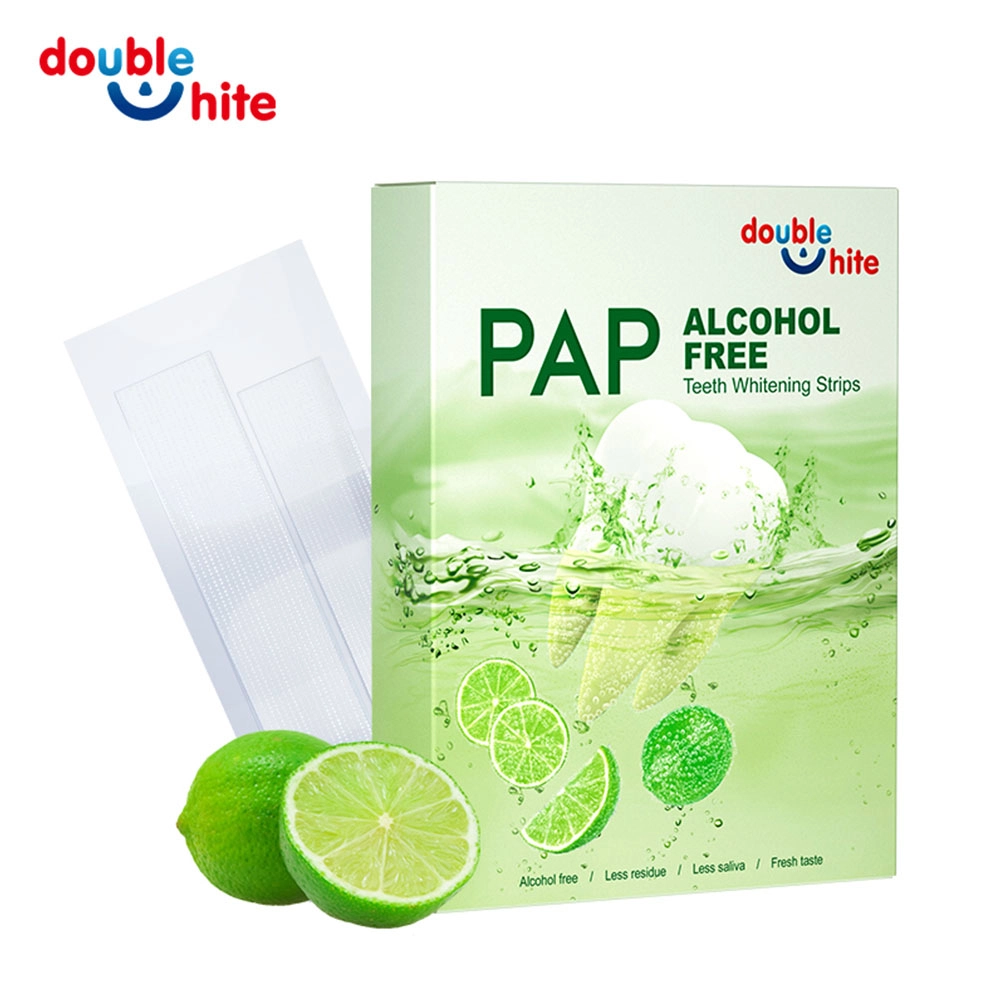
PAP Non-Alcohol Teeth Whitening Strips PAPNA-04
PAPNA-04 PAP Non-Alcohol Teeth Whitening Strips are designed for private label brands, wholesalers, salons, clinics, and e-commerce sellers seeking alcohol-free whitening strip products with flexible OEM/ODM customization. This product uses PAP as the active ingredient and supports custom flavor, private label packaging, logo printing, sample development, and bulk production for different oral care markets.
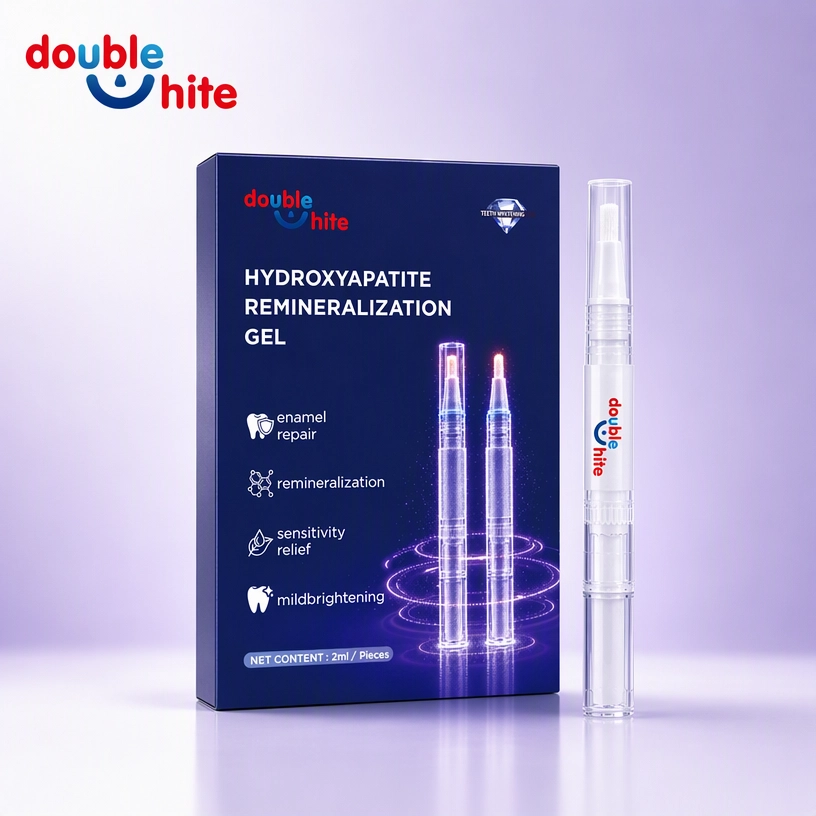
Hydroxypatite Remineralization Teeth Whitening Gel
Hydroxyapatite (HAP) oral-care gel for OEM and private label projects. Confirm actual composition, dispenser, fill volume, stability, packaging and testing before making remineralization, enamel repair or sensitivity claims.
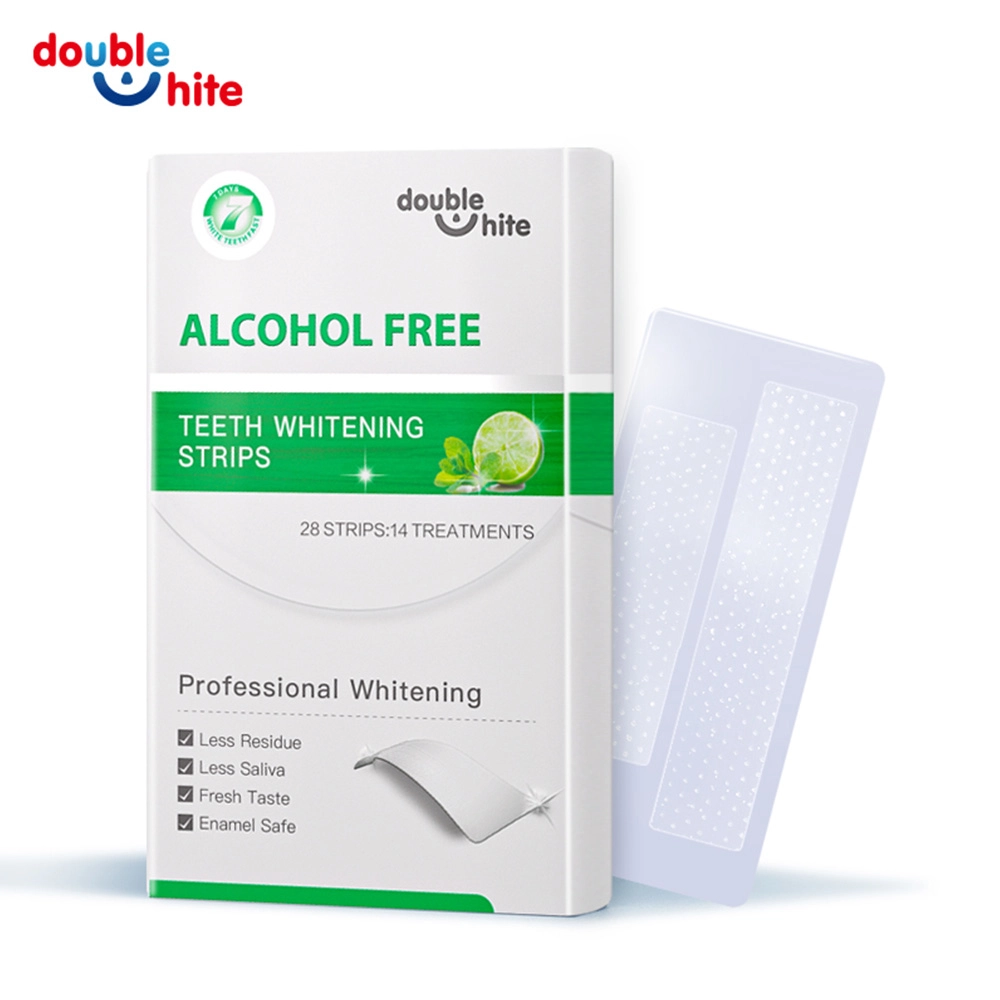
Sodium Chlorite Non-Alcohol Teeth Whitening Strips SCNA-02
SCNA-02 Sodium Chlorite Non-Alcohol Teeth Whitening Strips are designed for private label brands, wholesalers, salons, clinics, and e-commerce sellers seeking non-alcohol whitening products with flexible customization. This product uses sodium chlorite as the active ingredient and can be customized with private label packaging, logo printing, flavor options, formula positioning, sample support, and bulk production for different oral care markets.
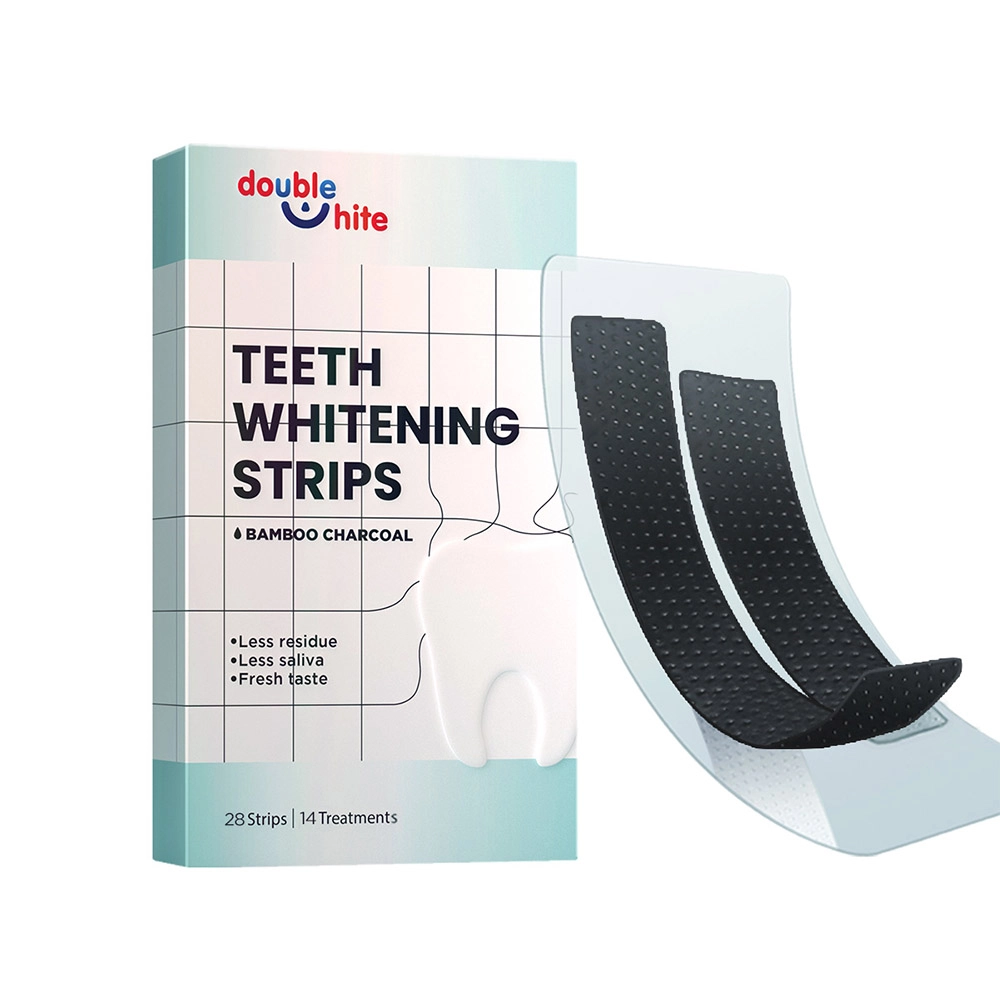
Charcoal Teeth Whitening Strips Wholsale
Double White Charcoal Teeth Whitening Strips Wholesale offers an effective, natural solution to brighten your smile. Infused with activated charcoal, these strips remove stains and whiten teeth gently. Ideal for bulk buyers seeking quality oral care products with proven results.
Send us your inquiry
Reach out to us through the form below or via the contact information provided.
Our dedicated team is committed to providing prompt and personalized responses to all your queries.
Please fill out the fields above with your full name, email address, and comment.


Copyright © 2026 Double White All Rights Reserved. Designed by gooeyun
Whatsapp: +8615920313473
cndoublewhite
Doublewhite
doublewhite
cndoublewhite
cndoublewhite
Double White