






How to Start a Private Label Teeth Whitening Strip Brand
A practical B2B roadmap for launching a private label teeth whitening strip brand, including market planning, formula selection, compliance, packaging, sampling, and supplier due diligence.

- Quick Answer: What Does It Take to Start a Private Label Teeth Whitening Strip Brand?
- What Is a Private Label Teeth Whitening Strip Brand?
- Step 1: Validate the Market and Define Your Brand Position
- Step 2: Choose the Formula and Strip Format
- Step 3: Plan Packaging, Claims, and Compliance Before Sampling
- Step 4: Request Samples and Evaluate Product Fit
- Step 5: Confirm MOQ, Ordering, and Go-to-Market Requirements
- Common Mistakes When Starting a Private Label Whitening Strip Brand
- How to Choose the Right Private Label Teeth Whitening Strip Supplier
- A Practical Launch Checklist for Your First Private Label Order
- Discuss Your Project Requirements
- Frequently Asked Questions
- References
Starting a private label teeth whitening strip brand requires more than packaging and branding. The formula, strip format, claims, user experience, compliance pathway, minimum order quantity, and sales channel must align to support a coherent market position. This guide walks you through the launch sequence: defining your target buyer and market, selecting a suitable whitening active and strip format, confirming regulatory requirements, developing packaging, evaluating samples, assessing supplier capabilities, and planning inventory and distribution.
Quick Answer: What Does It Take to Start a Private Label Teeth Whitening Strip Brand?
To launch a private label teeth whitening strip brand, you must define your target customer and destination market, select a whitening active ingredient and strip format that fit that market, confirm product classification and labeling requirements, develop packaging, request and evaluate samples against a written product brief, verify supplier documentation and quality controls, confirm MOQ and logistics terms, and obtain written approval of final specifications before production. Buyers should also prepare a go-to-market plan that addresses inventory, channel allocation, and customer education.
The launch process at a glance
- Define the target market, customer segment, sales channel, and product promise.
- Compare hydrogen peroxide, sodium chlorite, and PAP formulation options for your market.
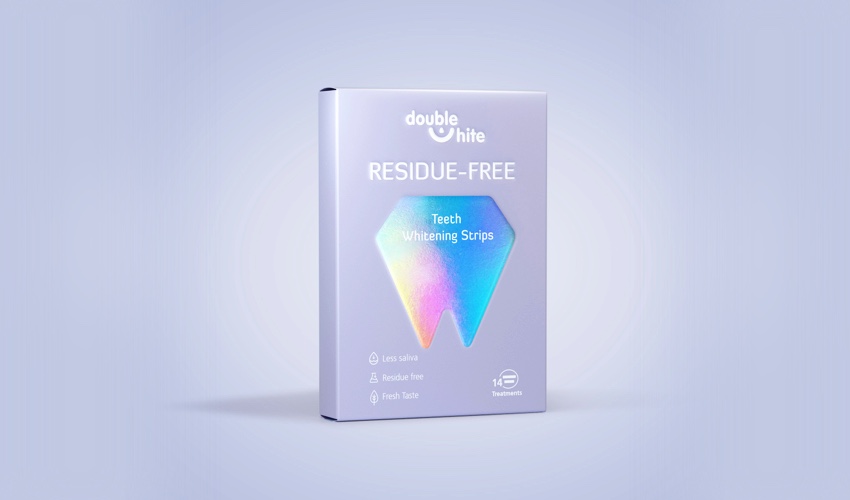
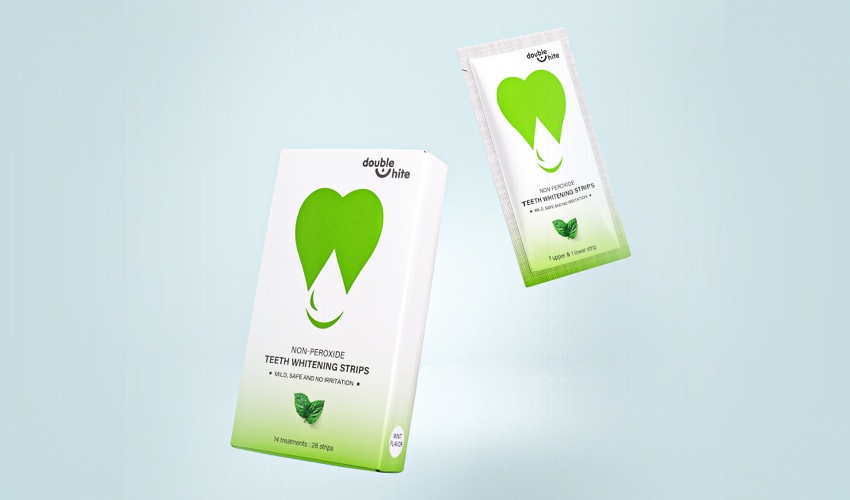
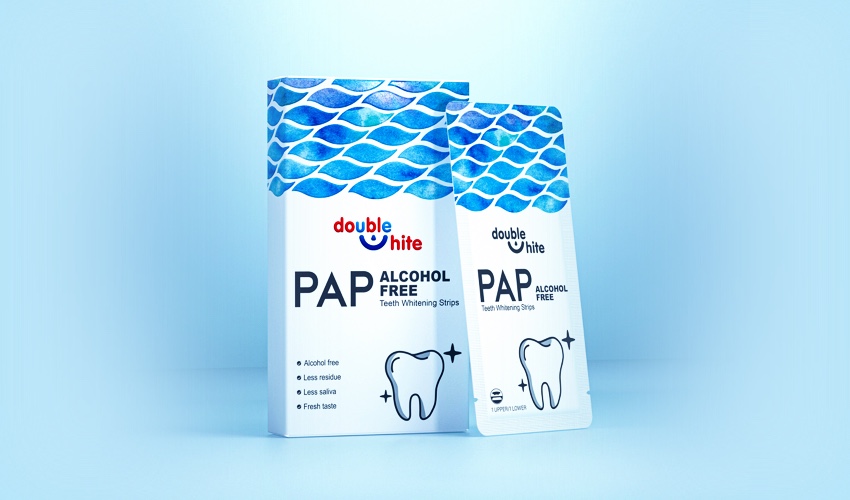
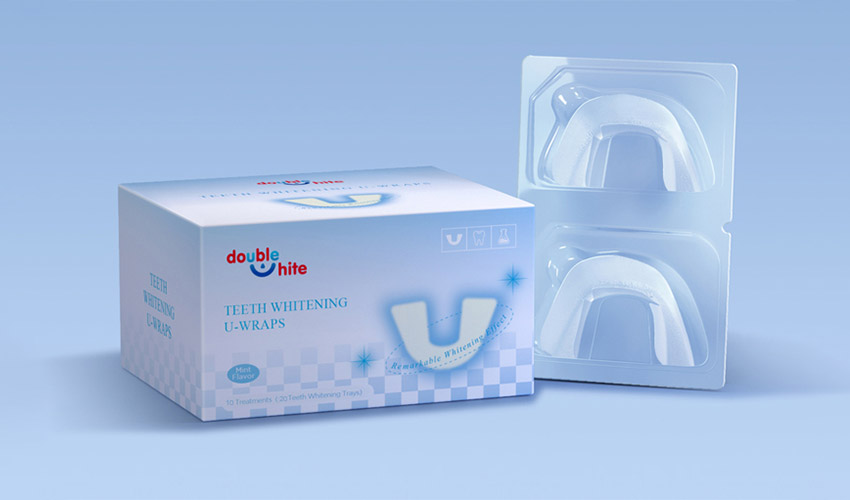
- Select the strip experience: wet gel, dry gel, no-residue, dissolvable, alcohol-free, natural-oriented, or U-shaped.
- Prepare packaging information, claims, instructions, warnings, and language requirements.
- Request samples against a written product brief and evaluate usability, packaging, and documentation fit.
- Compare supplier MOQ, cash-flow needs, storage capacity, and channel rollout timing.
- Obtain written approval of the final formula, strip format, artwork, labeling, and quality requirements.
For broader context on product options, packaging decisions, and compliance considerations, see the complete guide to private label teeth whitening strips. Buyers comparing active ingredients in detail can also review PAP vs hydrogen peroxide private label whitening strips.
Prepare a product brief before contacting suppliers
Create a one-page product brief that identifies the destination market, intended users, preferred formula, strip format, pack size, claims, languages, sales channel, expected order quantity, packaging concept, and logistics requirements. This prevents suppliers from quoting different products under the same generic description of "whitening strips" and ensures you receive comparable quotations.
What Is a Private Label Teeth Whitening Strip Brand?
Private label versus white label
Private label means selling a manufacturer-produced product under your own brand. You may select or adjust the formula, strip format, packaging, claims, and market positioning. A standard white-label product is typically more ready-made, with fewer customization options and a shorter approval timeline.
Neither model is automatically better. A standard product can support faster market testing when your positioning is already clear. Private label development is more suitable when you need a specific active ingredient, user experience, packaging structure, language set, or compliance pathway for your target market. For more guidance on evaluating manufacturers, see the private label manufacturer evaluation checklist.
Who typically uses this business model
Typical private label buyers include startups, wholesalers, e-commerce brands, salons, training schools, dental clinics, and established oral-care companies. Each segment has different requirements. An online brand may prioritize compact packaging and clear usage instructions. A clinic may require more controlled claims and comprehensive documentation. A wholesaler may focus on repeat-order consistency and bulk carton planning.
What the brand owner controls
You control the commercial brief: who the product is for, where it will be sold, what benefit or promise it makes, how it is packaged, and which variants are offered. The manufacturer then confirms whether your requested formula, claims, packaging, documentation, MOQ, and delivery model are feasible for your destination market.
Step 1: Validate the Market and Define Your Brand Position
Choose a target customer segment
Select one primary audience for your first launch instead of trying to serve every segment. At-home whitening, sensitive-teeth positioning, professional retail, salon retail, and e-commerce bundles create different expectations for instructions, pack size, price, and customer support. A focused first customer segment makes it easier to refine your product, gather feedback, and scale.
Identify the consumer problem you are solving
Decide whether your product addresses everyday stain removal, convenience, a short usage routine, a non-peroxide preference, or a broader oral-care concern. The problem you solve determines the formula and user experience. A product positioned for convenience needs reliable adhesion and simple instructions. A product positioned for sensitive users requires formula support and substantiated claims, not just label language.
Define the product promise
Translate your positioning into claims your product can actually support. Avoid promising clinical outcomes, guaranteed shade changes, or gum and enamel benefits unless you have appropriate evidence and market-specific regulatory review to back those claims. Your promise should match the active chemistry, wear instructions, packaging language, and available documentation.
Check market and channel requirements
Confirm your destination market before finalizing the active ingredient. Industry practice varies by region. Hydrogen peroxide formulations are commonly evaluated in North America. Sodium chlorite and non-hydrogen-peroxide options are often considered for European markets due to local regulatory preferences. Australia supports multiple formulation pathways. Alcohol-free products may be relevant to Middle Eastern consumer preferences. These are industry patterns, not regulatory conclusions—you must verify requirements with local regulatory guidance or a qualified compliance advisor.
Also define your sales channel, language requirements, pack configuration, storage expectations, and whether the product will be sold individually, in bundles, through clinics, or through wholesale distribution.
Step 2: Choose the Formula and Strip Format
Understand the three main whitening actives
Whitening strips use active chemistry to help break down and lift stains. The three main pathways are:
- Hydrogen peroxide (HP): A familiar peroxide pathway in many markets. Permitted concentrations vary by region. Common use levels include 3%, 6%, and 8% in North America and lower concentrations in other markets.
- Sodium chlorite (SC): A non-hydrogen-peroxide option that may support positioning in markets where peroxide use is restricted or less preferred.
- PAP (phthalimido-peroxy-caproic acid): An alternative peroxide that may be suitable for European and other regulated markets.
Do not choose an ingredient solely because it is popular or widely available. Compare the permitted use level in your target market, intended claims, sensitivity positioning, wear instructions, stability information, and substantiation available for the finished product. Research literature such as that available through the National Center for Biotechnology Information (NCBI) - PubMed Central Research on Dental Bleaching Agents can provide context on the chemistry and safety profiles of these actives, but a research database does not replace finished-product assessment and market-specific compliance review.
Select a strip format that matches your positioning
The strip format determines how consumers experience the product and affects manufacturing, packaging, and user instructions:
| Format | When to choose it | Key considerations |
|---|---|---|
| Wet gel | When a conventional gel experience and rinsing routine are acceptable to your customer. | Requires attention to adhesion, slipping, gel overflow, and rinse instructions. Test thoroughly during sampling. |
| Dry gel | When you want a drier application and improved handling without rinsing. | Assess adhesion and comfort during sampling. Verify that drying does not affect efficacy or user experience. |
| No-residue | For convenience-focused positioning where minimal cleanup is a selling point. | Confirm the actual residue experience and whether rinsing is truly required or optional. |
| Dissolvable | When a single-layer, no-rinse routine is part of your product promise. | Verify dissolution behavior, wear experience, coverage, and whether the strip fully dissolves as claimed. |
| Alcohol-free or reduced-polymer | For specific consumer preferences or market positioning (e.g., halal, vegan, natural). | Claims such as "halal," "vegan," or "natural" require corresponding formulation and documentation support. |
| U-shaped | When broader tooth coverage is a key selling point. | Check fit, coverage, handling, and comfort across different tooth alignments during sampling. |
Distinguish whitening strips from oral-care extensions
A whitening strip should not be described as a remineralization or gum-protection product unless it contains the relevant functional ingredients and the claims are supported by documentation. Remineralization strips using hydroxyapatite or other active ions, and hyaluronic-acid gum protection strips without whitening ingredients, serve different purposes and may be considered as separate oral-care extensions rather than substitutes for a whitening strip.
Step 3: Plan Packaging, Claims, and Compliance Before Sampling
Prepare packaging information
Before artwork begins, define the brand name, product name, ingredient disclosure, directions for use, warnings, storage information, batch or lot identification, country-of-origin information where required, and responsible-party details. The package should accurately describe the actual product supplied, including the formula and usage routine you approve during sampling.
Align claims with your formula and market
Claims should be reviewed together with the formula and intended market. A claim such as "no rinse," "alcohol-free," "vegan," "sensitive," or "natural" requires the corresponding product characteristics and documentation. Avoid printing performance or clinical language before evidence and regulatory review are complete. Work with your supplier to ensure that every claim on the package is substantiated and appropriate for your destination market.
Determine product classification and compliance requirements
Ask your supplier whether the product is treated as a cosmetic, oral-care product, medical device, or another regulated category in your destination market. Classification affects labeling, claims, testing, responsible parties, and import preparation. For North American projects, the U.S. Food and Drug Administration (FDA) - Cosmetic Products Guidance & Regulation provides a starting point for understanding cosmetic guidance and labeling obligations, though it does not determine requirements for every product or market.
Request applicable documentation
Depending on the market and SKU, request ingredient and safety information, material information, applicable safety assessments, risk-assessment documentation, MSDS where relevant, and evidence of manufacturing systems. Ask your supplier to identify which document applies to which product rather than presenting a general document package as proof of compliance for every variant. For detailed compliance considerations, see private label teeth whitening strips compliance and certifications.
Step 4: Request Samples and Evaluate Product Fit
Prepare a detailed sample brief
Send your supplier the target market, intended users, formula preference, strip format, expected wear experience, packaging concept, proposed claims, language, sales channel, and compliance expectations. Include any practical constraints, such as a compact e-commerce pack, professional retail presentation, or a requirement for an alcohol-free format. A detailed brief helps the supplier understand your application and deliver a sample that matches your needs.
Conduct formula and usability checks
Evaluate adhesion, comfort, residue, dissolution, fit, scent or taste where relevant, and whether the actual use experience matches the instructions. Test the upper and lower strips separately and observe whether the format is easy for an ordinary customer to apply. For a dissolvable or no-rinse product, verify that the claimed routine is understandable and repeatable. Document your findings and share them with the supplier.
Inspect packaging and artwork
Check pouch or primary-pack integrity, print clarity, seal quality, instructions, storage presentation, lot information, and language accuracy. Packaging that looks correct but omits a required warning or uses an unapproved claim is not ready for production. Verify that all text is accurate and that no claims exceed what your formula can support.
Obtain written sample approval and specification control
Compare every sample against your approved product brief. Record the formula, strip format, dimensions, packaging materials, artwork version, instructions, claims, and document status. If the sample changes after your approval, obtain written confirmation of the new specification and repeat the relevant review. A sample approval is not a complete production release unless specifications and quality requirements are also controlled in writing.
Step 5: Confirm MOQ, Ordering, and Go-to-Market Requirements
Assess the MOQ against your business plan
Compare the supplier's MOQ with your forecast demand, cash-flow capacity, storage space, and the number of sales channels being launched. Standard products and customized formulation or packaging orders may have different commercial conditions. For customized packaging and formulation orders, suppliers typically set higher MOQs to justify setup and development costs. Confirm the current MOQ for your exact formula, pack configuration, and artwork.
Build an inventory and channel plan
Start with the variants that one channel can educate and sell consistently. Launching several formulas, flavors, colors, or strip formats at once increases artwork, compliance, inventory, and customer-support requirements. A focused first SKU usually gives you clearer feedback on product fit and channel performance. Define the first order quantity by SKU, expected replenishment point, storage conditions, and carton configuration.
Confirm logistics and fulfillment terms
Confirm whether the supplier supports your required delivery model, including door-to-door terms, import responsibilities, documents, carton labeling, and destination restrictions. Do not assume that a manufacturer supports overseas warehousing or dropshipping. These terms should be stated explicitly in the quotation or order documentation. Ask whether the supplier offers DDP (Delivered Duty Paid) or DDU (Delivered Duty Unpaid) options and what each includes.
Prepare launch content and customer education
Before inventory arrives, prepare product listings, usage instructions, warnings, customer-support answers, product education, and replenishment messaging. The content must match the approved formula and packaging. If the product requires rinsing or has a defined wear routine, the same instruction should appear consistently across the package, listing, and support materials.
Common Mistakes When Starting a Private Label Whitening Strip Brand
Choosing a formula before defining the market
Hydrogen peroxide, sodium chlorite, and PAP are not interchangeable marketing labels. Selecting a formula first and checking market requirements later can force a reformulation, new artwork, or claim revision—all costly and time-consuming. Define your market and regulatory environment first, then choose the formula that fits.
Treating compliance as a packaging step
Compliance affects the formula, claims, product classification, required documents, and responsible parties. Printing packaging before regulatory and artwork review can make an attractive package unusable for your intended market. Plan compliance early and involve your supplier in the review process.
Ordering too many variants at launch
Multiple variants divide demand, increase artwork and compliance work, and complicate inventory management. A focused first SKU usually gives you clearer feedback on product fit and channel performance. Add variants after you have proven the core product in the market.
Approving samples without written specifications
A physical sample does not capture every commercial requirement. Without written specifications, later changes to the strip, pouch, artwork, or instructions become difficult to identify and resolve. Always obtain written sample approval and specification confirmation before production.
Selecting suppliers on price alone
A low quotation can exclude testing, artwork coordination, documentation, packaging components, or delivery services. Compare quotations on the same basis: same formula, pack configuration, claims, documents, quality controls, MOQ, and logistics terms. The cheapest quotation is often the least comparable.
How to Choose the Right Private Label Teeth Whitening Strip Supplier
Evaluate factory and quality-system capabilities
Ask about the manufacturing environment, relevant quality systems, product-development process, sample controls, batch traceability, and change-control procedures. The International Organization for Standardization (ISO) - Cosmetics Standards provides useful reference points for cosmetics quality and good manufacturing practice discussions. Verify the scope and validity of any specific certificate directly with the supplier rather than assuming all certifications apply to all products.
Assess formulation and customization support
Ask whether the supplier can discuss hydrogen peroxide, sodium chlorite, and PAP pathways, as well as wet, dry, no-residue, dissolvable, alcohol-free, natural-oriented, or U-shaped formats. The key question is not how many options appear in a catalog. It is whether the supplier can connect your selected formula to your intended market, claims, strip experience, and documentation requirements.
Confirm documentation and compliance support
Ask which documents are available for your exact SKU and destination market, who reviews artwork, how ingredient changes are controlled, and whether the supplier distinguishes factory-level systems from product-level evidence. Confirm whether your proposed product classification has been reviewed for your destination market and whether the supplier can provide appropriate documentation for that classification.
Verify capacity, MOQ, and fulfillment terms
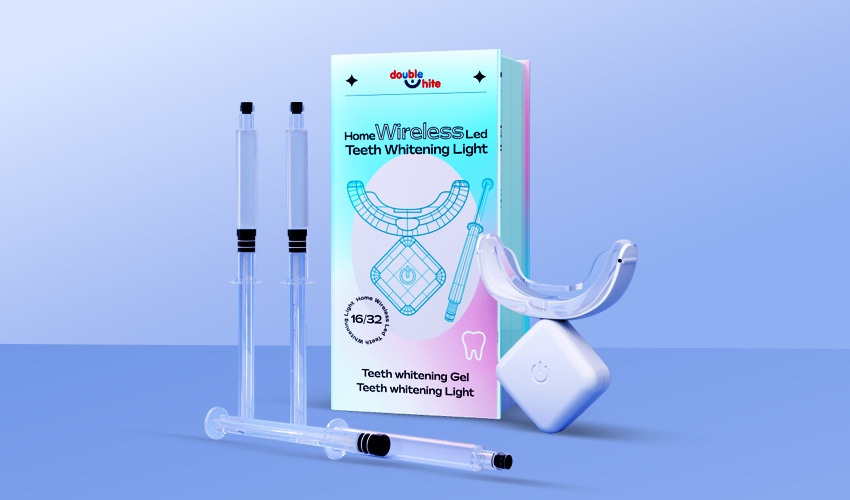
Confirm production planning, MOQ by configuration, packaging procurement, quality checkpoints, carton information, delivery terms, and whether dropshipping or overseas warehousing is supported. For a broader whitening portfolio, ask separately about teeth whitening gel pens and LED home kits rather than assuming the same specifications or documents apply across products.
Questions to ask before requesting a quotation
- Which formula and strip formats are available for my intended market?
- What information do you need to evaluate my claims and product classification?
- Which documents apply to my requested SKU and destination market?
- How are approved samples and final production specifications controlled?
- What changes require my reapproval?
- What is the MOQ for my exact packaging and formulation?
- Which logistics and fulfillment terms are included or excluded?
- Do you support DDP and DDU delivery? What does each include?
- Do you support dropshipping or overseas warehousing?
Example supplier profile: Double White Medical Technology Development
Double White Medical Technology Development (Guangzhou) Co. LTD operates a 30,000-square-meter Class 100,000 cleanroom facility with 8 fully automated production lines and 300+ employees. The company supports B2B OEM/ODM projects and lists customized packaging and formulation orders at an MOQ of 1,000 boxes. Delivery options include DDP and DDU door-to-door service. The company does not support dropshipping or overseas warehousing, so buyers requiring those models should identify the limitation before comparing quotations. Confirm current MOQ and delivery terms for your specific project.
A Practical Launch Checklist for Your First Private Label Order
Before supplier outreach
- Define the target customer, destination market, sales channel, and product promise.
- Prepare a one-page brief covering formula, strip format, pack size, language, claims, and expected quantity.
- Shortlist the active ingredient and identify market-specific regulatory questions.
Before sample approval
- Request applicable safety, material, and risk-assessment documents.
- Check adhesion, comfort, residue, fit, dissolution, instructions, and packaging integrity.
- Compare the sample with your written product brief and record all revisions.
Before production
- Approve formula, strip format, artwork, claims, instructions, storage information, and lot identification in writing.
- Confirm MOQ, quotation inclusions, payment terms, quality checkpoints, and logistics.
- Complete the market-specific compliance and labeling review.
Before launch
- Finalize product listings, education materials, usage instructions, warnings, and customer-support content.
- Confirm inventory storage, channel allocation, replenishment planning, and SKU-level documentation.
- Keep the launch range narrow enough for your sales channel to support effectively.
Discuss Your Project Requirements
Launching a private label teeth whitening strip brand requires careful planning across market positioning, formula selection, compliance, packaging, sampling, and supplier evaluation. Bring together your target market, intended users, formula preference, strip format, packaging concept, claims, languages, documentation needs, MOQ expectations, and logistics requirements. A complete product brief allows a supplier to discuss a suitable manufacturing and delivery approach rather than issue a generic quotation.
Double White Medical Technology Development (Guangzhou) Co. LTD can review private label whitening strip requirements and related product needs such as gel pens or LED home kits. The next step is to confirm the exact SKU, market, documentation scope, and ordering model for your project.
Share your private label whitening strip project requirements
Frequently Asked Questions
References
Purple Violet Teeth Whitening U-Wraps for Private Label & Wholesale
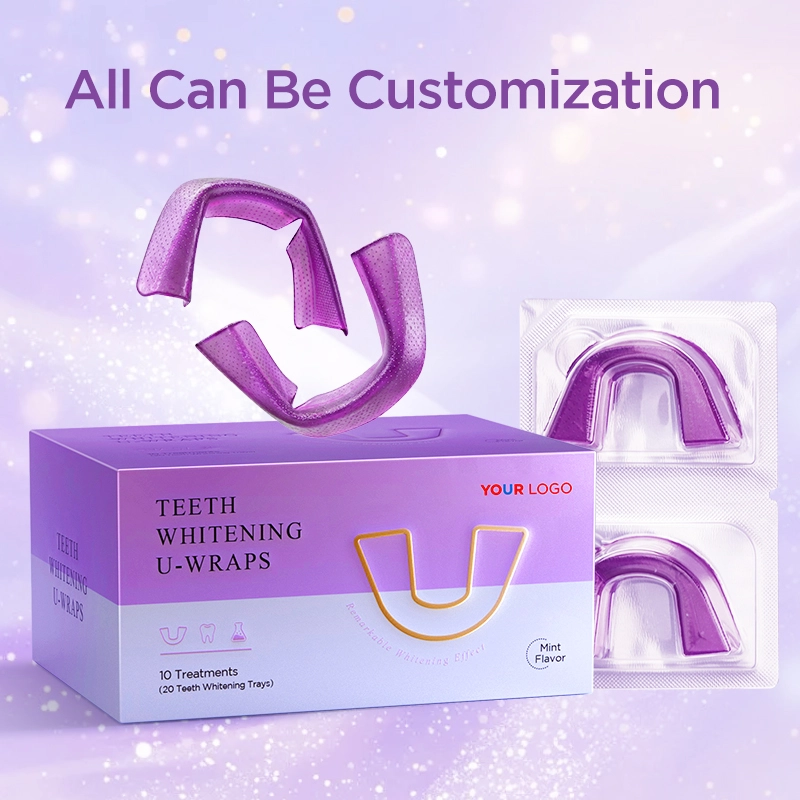
Purple Teeth Whitening U-Wraps: Private Label Sourcing Guide for Brands
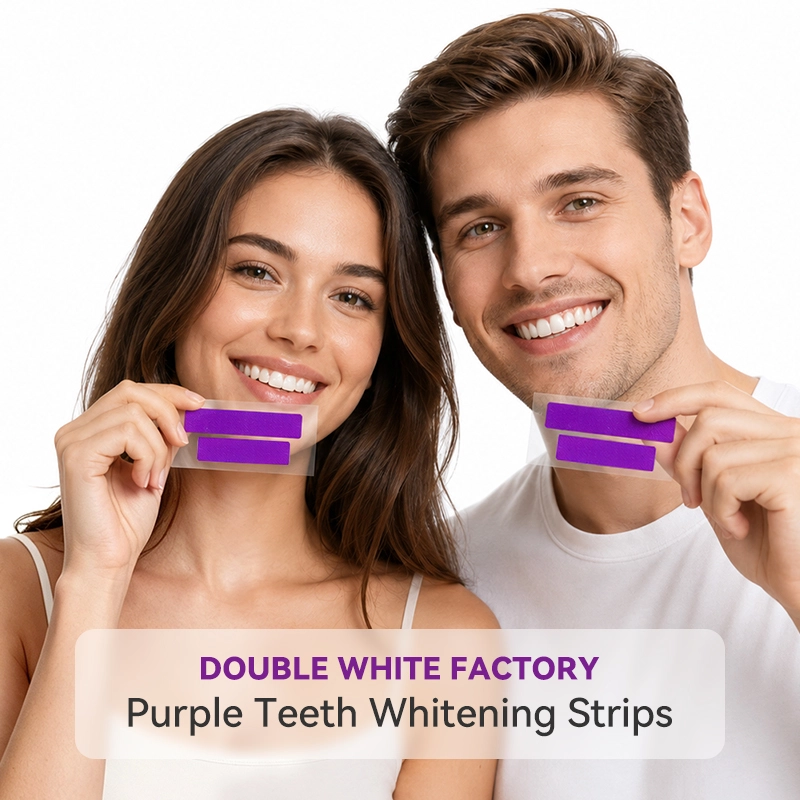
How Do Purple Teeth Whitening Strips Work? A Color-Correction Guide for Private Label Buyers

Whitening Pen Applicator & Dispensing Guide: What Buyers Should Check Before Bulk Production
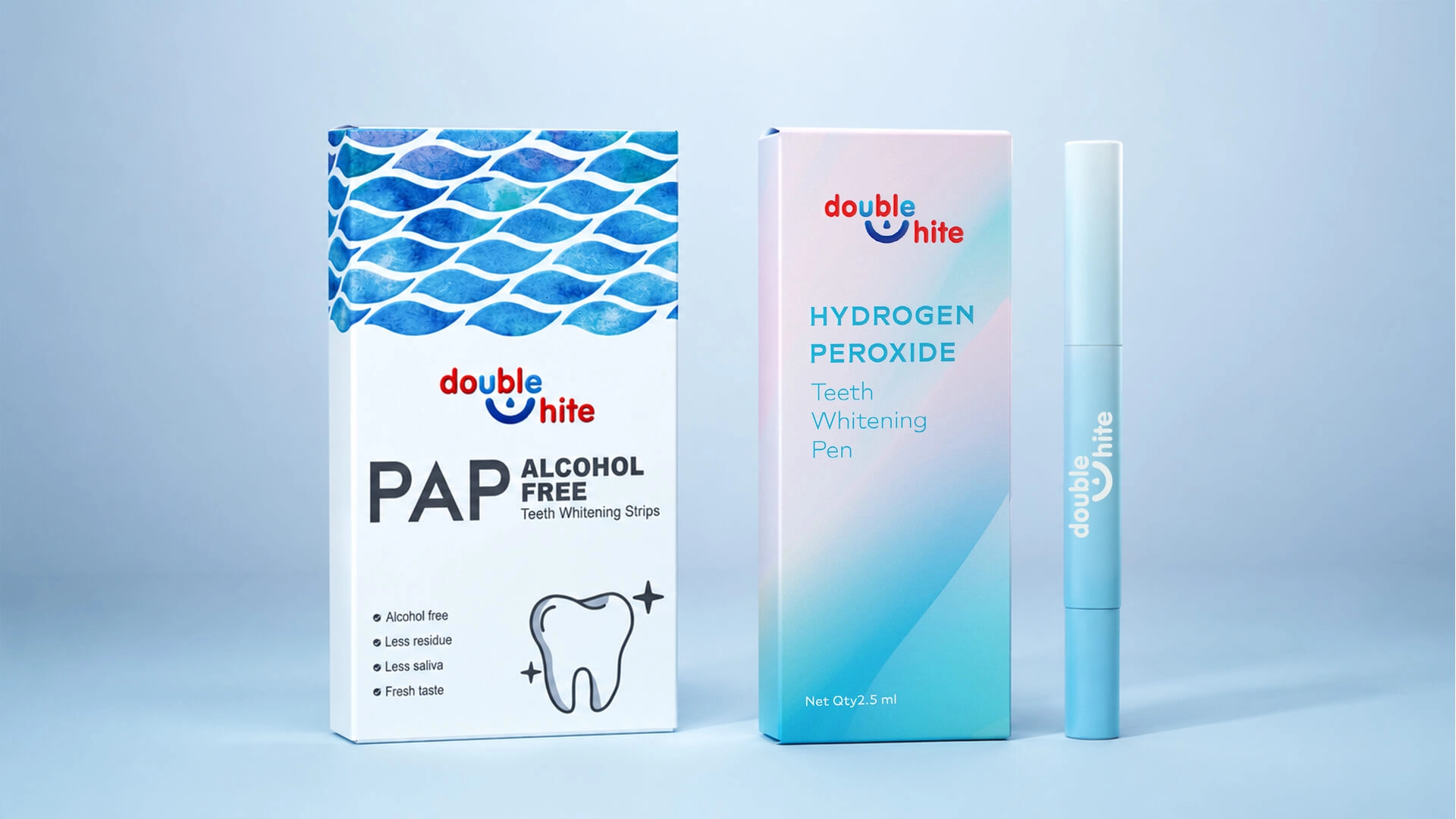
Whitening Pen Formula Stability: What Buyers Should Test Before Bulk Production
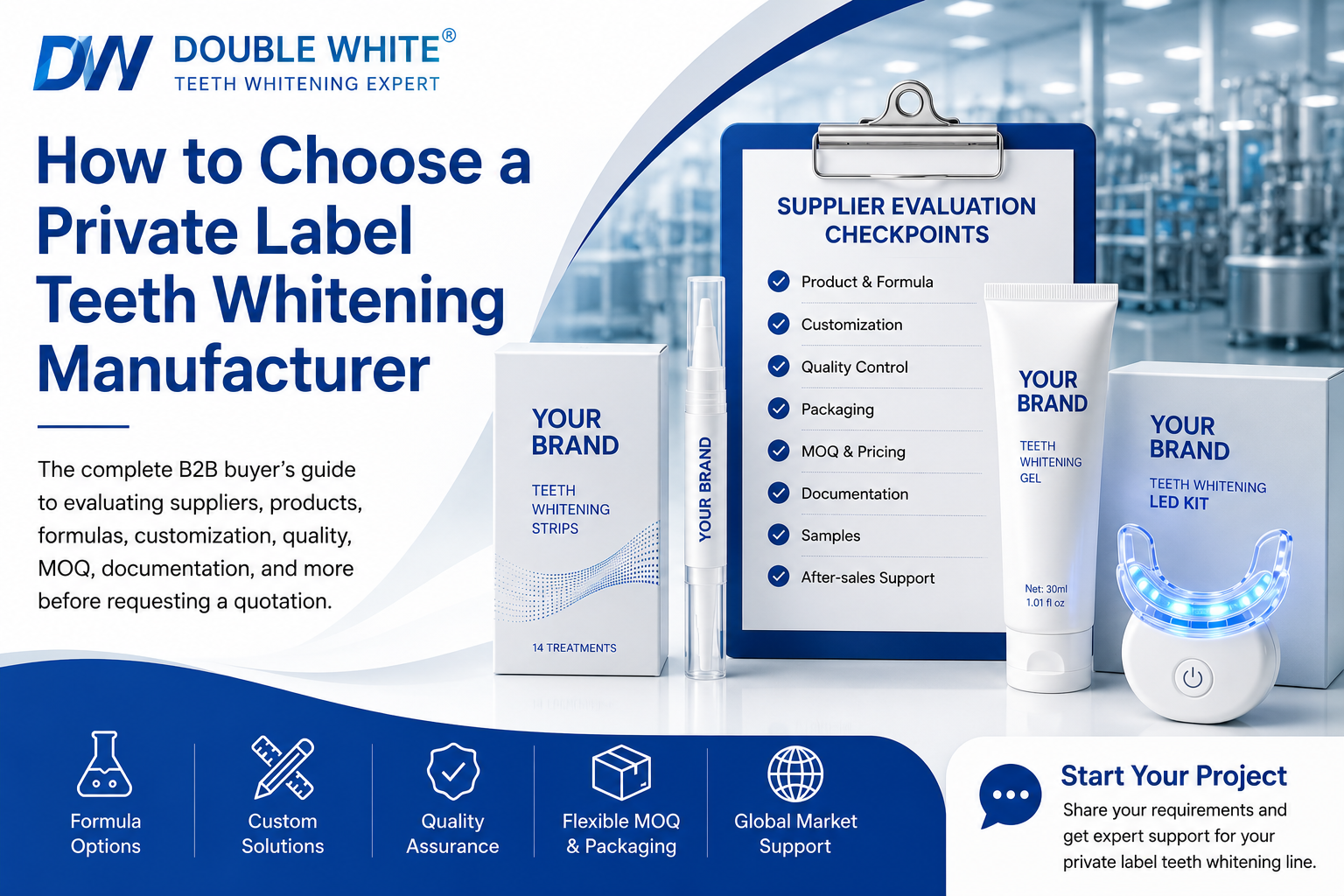
How to Choose a Private Label Teeth Whitening Manufacturer
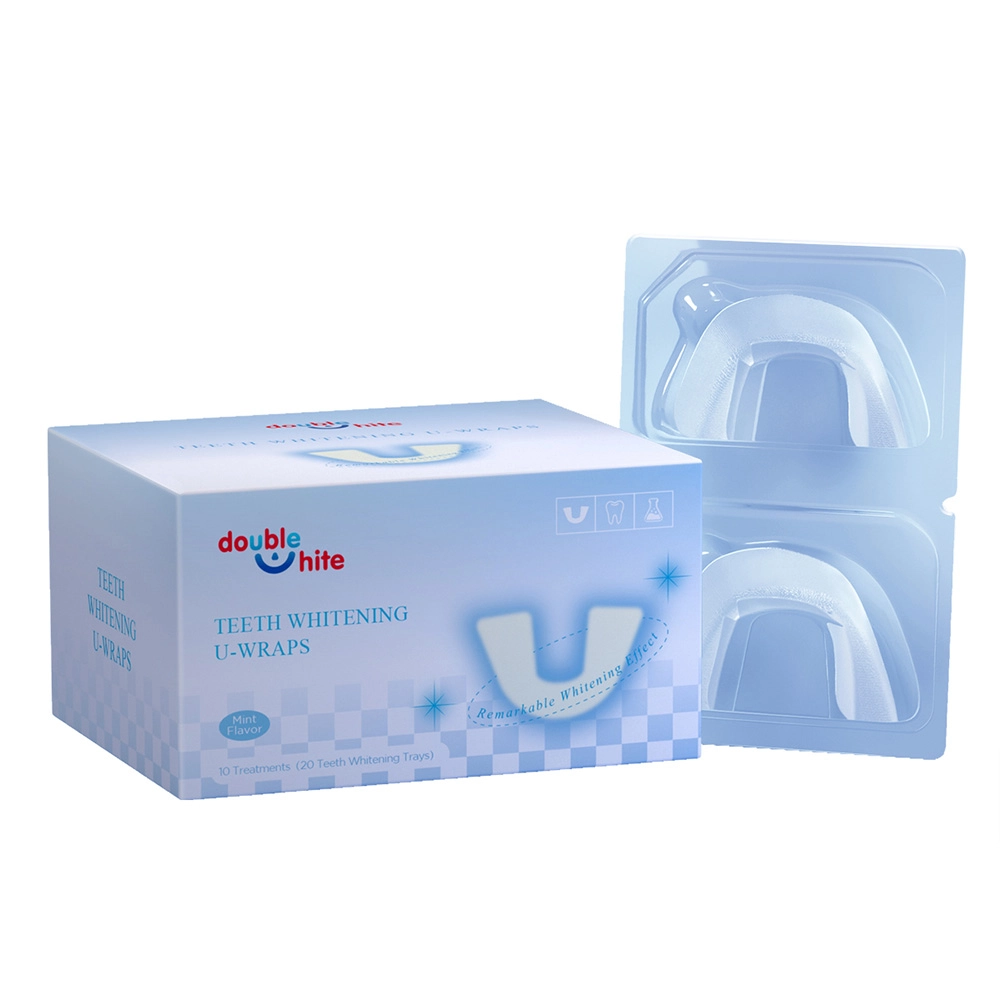
Teeth Whitening U-Wraps
Double White Teeth Whitening U-Wraps offer a safe, effective solution for brightening your smile. Designed for easy application, these U-Wraps provide professional whitening results at home. Achieve a radiant smile with Double White’s Teeth Whitening U-Wraps today.
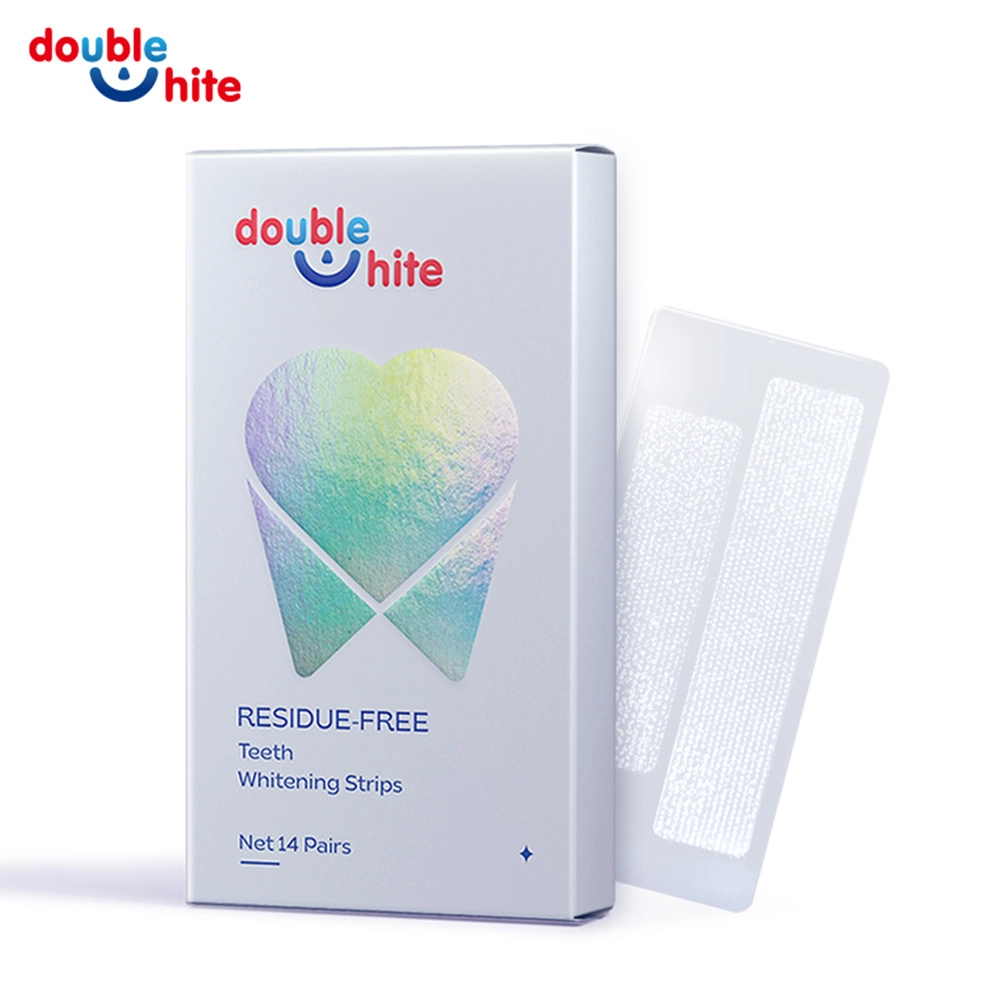
Hydrogen Peroxide Residue-Free Teeth Whitening Strips RFHP01
Hydrogen Peroxide Residue-Free Teeth Whitening Strips RFHP01 are designed for private label brands, wholesalers, salons, clinics, and e-commerce sellers seeking whitening strips with strong adhesion, clean removal, and low-residue user experience. Double White supports custom flavor, private label packaging, logo printing, sample support, and bulk production for global oral care businesses.
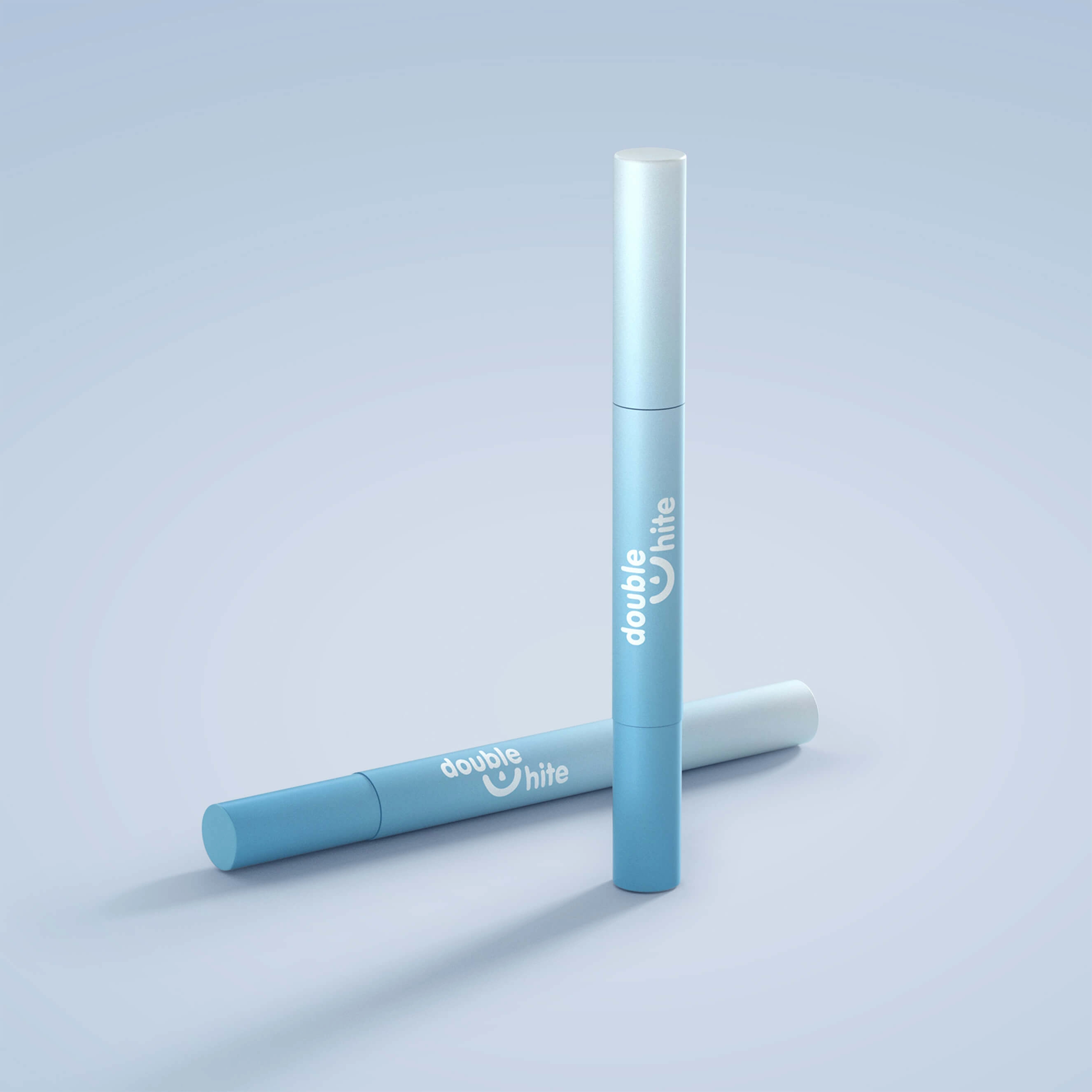
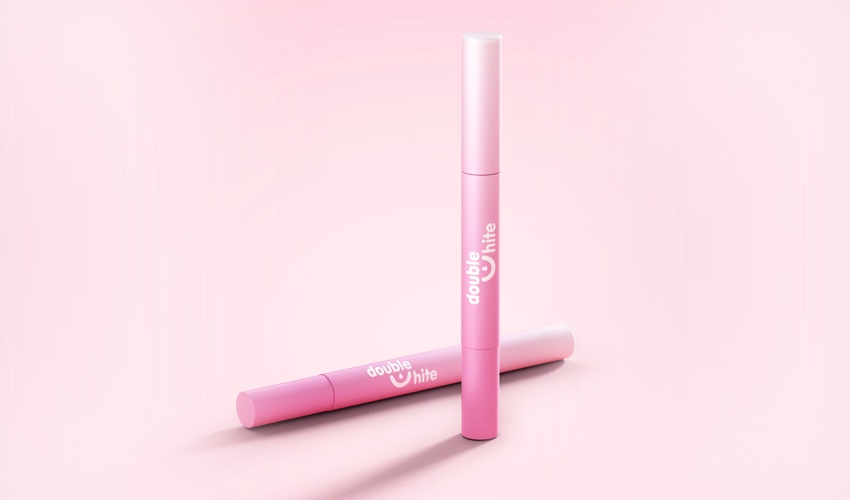
Customized Teeth Whitening Gel Pen HP02
Hydrogen Peroxide Gel Pen (HP02) for OEM and private label sourcing. Review the verified hydrogen peroxide formula, dispensing system, sample specifications, packaging, quality documentation and destination-market requirements. No universal safety or performance claims are implied.
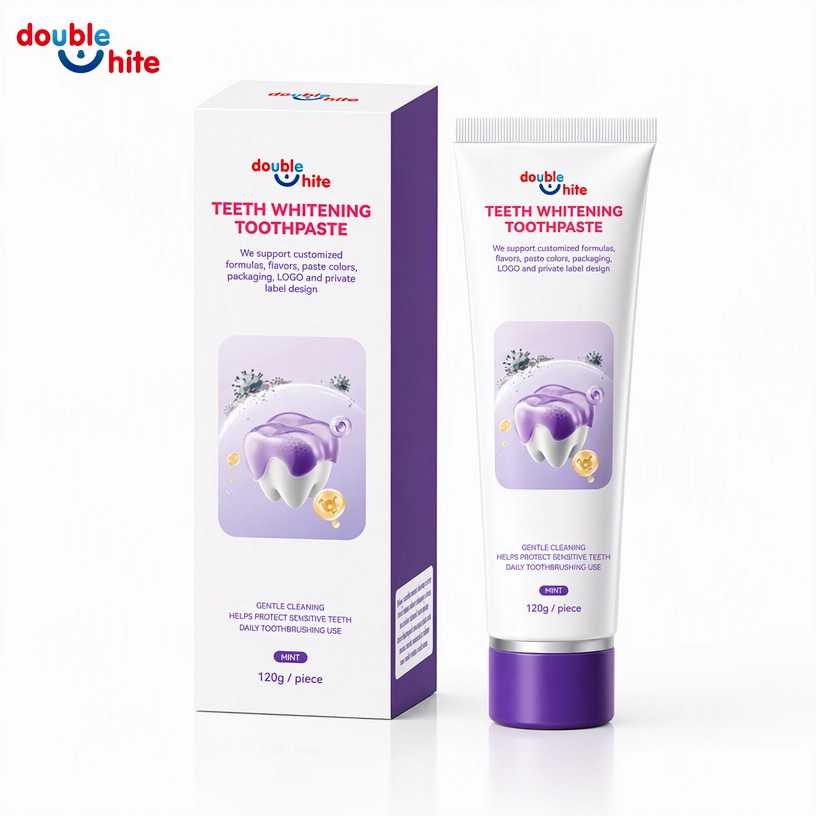
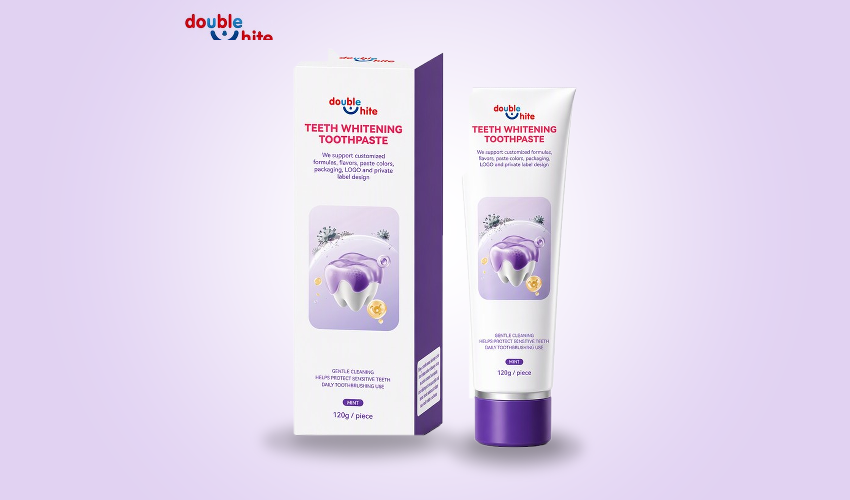
Teeth Whitening Toothpaste
Our enamel-safe whitening toothpaste removes stubborn stains without irritating exposed nerves. Formulated as an effective teeth whitening toothpaste for sensitive teeth, it strengthens enamel, prevents cavities, and brightens daily.
Send us your inquiry
Reach out to us through the form below or via the contact information provided.
Our dedicated team is committed to providing prompt and personalized responses to all your queries.
Please fill out the fields above with your full name, email address, and comment.


Copyright © 2026 Double White All Rights Reserved. Designed by gooeyun
Whatsapp: +8615920313473
cndoublewhite
Doublewhite
doublewhite
cndoublewhite
cndoublewhite
Double White