






Private Label Teeth Whitening Strips: A Complete Guide for Brand Owners
A practical guide to sourcing private label teeth whitening strips, from formula selection and packaging to compliance planning, MOQ discussions, and supplier evaluation.

- Quick Answer
- What Are Private Label Teeth Whitening Strips?
- How Private Label Teeth Whitening Strips Work
- Choosing a Teeth Whitening Strip Formula
- Selecting the Right Strip Format and Product Experience
- Packaging, Branding, and Labeling Requirements
- Compliance and Documentation Buyers Should Plan For
- Buyer Requirements and RFQ Checklist
- Common Private Label Whitening Strip Buying Mistakes
- What Determines the Cost of Private Label Teeth Whitening Strips?
- Cost Impact Table
- How to Get an Accurate Quote
- Cost Reduction Strategies
- How to Choose the Right Supplier for Cost Optimization
- From Supplier Shortlist to Product Approval
- Conclusion and Next Steps
- Discuss Your Project Requirements
- Frequently Asked Questions
- References
Private label teeth whitening strips are whitening products manufactured by a supplier and sold under a buyer's brand. Unlike simple resale or white label arrangements, private label sourcing allows customization of the formula, strip format, packaging, labeling, and product positioning to match your target market and sales channel. The decision extends far beyond branding: buyers must align formulation, documentation, minimum order quantity, logistics, and compliance requirements before production begins.
Quick Answer
Private label teeth whitening strips are supplier-manufactured products sold under your brand, with options for customized formulation, strip format, packaging, and labeling. Before ordering, confirm your destination market's regulatory requirements, select an active ingredient and strip format that match your positioning, define packaging and quantity specifications, request samples for approval, and evaluate the supplier's quality systems, documentation capability, MOQ, and fulfillment model. Prepare a complete RFQ with all technical and commercial details to receive an accurate quotation.
What Are Private Label Teeth Whitening Strips?
Private label versus white label and contract manufacturing
In a private label arrangement, a manufacturer produces teeth whitening strips according to your specifications and sells them under your brand. You control the commercial identity, market positioning, and brand strategy, while the supplier manages product development and production to your agreed specifications.
For more context on this related topic, see private label sensitive teeth whitening strips formulations.
White label typically refers to an existing product that can be sold under different brand names with minimal customization. Contract manufacturing is a broader relationship in which a supplier manufactures to your specification; it may include private label production but does not automatically imply formula or packaging customization. Understanding these distinctions helps you select the right sourcing model. For more guidance, see white label and private label sourcing models.
What customization can include
Customization options typically cover:
- Active ingredients: hydrogen peroxide, sodium chlorite, PAP, or specialized care formulations
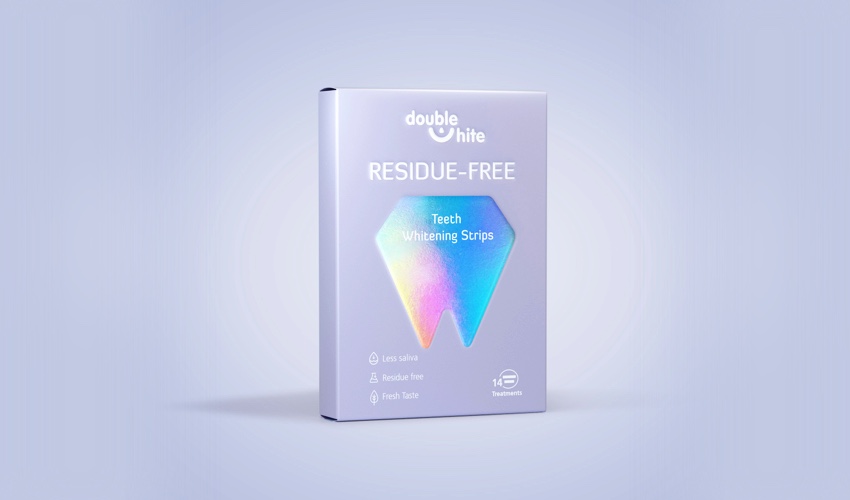
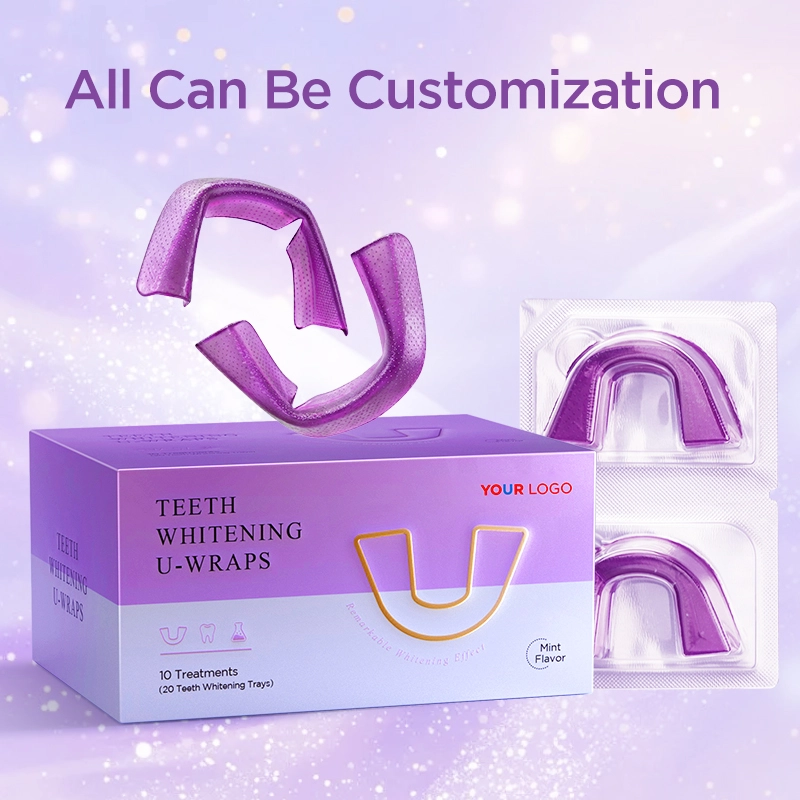
- Strip formats: wet gel, dry gel, no-residue, dissolvable, alcohol-free, polymer-free, or U-shaped designs
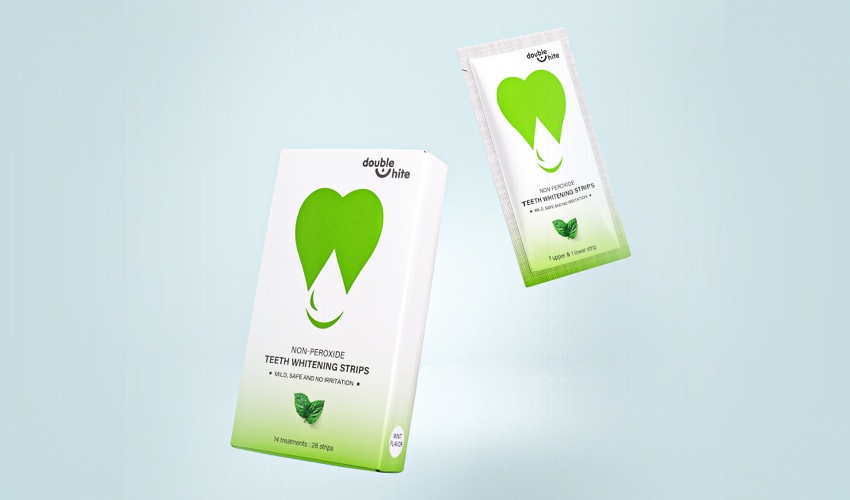
- Packaging: individual sachets, carton structure, quantity per box, film colors (purple, blue, pink, black), and material specifications
- Labeling: artwork, barcode, language versions, usage instructions, warnings, and storage information
- Product positioning: whitening, sensitive-use, remineralization, or gum-care claims
The available options depend on the supplier's capabilities and your destination market's regulatory requirements. Always confirm customization scope and technical specifications in writing before committing to an order.
Who typically buys private label whitening strips
Private label sourcing appeals to startups, wholesalers, established brands, e-commerce sellers, salons, training schools, dentists, and clinics seeking to offer branded oral-care products without building an internal manufacturing operation. Regardless of your business model, you remain responsible for market positioning, product claims, sales-channel compliance, and destination-market regulatory obligations. Planning your steps to start a private label teeth whitening strip brand helps clarify these responsibilities before you begin sampling.
How Private Label Teeth Whitening Strips Work
Product brief and target-market definition
Start by defining your destination country or region, sales channel (online, retail, clinic, salon), consumer profile, expected price positioning, and intended product claims. A product for an online value brand requires different format and packaging decisions than one designed for a dental clinic or premium salon. Clarifying these factors early prevents costly reformulation or packaging changes later.
Formula and strip-format selection
Next, identify the active ingredient route (hydrogen peroxide, sodium chlorite, PAP, or specialized care) and the user experience you want to deliver (quick application, no residue, sensitive-friendly, vegan, etc.). Request the supplier to confirm in writing the active concentration, complete ingredient list, wear time, rinsing requirements, adhesion behavior, residue profile, and storage conditions for your selected format. This written specification becomes your reference for sample evaluation and production.
Sample review and specification confirmation
Evaluate samples for fit, adhesion, gel distribution, residue, dissolution time, tooth coverage, pouch usability, odor, and instruction clarity. Record the exact formula, strip dimensions, packaging components, artwork version, and acceptance criteria in your approval documentation rather than relying on a general product name. This detail prevents disputes if the production batch differs from your approved sample.
Packaging and labeling development
Once your product specification is stable, prepare the carton design, sachet materials, artwork, barcode, language versions, warnings, storage information, and usage directions. Packaging decisions should follow your selected strip format because wet products and moisture-sensitive films require different barrier materials and protection strategies than dry or dissolvable formats. For detailed guidance, see custom packaging for private label teeth whitening strips.
Compliance review and production preparation
Before production, confirm the applicable product classification for your destination market, the complete documentation package required, approved artwork, inspection requirements, MOQ, shipping terms (DDP or DDU), and the change-control process. The private label model is commercially ready only when both the product specification and supporting documentation are finalized and approved in writing.
Choosing a Teeth Whitening Strip Formula
Hydrogen peroxide formulations
Hydrogen peroxide is the most familiar whitening active ingredient, but permitted concentration, claims, labeling, and product classification vary significantly by destination market. North America typically allows higher concentrations (3%, 6%, 8%), while mainland China emphasizes lower concentrations (under 3%). European markets have strict peroxide regulations that may favor non-peroxide alternatives. Always review current regulatory guidance for your target market before finalizing your formula choice. North American buyers should consult the U.S. Food and Drug Administration (FDA) - Cosmetic Products Guidance & Regulation.
Sodium chlorite formulations
Sodium chlorite is used as a non-hydrogen-peroxide formulation route in some markets. It may appeal to buyers seeking differentiation from conventional peroxide products, but its concentration, ingredient classification, claims, and required documentation still require market-specific confirmation. Sodium chlorite products are particularly common in European and Australian markets where peroxide restrictions apply.
PAP formulations
PAP (phthalimidoperoxycaproic acid) is used as a peroxide-alternative whitening agent in some formulations. Compare PAP with hydrogen peroxide based on your intended geography, consumer positioning, formula stability, claims, and available safety evidence rather than assuming one route is universally superior. Research literature on dental bleaching agents can be reviewed through National Center for Biotechnology Information (NCBI) - PubMed Central Research on Dental Bleaching Agents. For a structured comparison, see compare whitening strip formulations.
Non-whitening care and specialized strip concepts
Remineralization strips containing hydroxyapatite, Regesi formulations with silicon, calcium, and phosphorus active ions, and hyaluronic-acid gum-protection strips serve specialized care positions rather than functioning as whitening products. This distinction matters because the ingredient story, consumer claim, documentation requirements, and product instructions differ significantly. If you are considering a care or remineralization positioning, confirm the supplier's experience and documentation support for that specific category.
Selecting the Right Strip Format and Product Experience
Wet gel and dry gel strips
Wet gel strips use a gel-coated film and typically require 30–60 minutes of wear time and rinsing after use. They are prone to slipping and gel overflow. Dry gel strips use drying technology to improve adhesion and handling while maintaining similar wear times. Both formats may suit cost-sensitive market testing, but you must verify the final user instructions and sample behavior against your positioning before production.
For more context on this related topic, see compliance and certification considerations.
No-residue and dissolvable strips
No-residue formats are designed to leave minimal cleanup after use, with wear times of 15–30 minutes. Dissolvable strips use a single-layer structure intended to dissolve completely during wear (10–20 minutes). Confirm dissolution time, film structure, tooth coverage, moisture sensitivity, and whether rinsing remains necessary. Claims such as "no residue" or "dissolves completely" should be supported by the supplier's product specification and approved usage instructions.
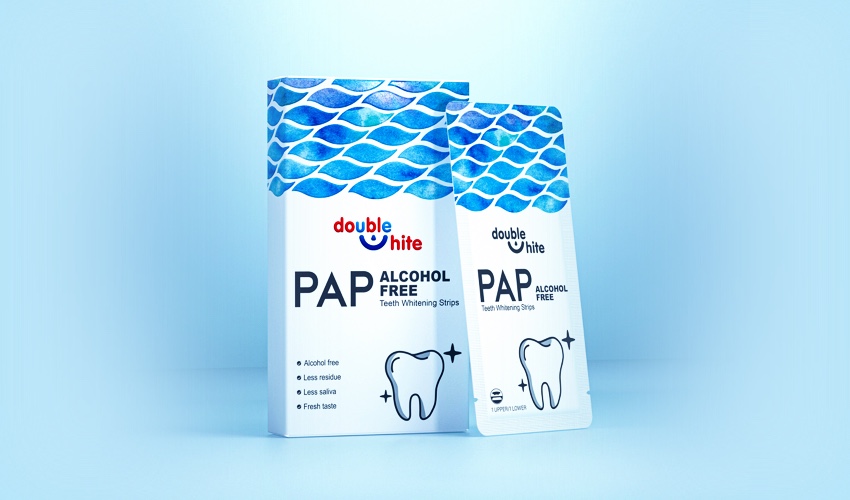
Alcohol-free and polymer-free options
Alcohol-free strips appeal to consumers seeking alcohol-free products and to markets where Halal compliance is commercially important, particularly in the Middle East. Polymer-free or reduced-polymer formats support vegan or natural-material positioning. Verify the complete ingredient list and any relevant certifications (Halal, vegan) rather than relying only on front-of-pack claims.
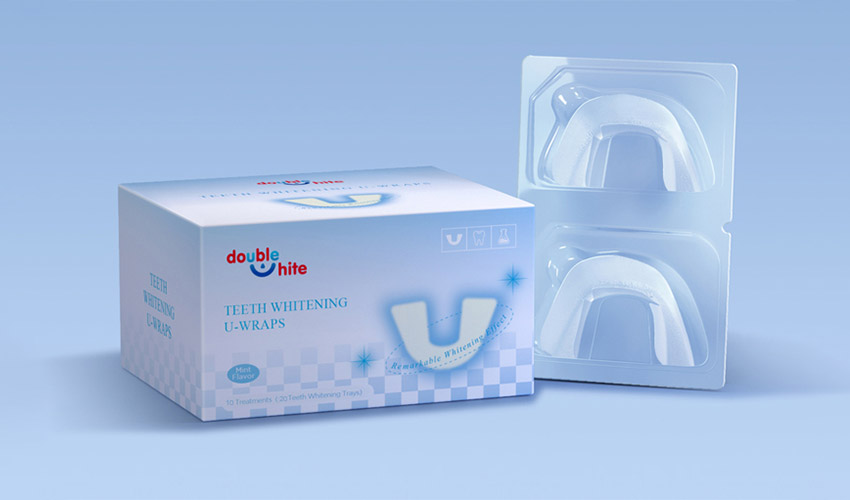
U-shaped strip designs
U-shaped formats wrap around the tooth surface and are positioned for broader coverage and uneven tooth alignment. Confirm suitability through physical samples because actual performance depends on tooth anatomy, strip flexibility, adhesion, and user technique.
Packaging and application implications
Format selection directly determines packaging requirements. Wet products require stronger moisture barriers; dissolvable films need protection from premature humidity exposure; individual pouches must allow clean opening and clear application instructions. When evaluating suppliers, ask how the proposed packaging matches your selected strip structure and whether it adequately protects the product during shipping and storage.
Packaging, Branding, and Labeling Requirements
Primary and secondary packaging options
Define the individual sachet material, pouch construction, carton structure, number of pairs per box, insert requirements, case packing configuration, and storage conditions. Packaging is part of product performance: an unsuitable moisture barrier can compromise shelf life and product efficacy. Specify material thickness, barrier properties, and printing requirements clearly in your RFQ.
Artwork and brand-system requirements
Prepare your logo, color system, typography, barcode placement, regulatory text area, and language versions before artwork approval. Colored top films can support visual differentiation (purple, blue, pink, black options), but confirm that the supplier uses pigment-free processing and that color stability is maintained throughout the product's shelf life.
Product instructions and claims
Usage directions must state application steps, wear time, rinsing requirements, storage conditions, warnings, and disposal information where required. Marketing claims must match your formula, active concentration, format, and available evidence. Brand design preferences must not replace legally required labeling. Have your destination market's regulatory requirements reviewed before finalizing artwork.
Packaging-market alignment
Packaging for a clinic, subscription e-commerce brand, wholesaler, or salon program may differ in quantity per box, language requirements, shipping configuration, and point-of-sale presentation. When evaluating suppliers, assess their artwork support and packaging compatibility alongside formula capability. See evaluate a private label manufacturer for a comprehensive supplier assessment framework.
Compliance and Documentation Buyers Should Plan For
Destination-market classification
Regulatory requirements vary by product classification, active ingredient, concentration, claims, sales channel, and destination market. North American buyers should review applicable guidance from the U.S. Food and Drug Administration (FDA) - Cosmetic Products Guidance & Regulation. European buyers should independently verify the rules applicable to their product and claims. Australian, Middle Eastern, and Asian markets have distinct regulatory frameworks. Always confirm classification and documentation requirements before finalizing your formula.
Ingredient and concentration disclosure
Request the complete ingredient information, active concentration, product specification, use directions, warnings, and storage requirements from your supplier. A supplier's preferred formula is not automatically suitable for every country or claim strategy. Confirm that the supplied formula meets your destination market's ingredient restrictions and concentration limits.
Safety and technical documentation
Depending on your market and product classification, you may need safety data sheets, toxicological risk assessment, product specifications, labeling review, and other market-specific evidence. Request the exact document name, issue date, scope, issuing body, and product reference. Distinguish between factory-level quality documents and product-level documents specific to your formula.
Factory-level versus product-level evidence
Factory-level documents describe the manufacturing organization or quality system (ISO22716, GMPC, ISO13485, SMETA 4P, BSCI). Product-level documents relate to a specific formula or finished product (CE, CPSR, MSDS, HALAL, VEGAN, TRA). Confirm each document's current validity, scope, issuing body, and applicability to your specific formula rather than treating all certificates as interchangeable. For manufacturing standards guidance, see International Organization for Standardization (ISO) - Cosmetics Standards.
Buyer Requirements and RFQ Checklist
Prepare a complete RFQ package to receive an accurate quotation and avoid clarification cycles. Include the following information:
Product brief
- Destination market and sales channel (online, retail, clinic, salon)
- Consumer profile and intended product positioning
- Formula preference and concentration requirement, if applicable
- Whitening, sensitive-use, care, or other product claims
Formula and format specifications
- Active ingredient: hydrogen peroxide, sodium chlorite, PAP, or specialized care concept
- Strip format: wet, dry, no-residue, dissolvable, alcohol-free, polymer-free, or U-shaped
- Strip dimensions, tooth coverage, wear time, rinsing requirements, adhesion, and residue specifications
- Sample quantity and acceptance criteria
Packaging and artwork inputs
- Quantity per box, sachet format, carton structure, and case packing
- Artwork, barcode, languages, instructions, warnings, storage, and disposal text
- Film color, material, moisture protection, and shipping configuration
Order and fulfillment requirements
- Expected order quantity and repeat-order frequency
- Customized packaging and formulation MOQ
- Destination, DDP or DDU preference, and importer responsibilities
- Whether dropshipping is required or excluded
Quality and approval checkpoints
Document approval criteria for samples, formula, artwork, packaging, finished goods, inspection scope, complaint handling, and changes to ingredients or materials. A complete RFQ allows suppliers to quote the same scope and reduces avoidable clarification cycles.
Common Private Label Whitening Strip Buying Mistakes
Choosing a formula before checking destination-market requirements
Selecting a formula without confirming regulatory requirements can result in a product that is commercially attractive but difficult to label, document, or sell in your intended market. Review product classification and claims requirements before final formula selection.
Treating all certifications as interchangeable
A factory quality certificate does not replace a product safety document, and a product assessment does not automatically prove factory-level compliance. Ask what each document covers and verify its scope and applicability to your specific formula.
Approving artwork before confirming technical specifications
If strip dimensions, wear time, ingredients, or storage conditions change after artwork approval, packaging and claims may require revision. Approve the complete technical specification before final artwork release.
Comparing suppliers only by unit price
A lower unit quotation may exclude samples, artwork preparation, testing, documentation, inspection, freight, duties, or special packaging. Compare total commercial scope and risk, not only the product line price. Request itemized quotations that clearly show what is included and excluded.
Overlooking packaging, storage, and fulfillment constraints
Unclear moisture protection, unsuitable storage instructions, an unconfirmed MOQ, or unsupported dropshipping assumptions create downstream cost and operational risk. Confirm all terms in writing before production.
Requesting quotations without complete specifications
Incomplete RFQs result in incomplete quotations and require multiple clarification cycles. Send all technical and commercial details at once so suppliers can provide accurate pricing and delivery timelines.
What Determines the Cost of Private Label Teeth Whitening Strips?
Material and active ingredient
Formula ingredients, active concentration, gel loading, film structure, backing material, and moisture-barrier requirements directly determine material cost. A thinner or dissolvable film is not automatically less expensive because it requires tighter process control and more protective packaging. Specialized formulations (alcohol-free, polymer-free, remineralization) may require additional raw materials and validation.
Strip format and film structure
Different formats (wet gel, dry gel, dissolvable, U-shaped) require different materials and manufacturing processes. Dissolvable strips require single-layer technology and precise dissolution timing. U-shaped designs require custom die-cutting and tighter dimensional tolerances. Each format variation affects material purchasing, tooling, and production efficiency.
Packaging complexity
Individual sachet construction, carton printing, colored top films, multiple language versions, inserts, and special case packing all add component and labor cost. Moisture-barrier materials and specialized pouch construction increase packaging expense. Evaluate whether each packaging feature is necessary for your sales channel and positioning.
Order quantity and MOQ
Order quantity affects material purchasing efficiency, production planning, packaging setup costs, and inventory exposure. Smaller orders incur higher per-unit setup costs. Confirm the supplier's MOQ for customized packaging and formulation projects; it typically ranges from 500 to 2,000 boxes depending on complexity.
Artwork and documentation
Artwork preparation, claims review, language versions, barcode integration, and regulatory text all require supplier time. Additional languages, complex claims, or multiple artwork revisions increase preparation cost. Compliance documentation, testing, and market-specific certifications also add cost.
Logistics and delivery terms
DDP (Delivered Duty Paid) and DDU (Delivered Duty Unpaid) have different cost implications. DDP includes freight, duties, and customs clearance; DDU places those responsibilities on the buyer. Destination country, freight mode, and customs complexity all affect total landed cost.
Cost Impact Table
The table below is a decision framework, not a price estimate. The impact level describes how strongly each variable can change quotation scope when the requirement is added or made more complex.
| Cost Variable | Impact Level | Why It Changes Quotation Scope |
|---|---|---|
| Formula and active concentration | High | Changes ingredients, documentation, claims review, and sometimes market-specific development or testing. |
| Strip format and film structure | High | Different wet, dry, dissolvable, polymer-free, or U-shaped structures require different materials and process controls. |
| Packaging barrier and individual sachets | High | Moisture protection, pouch construction, printing, and filling requirements add component and validation scope. |
| DDP, DDU, and destination requirements | High | Freight, duties, customs responsibilities, and delivery scope differ by destination and shipping term. |
| Artwork and language versions | Medium | Additional languages, claims review, barcodes, and artwork revisions increase preparation and approval work. |
| Order quantity and MOQ | Medium | Quantity affects purchasing, production planning, packaging setup, and inventory exposure. |
| Special shape or tight dimensions | Medium | Complex cutting and tighter consistency requirements increase setup, inspection, and yield risk. |
How to Get an Accurate Quote
Complete quote checklist
Send the supplier one complete information package rather than requesting a price from a product name alone. Include:
- Application: target market, sales channel, consumer profile, and intended claims
- Formula: active ingredient, concentration requirement if applicable, ingredients, and specialized care positioning
- Strip: format, dimensions, film structure, wear time, rinsing, adhesion, residue, dissolution, and tooth coverage
- Packaging: sachet, carton, quantity per box, material, moisture barrier, film color, artwork, languages, barcode, and case packing
- Commercial scope: order quantity, MOQ, destination, DDP or DDU preference, inspection, and fulfillment model
- Approval: sample requirements, acceptance criteria, documentation requested, artwork approval, and change-control expectations
What to ask about the quotation
Request itemized pricing that clearly shows:
- What is included in the quoted price (samples, artwork, testing, documentation)
- What is excluded or estimated separately
- What is subject to final sample confirmation
- Delivery timeline and any conditions that could extend it
- Payment terms and required deposits
- Quality inspection scope and acceptance criteria
- Warranty and complaint-handling process
Incomplete information produces an incomplete quotation. Clarify all assumptions before committing to an order.
Cost Reduction Strategies
Design-for-manufacturing review
A design-for-manufacturing (DFM) review for whitening strips should examine:
- Film structure: Can you simplify the backing material or gel formulation without compromising performance?
- Strip dimensions: Can you standardize dimensions to reduce tooling complexity?
- Cut complexity: Can you simplify the shape or reduce dimensional tolerances?
- Gel loading: Can you reduce active ingredient concentration while maintaining efficacy claims?
- Pouch barrier: Can you use a simpler material that still meets moisture-protection requirements?
- Carton size: Can you reduce carton dimensions or simplify printing?
- Packing configuration: Can you standardize case packing to reduce labor?
Simplifying nonessential features can improve production consistency and reduce cost without weakening your product requirement. Standardizing the number of pairs per box, limiting unnecessary language or artwork variations, and using an established strip format also reduce setup and inventory complexity. Balance these choices against your brand positioning and destination-market expectations.
Material and finish decisions
Choose formula and film based on the required consumer experience rather than adding features without a defined purpose. Confirm whether colored top film, special printing, inserts, premium cartons, or additional sachet finishes are necessary for your sales channel.
Request a comparison between your preferred specification and a simpler compliant alternative. The comparison should identify changes to user experience, claims, packaging protection, documentation, and fulfillment—not just the apparent unit-cost difference. Sometimes a simpler specification delivers the same market positioning at lower cost.
How to Choose the Right Supplier for Cost Optimization
Manufacturing and quality-system evidence
Ask for current evidence of the relevant quality system, incoming-material controls, in-process checks, finished-product inspection, batch traceability, complaint handling, and change control. For manufacturing standards guidance, see International Organization for Standardization (ISO) - Cosmetics Standards. A supplier with strong quality controls reduces the risk of costly rework, complaints, and regulatory issues.
Formulation and customization support
Confirm that the supplier can support your required active ingredient, concentration, strip format, packaging structure, claims review, and destination market. The supplier should distinguish standard formulas from genuinely customized development. Customization typically costs more but may be necessary for your positioning.
Production capability and MOQ
Check current production lines, capacity for your required product, MOQ, packaging minimums, sampling process, and order scheduling. Confirm whether the supplier's MOQ aligns with your business plan. Higher MOQs reduce per-unit cost but increase inventory risk.
Documentation and market support
Request product-level documents by formula and market, then verify their validity and scope. A supplier experienced in your destination market can guide you through compliance requirements and reduce documentation delays. Do not rely on certification logos without receiving the underlying evidence.
Logistics and commercial fit
Confirm whether the supplier supports DDP or DDU, whether overseas warehousing is available, and whether dropshipping is excluded. Understand how these choices affect your total landed cost and operational complexity. A supplier that offers flexible fulfillment options may reduce your working capital requirements.
Supplier example: Double White Medical Technology Development
As a reference point, Double White Medical Technology Development (Guangzhou) Co. LTD has operated since 1999 and operates a 30,000-square-meter Class 100,000 cleanroom facility with 300+ employees and 8 fully automated production lines. For customized packaging and formulation orders, the company lists an MOQ of 1,000 boxes. The company supports DDP and DDU door-to-door delivery but does not operate overseas warehouses or support dropshipping. Confirm all current figures and scope directly with the supplier before procurement, as capabilities and terms may change.
From Supplier Shortlist to Product Approval
Compare supplier responses
Send the same RFQ and evidence checklist to each shortlisted supplier. Compare formula, format, packaging, documents, MOQ, inspection scope, shipping terms, and exclusions. Request itemized quotations so you can compare total cost and scope, not only unit price.
Review samples and documents
Check physical user experience against the written specification. Confirm that the sample formula, strip structure, packaging, and instructions match the documents provided. Evaluate samples for fit, adhesion, residue, dissolution, and packaging usability.
Confirm commercial specifications
Record the approved quantity per box, packaging components, artwork version, shipping term, destination, order quantity, and inspection requirements in your purchase documentation. This detail prevents disputes during production.
Approve packaging and labeling
Obtain written approval for ingredients, claims, languages, warnings, storage, and barcode information before production artwork is released. Have your destination market's regulatory requirements reviewed before final approval.
Establish change-control and reorder expectations
Define which changes require your approval, including ingredients, film materials, packaging, suppliers, and manufacturing processes. Clarify how quality complaints, document updates, and reorder specifications will be handled. A written change-control agreement prevents costly surprises during repeat orders.
Conclusion and Next Steps
Private label teeth whitening strips are best treated as a coordinated product-development and sourcing decision. Formula, strip format, packaging, claims, documentation, MOQ, and logistics must describe the same finished product and the same destination market. Cost is determined by the cumulative effect of these choices, not by unit price alone.
Before committing to production, prepare a complete RFQ with all technical and commercial details, request itemized quotations from multiple suppliers, review representative samples, verify market-specific documents, record approved artwork and specifications, and confirm commercial exclusions in writing. This process gives you a clearer basis for comparing suppliers, negotiating terms, and managing repeat orders.
Discuss Your Project Requirements
Share your target market, preferred formula, strip format, packaging concept, documentation needs, order quantity, and fulfillment requirements. A supplier can review your specifications and provide an accurate quotation based on your exact project scope.
Frequently Asked Questions
References
Purple Violet Teeth Whitening U-Wraps for Private Label & Wholesale
Purple Teeth Whitening U-Wraps: Private Label Sourcing Guide for Brands
How Do Purple Teeth Whitening Strips Work? A Color-Correction Guide for Private Label Buyers

Whitening Pen Applicator & Dispensing Guide: What Buyers Should Check Before Bulk Production
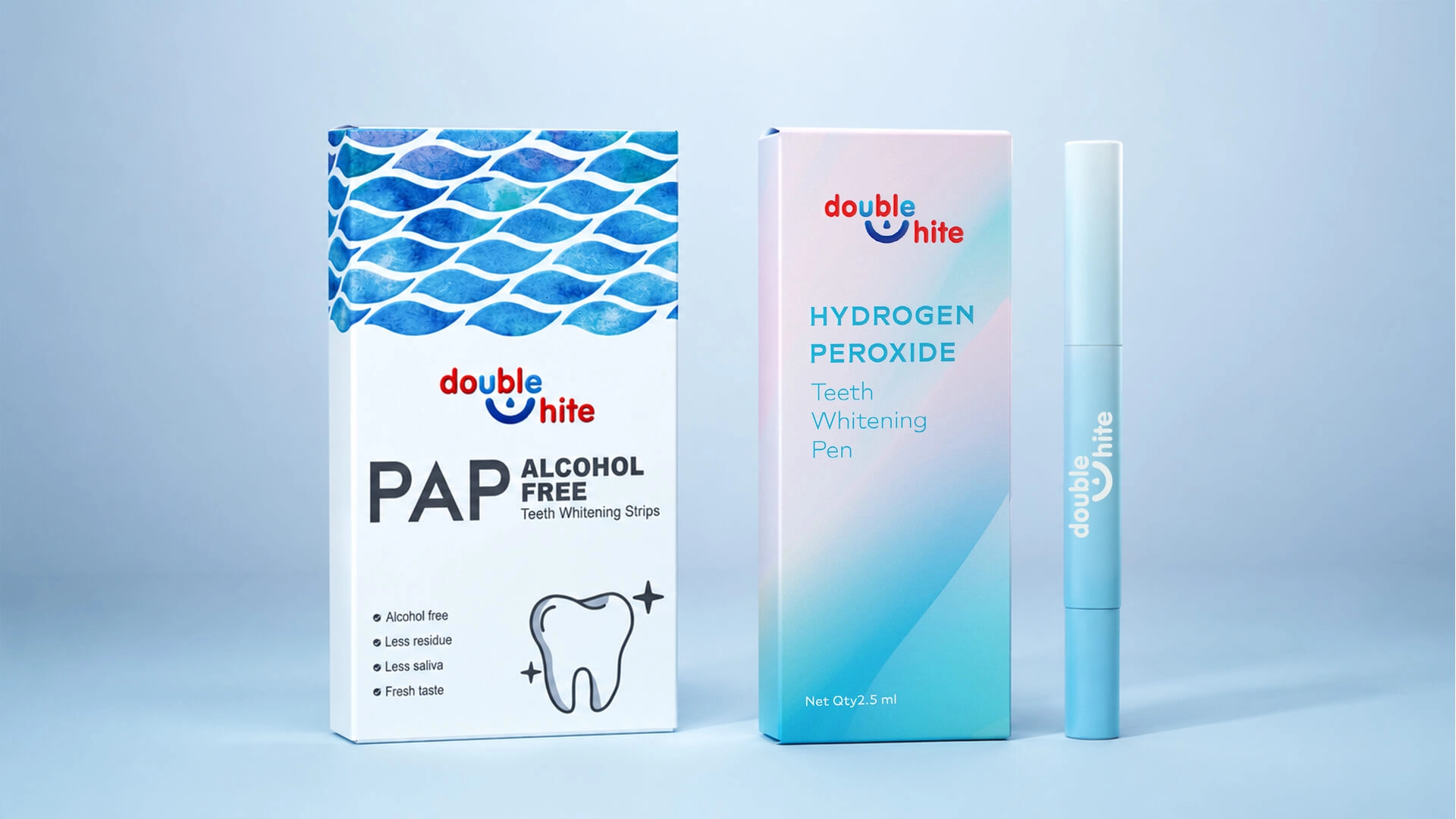
Whitening Pen Formula Stability: What Buyers Should Test Before Bulk Production
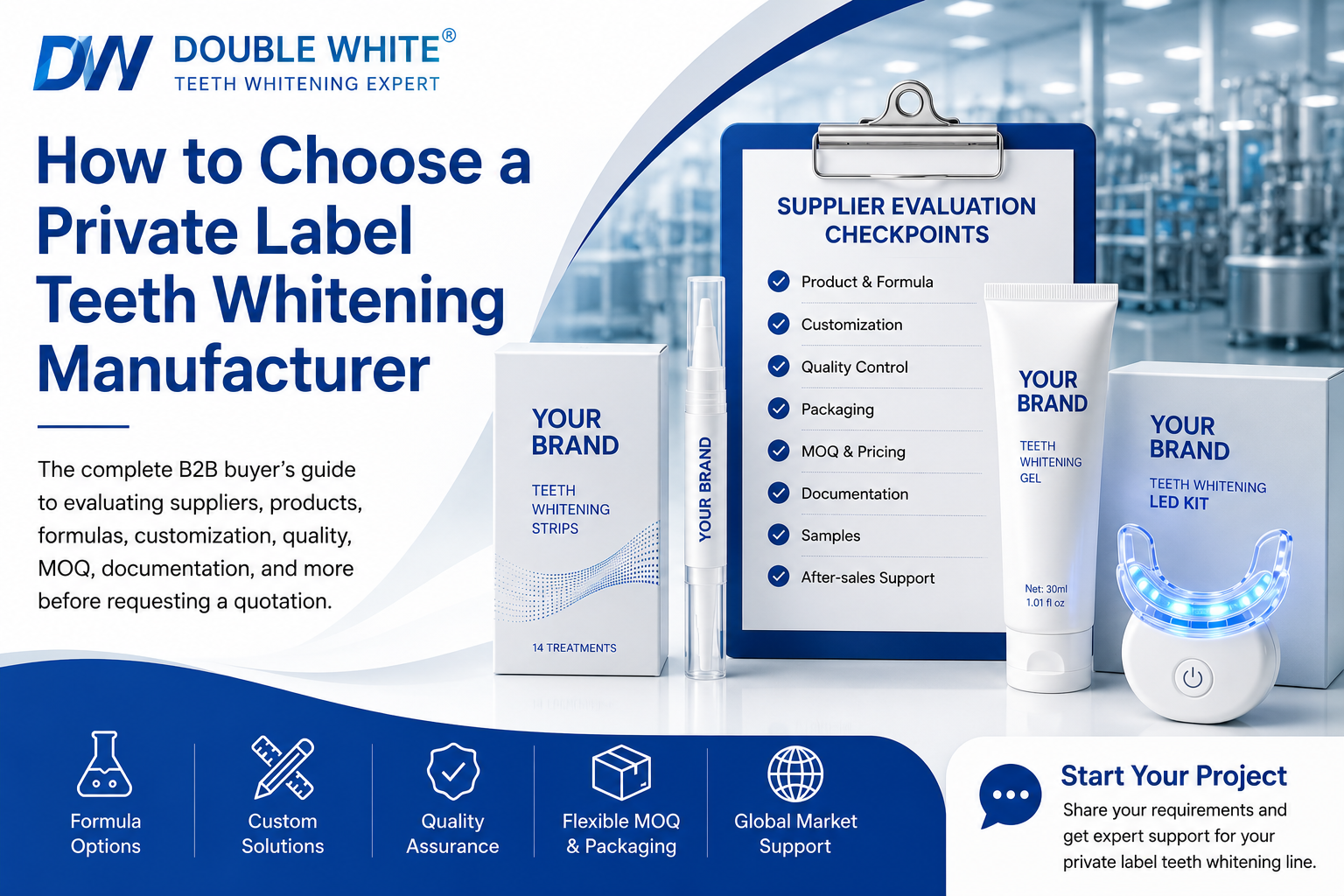
How to Choose a Private Label Teeth Whitening Manufacturer
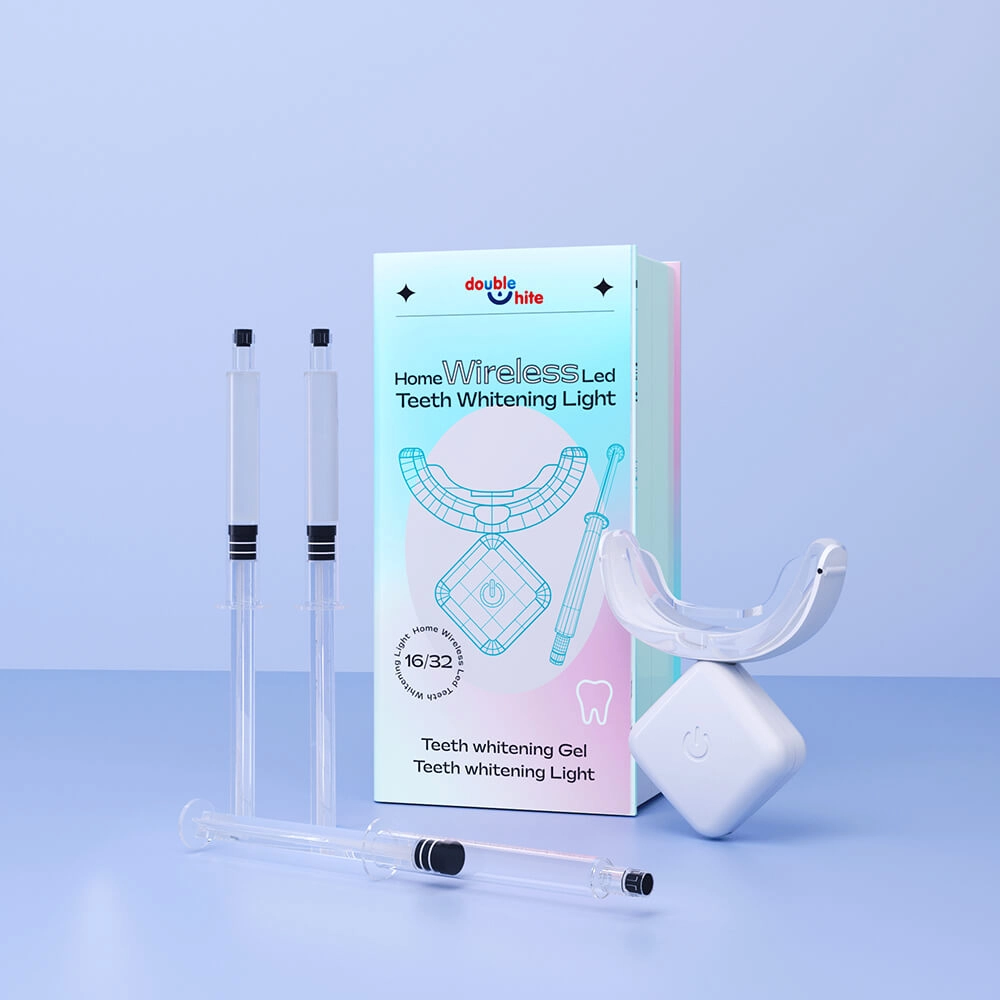
Teeth Whitening LED Home Kits
Explore OEM and private label LED teeth whitening kits with configurable whitening gel options, device components, accessories and retail packaging. Final specifications, documentation and customization availability are reviewed for each project.
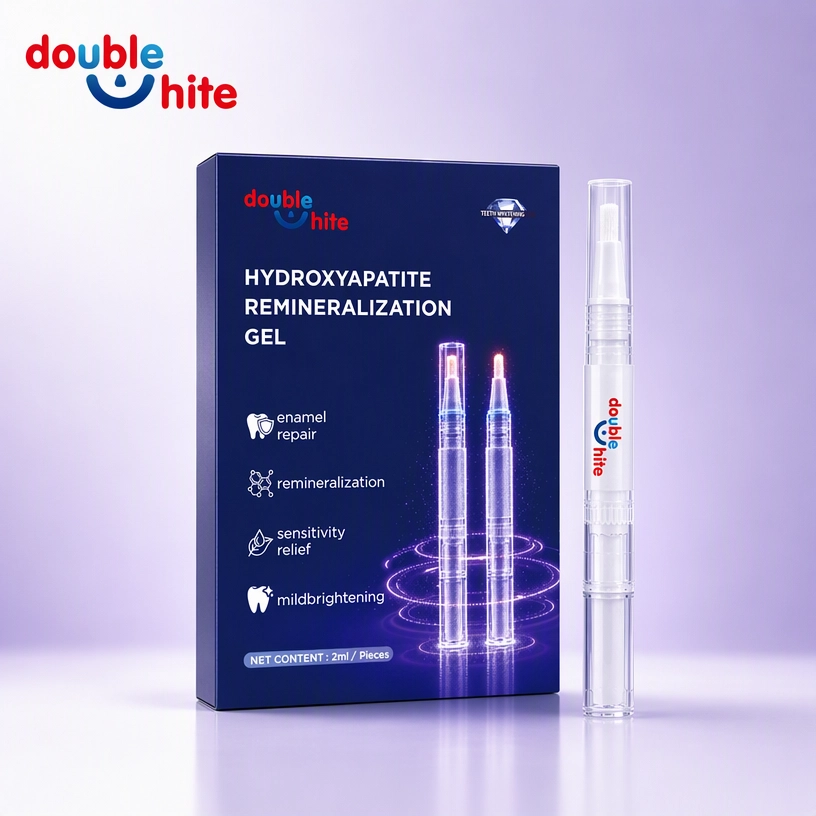
Hydroxypatite Remineralization Teeth Whitening Gel
Hydroxyapatite (HAP) oral-care gel for OEM and private label projects. Confirm actual composition, dispenser, fill volume, stability, packaging and testing before making remineralization, enamel repair or sensitivity claims.
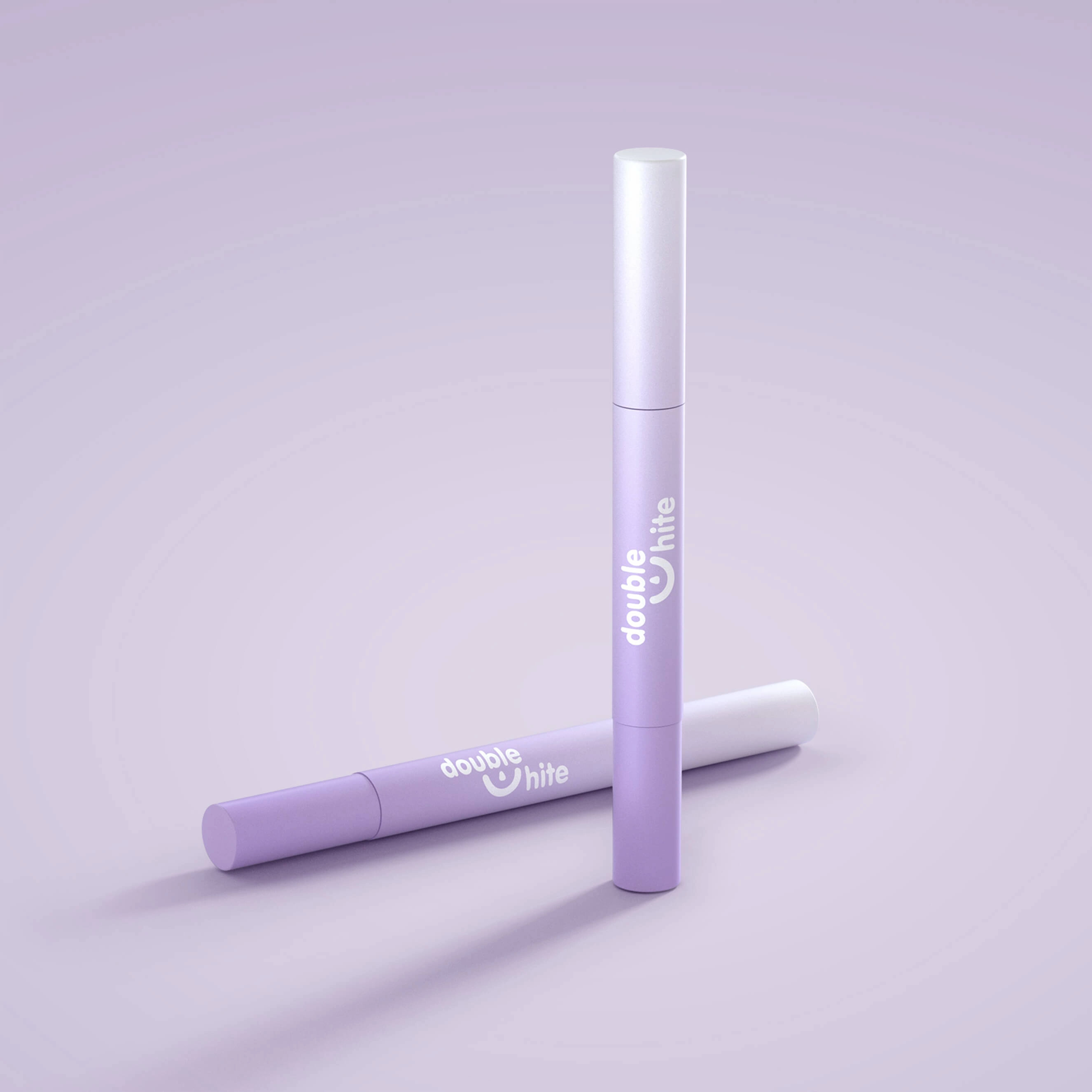
Customized Teeth Whitening Gel Pen HP01
Hydrogen Peroxide Gel Pen (HP01) for OEM and private label sourcing. Review the verified hydrogen peroxide formula, dispensing system, sample specifications, packaging, quality documentation and destination-market requirements. No universal safety or performance claims are implied.
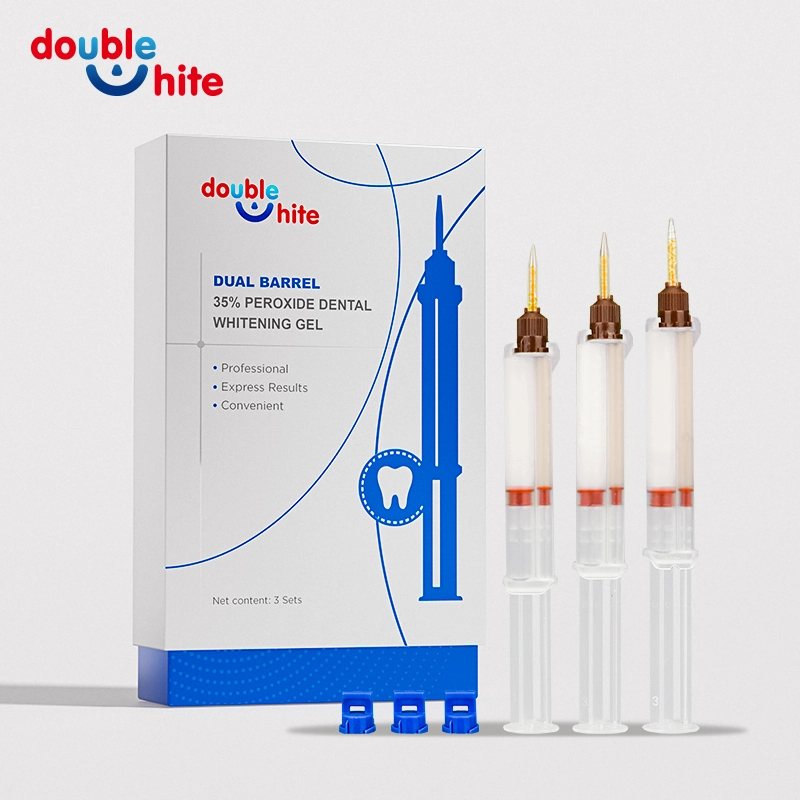
Dual barrel 35% Peroxide Dental Whitening Gel
Dual-Barrel Professional Peroxide Dental Gel (Dual Barrel) for OEM and private label sourcing. Review the verified peroxide (35% marketed concentration; basis requires verification) formula, dispensing system, sample specifications, packaging, quality documentation and destination-market requirements. No universal safety or performance claims are implied.
Send us your inquiry
Reach out to us through the form below or via the contact information provided.
Our dedicated team is committed to providing prompt and personalized responses to all your queries.
Please fill out the fields above with your full name, email address, and comment.


Copyright © 2026 Double White All Rights Reserved. Designed by gooeyun
Whatsapp: +8615920313473
cndoublewhite
Doublewhite
doublewhite
cndoublewhite
cndoublewhite
Double White