






Private Label Teeth Whitening Strips Manufacturer: From Formula Selection to Retail Packaging
A practical buyer guide to developing private-label teeth whitening strips, including formula selection, packaging, compliance, supplier evaluation, and common purchasing mistakes.

- Quick Answer
- What Is a Private-Label Teeth Whitening Strips Manufacturer?
- How a Private-Label Whitening Strip Project Works
- Choosing the Right Whitening Formula and Strip Format
- Product Customization: Strips, Films, Packaging, and Brand Presentation
- Market Compliance and Documentation Buyers Should Confirm
- Buyer Requirements, Cost Drivers, and Common Mistakes
- How to Choose the Right Private-Label Teeth Whitening Strips Manufacturer
- Private-Label Project Decision Checklist
- Explore the Right Solution for Your Application
- Frequently Asked Questions
- References
Quick Answer
A private-label teeth whitening strips manufacturer converts a brand’s product brief into branded strips, packaging, documentation, and finished goods. A sound project starts with the target market, intended user, sales channel, and product classification—not with an active ingredient selected in isolation.
Buyers typically compare hydrogen peroxide, sodium chlorite, and PAP formulation routes, then evaluate strip format, wear experience, packaging compatibility, documentation, minimum order quantity, inspection responsibilities, and delivery terms. The buyer remains responsible for market positioning, final claims, and confirming local regulatory or import requirements.
What Is a Private-Label Teeth Whitening Strips Manufacturer?
Private label, OEM, and ODM
Private label means that a manufacturer produces a product sold under another company’s brand. The buyer may select an existing formula platform, strip format, pack configuration, and packaging direction while controlling the brand presentation and commercial positioning.
OEM and ODM are used inconsistently in oral-care sourcing. In practical terms, an OEM-style project usually follows a buyer-defined specification. An ODM-style project may begin with an existing product platform and involve more supplier input on formulation, format, or presentation. The quotation should state exactly which activities are included instead of relying on the label alone.
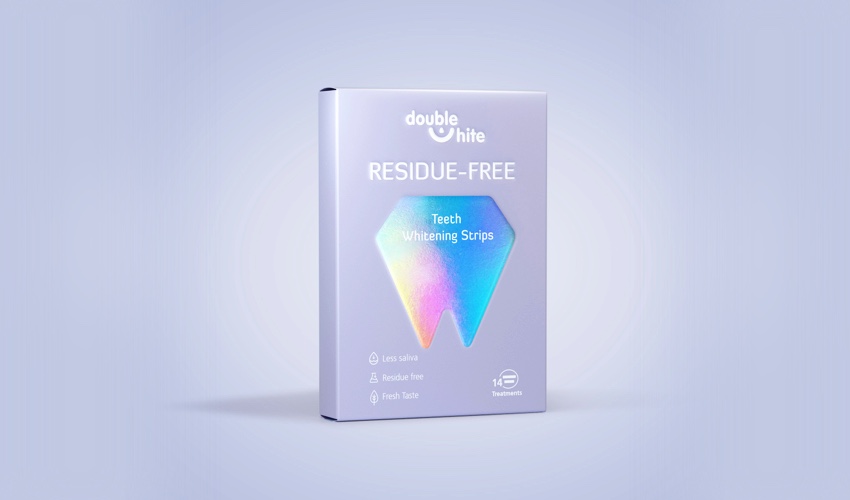
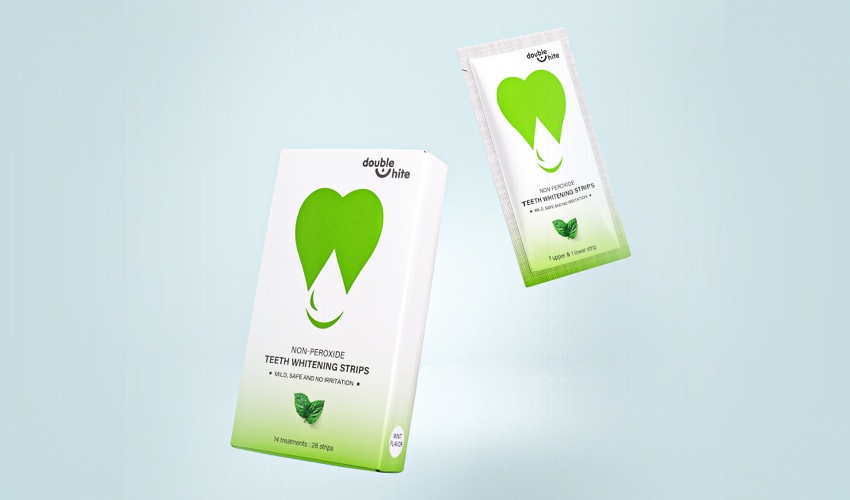
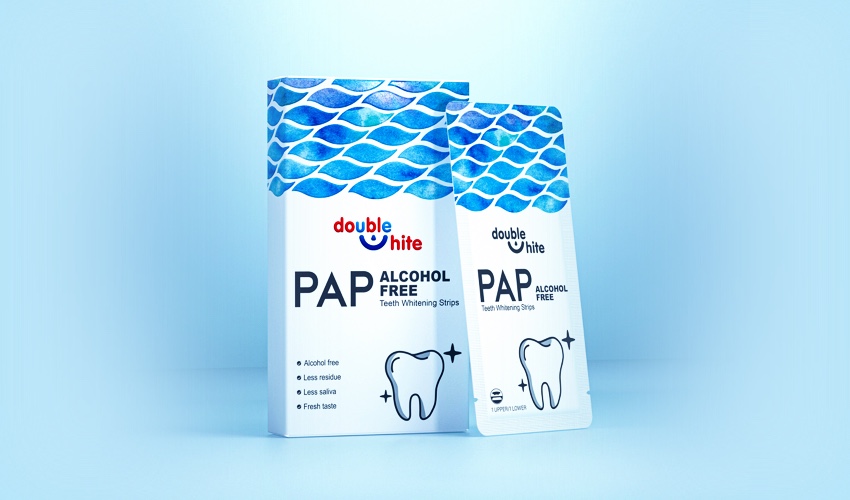
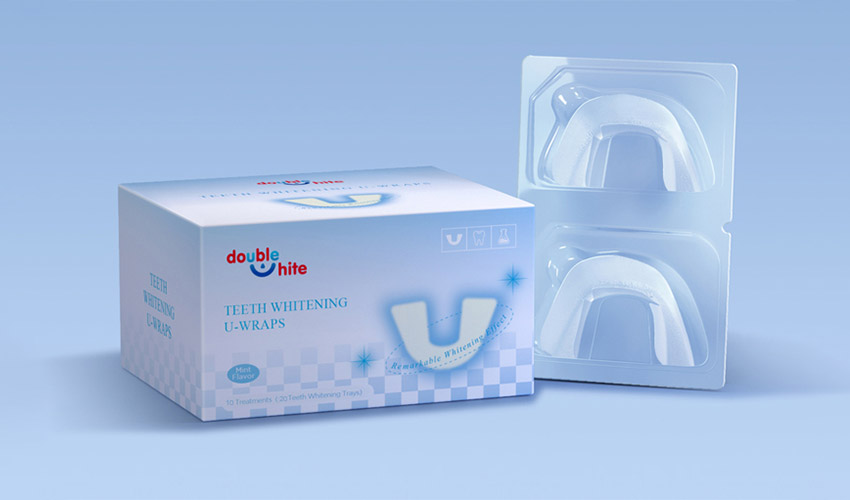
For broader manufacturing and supplier-selection context, see this overview of a teeth whitening strips factory. Buyers comparing formats and presentation options can also review available product and packaging customizations.
What a private-label project usually includes
- Formula or active-system selection
- Strip format, coverage, and wear instructions
- Product specifications and sample approval
- Sachets, cartons, labels, and artwork adaptation
- Applicable ingredient, safety, testing, and risk-assessment documents
- Production, inspection, packing, and shipment coordination
It does not automatically include market authorization, legal review, or every document required by an importer or retailer. Responsibility should be assigned among the buyer, manufacturer, importer, and local regulatory adviser.
Who uses this model?
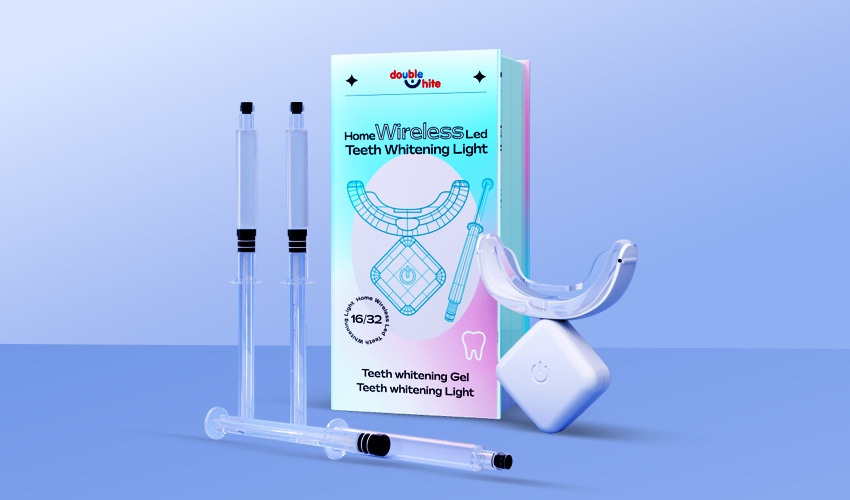
Private label can suit startups testing an oral-care concept, wholesalers building a branded range, e-commerce sellers seeking product differentiation, salons and training schools adding retail products, and dental businesses developing an at-home product range. Established brands may also use it for complementary products such as whitening gel pens or LED home kits.
The model is most practical when the buyer has a defined destination market, a realistic order plan, an owner for artwork and claims, and a process for approving samples and documents.
How a Private-Label Whitening Strip Project Works
- Define the market and customer. Specify the destination country or region, consumer profile, sales channel, product classification, and positioning. A pharmacy product, online-only product, and professional-channel product may require different claims, instructions, and documentation.
- Select the formula and format together. Compare the active system with the intended wear experience, sensitivity positioning, residue expectations, packaging, and regulatory pathway. Relevant formats include wet, dry, no-residue, dissolvable, alcohol-free, polymer-free, and U-shaped strips.
- Approve samples against written criteria. Evaluate adhesion, coverage, residue, dissolution, comfort, appearance, instructions, and packaging usability. The approved sample should be identified by formula route, strip format, pack count, and revision number.
- Lock artwork and packaging. Review ingredients, directions, warnings, language, barcode requirements, country-of-origin information, and claims against the approved formula and documents before printing.
- Complete document review. Match each document to the exact product, packaging configuration, and destination market. Factory-level certification is not the same as product-level evidence.
- Confirm production, inspection, and shipment. Record quantity, packaging scope, inspection method, change-control rules, delivery terms, customs responsibilities, and shipment documents in the purchase specification.
Project economics depend on more than unit price. Packaging complexity, formula route, artwork work, testing documents, inspection, carton configuration, freight, and delivery terms can all change the quotation scope. See these MOQ and project cost factors when preparing a purchasing budget.
Choosing the Right Whitening Formula and Strip Format
Hydrogen peroxide, sodium chlorite, and PAP are different formulation routes. The appropriate choice depends on the destination market, permitted claims, product classification, user expectations, documentation, and sample performance. No single route is universally suitable.
| Option | Buyer considerations | Questions for the RFQ |
|---|---|---|
| Hydrogen peroxide | A familiar whitening active based on oxidation chemistry. Market acceptance, concentration, instructions, claims, and safety review must be assessed for the specific product. | What formula range and product classification are available for the destination market? Which documents support the final formula? |
| Sodium chlorite | A non-hydrogen-peroxide route used in some product concepts. Taste, residue, wear experience, packaging compatibility, and labeling remain important. | How is the complete formula documented, and what claims and instructions are supportable? |
| PAP | Phthalimidoperoxycaproic acid is a peroxy-acid active used in some whitening concepts. Its technical terminology, market classification, evidence, and claims should receive qualified review. | What scientific and product-level evidence is available for the intended market and final formula? |
| Alcohol-free | May support an alcohol-free positioning or market preference. The claim should match the complete formula and any applicable assessment. | Is the formula genuinely alcohol-free, and can the claim be documented for the destination? |
| Dissolvable | Designed to dissolve during use, potentially reducing removal and rinsing requirements. Dissolution behavior and instructions must be checked in samples. | What are the use instructions, dissolution expectations, and packaging protection requirements? |
| Polymer-free or natural-positioned | May support reduced-synthetic-material positioning, but composition, vegan status, and environmental claims require evidence. | Which materials are used, and which sustainability or vegan statements are supportable? |
| U-shaped | May provide a different coverage pattern for front-and-back tooth surfaces or uneven alignment. Fit must be assessed with representative users. | How is coverage evaluated, and what limitations should appear in the instructions? |
Scientific literature is useful for understanding dental bleaching chemistry and evidence limitations. The National Center for Biotechnology Information PubMed Central research repository is a research starting point, not a substitute for a product-specific safety assessment or regulatory review.
Specialized care strips are not automatically whitening products
Remineralization strips containing hydroxyapatite or mineral-active systems and hyaluronic-acid gum-protection strips are separate care concepts. They do not contain whitening ingredients according to the supplied product information and should not be presented with whitening claims unless the final product and evidence support that positioning.
For a deeper active-system comparison, see how brands compare hydrogen peroxide, PAP, and sodium chlorite strips.
Product Customization: Strips, Films, Packaging, and Brand Presentation
Strip shape and coverage
Define upper and lower strips, coverage area, application method, wear instructions, and tooth-alignment considerations before requesting quotations. A change in shape can affect handling, adhesion, coverage, and the amount of film or gel required.
Wet, dry, no-residue, and dissolvable formats
Wet gel strips may require rinsing and can present handling or overflow concerns. Dry gel formats focus on placement and adhesion. No-residue formats target a cleaner post-use experience, while dissolvable strips are designed to disappear during use. These differences affect instructions, packaging protection, consumer expectations, and sample acceptance criteria.
Film color and visual differentiation
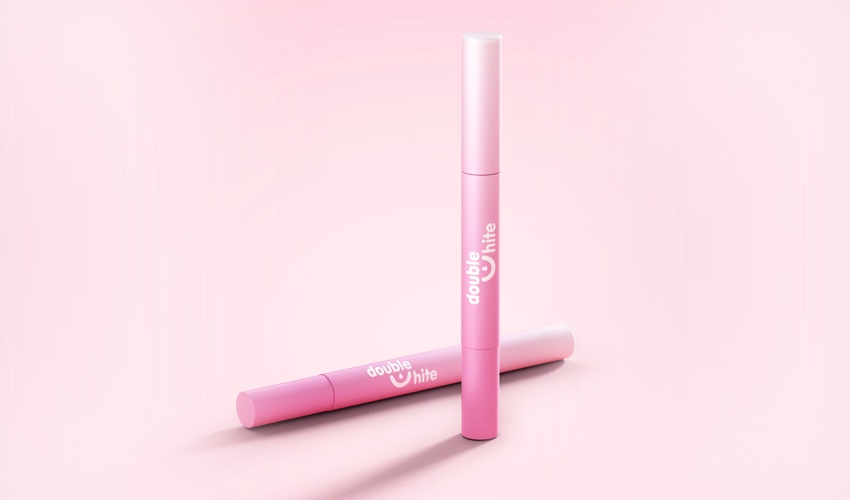
Colored top films may help distinguish products in retail or online presentation. Available options include purple, blue, pink, and black film variants according to the supplied product information. Color stability, pigment-free processing, formula compatibility, and the accuracy of related claims should be verified for the specific SKU.
Retail packaging and artwork control
Include sachet configuration, applications per carton, individual wrapping, carton dimensions, shipping-case configuration, language versions, barcode requirements, and artwork ownership in the specification. Also establish whether the quotation covers packaging procurement, printing, assembly, or only finished-product packing.
Keep one approved artwork file linked to the final product specification. Ingredient declarations, directions, warnings, whitening claims, sensitivity language, alcohol-free statements, vegan positioning, and regulatory references must match the approved formula and supporting documents.
Market Compliance and Documentation Buyers Should Confirm
Use regional information as planning guidance
Regional formulation patterns are useful for initial planning but are not universal legal rules. North American projects may review hydrogen peroxide options; European projects may investigate non-hydrogen-peroxide routes such as sodium chlorite or PAP; Australia, Mainland China, the Middle East, and emerging markets may apply different expectations for active systems, labeling, alcohol-free positioning, and classification.
These examples should not replace current legal review. The importer or brand owner should confirm requirements with a qualified adviser before approving the formula. For U.S. cosmetic guidance and labeling considerations, consult the U.S. Food and Drug Administration guidance on cosmetics regulation.
Separate factory-level and product-level evidence
Factory-level evidence describes manufacturing or quality systems. Product-level evidence relates to the exact formula, ingredients, packaging, safety assessment, testing, risk assessment, labeling, or market submission. One category does not replace the other.
When evaluating a supplier, ask for the scope, validity, issuing body, and product applicability of each certificate or report. The ISO cosmetics standards resource provides useful context for assessing cosmetic manufacturing and good-practice frameworks, but it does not automatically approve a particular whitening strip.
Documents to request before shipment
- Final ingredient and product specification information
- Applicable safety, testing, and material documents
- Product-level assessments or toxicological risk information where relevant
- Applicable certificates for the specific product or facility
- Approved artwork and labeling files
- Packing list, commercial invoice, and shipment documentation
Buyer Requirements, Cost Drivers, and Common Mistakes
A useful RFQ should identify the target market, customer, sales channel, formula preference, strip format, pack count, packaging concept, expected quantity, documentation needs, delivery destination, and preferred Incoterms. It should also state whether the buyer needs a private-label platform or fully custom development.
Quotation cost drivers
- Formula route and level of formulation development
- Strip format, shape, coverage, and sample revisions
- Film type, color, sachet structure, carton design, and print specifications
- Testing, assessments, certificates, artwork adaptation, and translation
- Inspection, packing configuration, freight, insurance, and delivery terms
- Order quantity and the applicable MOQ for the exact project
Do not compare quotations by unit price alone. A lower figure may exclude artwork, documents, inspection, packaging components, freight, or import-related responsibilities.
Frequent purchasing mistakes
- Choosing the formula before the market: A later classification or claims review may require reformulation and new artwork.
- Approving appearance only: A strip can look acceptable while needing further review for adhesion, residue, dissolution, comfort, or coverage.
- Changing the formula after artwork approval: This can make labels and cartons obsolete.
- Treating a factory certificate as product approval: Always match evidence to the final SKU.
- Leaving change control undefined: Agree how formula, film, packaging, and artwork changes are approved for repeat orders.
- Assuming standard logistics include fulfillment: DDP or DDU delivery is different from overseas warehousing or dropshipping.
How to Choose the Right Private-Label Teeth Whitening Strips Manufacturer
Manufacturing and quality-system evidence
Request evidence relevant to whitening-strip production, the manufacturing environment, quality-system scope, inspection arrangements, and product traceability. The supplied company information identifies Double White Medical Technology Development (Guangzhou) Co. LTD as operating since 1999, with a 30,000-square-meter Class 100,000 cleanroom facility, 300+ employees, and eight automated production lines. These published facts should still be checked against current, project-specific documentation.
The supplied certification information lists factory-level standards and product-level documents including ISO22716, GMPC, ISO13485, SMETA 4P, BSCI, CE, CPSR, MSDS, HALAL, VEGAN, and TRA. Buyers should verify which documents are current and applicable to the exact product rather than treating the list as universal approval.
Formula range and order fit
Ask whether the supplier can support the required hydrogen peroxide, sodium chlorite, PAP, dissolvable, alcohol-free, polymer-free, or U-shaped program. For a broader oral-care range, ask about gel pens and LED home kits as separate product specifications rather than assuming that one approval covers every product.
Current project information lists an MOQ of 1,000 boxes for customized packaging and formulation orders. The applicable MOQ should be reconfirmed because formula, packaging, and order arrangements can change the requirement.
Sample, document, and change-control process
A reliable sourcing process should identify sample revisions, acceptance criteria, document ownership, artwork lock points, production changes, and repeat-order controls. Ask how an approved specification is retained, how deviations are communicated, and who reviews complaints or replacement requests. Do not assume post-sale support or complaint handling unless it is written into the commercial agreement.
Logistics and communication
Clarify the communication owner, inspection responsibility, shipment documents, customs responsibilities, and delivery term. Current supplier information indicates DDP and DDU door-to-door delivery, with no overseas warehouses and no dropshipping support. This may suit wholesale and branded inventory programs but not a seller requiring direct-to-consumer fulfillment from supplier stock.
For an additional evaluation framework, use this teeth whitening strips supplier checklist.
Private-Label Project Decision Checklist
Before sampling
- Target market, product classification, customer, and sales channel
- Formula route, format, intended wear experience, and claims direction
- Coverage, pack count, packaging configuration, language, and artwork responsibility
- Required documents and regulatory-review ownership
- Quantity, MOQ assumptions, delivery destination, and Incoterms
Before production
- Approved sample performance for adhesion, residue, dissolution, coverage, comfort, and appearance
- Final formula identification, product specification, packaging details, and artwork version
- Applicable safety documents, testing reports, certificates, and claim support
- Inspection method, change-control process, order scope, and release responsibility
Before shipment and repeat orders
- Finished-product release and inspection records
- Carton markings, packing list, invoice, and required shipment documents
- Customs, import, and destination-delivery responsibilities
- Retention of the signed final specification for repeat-order control
- Process for formula, packaging, document, complaint, and artwork changes
Explore the Right Solution for Your Application
Prepare a concise brief covering your market, customer, formula preference, strip format, packaging, documentation, quantity, and delivery destination. This allows technical, regulatory, and commercial requirements to be reviewed together before sampling.
Frequently Asked Questions
References
Purple Violet Teeth Whitening U-Wraps for Private Label & Wholesale
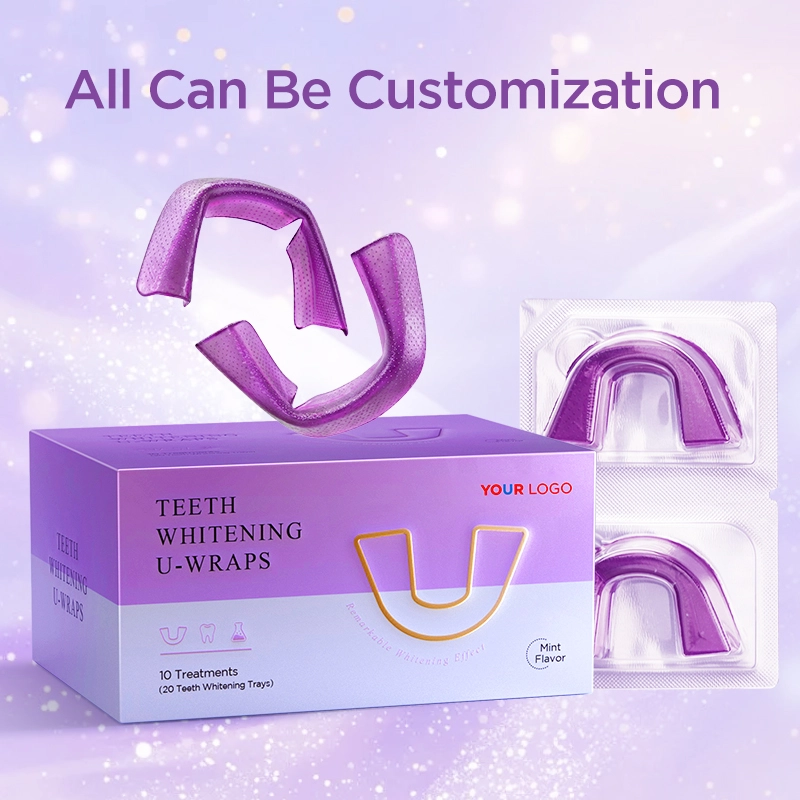
Purple Teeth Whitening U-Wraps: Private Label Sourcing Guide for Brands
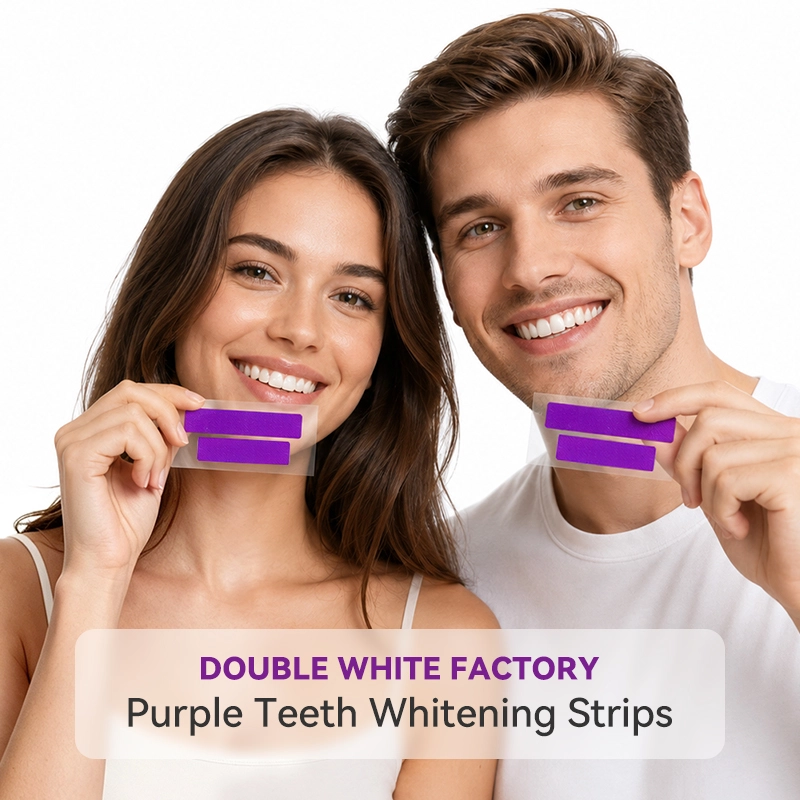
How Do Purple Teeth Whitening Strips Work? A Color-Correction Guide for Private Label Buyers

Whitening Pen Applicator & Dispensing Guide: What Buyers Should Check Before Bulk Production
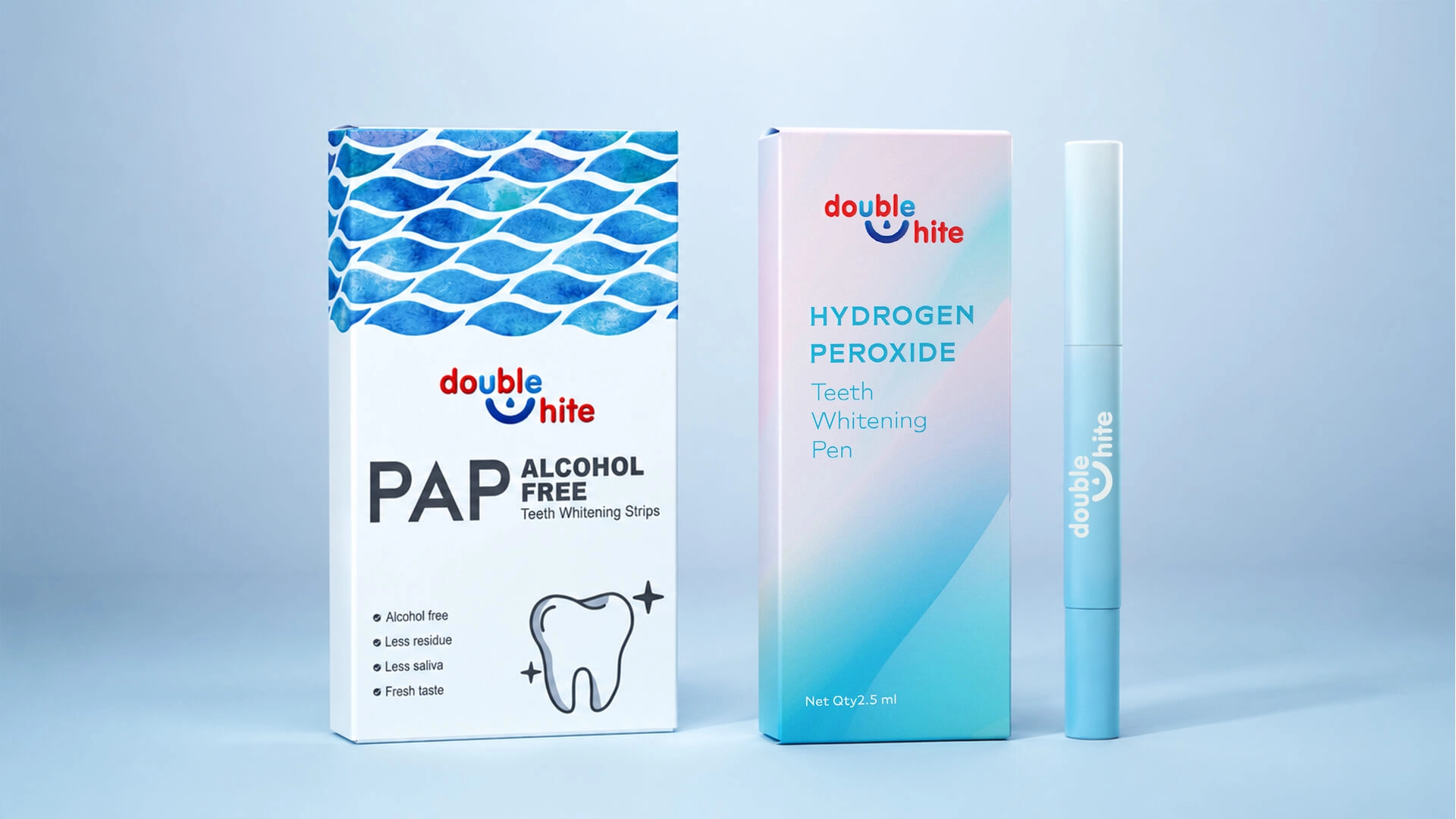
Whitening Pen Formula Stability: What Buyers Should Test Before Bulk Production
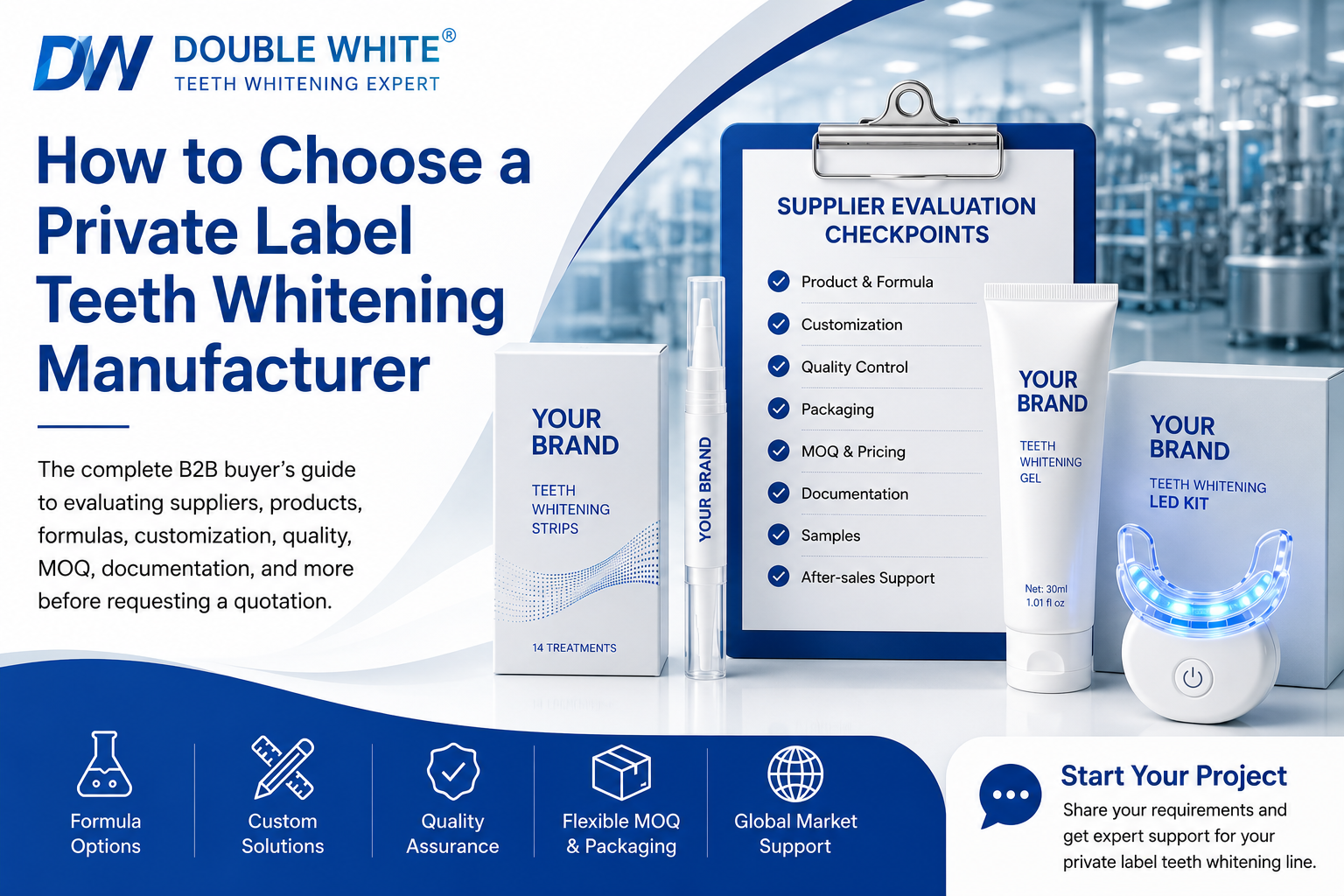
How to Choose a Private Label Teeth Whitening Manufacturer
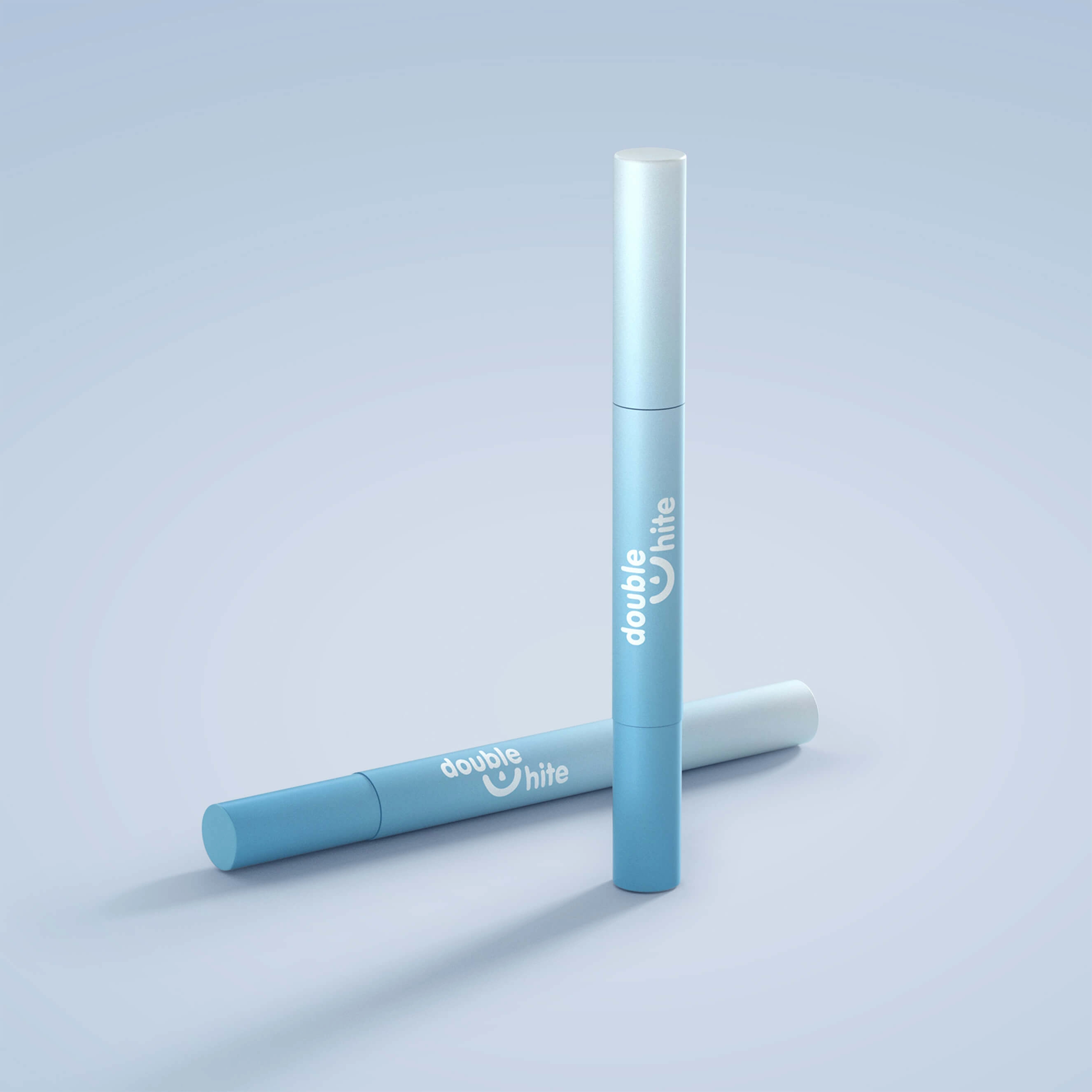
Customized Teeth Whitening Gel Pen HP02
Hydrogen Peroxide Gel Pen (HP02) for OEM and private label sourcing. Review the verified hydrogen peroxide formula, dispensing system, sample specifications, packaging, quality documentation and destination-market requirements. No universal safety or performance claims are implied.
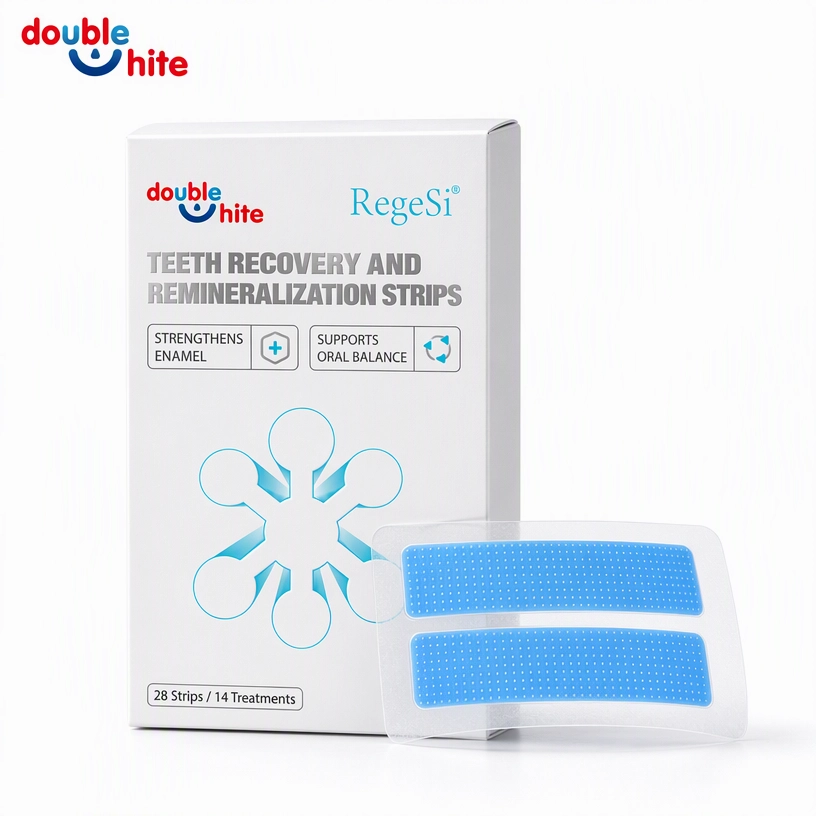
Regesi Teeth Recovery and Remineralization Strips
Regesi Teeth Recovery and Remineralization Strips repair enamel while lifting surface stains. Engineered as enamel safe teeth whitening strips, they serve as dedicated teeth whitening strips for sensitive teeth, rebuilding mineral density without nerve pain.
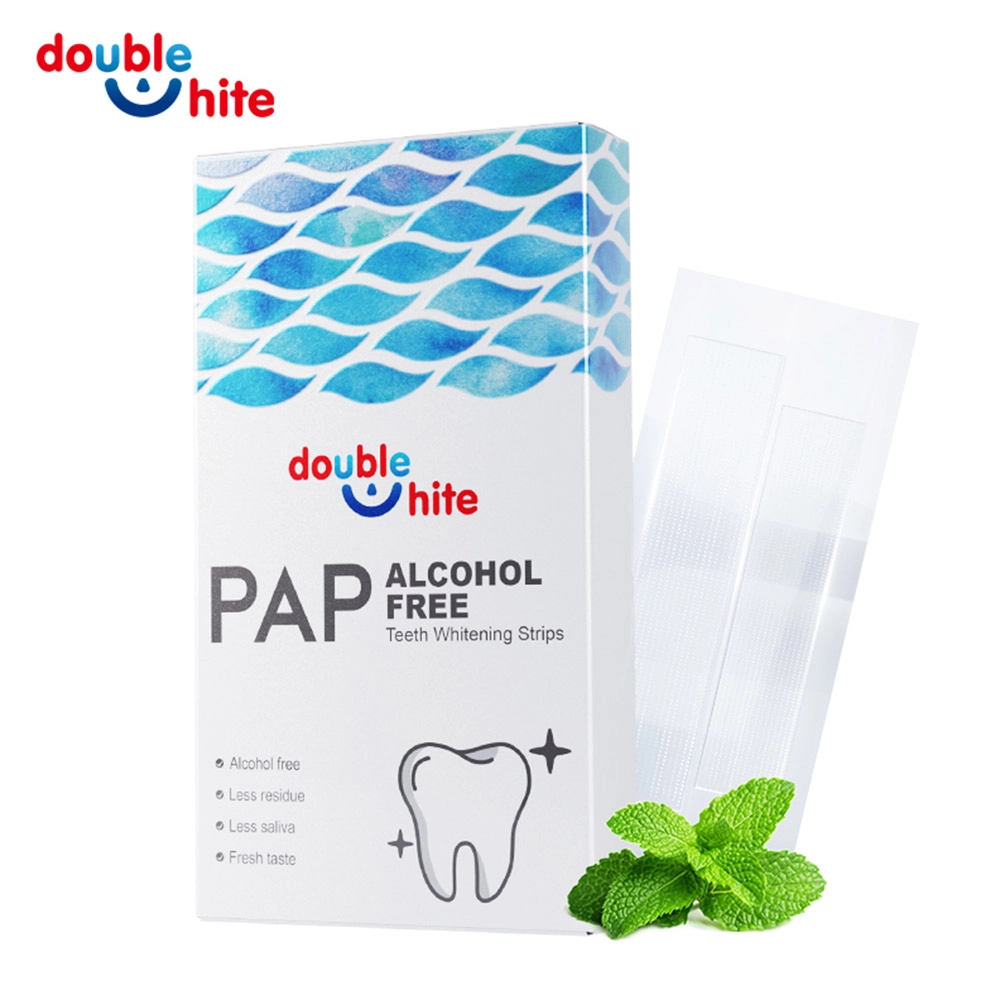
PAP Non-Alcohol teeth whitening strips OEM ODM PAPNA-01
PAPNA-01 PAP non-alcohol whitening strips for private label and wholesale projects. Review verified PAP formula, strip specification, packaging, treatment count, samples and relevant quality documentation. Sensitivity and performance claims require product-specific evidence.
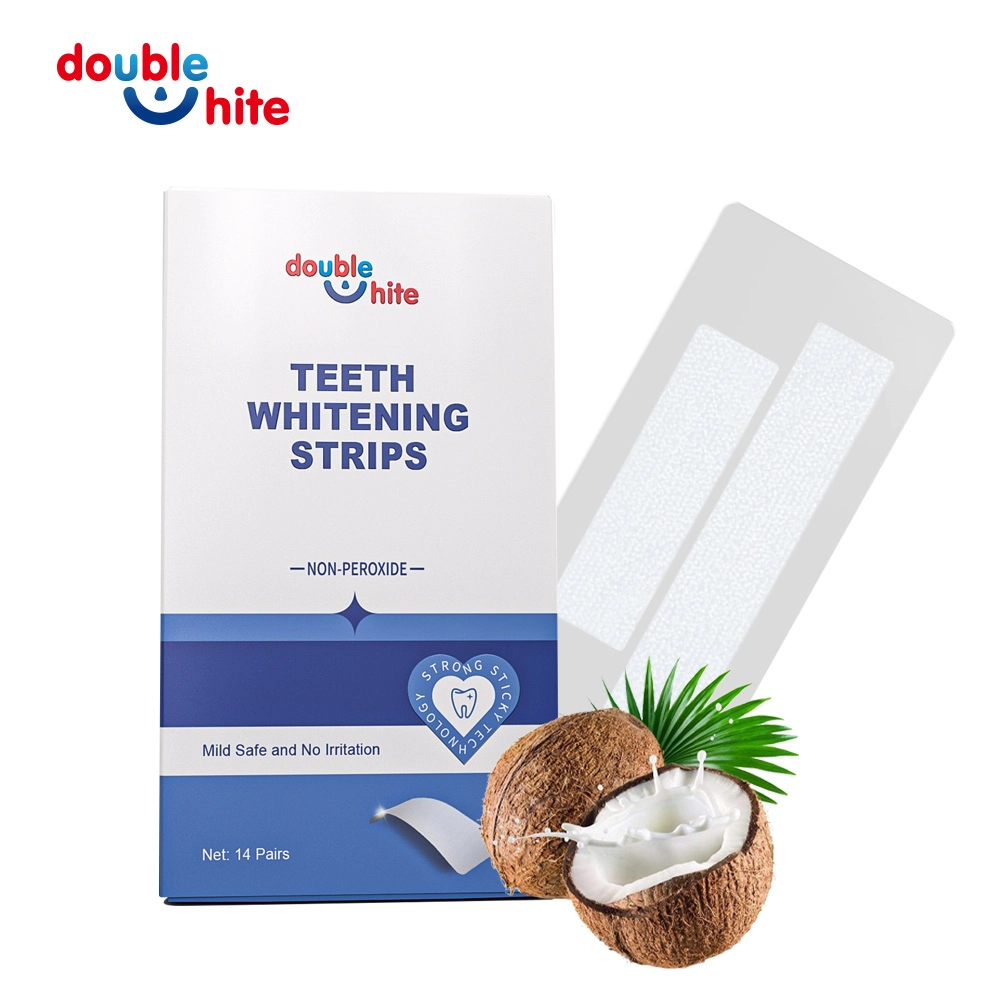
Sodium Chlorite Teeth Whitening Gel Strips for Private Label Brands
Sodium chlorite teeth whitening gel strips are designed for private label brands, wholesalers, salons, clinics, and e-commerce sellers seeking gel-based whitening strip products with flexible customization. This product uses sodium chlorite as the active ingredient and supports custom flavor, private label packaging, logo printing, sample development, and bulk production for different oral care markets.
Send us your inquiry
Reach out to us through the form below or via the contact information provided.
Our dedicated team is committed to providing prompt and personalized responses to all your queries.
Please fill out the fields above with your full name, email address, and comment.


Copyright © 2026 Double White All Rights Reserved. Designed by gooeyun
Whatsapp: +8615920313473
cndoublewhite
Doublewhite
doublewhite
cndoublewhite
cndoublewhite
Double White