


Private Label Sensitive Teeth Whitening Strip Formulations: A Buyer’s Guide
A practical B2B guide to selecting sensitive-care teeth whitening strip formulations, comparing active ingredients and care formats, preparing specifications, and evaluating private-label suppliers.

- Quick Answer: What Should Buyers Look for in Sensitive Teeth Whitening Strip Formulations?
- Application Requirements for Sensitivity-Conscious Whitening Strips
- Common Buyer Pain Points When Developing Sensitive-Care Whitening Strips
- Recommended Product and Process Fit by Formulation Direction
- Design and Specification Considerations for a Private-Label Product Brief
- Industry Use Cases for Sensitive-Care Whitening Strip Formulations
- How to Evaluate Supplier Fit for This Application
- Buyer Decision Process and Common Mistakes to Avoid
- Conclusion and Next Steps
- Discuss Your Project Requirements
- Frequently Asked Questions
- References
Choosing a sensitive-care whitening strip is not simply a matter of selecting a “gentle” ingredient. For private-label buyers, the suitable formulation depends on the destination market, whitening objective, consumer profile, wear experience, permitted claims, and evidence available from the supplier. The same formula can be appropriate for one market and unsuitable for another because ingredient rules, labeling expectations, and product classification differ.
Quick Answer: What Should Buyers Look for in Sensitive Teeth Whitening Strip Formulations?
The short decision framework
Start by defining five points: who will use the product, what whitening result is expected, which active ingredient direction is permitted, how the strip should feel during wear, and what claims the packaging must support. Buyers comparing private label teeth whitening strips should evaluate the complete product architecture rather than choosing based on an ingredient name alone.
| Decision area | Questions to confirm |
|---|---|
| Consumer profile | Does the target user prioritize sensitivity-conscious care, gum comfort, taste, convenience, or a non-peroxide option? |
| Whitening objective | Is the product intended for regular cosmetic whitening, rapid touch-ups, or a care-oriented oral-care routine? |
| Active direction | Should the formula use hydrogen peroxide, sodium chlorite, PAP, or a separate remineralization or gum-care concept? |
| Wear experience | What contact time, adhesion, residue level, rinsing expectation, and strip shape fit the use environment? |
| Claims and evidence | Which claims are permitted in the destination market, and what formula, safety, stability, and claim documentation supports them? |
Sensitive-care positioning versus medical or clinical claims
“Sensitive” is a positioning direction, not automatic proof that a product reduces sensitivity. A product may be designed around shorter contact time, alcohol-free composition, lower residue, improved gum-contact comfort, or a non-hydrogen-peroxide active direction. Those design choices should not be presented as treatment, repair, prevention, or clinically proven sensitivity relief unless the applicable evidence and market rules support the claim.
Care-oriented ingredients also require careful wording. Hydroxyapatite, Regesi remineralization concepts, and hyaluronic acid formats may support a care-focused product architecture, but the final product category and permitted claims must be established for the specific formulation. According to the National Center for Biotechnology Information (NCBI) - PubMed Central Research on Dental Bleaching Agents, buyers should review the available scientific literature for the relevant active ingredient rather than treating all non-peroxide options as equivalent.
Information to request before selecting a formula
Before approving a sample or artwork, request the ingredient list or formula specification, active ingredient direction and concentration to be confirmed, intended use instructions, safety information, stability information, available test evidence, applicable certifications or assessments, packaging specifications, and claim-substantiation boundaries. Buyers who want to compare PAP, peroxide, and other active ingredients should ask for the same documentation package for each option so that the comparison is meaningful.
Application Requirements for Sensitivity-Conscious Whitening Strips
Define the target consumer and use environment
Sensitivity-conscious consumers may be concerned about tooth sensitivity, gum contact, taste, residue, rinsing, wear convenience, or the use of peroxide. These concerns translate into different product requirements. An e-commerce product may need simple instructions and a compact pack, while a salon or clinic-supported product may require a more controlled application protocol.
Clarify whether the strip is intended for home e-commerce use, salon programs, clinic-supported retail, wholesale distribution, or rapid market testing. The use environment determines how important adhesion, speech comfort, wear time, post-use rinsing, and packaging clarity will be.
Identify the target market and regulatory pathway
Market selection must come before final formula selection. Industry formulation directions differ by region: hydrogen peroxide is commonly considered in North America, while sodium chlorite and PAP directions may be more relevant for some European projects. China Mainland projects may use lower-concentration hydrogen peroxide alongside sodium chlorite and PAP, while alcohol-free positioning may be important for some Middle Eastern markets. These are formulation directions, not universal approval statements; buyers should confirm the current requirements for the exact destination market.
For North American projects, the U.S. Food and Drug Administration (FDA) - Cosmetic Products Guidance & Regulation is a relevant starting point for reviewing cosmetic guidance, safety disclosures, and labeling responsibilities. The buyer and supplier should also clarify who is responsible for final market review and artwork approval.
Translate positioning into measurable product requirements
Convert broad language such as “gentle” or “sensitive-friendly” into specifications that can be checked during sampling:
- Wet gel, dry gel, no-residue, dissolvable, alcohol-free, natural or polymer-reduced, and U-shaped format requirements.
- Preferred wear time and whether rinsing is required after use.
- Acceptable residue level and gel overflow tolerance.
- Adhesion expectations during speaking, movement, and normal saliva exposure.
- Taste, aroma, gum-contact, and film appearance expectations.
- Target packaging language, usage instructions, storage conditions, and claims.
These requirements should be included when contacting a private label teeth whitening strips manufacturer, because a supplier cannot accurately assess formulation fit from a product name alone.
Common Buyer Pain Points When Developing Sensitive-Care Whitening Strips
Choosing a “gentle” positioning without evidence
The most common mistake is treating “non-peroxide” or “sensitive” as a complete safety conclusion. Sodium chlorite and PAP still require ingredient, safety, usage, and claim review. A lower-intensity consumer experience may result from contact time, concentration, excipients, film construction, or application instructions rather than from the active ingredient alone.
Balancing whitening, comfort, adhesion, and residue
Longer contact time can support the intended whitening process but may conflict with consumer expectations for comfort and convenience. Wet gels can require rinsing and may create overflow or slipping concerns. Dry gels can improve handling and adhesion but still need sensory evaluation. No-residue and dissolvable formats simplify post-use behavior, while alcohol-free and polymer-reduced directions address specific consumer preferences rather than guaranteeing a clinical outcome.
Buyers should compare samples under the same conditions and record whether the strip stays in place, whether gel reaches the gum line, whether the taste changes during wear, and whether visible residue remains after removal. Packaging should communicate the actual use process; detailed guidance on custom packaging for private label teeth whitening strips is especially relevant when claims, instructions, and format differentiation must work together.
Avoiding formula-market mismatch
A formula suitable for one region may not fit another region’s ingredient limits, product category, or labeling expectations. A product designed for rapid market testing may also be unsuitable for a clinic-supported program if the documentation and professional-use boundaries are not clear. The solution is to freeze the target market and product category before finalizing the active direction.
Preventing unsupported packaging claims
Care-oriented ingredients should not automatically be described as repairing enamel, treating sensitivity, sealing dentin, healing gums, or reversing dental conditions. Packaging claims must match the formula documentation, available evidence, and intended product category. A supplier should review wording before artwork approval, but the brand owner remains responsible for confirming the requirements that apply in its sales market.
Recommended Product and Process Fit by Formulation Direction
| Formulation direction | Potential fit | Points requiring confirmation |
|---|---|---|
| Hydrogen peroxide | Conventional peroxide-based whitening direction for markets where the ingredient and concentration are permitted. | Concentration, classification, safety information, contact time, gum-contact expectations, and destination-market limits. |
| Sodium chlorite | Non-hydrogen-peroxide positioning where the ingredient is appropriate for the market and product concept. | Ingredient documentation, safety review, sensory profile, claim boundaries, and labeling requirements. |
| PAP | Non-hydrogen-peroxide whitening direction for brands seeking an alternative active-ingredient story. | Formula details, ingredient safety evidence, stability, instructions, and substantiated whitening claims. |
| Hydroxyapatite or Regesi | Care-oriented or remineralization-focused architecture that may be developed as a separate SKU or paired positioning. | Product category, evidence, permitted care claims, and whether the final product should be marketed as whitening or care-focused. |
| Hyaluronic acid | Gum-care format designed around a hydrating protective film and reduced friction irritation. | It contains no whitening ingredients in the described format and should not be sold as a whitening strip unless the final formulation supports that use. |
Hydrogen peroxide strips
Hydrogen peroxide may suit buyers seeking a familiar peroxide-based whitening direction, subject to the target market and documented concentration. It should not be rejected solely because the consumer profile includes sensitivity concerns; instead, buyers should evaluate concentration, wear time, gum contact, instructions, and supporting evidence together.
Sodium chlorite strips
Sodium chlorite may support a non-hydrogen-peroxide positioning where appropriate. Its suitability still depends on the destination market, formula design, safety documentation, and the claims the brand intends to make. A non-hydrogen-peroxide label does not remove the need for regulatory review.
PAP strips
PAP may support a non-hydrogen-peroxide whitening direction, but buyers should request the exact ingredient identity, formula specification, safety information, stability data, and claim support. The active ingredient should be evaluated alongside the strip format and user instructions rather than treated as the sole indicator of comfort.
Hydroxyapatite and Regesi remineralization concepts
Hydroxyapatite strips are described as using enamel-homologous hydroxyapatite to fill micro-pores, wear scratches, and demineralized white spots without hydrogen peroxide. Regesi remineralization strips are described as releasing silicon, calcium, and phosphorus active ions to form hydroxyapatite crystals. These are care-oriented concepts. Buyers should keep remineralization or enamel-care positioning distinct from cosmetic whitening unless the complete formula and evidence support both uses.
Hyaluronic acid gum-protection formats
Hyaluronic acid gum-protection strips are a separate care format. The described format uses multi-molecular sodium hyaluronate to form a hydrating protective film and support gum comfort, without tooth-whitening ingredients. This can be relevant as a companion SKU, but it should not be represented as a whitening strip by default.
Format and delivery-process options
Wet gel strips typically involve longer wear and rinsing. Dry gel strips use drying technology and focus on improved adhesion. No-residue strips are designed around shorter wear and minimal post-use residue, while dissolvable strips use a thin single-layer design. Alcohol-free, natural or polymer-reduced, and U-shaped formats address specific sensory, material, or coverage preferences. Buyers should assess these options through actual samples and intended-use testing. A supplier’s broader Teeth Whitening Strips Manufacturing Capabilities should be reviewed in relation to the selected format, not as a general assurance of application fit.
Design and Specification Considerations for a Private-Label Product Brief
Active ingredient and formula boundaries
State the target market, product category, active ingredient direction, concentration range to be confirmed, whitening-only or care-positioned purpose, and intended claims. If the brand is considering both whitening and remineralization, decide whether this will be one combined product or two separate SKUs. Separate positioning often makes labeling and consumer communication clearer, but the final choice requires formula and market review.
Strip construction and wear experience
Include preferred wear time, rinse or no-rinse expectation, residue tolerance, adhesion requirements, taste, aroma, strip dimensions, shape, film appearance, and gum-contact expectations. Confirm whether the product needs a standard flat strip or a U-shaped design. Colored top-film options, including purple, blue, pink, and black variants, may support visual differentiation, but the buyer should verify color stability, appearance, and compatibility with the final packaging concept.
Packaging, labeling, and usage instructions
Specify unit count, sachet or box format, language requirements, storage conditions, lot identification, intended claims, warnings, and use instructions. Packaging is part of the product experience: a no-rinse claim requires instructions that explain what the user should expect, while a dissolvable strip requires clear wear and disposal guidance. The buyer should approve artwork only after formula, claims, and market classification have been reviewed.
Testing and documentation checklist
- Complete ingredient or formula documentation.
- Active ingredient identity and concentration confirmation.
- Safety information and relevant assessment documents.
- Stability information and storage recommendations.
- Sample description, batch or lot information, and intended use instructions.
- Available certifications or assessments relevant to the destination market.
- Claim-supporting evidence and clear boundaries for cosmetic or care language.
- Packaging specification, language version, artwork review, and labeling responsibility.
- Quality-control records and acceptance criteria for appearance, adhesion, residue, and packaging.
Industry Use Cases for Sensitive-Care Whitening Strip Formulations
E-commerce and online oral-care brands
Online brands usually need a simple usage story, compact packaging, clear sensory positioning, and a product distinction that can be understood without professional explanation. A no-residue, dissolvable, alcohol-free, or PAP direction may be considered, but the claim must remain narrower than the evidence.
Wholesalers and retail programs
Wholesalers need consistent specifications, repeatable packaging, market-specific labeling, and documentation that can be shared with downstream retailers. A formula that changes between samples and production creates more risk than a less ambitious concept with clearly controlled requirements.
Salons and training schools
Salon and training-school programs may prioritize straightforward application protocols, predictable wear behavior, and professional-use guidance. The brief should state whether the product is for retail sale, supervised use, or demonstration, because those contexts can require different instructions and claim boundaries.
Dentists and clinics
Clinic-supported retail requires particularly clear separation between cosmetic whitening, care positioning, and medical or clinical claims. Buyers should request detailed instructions and supporting documentation so dental professionals are not asked to interpret ambiguous packaging language.
Startups testing a new product architecture
Startups often benefit from comparing one whitening direction with one care-oriented direction rather than launching several unvalidated formats simultaneously. A focused first SKU makes it easier to test consumer response, packaging usability, sensory acceptance, and claim clarity before expanding the range.
How to Evaluate Supplier Fit for This Application
Formulation and customization capability
Ask whether the supplier can discuss hydrogen peroxide, sodium chlorite, PAP, hydroxyapatite, Regesi, and hyaluronic acid care directions without presenting them as interchangeable. The supplier should be able to explain how active direction, film, adhesion, residue, wear time, packaging, and intended use environment are connected.
Quality and compliance evidence
Request formula specifications, ingredient documentation, safety information, stability information, applicable certifications or assessments, market-specific labeling support, and claim-substantiation boundaries. ISO explains the role of cosmetics standards and good manufacturing practice frameworks; buyers can use the International Organization for Standardization (ISO) - Cosmetics Standards as a reference point when discussing manufacturing and quality expectations.
Sampling and validation workflow
Samples should be compared against the same written criteria. Record adhesion, wear comfort, gum contact, taste, residue, rinse requirements, strip appearance, packaging usability, and instruction clarity. Ask how sample changes are documented and how the approved sample will be matched during production.
Manufacturing and order requirements
Confirm production model, formulation and packaging customization scope, minimum order quantity, logistics terms, and whether dropshipping is supported. For example, Double White Medical Technology Development (Guangzhou) Co. LTD states that it has operated since 1999, uses a 30,000-square-meter Class 100,000 cleanroom facility, employs more than 300 people, and operates eight automated production lines. Its supplied commercial information states a customized packaging and formulation MOQ of 1,000 boxes, support for DDP and DDU delivery, and no dropshipping or overseas warehouse operation. Buyers should verify these terms for the specific quotation and project.
Questions to include in an RFQ
- Which formulation directions are available for the destination market?
- What active ingredient, concentration, film, and wear-time specifications will appear in the quotation?
- What documentation is included, and which assessments must the buyer arrange?
- What packaging, language, artwork, and labeling review is included?
- How are sample revisions and approval records managed?
- What are the MOQ, shipping terms, production assumptions, and quality acceptance criteria?
- Can the supplier support the selected strip shape, residue target, adhesion requirement, and intended use environment?
Buyer Decision Process and Common Mistakes to Avoid
Build a market-specific formulation brief
Begin with the target market and consumer profile. Then define the whitening objective, active direction, product category, wear experience, packaging language, claims, and required documentation. Avoid requesting a quotation with only the phrase “sensitive whitening strips,” because the supplier will need to make assumptions that later create revisions.
Compare samples using the same criteria
Select one or two formulation directions for comparison and use the same evaluation sheet for each. Assess wear, adhesion, residue, comfort, taste, gum contact, rinsing, packaging usability, and instruction clarity in the intended use environment. Do not compare one wet strip used for a long wear period with one dissolvable strip under unrelated conditions.
Verify claims before artwork approval
Confirm regulatory classification, ingredient documentation, safety evidence, and permitted claims before final artwork. Remove broad terms such as “clinically proven,” “repairs,” or “prevents sensitivity” unless the evidence and market rules clearly support them.
Confirm commercial and logistics assumptions
Document MOQ, packaging scope, formula revision rules, shipping terms, sample approval criteria, quality tolerances, and responsibility for destination-market review. Do not select solely on ingredient name, lowest quotation, attractive packaging, or broad “sensitive” language. The commercially suitable option is the one whose formula, evidence, user experience, claims, and supply terms remain aligned.
Conclusion and Next Steps
The right private label sensitive teeth whitening strips formulations are selected through product-market fit, not through a universal ranking of peroxide and non-peroxide ingredients. Define the consumer and destination market first, compare active directions with the intended wear experience, separate whitening claims from care claims, and require documentation before approving artwork or production.
A complete brief gives both buyer and supplier a clearer basis for sampling, quotation, compliance review, and repeat-order control. It also helps prevent the most costly mistake in this category: launching a product whose formula, packaging promise, and market position do not describe the same user experience.
Discuss Your Project Requirements
Share your destination market, consumer profile, preferred active direction, wear-time expectations, residue and adhesion requirements, packaging concept, and intended claims. Our team can review the application brief and discuss a suitable manufacturing approach for the proposed product architecture.
Frequently Asked Questions
References
Purple Violet Teeth Whitening U-Wraps for Private Label & Wholesale
Purple Teeth Whitening U-Wraps: Private Label Sourcing Guide for Brands
How Do Purple Teeth Whitening Strips Work? A Color-Correction Guide for Private Label Buyers

Whitening Pen Applicator & Dispensing Guide: What Buyers Should Check Before Bulk Production
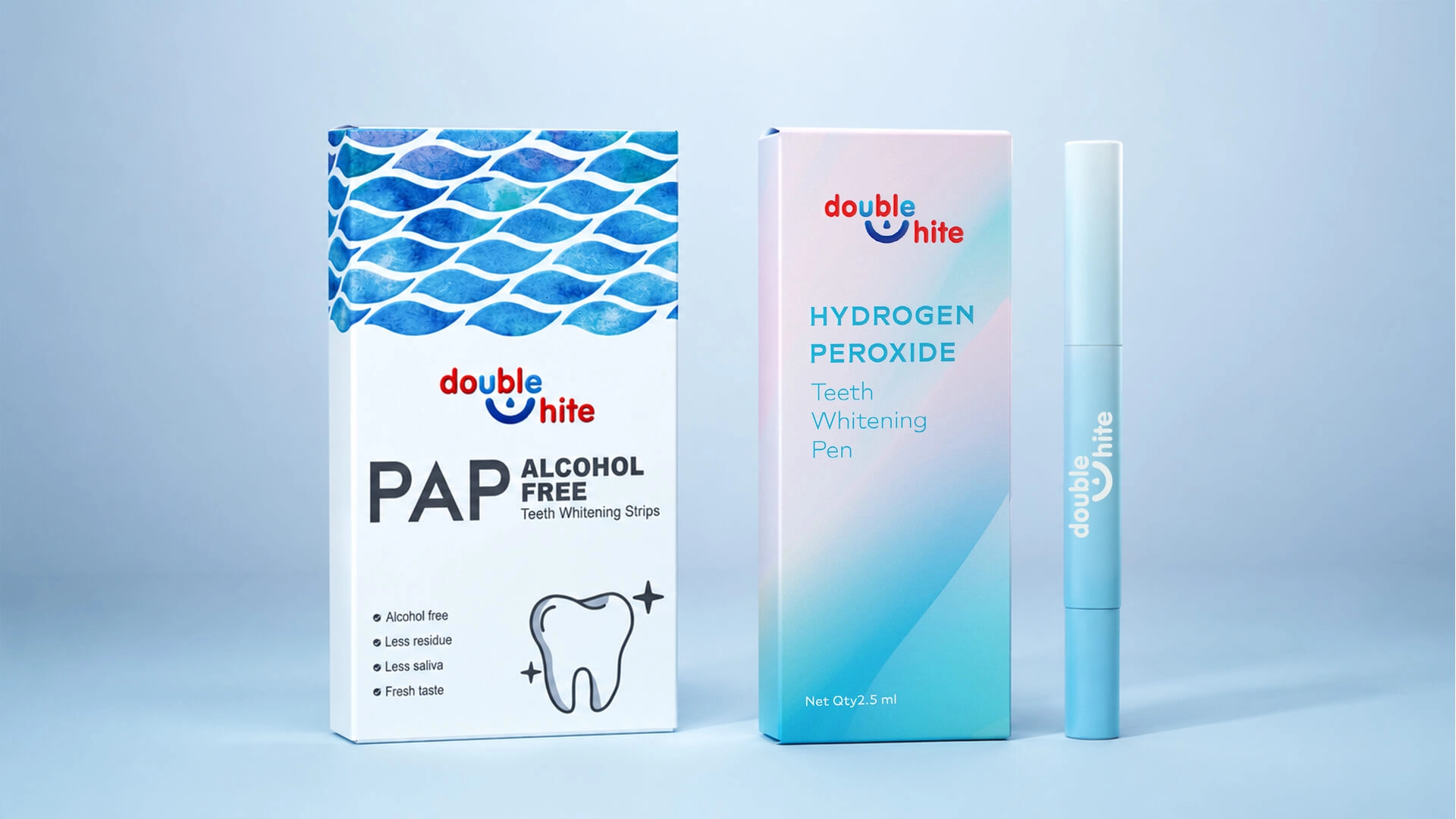
Whitening Pen Formula Stability: What Buyers Should Test Before Bulk Production
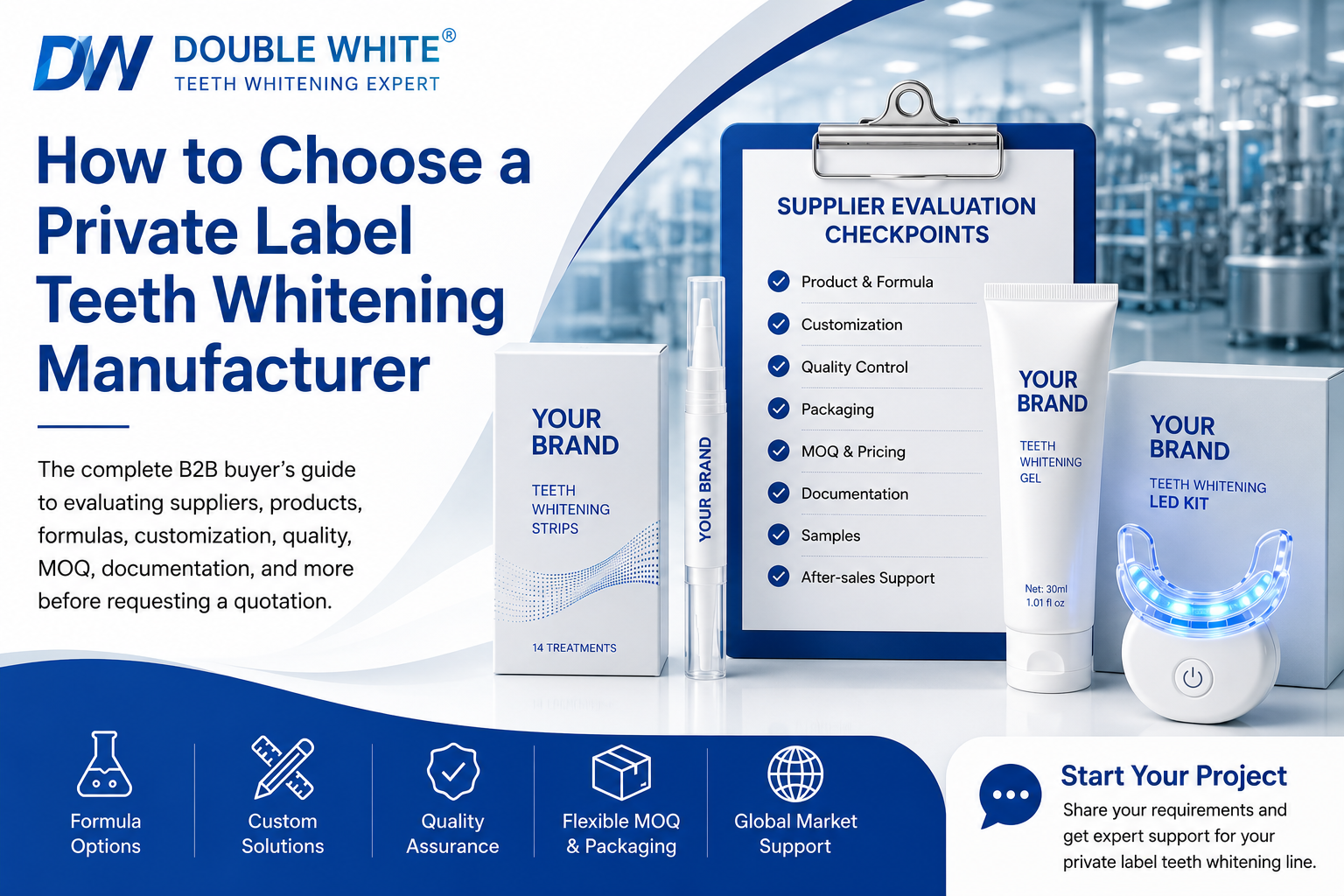
How to Choose a Private Label Teeth Whitening Manufacturer
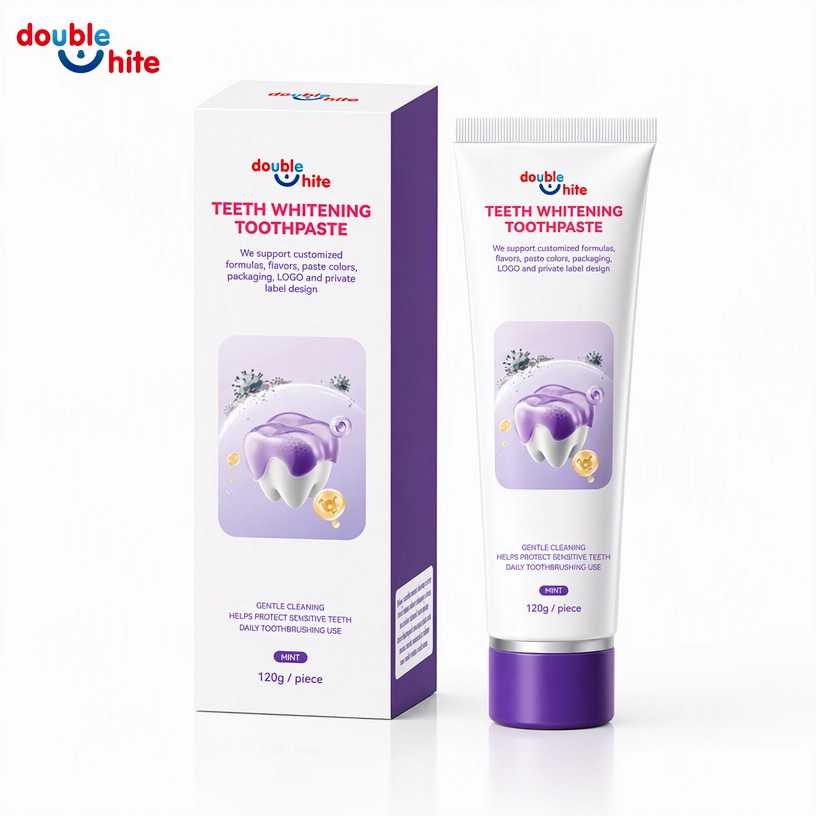
Teeth Whitening Toothpaste
Our enamel-safe whitening toothpaste removes stubborn stains without irritating exposed nerves. Formulated as an effective teeth whitening toothpaste for sensitive teeth, it strengthens enamel, prevents cavities, and brightens daily.
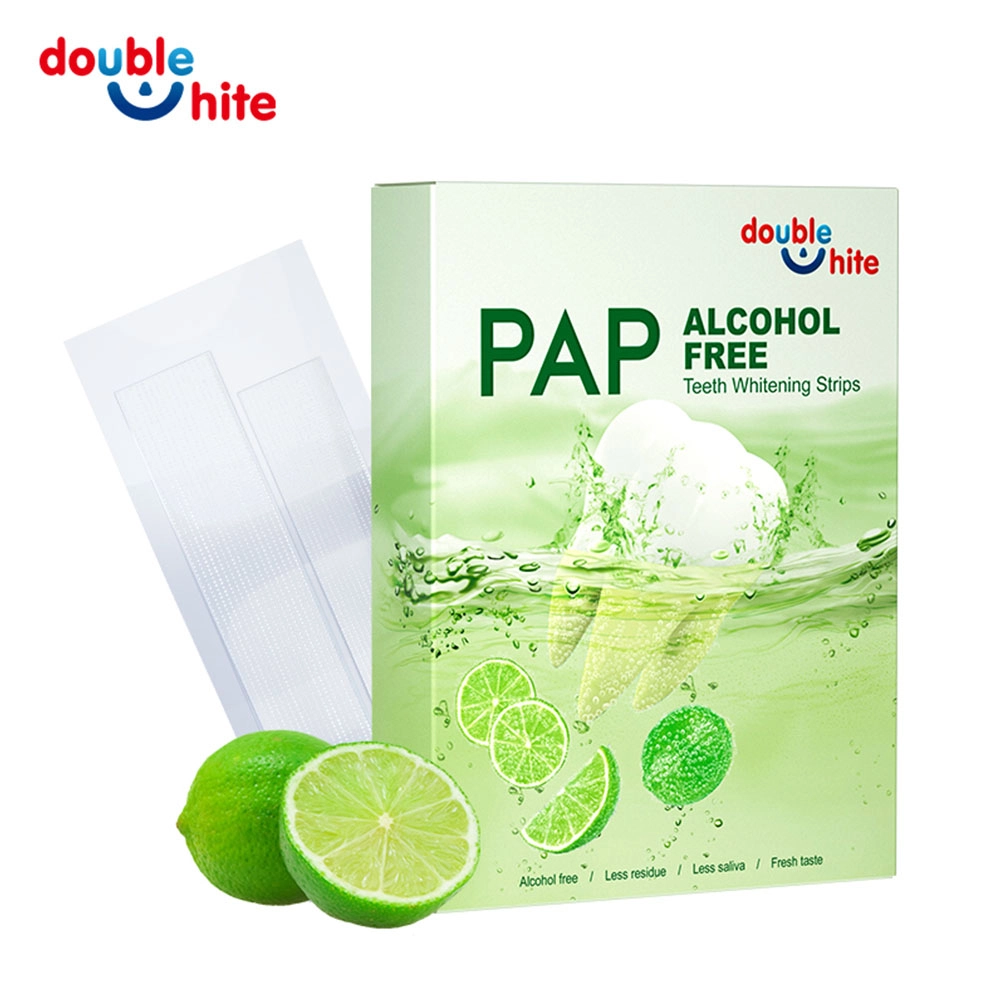
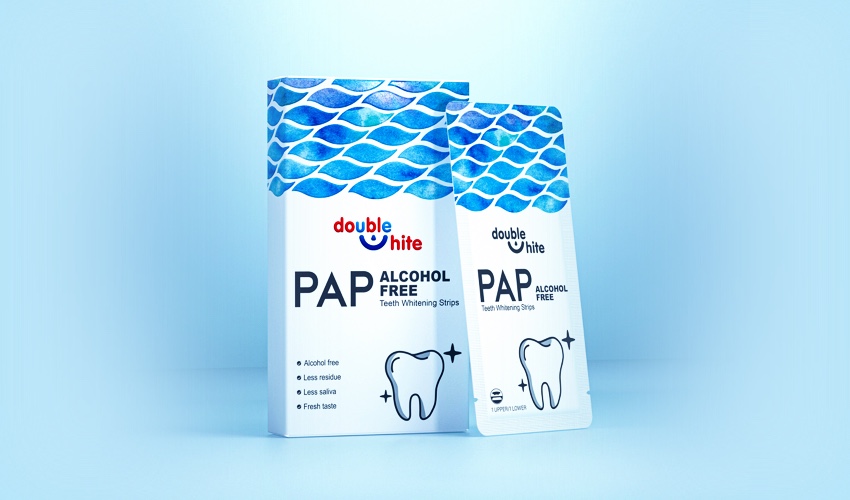
PAP Non-Alcohol Teeth Whitening Strips PAPNA-04
PAPNA-04 PAP Non-Alcohol Teeth Whitening Strips are designed for private label brands, wholesalers, salons, clinics, and e-commerce sellers seeking alcohol-free whitening strip products with flexible OEM/ODM customization. This product uses PAP as the active ingredient and supports custom flavor, private label packaging, logo printing, sample development, and bulk production for different oral care markets.
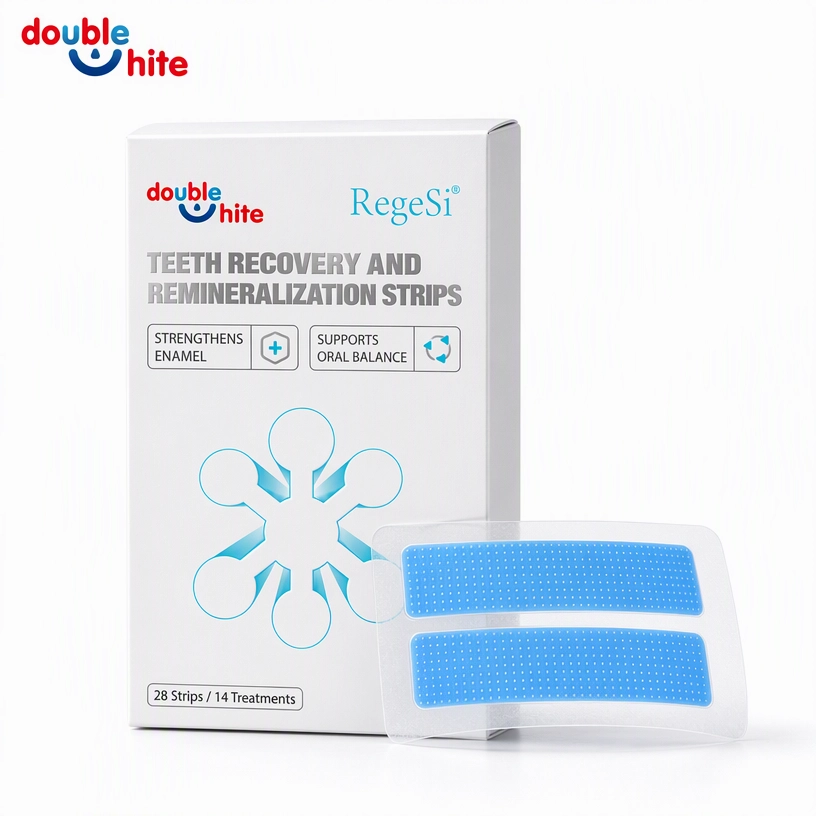
Regesi Teeth Recovery and Remineralization Strips
Regesi Teeth Recovery and Remineralization Strips repair enamel while lifting surface stains. Engineered as enamel safe teeth whitening strips, they serve as dedicated teeth whitening strips for sensitive teeth, rebuilding mineral density without nerve pain.
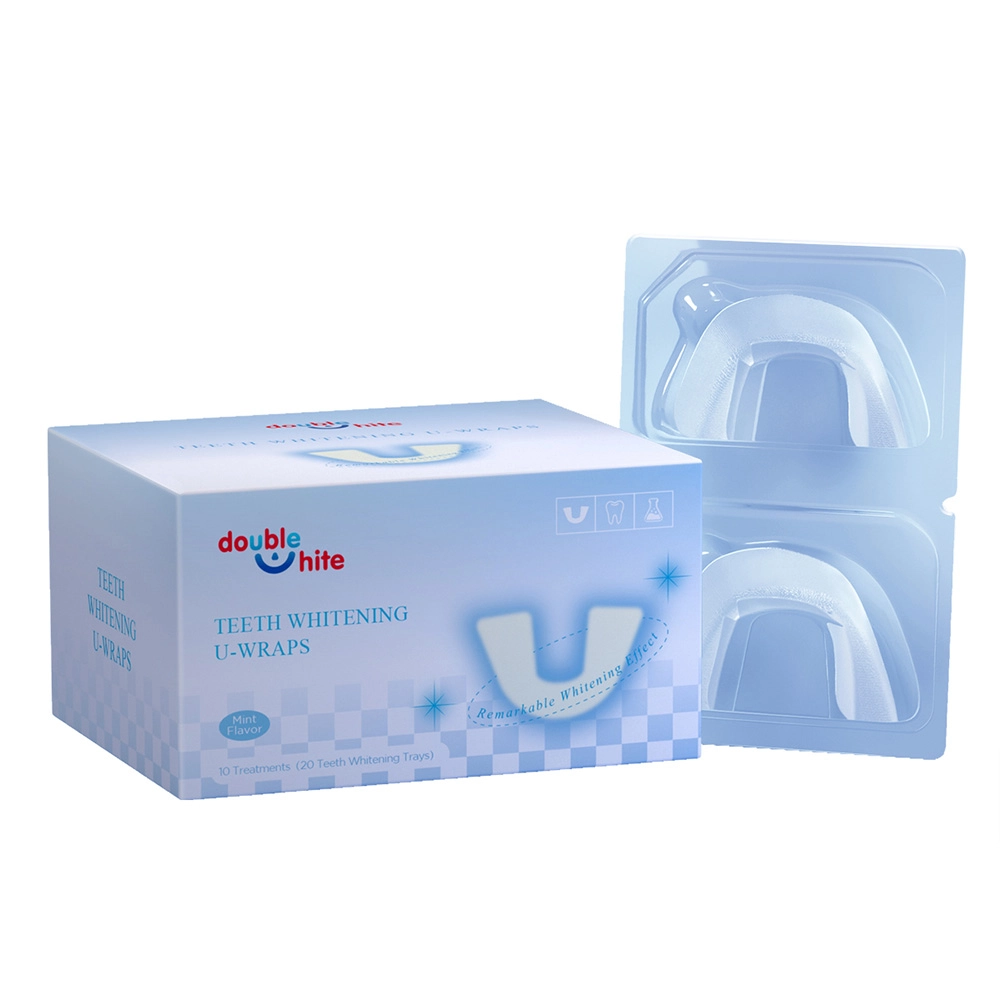
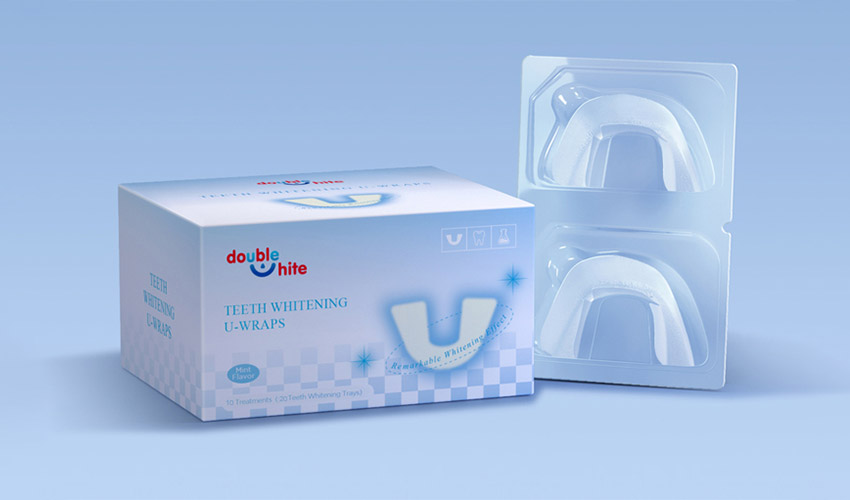
Teeth Whitening U-Wraps
Double White Teeth Whitening U-Wraps offer a safe, effective solution for brightening your smile. Designed for easy application, these U-Wraps provide professional whitening results at home. Achieve a radiant smile with Double White’s Teeth Whitening U-Wraps today.
Send us your inquiry
Reach out to us through the form below or via the contact information provided.
Our dedicated team is committed to providing prompt and personalized responses to all your queries.
Please fill out the fields above with your full name, email address, and comment.


Copyright © 2026 Double White All Rights Reserved. Designed by gooeyun
Whatsapp: +8615920313473
cndoublewhite
Doublewhite
doublewhite
cndoublewhite
cndoublewhite
Double White