






PAP vs Hydrogen Peroxide Private Label Whitening Strips: How to Choose a Formula
Compare PAP, hydrogen peroxide, and sodium chlorite whitening strips to choose a private label formula that fits your target market, user experience, claims, and compliance review.

- Quick Answer: Which Formula Is Better for Private Label Whitening Strips?
- What Private Label Buyers Need to Decide Before Comparing Ingredients
- How PAP, Hydrogen Peroxide, and Sodium Chlorite Differ
- PAP vs Hydrogen Peroxide vs Sodium Chlorite: Buyer Comparison
- Industry Use Cases: Which Formula Fits Each Buyer Channel?
- Common Buyer Pain Points and Formulation Risks
- Design and Specification Checklist Before Requesting Samples
- Regional Formulation and Compliance Review
- How to Evaluate Supplier Fit for Private Label Whitening Strips
- Decision Process: How to Select the Right Formula
- Discuss Your Project Requirements
- Frequently Asked Questions
- References
For private label whitening strips, the right active ingredient depends on destination-market rules, target consumer, desired user experience, claims, and supplier capability—not ingredient name alone. Hydrogen peroxide may suit brands prioritizing peroxide-based positioning where permitted. PAP may suit non-hydrogen-peroxide positioning where regional requirements and documentation allow it. Sodium chlorite offers another non-hydrogen-peroxide option. The decision must integrate market feasibility, product classification, format selection, packaging, and supplier validation.
Quick Answer: Which Formula Is Better for Private Label Whitening Strips?
The short answer
Hydrogen peroxide, PAP, and sodium chlorite should be evaluated as market-specific formulation options rather than ranked universally. Hydrogen peroxide can fit peroxide-based positioning where permitted; PAP can fit non-hydrogen-peroxide positioning where regional requirements allow it; sodium chlorite offers another non-hydrogen-peroxide route. For buyers developing private label teeth whitening strips, the practical question is not "PAP or hydrogen peroxide?" but rather: which formula, concentration, strip format, claim set, and documentation package can be approved and supported in the intended market?
Why the target market changes the decision
The same active ingredient can require different regulatory review depending on product classification, concentration, label language, intended claims, and sales channel. A formula for online retail may need different communication than one for dental clinics or salons. A product positioned for rapid use may require different strip construction than one designed for longer wear and rinsing. Before requesting quotations, buyers should complete a regional compliance review for whitening formulas. No single formula suits every market or brand position.
What Private Label Buyers Need to Decide Before Comparing Ingredients
Define the destination market and product classification
Start with the country or region where the product will be sold, not the ingredient name. Destination-market rules influence permitted use, concentration, product classification, claims, warnings, and required evidence. Buyers should confirm whether the intended product is treated as a cosmetic, oral-care product, medical device, or another category under local rules.
For more context on this related topic, see private label teeth whitening strips manufacturer.
For the United States, buyers should review applicable guidance from the U.S. Food and Drug Administration (FDA) - Cosmetic Products Guidance & Regulation and obtain product-specific regulatory advice where necessary.
Identify the intended consumer and sales channel
Define whether the target user is a mainstream whitening consumer, a user seeking non-peroxide positioning, a sensitivity-conscious consumer, or a professional customer purchasing through a clinic, salon, or training school. This choice determines emphasis on convenience, residue, comfort, wear time, packaging instructions, and claim restraint. Buyers developing a comfort-led range should also consider sensitive-care formulation options, including products that focus on oral care rather than whitening alone.
Set the desired use experience and format
Specify whether the strip should be wet gel, dry gel, no-residue, dissolvable, alcohol-free, polymer-free or natural-positioned, or U-shaped. Expected wear time, adhesion, tooth coverage, saliva interaction, rinsing requirements, and visible residue all belong in the initial brief. Format decisions directly affect consumer experience, labeling, packaging requirements, and sample acceptance criteria.
Separate product benefits from marketing claims
A technical feature is not automatically an acceptable marketing claim. "Non-hydrogen-peroxide" describes an ingredient position; it does not by itself prove superior safety, faster whitening, or suitability for every sensitive consumer. Claims must match the finished formula, supporting evidence, instructions, and destination-market requirements.
How PAP, Hydrogen Peroxide, and Sodium Chlorite Differ
Hydrogen peroxide: peroxide-based whitening positioning
Hydrogen peroxide is commonly selected when a brand wants peroxide-based positioning and the intended formula is permitted in the target market. Its commercial familiarity can make the ingredient easier to explain to consumers, but familiarity does not remove the need to review concentration, classification, contact time, warnings, and evidence. The finished user experience is determined by more than the active ingredient: strip construction, gel distribution, adhesive behavior, wear time, and storage conditions all influence how the product performs.
PAP: non-hydrogen-peroxide positioning
PAP (phthalimido-peroxy-caproic acid) is generally considered by brands seeking non-hydrogen-peroxide formulation positioning. It can support a differentiated product story, but the label still needs to communicate the formula accurately and avoid unsupported comparisons such as "safer," "stronger," or "equally effective" unless appropriate evidence supports the claim. Scientific literature should be reviewed product by product rather than relying on ingredient popularity. The National Center for Biotechnology Information (NCBI) - PubMed Central Research on Dental Bleaching Agents provides access to research relevant to dental bleaching agents, including hydrogen peroxide and PAP.
Sodium chlorite: an additional formulation route
Sodium chlorite can be assessed as another non-hydrogen-peroxide route. It may be relevant where a buyer wants an alternative ingredient position, but suitability still depends on local review, finished-product design, concentration, instructions, claims, and supporting documentation.
What the active ingredient comparison does not prove
Ingredient selection alone does not prove that one strip will be categorically safer, faster, stronger, or more effective. Concentration, delivery system, contact time, strip construction, moisture level, tooth coverage, and testing all contribute to the finished product. A sample that performs well in a short internal trial is not automatically validated for commercial claims or every intended user group. Buyers planning a new brand should connect formula selection with packaging, channel, and launch planning rather than treating it as an isolated chemistry decision. This is also relevant when reviewing how to start a private label teeth whitening strip brand.
PAP vs Hydrogen Peroxide vs Sodium Chlorite: Buyer Comparison
| Active Ingredient | Positioning Direction | Key Advantages | Key Limitations | Buyer Must Confirm |
|---|---|---|---|---|
| Hydrogen peroxide | Peroxide-based whitening where permitted | Commercial familiarity; established market presence; clear consumer messaging | Market-specific restrictions; concentration and claim controls; regulatory variation by region | Classification, concentration, claims, warnings, market-specific documentation |
| PAP | Non-hydrogen-peroxide or alternative positioning | Differentiated positioning; potential appeal to non-peroxide-seeking consumers | Requires product-specific evidence; careful claim wording; less established market presence | Ingredient acceptance, evidence, label language, claims, product documentation |
| Sodium chlorite | Another non-hydrogen-peroxide formulation route | Alternative positioning option; may suit specific regional markets | Requires regional acceptance confirmation; formula documentation; finished-product suitability verification | Local requirements, finished-product evidence, instructions, strip format compatibility |
Comparison by user experience and format
The active ingredient should be evaluated together with the wear format. Wet gel strips can require rinsing and may feel more noticeable during use. Dry gel strips can be designed around adhesion and reduced gel movement. No-residue strips support a simpler post-use routine, while dissolvable strips are designed to disappear during wear. Alcohol-free, natural-positioned, and U-shaped formats address different consumer or channel expectations. These formats are not automatically interchangeable. A change in moisture level or dissolving behavior can alter adhesion, residue, packaging requirements, instruction wording, and sample acceptance criteria.
Comparison by formulation and documentation needs
All three routes require product-specific ingredient specifications and a clear record of the finished formula. Buyers should compare whether the supplier can document raw-material identity, concentration control, batch information, stability or compatibility information where relevant, testing records, label support, and claim substantiation.
Industry Use Cases: Which Formula Fits Each Buyer Channel?
| Buyer Type | Typical Positioning | Recommended Format | Key Supplier Documents | Primary Risk |
|---|---|---|---|---|
| E-commerce brands | Mainstream or non-peroxide; convenience-focused | No-residue, dissolvable, or dry gel; compact packaging | Product specification, ingredient disclosure, usage instructions, safety data | Residue complaints; adhesion issues; unclear instructions |
| Wholesalers | Cost-effective; high volume; flexible positioning | Wet or dry gel; standard case packing | Batch records, consistency documentation, bulk logistics support | Batch variation; inconsistent quality; delivery delays |
| Salons and training schools | Professional positioning; client comfort | Alcohol-free or sensitive-care; professional packaging | Professional use guidelines, training support, liability documentation | Sensitivity complaints; professional liability; staff training gaps |
| Dentists and clinics | Professional or therapeutic; conservative claims | Alcohol-free or remineralization; clinical packaging | Clinical evidence, professional liability, practitioner guidance, compliance certifications | Liability exposure; unsupported claims; regulatory non-compliance |
| Brand startups | Differentiated or niche positioning; market testing | Format varies by target; custom packaging | Complete product specification, regulatory review, sample approval, packaging artwork | Market feasibility; regulatory rejection; sample delays; launch timeline |
Common Buyer Pain Points and Formulation Risks
Choosing an ingredient before checking the destination market
A buyer may select PAP or hydrogen peroxide based on consumer trends, then discover that the intended concentration, classification, or claim set requires a different route. Reviewing the market first prevents unnecessary reformulation and relabeling.
Overpromising whitening or sensitivity results
Claims such as "instant," "zero sensitivity," or "safer than peroxide" create evidence and compliance obligations. If the supplier cannot connect the claim to the finished product and appropriate testing, the claim should be removed or narrowed.
Ignoring strip construction and wear experience
Ingredient selection does not determine whether a strip slips, leaves residue, covers the intended tooth surface, or dissolves as expected. Adhesive performance, moisture level, film construction, and packaging compatibility must be assessed during sampling.
Using incomplete documentation
A generic ingredient sheet does not replace product-specific specifications and testing records. Buyers should verify that documents identify the actual formula, current packaging, intended market, and relevant batch or quality information.
Treating a sample as final production validation
Pilot samples should be assessed against an agreed specification. Approval should cover appearance, adhesion, comfort, residue, coverage, instructions, packaging integrity, storage, and consistency—not only a subjective impression of whitening.
Design and Specification Checklist Before Requesting Samples
Active ingredient and formulation brief
- Target country or region and intended product classification
- Hydrogen peroxide, PAP, or sodium chlorite direction
- Concentration (to be confirmed after market review)
- Intended claims and prohibited comparison language
- Consumer profile and sensitivity or comfort priorities
Strip format and material specification
- Wet gel, dry gel, no-residue, dissolvable, alcohol-free, natural-positioned, or U-shaped format
- Expected wear time and rinsing requirement
- Adhesion, tooth coverage, residue, appearance, and dissolving behavior expectations
- Any vegan, polymer-free, or other material-positioning requirement
Packaging and labeling specification
Define sachet or pouch structure, unit count, language, storage wording, batch information, instructions, warnings, artwork responsibility, and claim approval. Packaging integrity should be evaluated with the finished strip rather than treated as a separate purchasing item.
Testing and documentation checklist
Request ingredient and formula information, product specifications, relevant safety and testing documentation, batch or quality records, labeling support, and market-specific compliance evidence. Certifications must be current and applicable to the specific product and market; a factory-level document does not automatically validate every formula.
Sample acceptance criteria
Write acceptance criteria before sampling. Include comfort, adhesion, residue, coverage, appearance, package integrity, instruction clarity, storage condition, and consistency between samples. This converts subjective feedback into a decision that can be communicated to the supplier.
Regional Formulation and Compliance Review
North America
Industry market patterns identify hydrogen peroxide as a major North American formulation direction, including examples of 3%, 6%, and 8% formulations. These figures represent common market practice, not universal permission or project specifications. Buyers must confirm the exact formula, classification, claims, and labeling requirements for the intended market through official guidance or regulatory consultation.
Europe
European planning commonly requires particular attention to non-hydrogen-peroxide options, sodium chlorite, and PAP. A regional pattern is not a regulatory conclusion. The buyer should obtain product-specific review of concentration, claims, ingredient disclosure, packaging, and supporting documentation before artwork or production approval.
Australia and Mainland China
Market information indicates Australia supports sodium chlorite, PAP, and hydrogen peroxide routes with flexibility, while Mainland China commonly uses lower-concentration hydrogen peroxide alongside sodium chlorite and PAP. These patterns help guide initial supplier discussion but do not replace current local review.
Middle East and emerging markets
Alcohol-free options may be relevant to some Middle Eastern positioning, particularly where consumer or market requirements make alcohol-free communication important. Wet and dry formats may support exploratory testing in emerging markets, but lower initial complexity does not remove the need for accurate labeling and storage information.
Regulatory review questions
- What is the intended product classification?
- Is the selected active ingredient and concentration permitted for this use?
- Which claims and warnings are supportable?
- What language, label, batch, and storage information is required?
- Which technical, safety, and testing documents must accompany the product?
How to Evaluate Supplier Fit for Private Label Whitening Strips
Formula development and customization capability
Ask whether the supplier supports hydrogen peroxide, PAP, and sodium chlorite options and can review the formula against the destination market. The supplier should explain which parts of the brief are fixed, which can be adjusted, and which changes require new samples or documentation.
Manufacturing and quality-system evidence
Quality-system evidence should be relevant to the product and manufacturing scope. The International Organization for Standardization (ISO) - Cosmetics Standards provides a useful reference point for cosmetics quality and good manufacturing practice expectations. Buyers should request evidence applicable to the specific supplier, formula, and production process.
Sample, testing, and documentation process
Ask how samples are identified, revised, approved, and linked to production records. Confirm whether testing or compatibility information is available for the intended format and packaging. The approved sample should become the reference for claims, artwork, and production acceptance.
Supplier facts to verify
When evaluating a supplier, confirm the following parameters. These details should be verified during quotation and project confirmation stages:
- Minimum order quantity (MOQ): Typical MOQ for customized packaging and formulation orders is 1,000 boxes. Confirm applicability to your order size and customization scope.
- Delivery modes: Suppliers may offer DDP (Delivered Duty Paid) and DDU (Delivered Duty Unpaid) door-to-door delivery services. Confirm which options apply to your destination market.
- Dropshipping support: Not all suppliers support dropshipping or overseas warehousing. Confirm fulfillment capabilities before finalizing the supplier relationship.
- Production scope: Verify which strip formats, active ingredients, and customization options the supplier can produce within standard timelines and quality standards.
Packaging and order requirements
Compare quotations on the same basis: formula, format, packaging structure, language, documentation, quantity, delivery terms, and any artwork or testing responsibilities. Buyers should also confirm MOQ and whether the supplier supports wholesale or e-commerce fulfillment requirements.
Questions to ask before approval
- Can the supplier support the selected active ingredient and destination-market review?
- Which product documents are available for the exact formula?
- How are sample changes recorded and approved?
- What quality checks link the approved sample to production?
- Which packaging, logistics, MOQ, and documentation items are included in the quotation?
Decision Process: How to Select the Right Formula
Step 1—Prioritize destination-market feasibility
Eliminate any formula that does not fit the initial classification, concentration, claims, or documentation review.
Step 2—Match formula to consumer and channel
Choose the positioning that matches the consumer profile and sales environment. E-commerce, wholesale, salon, training-school, dental, and clinic channels may require different instructions and packaging priorities.
Step 3—Define the specification
Prepare an RFQ containing target market, active ingredient, format, wear expectations, packaging, quantity, claims, documents, storage, and delivery requirements.
Step 4—Review samples and documents
Compare samples against predefined criteria for adhesion, comfort, residue, coverage, appearance, instructions, and package integrity. Review the documents for the same formula and market.
Step 5—Approve claims, packaging, and production conditions
Finalize artwork only after formula and classification review. Confirm that claims, warnings, instructions, batch information, packaging, and production conditions match the approved product.
Discuss Your Project Requirements
Share your target market, preferred formula, strip format, consumer profile, packaging needs, claims, and documentation expectations. Clear requirements allow the formula and sample review to begin from a practical purchasing specification.
Frequently Asked Questions
References
Purple Violet Teeth Whitening U-Wraps for Private Label & Wholesale
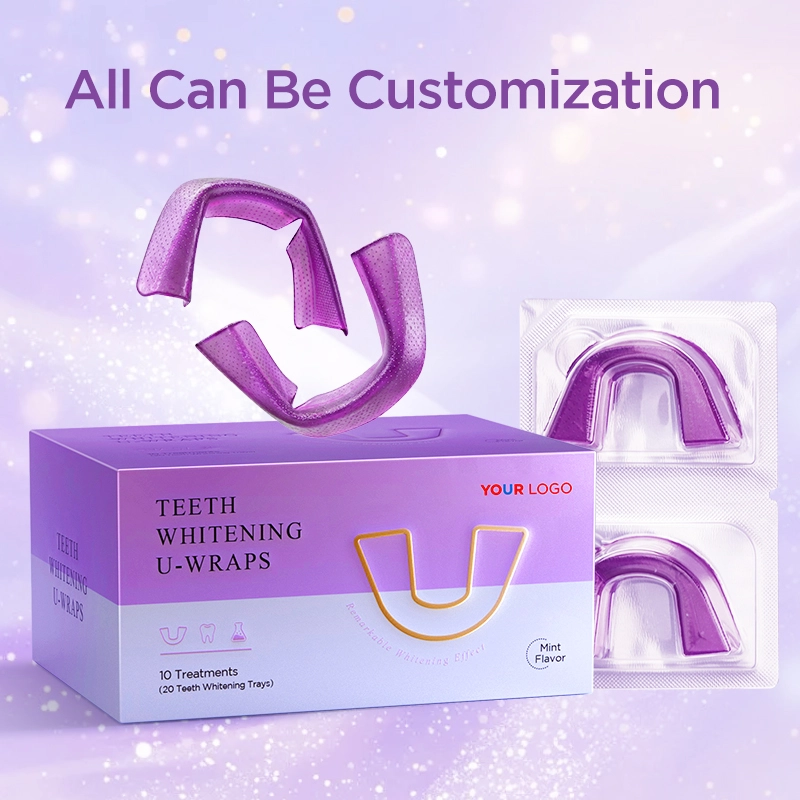
Purple Teeth Whitening U-Wraps: Private Label Sourcing Guide for Brands
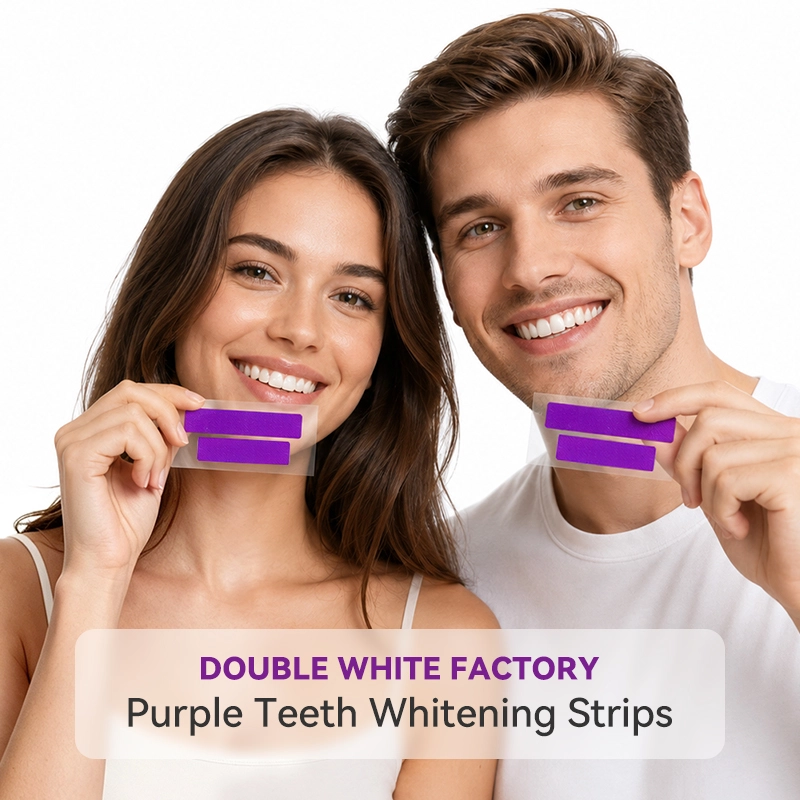
How Do Purple Teeth Whitening Strips Work? A Color-Correction Guide for Private Label Buyers

Whitening Pen Applicator & Dispensing Guide: What Buyers Should Check Before Bulk Production
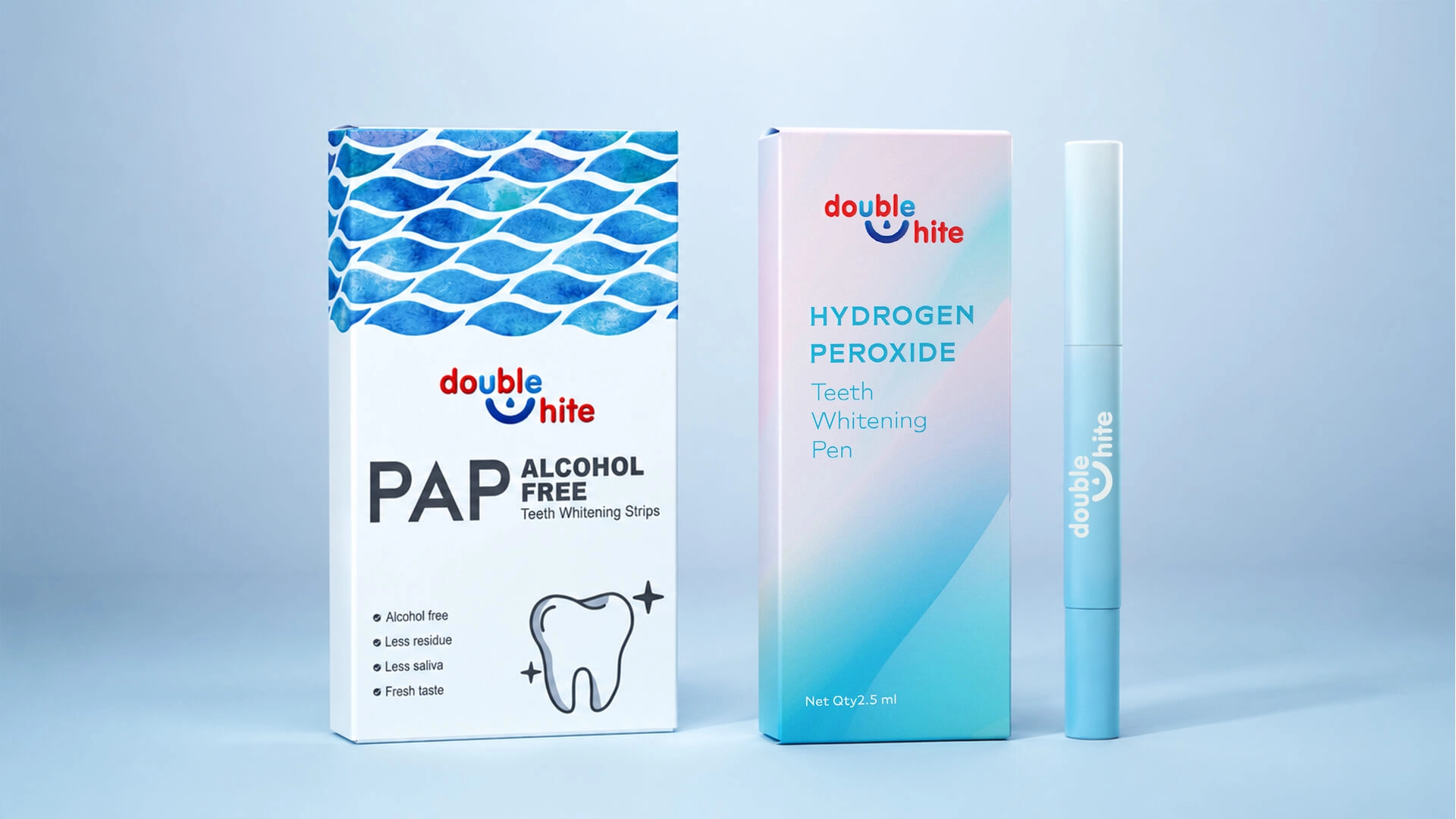
Whitening Pen Formula Stability: What Buyers Should Test Before Bulk Production
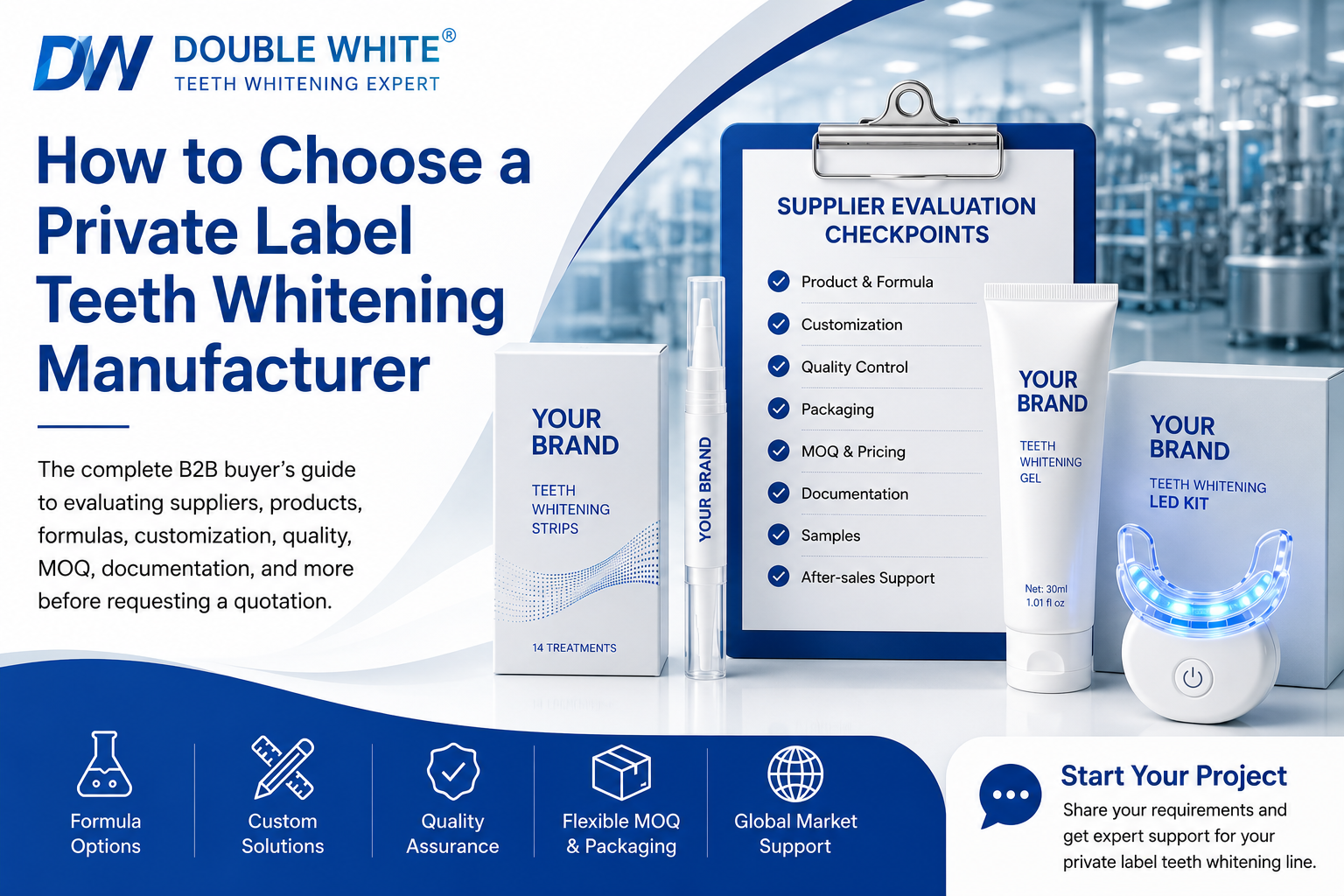
How to Choose a Private Label Teeth Whitening Manufacturer
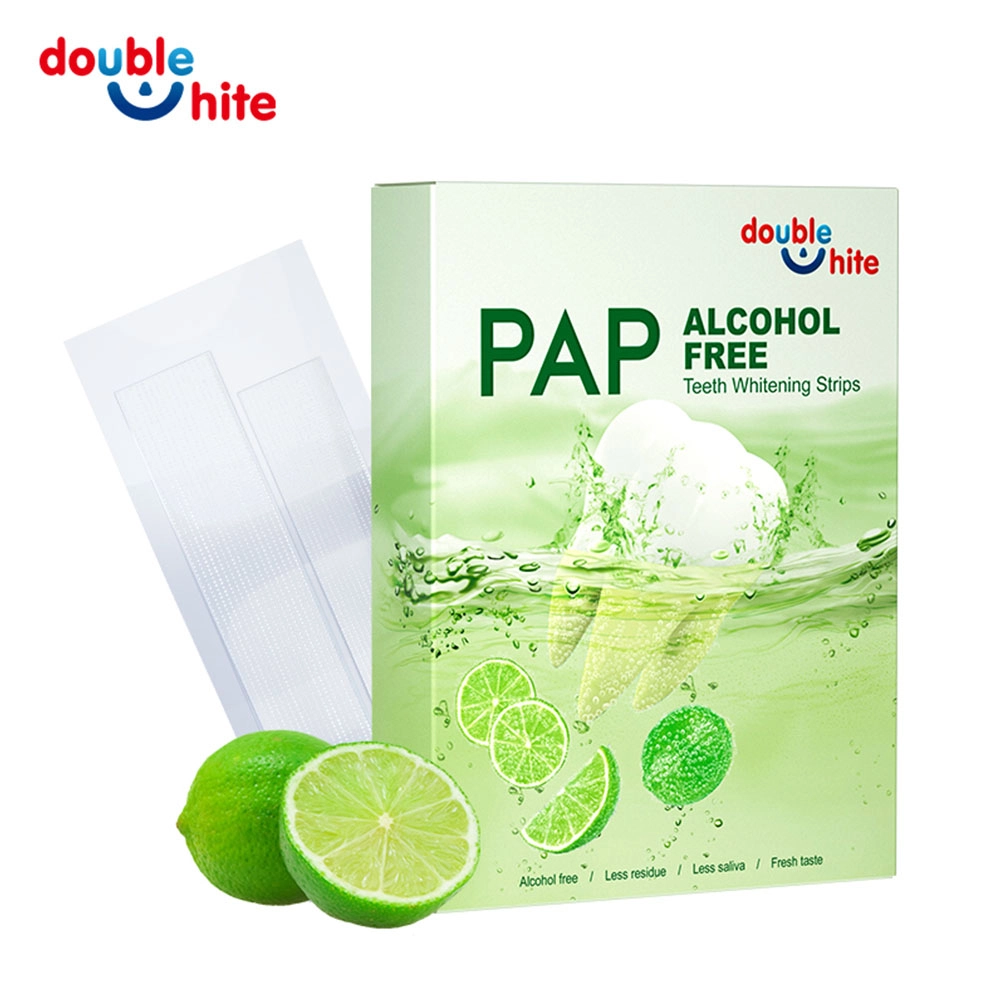
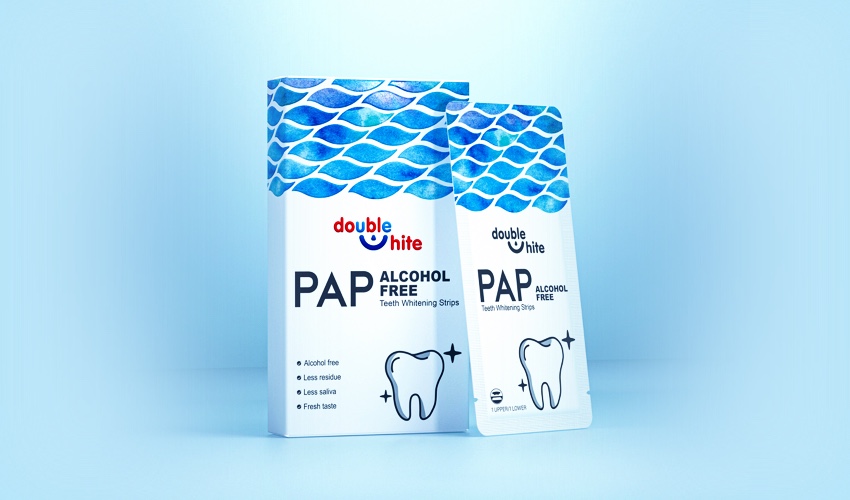
PAP Non-Alcohol Teeth Whitening Strips PAPNA-04
PAPNA-04 PAP Non-Alcohol Teeth Whitening Strips are designed for private label brands, wholesalers, salons, clinics, and e-commerce sellers seeking alcohol-free whitening strip products with flexible OEM/ODM customization. This product uses PAP as the active ingredient and supports custom flavor, private label packaging, logo printing, sample development, and bulk production for different oral care markets.
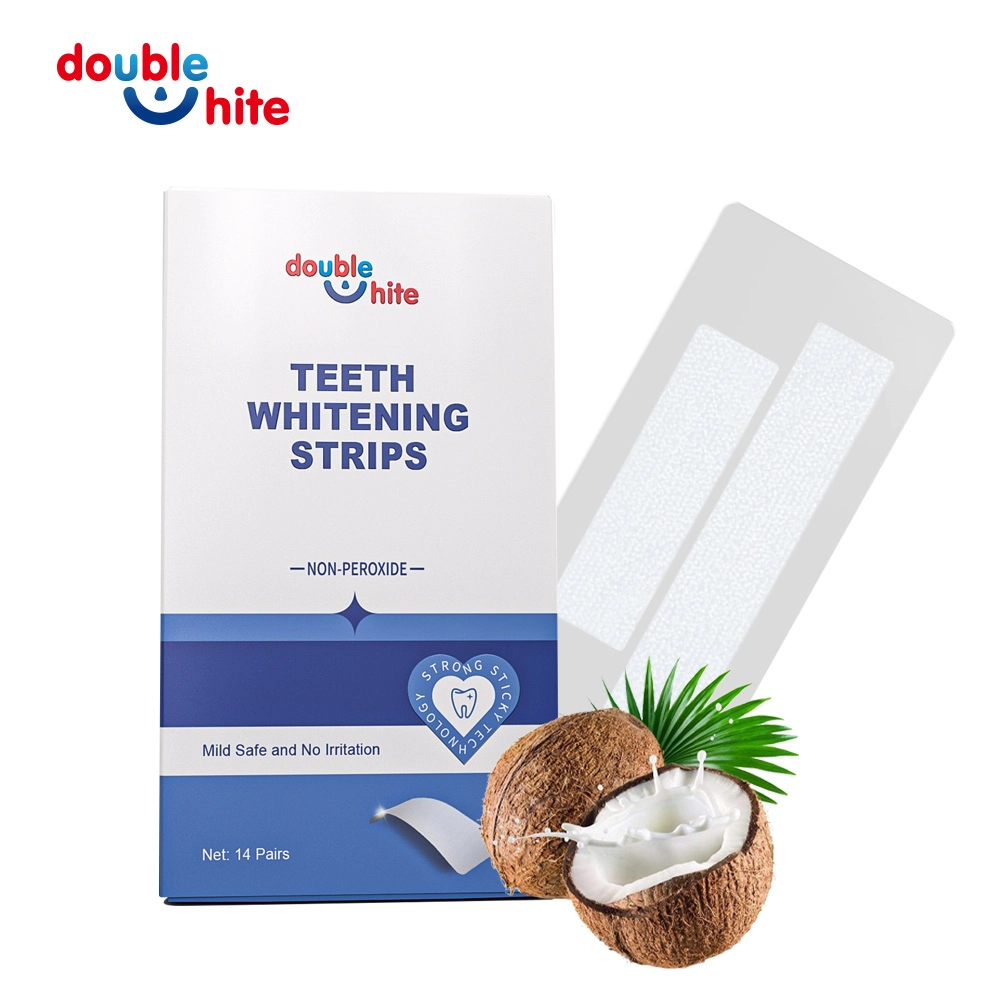
Sodium Chlorite Teeth Whitening Gel Strips for Private Label Brands
Sodium chlorite teeth whitening gel strips are designed for private label brands, wholesalers, salons, clinics, and e-commerce sellers seeking gel-based whitening strip products with flexible customization. This product uses sodium chlorite as the active ingredient and supports custom flavor, private label packaging, logo printing, sample development, and bulk production for different oral care markets.
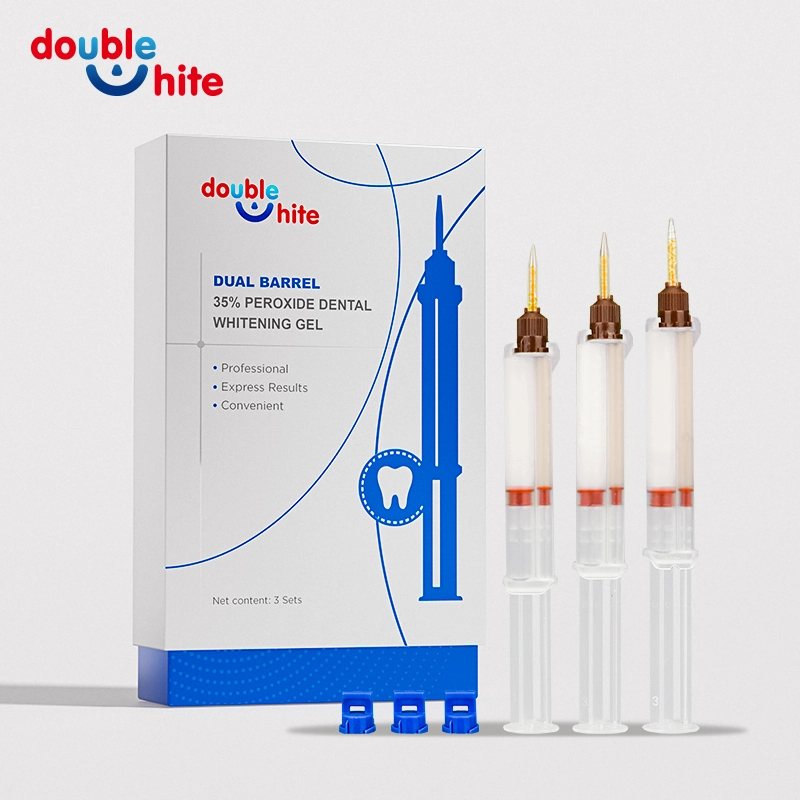
Dual barrel 35% Peroxide Dental Whitening Gel
Dual-Barrel Professional Peroxide Dental Gel (Dual Barrel) for OEM and private label sourcing. Review the verified peroxide (35% marketed concentration; basis requires verification) formula, dispensing system, sample specifications, packaging, quality documentation and destination-market requirements. No universal safety or performance claims are implied.
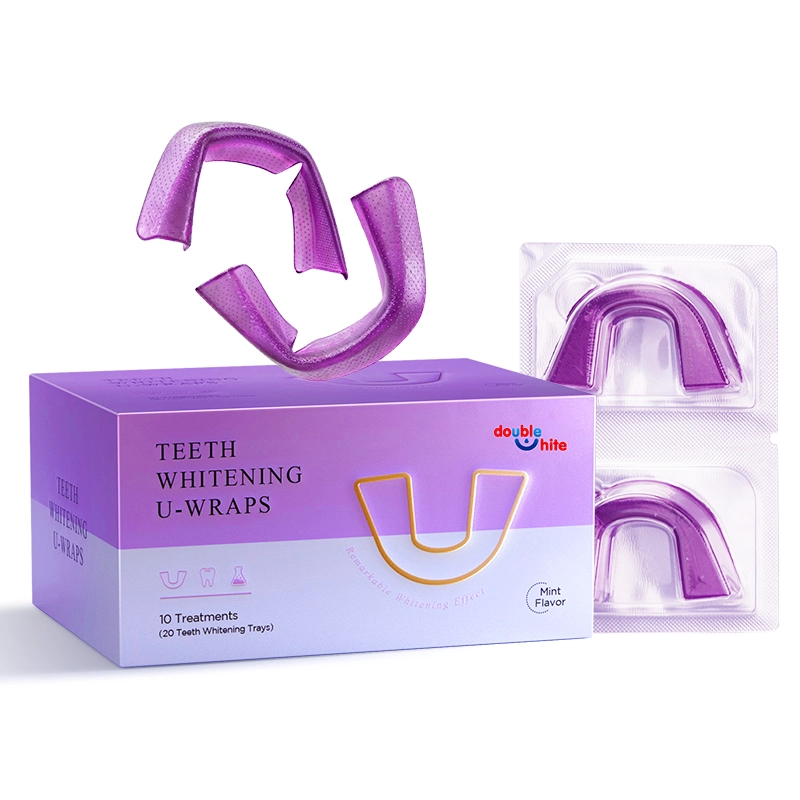
Purple Violet Teeth Whitening U-Wraps
Private label purple teeth whitening u wraps by Double White offer targeted stain removal with purple color corrector teeth whitening strips designed for effective, even whitening. These U-wraps fit comfortably and deliver consistent results for professional-grade teeth brightening.
Send us your inquiry
Reach out to us through the form below or via the contact information provided.
Our dedicated team is committed to providing prompt and personalized responses to all your queries.
Please fill out the fields above with your full name, email address, and comment.


Copyright © 2026 Double White All Rights Reserved. Designed by gooeyun
Whatsapp: +8615920313473
cndoublewhite
Doublewhite
doublewhite
cndoublewhite
cndoublewhite
Double White