






Hydrogen Peroxide, PAP, or Sodium Chlorite Whitening Strips: How Should Brands Choose?
A practical B2B guide to choosing between hydrogen peroxide, PAP, and sodium chlorite whitening strips for different markets, consumer positions, compliance needs, and private-label projects.

- Quick Answer: Which Whitening Strip Formula Should a Brand Choose?
- What Are Hydrogen Peroxide, PAP, and Sodium Chlorite Whitening Strips?
- How Do the Three Formulations Work?
- Hydrogen Peroxide vs PAP vs Sodium Chlorite: Buyer Comparison
- Formulation Choice by Target Market
- Application Requirements by Channel
- Common Buyer Pain Points
- Recommended Formula and Strip-Format Fit
- Design and Specification Considerations
- Industry Use Cases
- Common Buying Mistakes
- Decision Framework and Next Steps for a Market-Specific Product
- How to Evaluate Supplier Fit for This Application
- Conclusion and Next Steps
- Share Your Application Scenario
- Frequently Asked Questions
- References
There is no universally best formula for every whitening-strip market. Hydrogen peroxide may fit markets where peroxide-based whitening is accepted, while PAP and sodium chlorite may support non-hydrogen-peroxide or alternative positioning when permitted and substantiated. For B2B buyers, the correct choice depends on destination market, product classification, claims, consumer expectations, strip format, packaging, and the evidence a manufacturer can provide.
Quick Answer: Which Whitening Strip Formula Should a Brand Choose?
Choose the market and claims strategy before choosing the active system. Hydrogen peroxide, PAP, and sodium chlorite are different formulation routes, not interchangeable versions of one product.
- Hydrogen peroxide: May suit peroxide-accepted markets and familiar peroxide-based positioning.
- PAP: May support a non-hydrogen-peroxide concept where local requirements and product evidence support the intended claims.
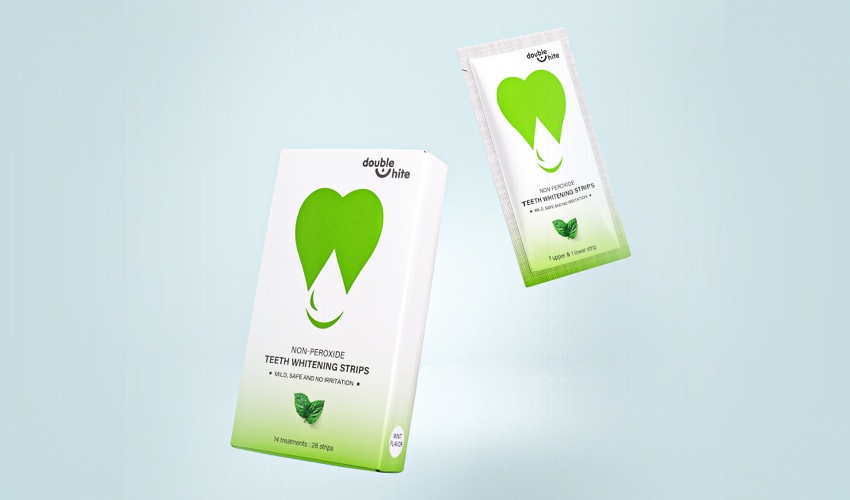
- Sodium chlorite: May be considered as another alternative formulation route, subject to formula-specific review.
Before requesting a quotation, define the target countries, sales channels, intended claims, active-system options, wear instructions, strip format, packaging, and required documents. Buyers comparing a teeth whitening strips factory should also distinguish an existing formula from a customized formulation or packaging project. Brands planning to develop a market-specific private-label product should treat formulation, claims, packaging, and documentation as one connected decision.
What Are Hydrogen Peroxide, PAP, and Sodium Chlorite Whitening Strips?
Hydrogen peroxide is a peroxide-based whitening active used in teeth whitening strips. PAP commonly refers to phthalimidoperoxycaproic acid and is used as an alternative peroxide-related whitening active. Sodium chlorite represents another formulation route used in whitening strips.
For more context on this related topic, see teeth whitening strips factory supplier checklist.
The active system is only one part of the finished product. Film construction, gel carrier, adhesion, moisture management, contact time, packaging, instructions, and label language all affect the application and commercial suitability. “Non-peroxide” should describe a specific formulation choice; it does not automatically establish that a product is safer, gentler, natural, or suitable for sensitive teeth.
Scientific research should be assessed against the exact active, concentration, finished formula, intended use, and claim. The National Center for Biotechnology Information PubMed Central collection on dental bleaching agents is a useful research starting point, but general literature does not replace finished-product substantiation.
How Do the Three Formulations Work?
Whitening strips generally use an oxidation or redox process to help break down and lift certain stains. The user experience depends on how the active is delivered to the tooth surface, including gel condition, contact area, wear time, moisture control, and application consistency.
Strip formats create different design requirements:
- Wet-gel strips: May require rinsing and require attention to movement, overflow, and gel distribution.
- Dry-gel strips: May support easier handling and adhesion, but the complete formula and film still require testing.
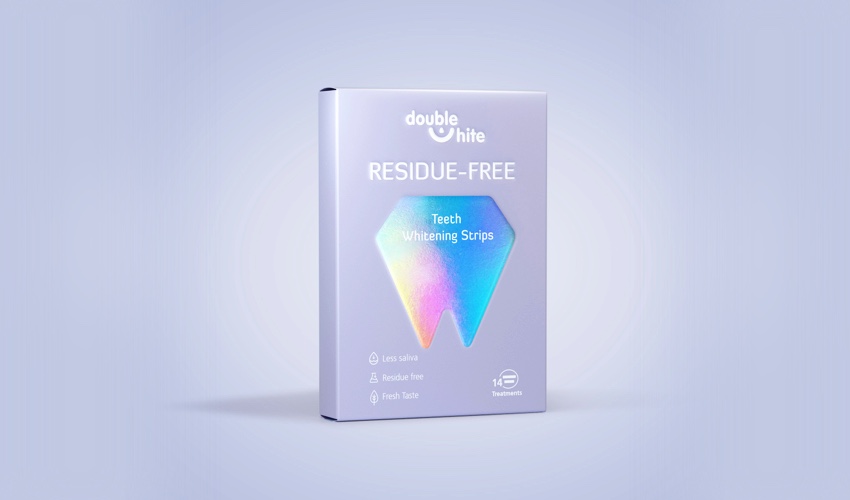
- No-residue strips: Address convenience expectations where minimal residue and no-rinse use are important.
- Dissolvable strips: Use a single-layer format intended to dissolve during application; instructions must match the finished construction.
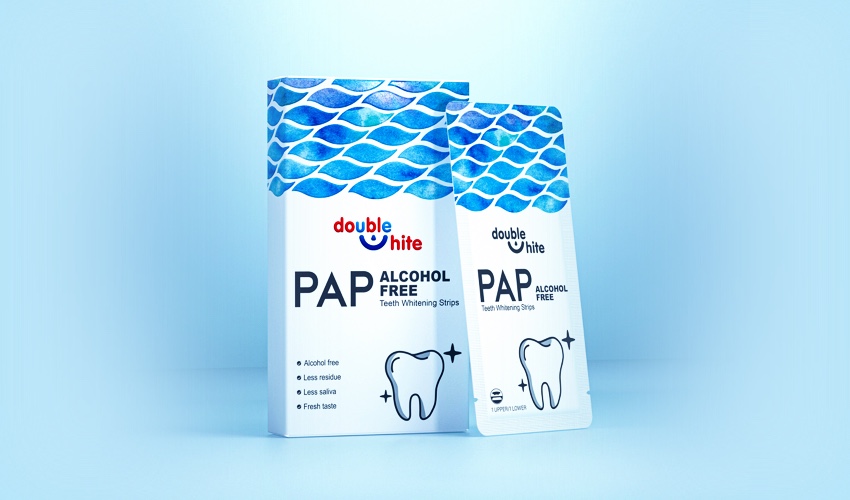
- Alcohol-free strips: May support specific consumer or market positioning, but the complete formula must be verified.
- Natural or polymer-reduced strips: Require precise ingredient definitions and support for any related claims.
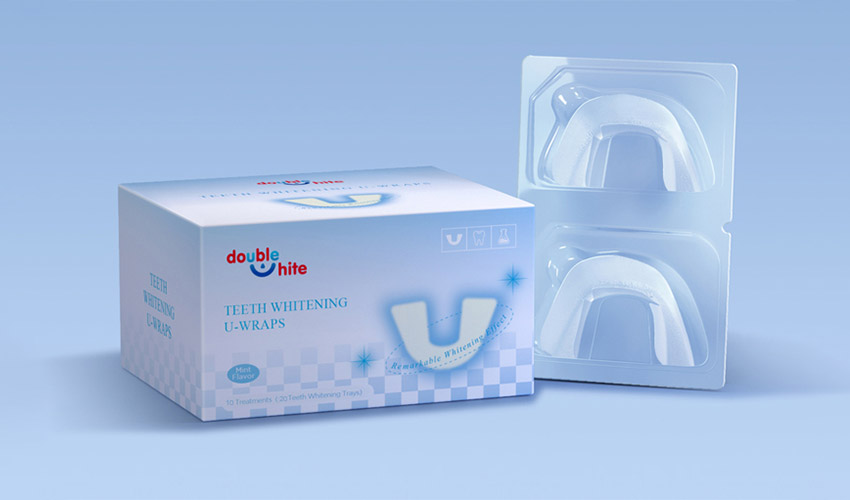
- U-shaped strips: May be considered where coverage and uneven tooth alignment are important design objectives.
Concentration alone does not establish performance, sensitivity outcomes, enamel safety, or shelf stability. Buyers should compare finished strips under the same use protocol and request evidence for the exact formulation and packaging. The commercial effect of format, packaging, MOQ, and other quotation variables can be reviewed through this guide to teeth whitening strips factory MOQ and pricing.
Hydrogen Peroxide vs PAP vs Sodium Chlorite: Buyer Comparison
| Buyer criterion | Hydrogen peroxide | PAP | Sodium chlorite |
|---|---|---|---|
| Possible positioning | Peroxide-based whitening route | Non-hydrogen-peroxide positioning where supportable | Alternative formulation route where permitted |
| Primary review | Concentration, classification, claims, labeling, and local restrictions | Ingredient specification, substantiation, claims, labeling, and local restrictions | Formula specification, packaging, claims, labeling, and local restrictions |
| Key buyer question | Is the proposed peroxide level and claim set acceptable for the destination market? | What evidence supports the proposed PAP formula and positioning? | How is the finished sodium chlorite strip controlled and documented? |
| Evidence to request | Ingredient and concentration confirmation, stability information, test reports, and label support | PAP specification, safety or toxicological documents where applicable, test reports, and claims support | Sodium chlorite specification, stability information, test reports, and claims support |
Formulation Choice by Target Market
North America
Market tendency: Buyers may consider hydrogen peroxide routes where peroxide-based whitening and the proposed product category are accepted.
Verify: Confirm classification, ingredient disclosure, concentration, labeling, advertising language, and channel requirements using current market-specific advice. The U.S. Food and Drug Administration cosmetics guidance provides regulatory context for U.S. cosmetics and labeling.
Do not conclude: FDA cosmetics guidance does not by itself approve a specific whitening strip, establish a universal concentration, or prove compliance throughout North America.
Europe
Market tendency: Buyers may evaluate non-hydrogen-peroxide routes such as PAP or sodium chlorite when peroxide-related requirements affect the intended product strategy.
Verify: Review the rules of each destination country, product classification, ingredient status, claims, safety documentation, and responsible-party requirements before finalizing artwork.
Do not conclude: “Europe” is not one uniform regulatory destination, and a non-hydrogen-peroxide formula is not automatically approved or suitable for every European market.
Australia and China Mainland
Market tendency: Hydrogen peroxide, PAP, or sodium chlorite may be considered depending on the product concept, channel, and destination requirements.
Verify: Confirm local classification, permitted formulation, concentration, labeling, claims, import responsibilities, and supporting documents with the relevant local adviser or importer.
Do not conclude: A formula used in one country can be transferred to the other without a separate market and documentation review.
Middle East and Emerging Markets
Market tendency: Alcohol-free positioning may be relevant in some Middle East projects, while wet or dry formats may be considered for cost-sensitive market testing in emerging markets.
Verify: Confirm the complete ingredient list, any religious or market-specific documentation, packaging protection, storage conditions, instructions, and permitted claims.
Do not conclude: An alcohol-free, wet, or dry format automatically satisfies Halal, safety, performance, or local-market requirements.
Application Requirements by Channel
| Buyer or channel | Application requirements | Information to include in the brief |
|---|---|---|
| Startup or new brand | Clear positioning, manageable sampling, and evidence before packaging investment | Launch market, target consumer, preferred active, claims, expected pack format, and sample approval criteria |
| Wholesaler | Consistent specifications, channel-ready packaging, and repeat-order clarity | Destination countries, retail channel, pack configuration, documentation, MOQ, and delivery terms |
| E-commerce seller | Simple instructions, stable packaging, and claims that match online product content | Listing claims, languages, residue expectations, usage images, storage conditions, and complaint risks |
| Salon or training school | Repeatable application and clear operator instructions | Wear time, removal or rinsing, hygiene instructions, training materials, and intended professional-use boundaries |
| Dentist or clinic | Traceable documentation and conservative claims suitable for professional review | Formula specification, use instructions, safety documents, test evidence, lot identification, and escalation process |
Common Buyer Pain Points
- Regulatory rework: A formula is selected before the destination market or product classification is confirmed. Ask for a written list of assumptions and unresolved requirements.
- Samples cannot be compared: Different wear times, packaging, storage conditions, or evaluation methods make the result unreliable. Use one written protocol.
- Claims cannot be used: Terms such as “safe,” “enamel-safe,” “gentle,” “natural,” “non-toxic,” “sensitive-teeth suitable,” “vegan,” or “Halal-compliant” may require specific evidence or certification.
- Packaging affects the product: Moisture exposure, seal performance, storage conditions, and unclear instructions can affect use even when the active system is acceptable.
- MOQ does not match the channel: Confirm whether the quotation concerns a stock formula, customized formulation, customized packaging, or a combined project.
Recommended Formula and Strip-Format Fit
| Project objective | Formulation or format to screen | Validation priority |
|---|---|---|
| Peroxide-focused retail positioning | Hydrogen peroxide with a suitable wet, dry, no-residue, or other strip format | Local requirements, concentration, claims, stability, adhesion, and instructions |
| Non-hydrogen-peroxide positioning | PAP or sodium chlorite | Exact ingredient specification, claims evidence, packaging, and market acceptance |
| Convenience-led e-commerce product | No-residue, dissolvable, or dry-gel format | Wear experience, residue, removal, storage, and consumer instructions |
| Market-specific religious or ingredient positioning | Alcohol-free or another precisely defined formula | Complete formula review and applicable certification or claims evidence |
| Coverage or fit concern | U-shaped format or another film design | Fit, coverage, adhesion, comfort, and suitability for the intended users |
Design and Specification Considerations
A useful RFQ should specify more than the active ingredient. Ask the supplier to confirm:
- Active system, ingredient identity, concentration or use level, and acceptable alternatives.
- Film structure, dimensions, adhesion behavior, gel loading, moisture condition, and residue expectations.
- Wear time, rinsing or dissolution instructions, storage conditions, and packaging protection.
- Artwork language, required warnings, intended claims, and responsibility for label review.
- Sample format, commercial packaging, evaluation protocol, and approval criteria.
- Ingredient specifications, test reports, stability information, safety or toxicological documents where applicable, and claims support.
Assess every candidate using the same wear time and review method. Record adhesion, comfort, gel distribution, residue, appearance, fit, removal, instructions, packaging condition, and storage behavior. Informal user feedback may identify handling issues but should not be treated as clinical evidence.
Industry Use Cases
Private-label e-commerce: A brand may prioritize a clear ingredient story, compact packaging, simple instructions, and claims that can be used consistently across the product page and package.
Wholesale distribution: A wholesaler may need a stable specification and documentation package that can be presented to different retailers. Country-specific packaging and claims should be planned before committing to one global version.
Salon and training use: The practical priority is repeatable application. Wet, dry, dissolvable, and no-residue formats should be compared for handling, timing, removal, and user instruction requirements.
Clinic-related projects: Buyers may require more detailed formula, safety, traceability, and use documentation. Marketing claims should be separated from evidence suitable for professional review.
Common Buying Mistakes
- Choosing an active before defining the country, channel, and claims.
- Using concentration as a substitute for finished-product testing.
- Assuming non-hydrogen-peroxide means safe, gentle, or suitable for sensitive teeth.
- Approving artwork before formula, classification, and claim review.
- Comparing loose samples without checking commercial packaging and storage condition.
- Assuming one MOQ, delivery term, or document package applies to every project type.
Decision Framework and Next Steps for a Market-Specific Product
- Define countries, channels, and classification. The buyer submits target markets, sales channels, intended users, and any classification assumptions. The supplier should identify available product categories and documentation assumptions. If the classification or destination requirements are unclear, pause formulation selection and obtain local regulatory or importer advice.
- Review active systems and claims limits. The buyer submits preferred claims, excluded ingredients, and acceptable alternatives. The supplier should provide ingredient identities, proposed use levels, available claims evidence, and documentation gaps. If a claim cannot be supported, remove or revise it before artwork and sampling.
- Shortlist hydrogen peroxide, PAP, or sodium chlorite. The buyer states the desired positioning and consumer expectations. The supplier should distinguish an existing formula from a formula requiring development or confirmation. If no candidate fits the market, do not substitute an active without a new technical and regulatory review.
- Define film, gel, wear time, and packaging. The buyer submits format, adhesion, residue, rinsing, packaging, language, storage, and user-experience requirements. The supplier should confirm what can be supplied and what requires project approval. If the proposed format does not meet the application, revise the specification before requesting a final quotation.
- Test samples under one written protocol. The buyer records wear time, storage condition, adhesion, comfort, gel distribution, residue, fit, appearance, packaging, and instructions. The supplier should identify the sample formula and packaging version. If samples are not comparable or a requirement fails, request a documented revision rather than approving on informal impressions.
- Review evidence, MOQ, quality process, and commercial terms. The buyer submits final approval criteria and order assumptions. The supplier should provide the applicable documents, clarify quality and change-control responsibilities, identify MOQ by project type, and state the scope of delivery terms. If evidence, responsibilities, or commercial conditions remain unclear, record the gap and postpone approval.
How to Evaluate Supplier Fit for This Application
| Area | Knowledge supported | Project confirmation required |
|---|---|---|
| Product categories | Hydrogen peroxide, PAP, and sodium chlorite whitening-strip categories are included in the supplied product information. | Whether the quoted option is stock, semi-custom, or a new formulation. |
| Customized orders | An MOQ of 1,000 boxes is stated for customized packaging and formulation orders. | Whether this MOQ applies to the buyer’s exact formula, packaging, market, and order structure. |
| Delivery | DDP and DDU door-to-door options are stated. | Applicable country, responsibilities, taxes, fees, documents, and delivery scope. |
| Quality evidence | Buyers should expect the supplier to explain available ingredient, safety, testing, stability, and labeling documentation. | Actual documents, validity, product applicability, batch records, retention samples, change notification, complaint handling, and release criteria. |
| Fulfillment model | The supplied information states that overseas warehousing and dropshipping are not supported. | Buyer’s inventory, import, and distribution responsibilities. |
For any whitening strips manufacturer, ask for a documented explanation of raw-material approval, gel filling, film application, sealing checks, batch sampling, stability work, label proofreading, and finished-product release. These processes should be treated as supplier evidence to review, not assumed from a certificate or factory description. ISO’s cosmetics standards information provides general context for manufacturing and quality-system expectations, but it does not replace verification of a specific supplier’s current certificates or controls.
Double White Medical Technology Development (Guangzhou) Co. LTD is listed in the supplied company information as supporting hydrogen peroxide, PAP, and sodium chlorite whitening-strip categories. Buyers should confirm the exact formula status, documentation scope, MOQ, and DDP or DDU terms for the individual project rather than treating category support as automatic approval.
Conclusion and Next Steps
The right whitening-strip formula is the one that fits the destination market, channel, user experience, packaging, claims, and available evidence. Start with the market brief, compare complete finished-strip samples, and approve the supplier only after technical, regulatory, quality, and commercial gaps are documented.
A concise RFQ should include target countries, active-system preference, acceptable alternatives, claims, film and gel requirements, wear instructions, packaging, sample protocol, required documents, MOQ assumptions, delivery terms, and final approval criteria.
Share Your Application Scenario
Share the target market, sales channel, preferred active system, strip format, packaging requirements, intended claims, and documentation needs so the formulation and supplier requirements can be assessed against the application.
Request a market-specific whitening-strip formulation review
Frequently Asked Questions
References
Purple Violet Teeth Whitening U-Wraps for Private Label & Wholesale
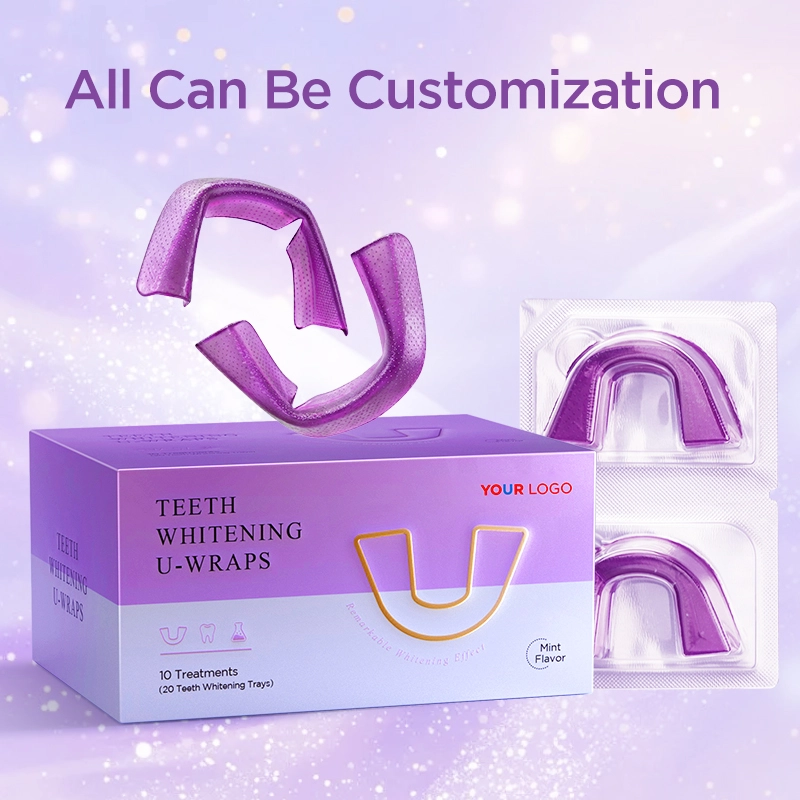
Purple Teeth Whitening U-Wraps: Private Label Sourcing Guide for Brands
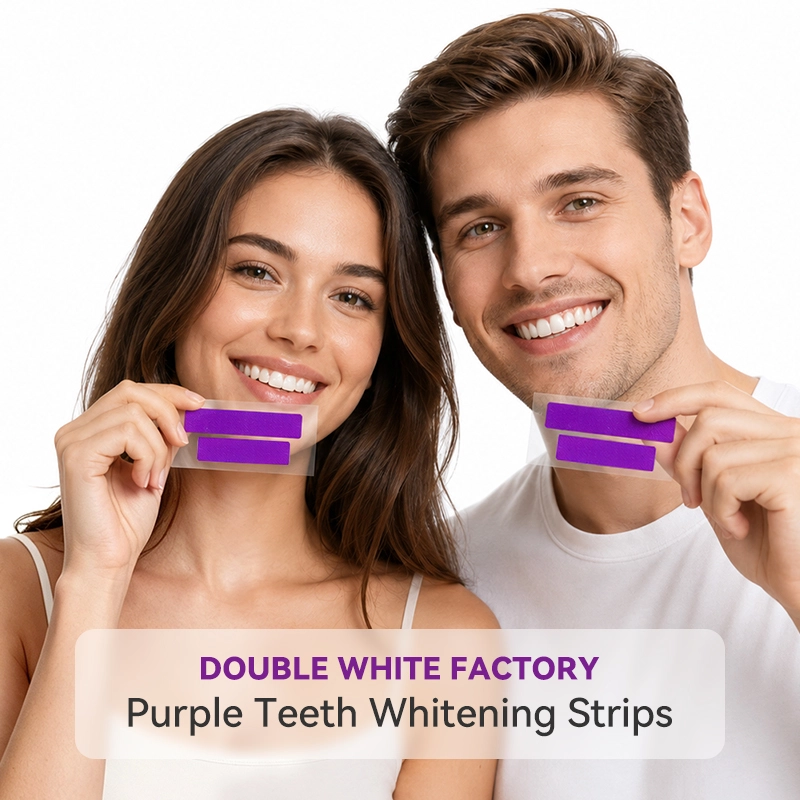
How Do Purple Teeth Whitening Strips Work? A Color-Correction Guide for Private Label Buyers

Whitening Pen Applicator & Dispensing Guide: What Buyers Should Check Before Bulk Production
Whitening Pen Formula Stability: What Buyers Should Test Before Bulk Production
How to Choose a Private Label Teeth Whitening Manufacturer
Violet Purple Teeth Whitening Strips
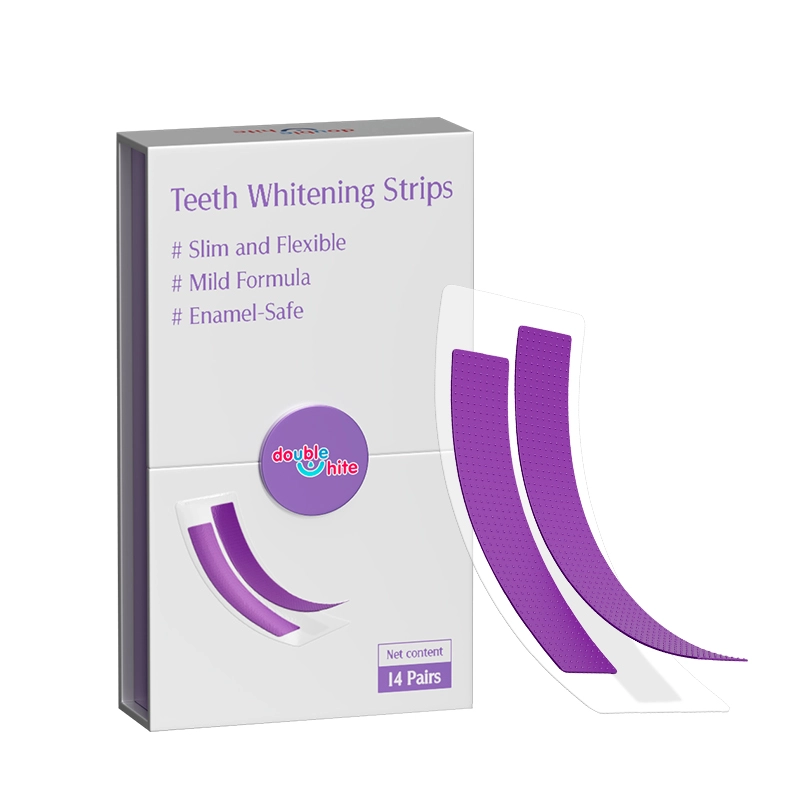
Violet Purple Teeth Whitening Strips for color-correcting product concepts and private label packaging. The product record lists hydrogen peroxide, but exact formulation and violet-pigment product mechanism require verification before confirming category assignment or whitening claims.
PAP Non-Alcohol Teeth Whitening Strips PAPNA-04
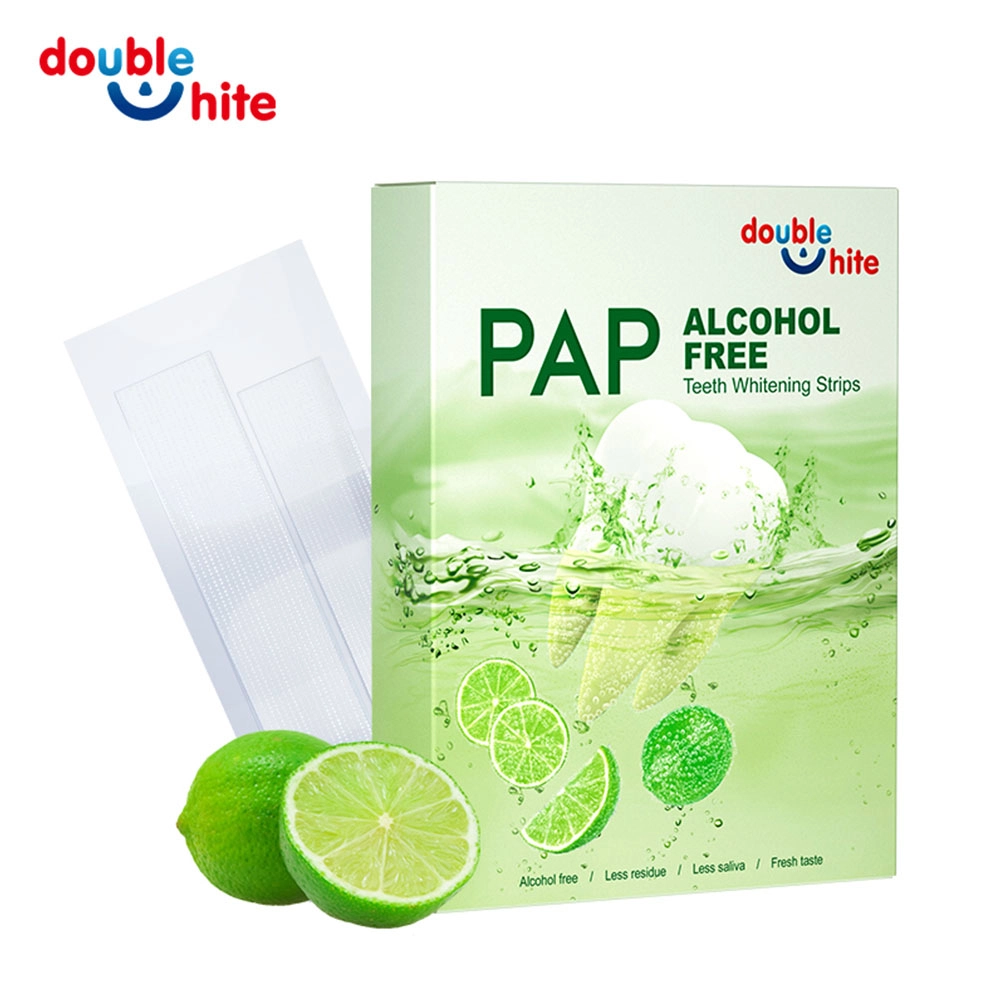
PAPNA-04 PAP Non-Alcohol Teeth Whitening Strips are designed for private label brands, wholesalers, salons, clinics, and e-commerce sellers seeking alcohol-free whitening strip products with flexible OEM/ODM customization. This product uses PAP as the active ingredient and supports custom flavor, private label packaging, logo printing, sample development, and bulk production for different oral care markets.
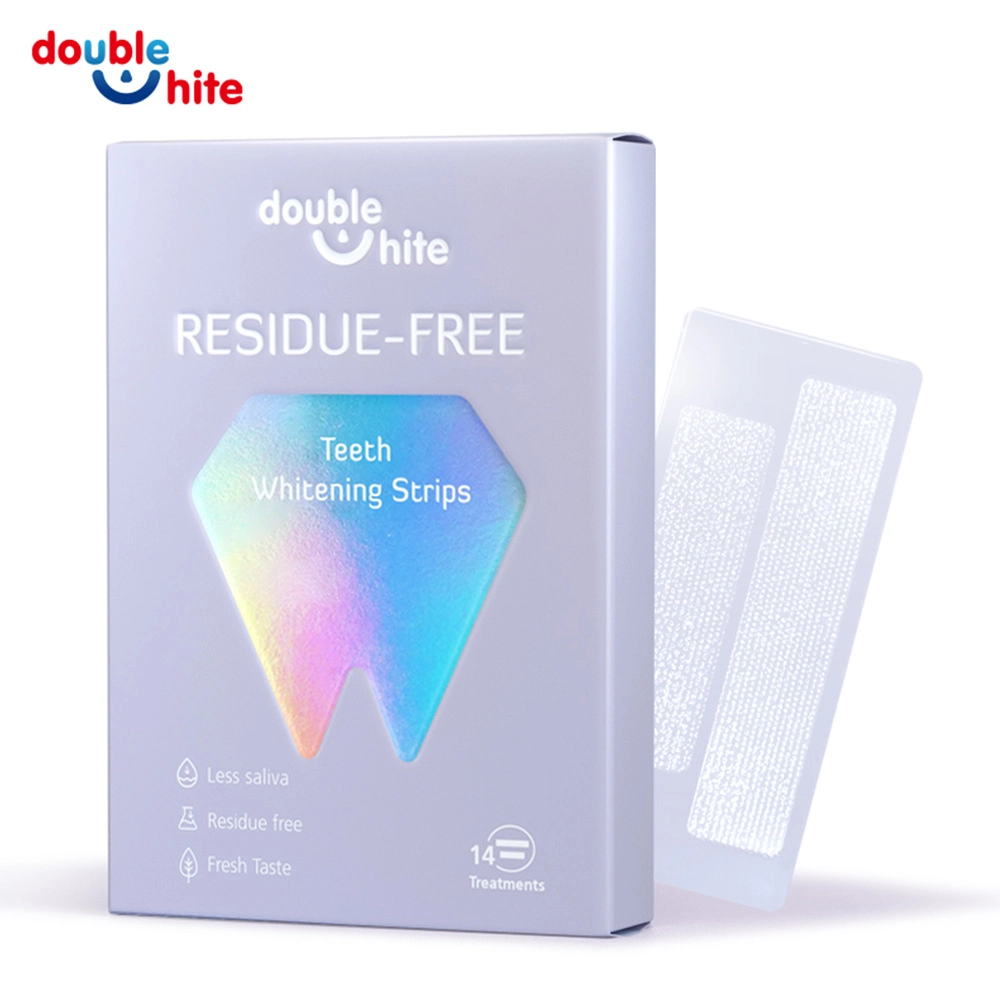
Hydrogen Peroxide Residue-Free Teeth Whitening Strips RFHP02
RFHP02 Hydrogen Peroxide Residue-Free Teeth Whitening Strips are designed for private label brands, wholesalers, salons, clinics, and e-commerce sellers looking for whitening strips with strong adhesion, clean removal, and a low-residue user experience. Double White supports custom flavor, private label packaging, logo printing, sample support, and bulk production for global oral care businesses.
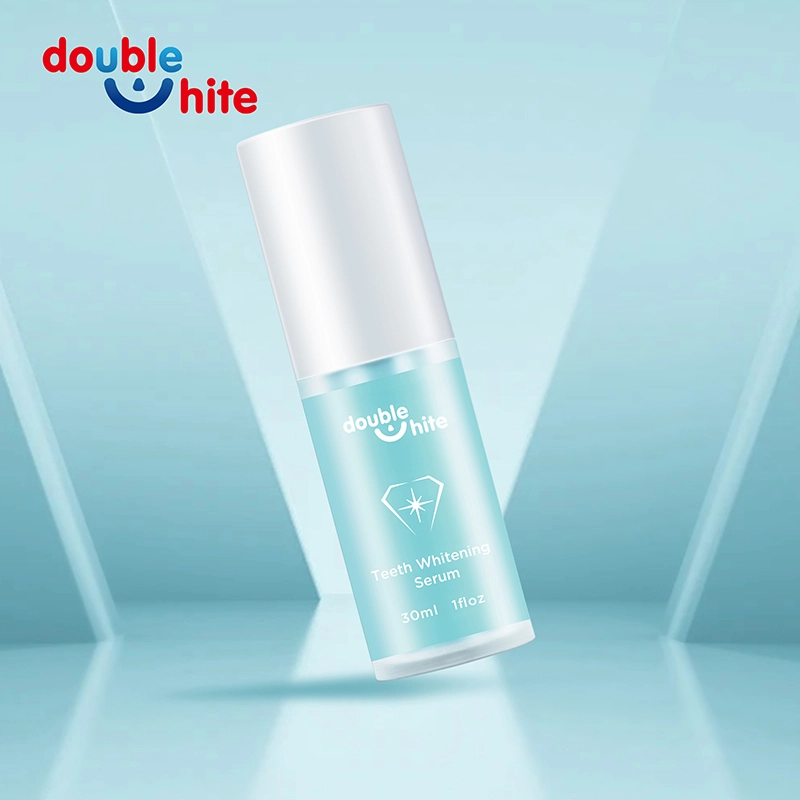
PAP Blue Flash Whitening Gel
Discover Double White’s PAP Blue Flash Whitening Gel, a powerful whitening gel designed to brighten your smile effectively. This PAP Blue Whitening Gel gently removes stains, enhancing tooth whiteness with a fast, safe formula. Ideal for a radiant, confident look every day.
Send us your inquiry
Reach out to us through the form below or via the contact information provided.
Our dedicated team is committed to providing prompt and personalized responses to all your queries.
Please fill out the fields above with your full name, email address, and comment.


Copyright © 2026 Double White All Rights Reserved. Designed by gooeyun
Whatsapp: +8615920313473
cndoublewhite
Doublewhite
doublewhite
cndoublewhite
cndoublewhite
Double White