







Custom Packaging for Private Label Teeth Whitening Strips: A Buyer’s Guide
A practical guide to custom packaging for private label teeth whitening strips, including protection requirements, packaging formats, design decisions, compliance inputs, buyer mistakes, and supplier evaluation criteria.

- Quick Answer: What Should Custom Whitening Strip Packaging Include?
- Packaging Requirements for Private Label Teeth Whitening Strips
- Common Buyer Pain Points in Custom Whitening Strip Packaging
- Recommended Packaging Format and Product Fit
- Design and Specification Considerations for Private Label Packaging
- Packaging Choices by Industry Use Case
- How to Prepare a Private Label Packaging Brief
- Common Buying Mistakes and Risk Controls
- How to Evaluate Supplier Fit for Custom Private Label Packaging
- Packaging RFQ Checklist and Next Steps
- Discuss Your Project Requirements
- Frequently Asked Questions
- References
Custom packaging for private label teeth whitening strips should be selected as part of the product specification, not added after the formula is approved. The right package connects the strip format, formula sensitivity, storage environment, target market, sales channel, pack count, instructions, and brand presentation. A complete brief should define the individual sachet or pouch, outer carton, printed elements, required product information, visual finish, sample approval process, and supplier evidence before quotation or production.
Quick Answer: What Should Custom Whitening Strip Packaging Include?
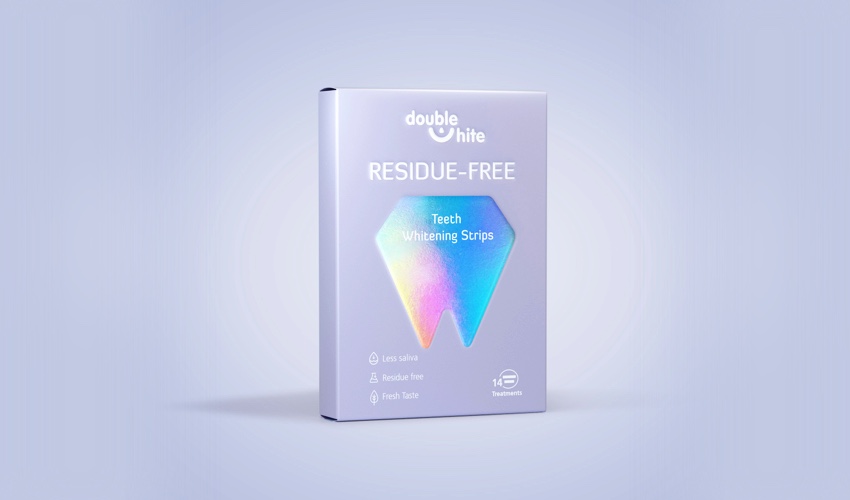
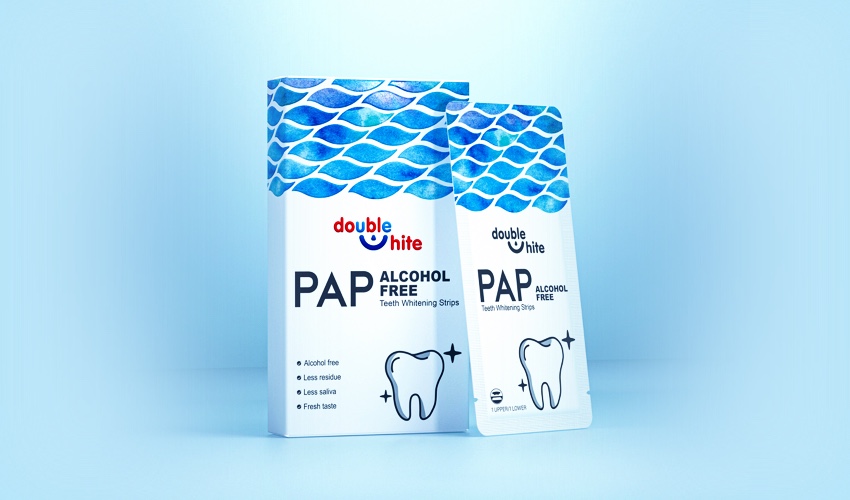
Custom packaging for private label teeth whitening strips normally includes the individual strip sachet or pouch, printed film or carrier, multi-unit carton, inserts, seals, labels, tamper-evident elements where appropriate, and shipping-ready presentation. Buyers should confirm whether the product is hydrogen peroxide-, sodium chlorite-, or PAP-based, whether it is dissolvable, alcohol-free, polymer-free, or another format, and which market and sales channel the package must serve. A logo-only redesign does not resolve protection, labeling, compatibility, or operational requirements.
For more context on this related topic, see private label teeth whitening strips manufacturer.
The role of primary and secondary packaging
The individual sachet or pouch is the first packaging layer that surrounds the strip. It must be reviewed against the product's formula, moisture sensitivity, expected storage conditions, opening method, and handling requirements. Depending on the approved product structure, buyers may also need to specify the printed film, strip carrier, seal area, tear notch, orientation, and whether one or more pairs are packed together.
The outer carton performs a different job. It groups the individual packs, communicates the product benefit and usage instructions, carries market information, and creates the presentation used in retail, clinics, salons, or e-commerce photography. Carton dimensions and pack count also determine how efficiently the product is stored, shipped, displayed, and managed as an SKU.
Packaging decisions should be connected to formula sensitivity, storage conditions, usage instructions, target market, sales channel, and brand positioning. Moisture, oxygen, light, temperature exposure, repeated handling, and seal integrity should be discussed with the supplier using the actual formula and distribution environment rather than general terms such as "premium packaging." Printed film can support a consistent visual identity at the point of use, while the carton has more space for product explanation, directions, warnings, barcode information, and translations. Buyers planning the broader private label teeth whitening strip sourcing process should coordinate packaging decisions with formula selection and product approval.
Information to define before requesting a quote
Prepare a short packaging brief before requesting quotations. It should state:
- Formula category and active ingredients.
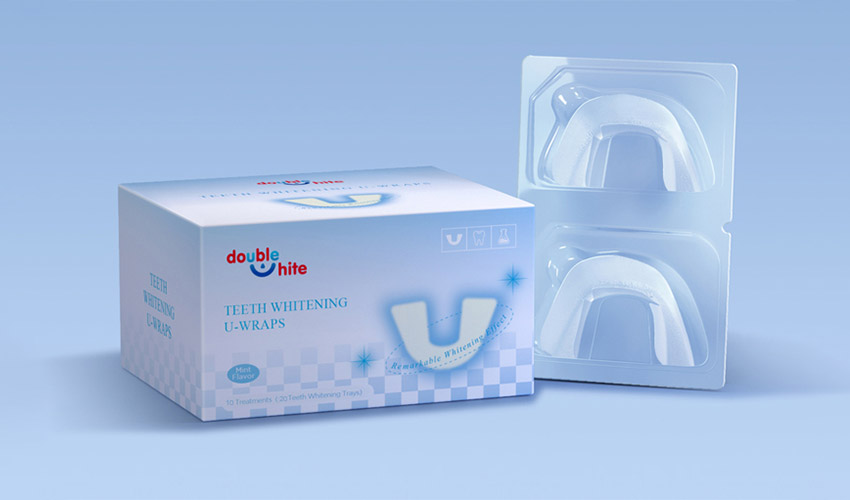
- Strip format, shape, wear characteristics, and whether the strip is wet gel, dry gel, no-residue, dissolvable, alcohol-free, polymer-free, or U-shaped.
- Number of pairs or units per box and the required individual-pack arrangement.
- Target market, languages, sales channel, and distribution environment.
- Required product claims, warnings, directions, storage information, barcode, and batch or lot identification.
- Preferred materials, film printing, carton finish, color differentiation, opening method, and tamper-evident presentation.
- Artwork status, sample expectations, quality records, and documentation required for the quotation.
Packaging Requirements for Private Label Teeth Whitening Strips
Protection during storage and transport
Packaging should be chosen after the product format is clear. Hydrogen peroxide, sodium chlorite, and PAP products should not automatically be assigned the same packaging structure because their formula, claims, storage expectations, and market positioning can differ. A wet gel strip may require a different handling and protection discussion from a dissolvable strip, while an alcohol-free or polymer-free product may need specific copy and documentation support.
For a focused comparison of active-formula considerations, buyers can review PAP vs hydrogen peroxide private label whitening strips before finalizing packaging copy.
Tell the supplier how the package will be stored and transported, including expected exposure to humidity, heat, light, compression, and repeated handling. The supplier should then identify which packaging structure and protection properties are verified for the specific formula. Do not treat an attractive material or finish as proof of barrier performance, shelf life, or compatibility.
Retail and e-commerce presentation
Define the destination market before artwork is finalized. A package intended for North America may require different labeling and ingredient review from one intended for Europe, Australia, China, or the Middle East. According to the U.S. Food and Drug Administration (FDA) - Cosmetic Products Guidance & Regulation, product presentation and labeling obligations must be considered within the applicable product category and market requirements.
Do not assume that one global package can be used unchanged. Confirm language, claims, warnings, ingredient presentation, product classification, and supporting documentation with the responsible regulatory or importing party for each jurisdiction.
Record the sales channel as a design input. Retail and pharmacy packs need readable shelf communication and consistent presentation. E-commerce packs must withstand parcel handling and photograph clearly without excessive empty space. Clinics may require professional-use information and traceability inputs, while salons and training schools may prioritize quick identification and practical multi-unit handling.
Market-specific information requirements
Reserve space for the product name, formula or ingredient information, directions, warnings, storage information, batch or lot data, manufacturer details, barcode, language requirements, and market-specific claims. Review the final copy against the approved product and actual packaging dimensions. For quality-management and cosmetics manufacturing benchmarks, buyers can consult the International Organization for Standardization (ISO) - Cosmetics Standards.
Common Buyer Pain Points in Custom Whitening Strip Packaging
Packaging looks attractive but does not protect the product
A functional sachet can still create a weak customer experience if the carton is difficult to understand, visually inconsistent, or unsuitable for the intended channel. Conversely, an attractive package can fail if it does not protect the strip or accommodate the required information. The solution is to approve protection, product information, and visual direction as one specification rather than selecting artwork first.
Artwork changes create production delays
"Moisture-proof" or "premium" is not a complete technical requirement. Buyers should ask what material structure is proposed, which compatibility or integrity evidence is available, how seals are checked, and whether the package has been reviewed with the actual strip and formula. This is particularly important when the product relies on controlled moisture or contains a peroxide-related or other active system.
Late changes to printed film, carton finishes, dimensions, instructions, or translations can require new proofs and samples. The risk increases when artwork is created before the supplier confirms dielines, seal areas, printable surfaces, barcode placement, and actual pack dimensions. Approve the structural format first, then develop final artwork against the confirmed files.
Packaging is not aligned with the formula or target market
A large retail carton may communicate more information but add material, storage, and parcel volume. A compact e-commerce pack may ship efficiently but leave less space for instructions and claims. Buyers should decide whether one pack serves both channels or whether separate formats are commercially justified.
Small text, weak contrast, incomplete translations, unsupported claims, or inconsistent directions can delay approval and create customer-service problems. Product copy should be checked against the approved formula, actual strip format, and destination-market requirements before printing.
Minimum order and sampling expectations are unclear
Unclear ownership of packaging specifications, choosing visuals before confirming format and dimensions, insufficient information about barrier and seal performance, incorrect pack counts, and missing translation or warning content are common sources of rework. Mismatch between packaging and online fulfillment, late changes to printed films or cartons, and unsupported assumptions about MOQ, lead time, or cost can also derail projects. Request samples, documented specifications, artwork proofs, relevant quality records, and evidence of sample-to-production control before committing to a supplier.
Recommended Packaging Format and Product Fit
Individual sachets or pouches for single-use strips
Ask which structure is compatible with the approved strip and formula, what protection properties have been verified, how seals are formed and checked, and whether the opening method suits the consumer. Define the sachet dimensions, pair orientation, seal area, tear feature, and whether the printed surface is the base film, top film, or both.
Multi-count cartons for retail and e-commerce
Confirm the number of pairs per box, carton dimensions, internal arrangement, insert requirements, and opening sequence. An attractive carton that allows sachets to move excessively may create a poor unboxing experience, while an overfilled carton can damage packs or make instructions difficult to access. The approved sample should represent the actual product quantity and arrangement.
Packaging considerations for different strip formats
Colored top-film options may help distinguish product variants; available options include purple, blue, pink, and black top-film presentations. Color should support, not replace, clear text and SKU identification. Matte, gloss, metallic, spot-color, and other finishes should be evaluated after print feasibility and information legibility are confirmed. Tamper-evident presentation can support consumer confidence, but the exact feature must be reviewed for suitability, opening behavior, and market expectations. Do not assume that a seal or visual closure automatically proves product integrity.
Design and Specification Considerations for Private Label Packaging
Sachet dimensions and seal areas
Confirm the available print method, artwork tolerances, color controls, and printable film surfaces before selecting a visual system. Define the sachet dimensions, pair orientation, seal area, tear feature, and whether the printed surface is the base film, top film, or both. Sachet-first planning is useful when formula protection, individual hygiene, and portion control determine the package. Carton-first planning is useful when shelf presentation, pack architecture, and consumer communication drive the initial brief. In both cases, the two layers must be reconciled before quotation because sachet dimensions determine carton capacity.
Printed film and visual differentiation
Printed film creates stronger integration at the individual-pack level and avoids a separate label application step. External labels can support smaller changes or market-specific identification when the underlying structure is already suitable. The choice should be compared using print feasibility, minimum order conditions, appearance, application controls, and the need for future SKU changes.
Carton structure and finish
Standard structures with custom artwork usually simplify early development and can reduce structural variables, but they may limit differentiation. Deeper customization can align film, carton, shape, and brand identity more closely, but it requires tighter artwork controls, clearer minimum-order conditions, and more extensive sampling. Compact packs prioritize storage and parcel efficiency. Retail presentation packs prioritize shelf communication and a more visible opening experience. The appropriate route depends on the channel, product quantity, required copy, and how the package will be handled after delivery.
Tamper-evident and user-information elements
Tamper-evident features, batch identification, lot traceability, and clear usage instructions should be integrated into the overall packaging design. Separate visual requirements from functional and regulatory requirements so the supplier can identify technical constraints early.
Packaging Choices by Industry Use Case
E-commerce and online brands
E-commerce requires strong product presentation, parcel compatibility, clear usage information, and controlled SKU complexity. An online brand may prioritize visual differentiation, product photography, compact shipping, and clear consumer instructions. The brief should define the hero visual, individual-pack appearance, unboxing sequence, and the information that must remain readable in product images. The package should look complete when photographed, remain identifiable after shipping, and avoid unnecessary components that increase volume without improving protection or customer understanding.
Wholesalers and retail programs
Wholesalers need consistent carton configuration, labeling, and replenishment information. A wholesaler may need market-specific versions with standardized quality and organized SKU management. Separate language, claims, and barcode requirements should be documented before production so that variants do not become mixed during packing or fulfillment. Prioritize shelf communication, readable product information, consistent pack architecture, and tamper-evident presentation where appropriate. A clear outer carton should help a shopper distinguish formula, pack count, usage method, and key claims without relying on the individual sachet for all communication.
Salons and training schools
Salons and training schools may prioritize convenient unit handling and educational presentation. They may need practical multi-unit formats, clear instructions, easy identification between variants, and professional presentation for repeated handling. If several formulas or strip shapes are used, color or film differentiation can reduce selection errors, but the distinction should also appear in the written product information. A practical format should make it simple to distinguish formulas or wear instructions without opening every individual pack.
Dentists and clinics
Clinics may require professional information architecture and clear usage directions. Clinic buyers should define professional-use information, patient instructions, lot identification, traceability inputs, and market-specific documentation. The package should support controlled distribution rather than relying only on consumer-facing promotional language. The package should be assessed as part of the clinic's distribution process rather than only as a retail display.
Business startups testing a new brand
Startups may prioritize a manageable first specification and scalable packaging system without assuming unverified commercial terms. Startups and emerging-market sellers often need controlled customization before expanding the range. A standard packaging structure with approved custom artwork can reduce early development complexity, while deeper film, shape, or carton changes can be introduced after the product-market fit and channel requirements are clearer.
How to Prepare a Private Label Packaging Brief
Product and formula inputs
Start with the formula, strip format, target market, channel, pack count, dimensions, brand assets, required languages, claims, and documentation. Separate fixed product requirements from visual preferences so the supplier can identify technical constraints early. Confirm product classification, formula copy, warnings, directions, storage language, and market review responsibilities before final artwork. Product and packaging approval should proceed together rather than as unrelated tasks.
Brand and artwork inputs
Provide logo, artwork, color, language, and finish direction. Check dielines, print colors, text legibility, barcode placement, seals, opening instructions, translations, and the relationship between the sachet and carton. Artwork should be reviewed at the actual size, not only on a screen. Request dimensional drawings or packaging mockups before final approval.
Market and compliance inputs
List required product information and claims for review. Confirm destination-market labeling and documentation needs. Clarify sample stages, artwork approval, packaging inspection, and change-control expectations.
Sampling and approval inputs
Compare the sample against approved artwork and the actual product. Check pack count, fit, seal appearance, tear behavior, carton assembly, readability, and the customer's expected opening experience. Define which changes require a new sample. Record the approved film, carton, dimensions, finish, colors, copy, quantity, and identification method. Agree how print consistency, packaging integrity, correct quantity, labeling, and lot identification will be checked during production. Finished-goods inspection should compare production packaging with the approved sample and artwork. Any change in film, carton, finish, copy, seal, or pack count should be documented and reviewed before shipment.
Common Buying Mistakes and Risk Controls
Selecting packaging from appearance alone
Use supplier-approved dielines and technical constraints before finalizing artwork. This prevents text, logos, barcodes, and seal areas from being placed in unusable positions. Separate primary protection from brand presentation. Validate formula, dimensions, and storage conditions together.
Treating all markets as having the same requirements
Confirm formula category and strip generation first. Wet gel, dissolvable, peroxide-based, PAP-based, sodium chlorite-based, alcohol-free, and polymer-free products should be reviewed according to their actual handling and labeling requirements. Plan a jurisdiction-specific review for language, claims, warnings, labeling, documentation, and product classification. The importing or regulatory party should confirm the applicable obligations.
Approving artwork before confirming dimensions
Review the actual printed copy, not only color and finish. Incorrect directions or unsupported claims can create more serious problems than a color mismatch. Compare quotations by format, materials, printing, pack count, sampling, inspection, and logistics scope.
Ignoring sample and inspection criteria
Document artwork revisions and define acceptance criteria before production. Do not assume certifications or regulatory access applies to every SKU or market. Request samples, documented specifications, artwork proofs, relevant quality records, and evidence of sample-to-production control. Separate confirmed capabilities from items that still require project-specific validation.
Assuming price is comparable without comparing scope
Compare suppliers on technical fit, documentation, communication, quality process, customization scope, and commercial clarity. Verify whether the supplier supports customized packaging and formulation orders. Clarify MOQ, delivery model, DDP or DDU availability, overseas warehouse limitations, and dropshipping restrictions where relevant.
How to Evaluate Supplier Fit for Custom Private Label Packaging
Packaging customization capability
Ask whether the supplier supports the required formula and strip format, base-film printing, colored top-films, flavors, strip shapes, pack counts, and carton formats. Confirm which options are standard, which require development, and which require project-specific review. Ask whether the supplier can coordinate sachet and carton specifications with the selected whitening strip.
Formula and format coordination
Request evidence of packaging review, artwork control, sample approval, quality checks, and documentation support. Confirm available product categories including hydrogen peroxide, sodium chlorite, and PAP strips. Evidence should relate to the actual product and market rather than a general statement about the supplier.
Quality and documentation evidence
Review factory- and product-level documentation for the target market. Certification names should be checked for scope and validity; a general certification statement does not automatically prove compliance for a specific strip, package, or destination. Confirm the artwork-review process, proof approval, change control, sample definition, and the point at which changes require reapproval. A reliable process keeps formula copy, packaging artwork, batch identification, and production records synchronized.
MOQ, logistics, and order-model fit
Clarify customized-order minimums, packaging and formulation scope, delivery terms, warehouse arrangements, and dropshipping policy before issuing an RFQ. Verify whether the supplier supports customized packaging and formulation orders. Clarify MOQ, delivery model, DDP or DDU availability, overseas warehouse limitations, and dropshipping restrictions where relevant.
Questions to ask before sampling
Compare supplier answers using a documented checklist. Does the supplier coordinate strip production and packaging review? What is the exact scope of customization supported? What are the sample stages, approval timelines, and change-control rules? What documentation is provided for each batch? How are quality checks performed? What happens if production differs from the approved sample?
Packaging RFQ Checklist and Next Steps
Information to include in an RFQ
Provide the following details in your request for quotation:
| Category | Information Required |
|---|---|
| Product Specification | Target market, formula (HP, SC, PAP), strip format (wet gel, dry gel, dissolvable, alcohol-free, polymer-free, U-shaped), strip dimensions, pairs per box |
| Packaging Layers | Sachet material and dimensions, carton dimensions, pack count, opening method, seal type, tear notch placement |
| Printed Elements | Artwork status (draft, approved, ready for production), color references, print method, film type (base or top), barcode placement, language versions |
| Product Information | Product name, formula or ingredient information, directions, warnings, storage information, batch or lot identification, manufacturer details, market-specific claims |
| Visual Differentiation | Color preferences (purple, blue, pink, black top-film options where applicable), finish (matte, gloss, metallic), tamper-evident features |
| Sales Channel | Retail, e-commerce, salon, clinic, wholesale, or multi-channel; expected handling and storage conditions |
| Sample and Approval | Sample stages required, artwork approval timeline, inspection criteria, documentation needed |
| Logistics | Destination market, delivery terms (DDP or DDU), storage environment, expected order frequency |
| Commercial Terms | Desired MOQ, budget range, timeline, volume forecast |
What to request in samples
Request packaging samples that include the actual product (whitening strips) assembled in the proposed sachet and carton. Evaluate the sample against these criteria:
- Sachet dimensions and fit: Does the strip fit comfortably without excessive movement?
- Seal integrity: Are seals clean, consistent, and secure?
- Opening experience: Is the tear notch or opening method easy to use?
- Print accuracy: Are colors, text, barcode, and images clear and correctly positioned?
- Carton assembly: Are dimensions correct, and does the carton hold sachets securely?
- Readability: Can all required information be read easily at actual size?
- Pack count: Does the carton contain the correct number of sachets?
- Consistency with artwork: Does the sample match approved artwork and specifications?
How to compare supplier responses
Create a comparison matrix that evaluates suppliers across these dimensions:
- Technical Fit: Can the supplier coordinate the specific formula, strip format, and packaging structure you need?
- Customization Scope: Which packaging elements are standard, and which require development or project-specific review?
- Sample Process: What are the sample stages, timelines, and approval workflows?
- Quality Documentation: What evidence is provided for material compatibility, seal integrity, print consistency, and packaging inspection?
- Communication: How responsive is the supplier to questions about specifications, artwork, and production changes?
- Commercial Clarity: Are MOQ, delivery terms, logistics, and pricing clearly stated and aligned with your needs?
- Market Support: Does the supplier understand the labeling, documentation, and regulatory requirements for your destination market?
Document which capabilities are confirmed and which require project-specific validation. Separate general certifications from evidence specific to your product, packaging format, and market.
Discuss Your Project Requirements
Share the intended market, formula, strip format, sales channel, pack count, storage environment, artwork status, and documentation requirements. This allows assessment of the packaging structure and manufacturing approach against the actual application rather than quoting from appearance alone.
Frequently Asked Questions
References
Purple Violet Teeth Whitening U-Wraps for Private Label & Wholesale
Purple Teeth Whitening U-Wraps: Private Label Sourcing Guide for Brands

How Do Purple Teeth Whitening Strips Work? A Color-Correction Guide for Private Label Buyers

Whitening Pen Applicator & Dispensing Guide: What Buyers Should Check Before Bulk Production
Whitening Pen Formula Stability: What Buyers Should Test Before Bulk Production
How to Choose a Private Label Teeth Whitening Manufacturer
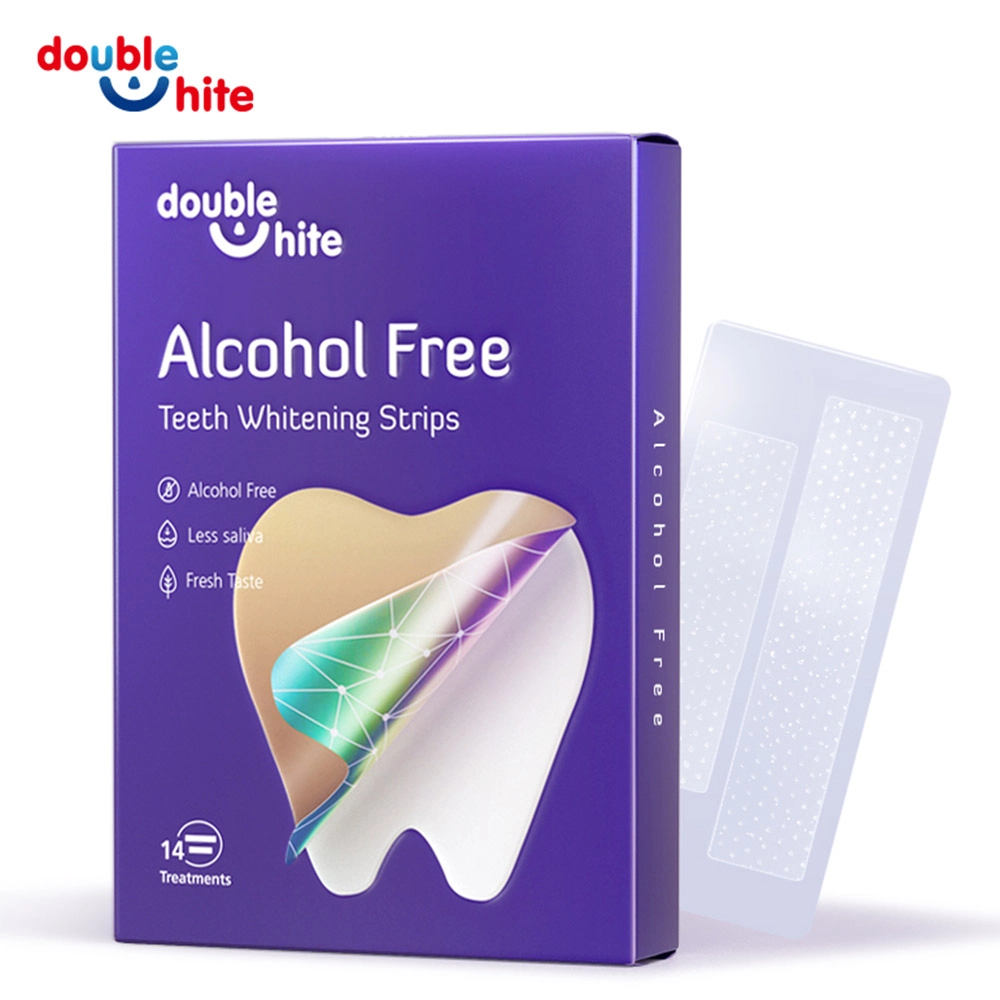
Alcohol-Free Hydrogen Peroxide Teeth Whitening Strips HPNA-02
Alcohol-Free HP Teeth Whitening Strips HPNA-02 are hydrogen peroxide whitening strips designed for private label brands, wholesalers, salons, clinics, and e-commerce sellers seeking alcohol-free whitening products with flexible customization. Double White supports custom flavor, private label packaging, logo printing, sample support, and bulk production for global oral care businesses.
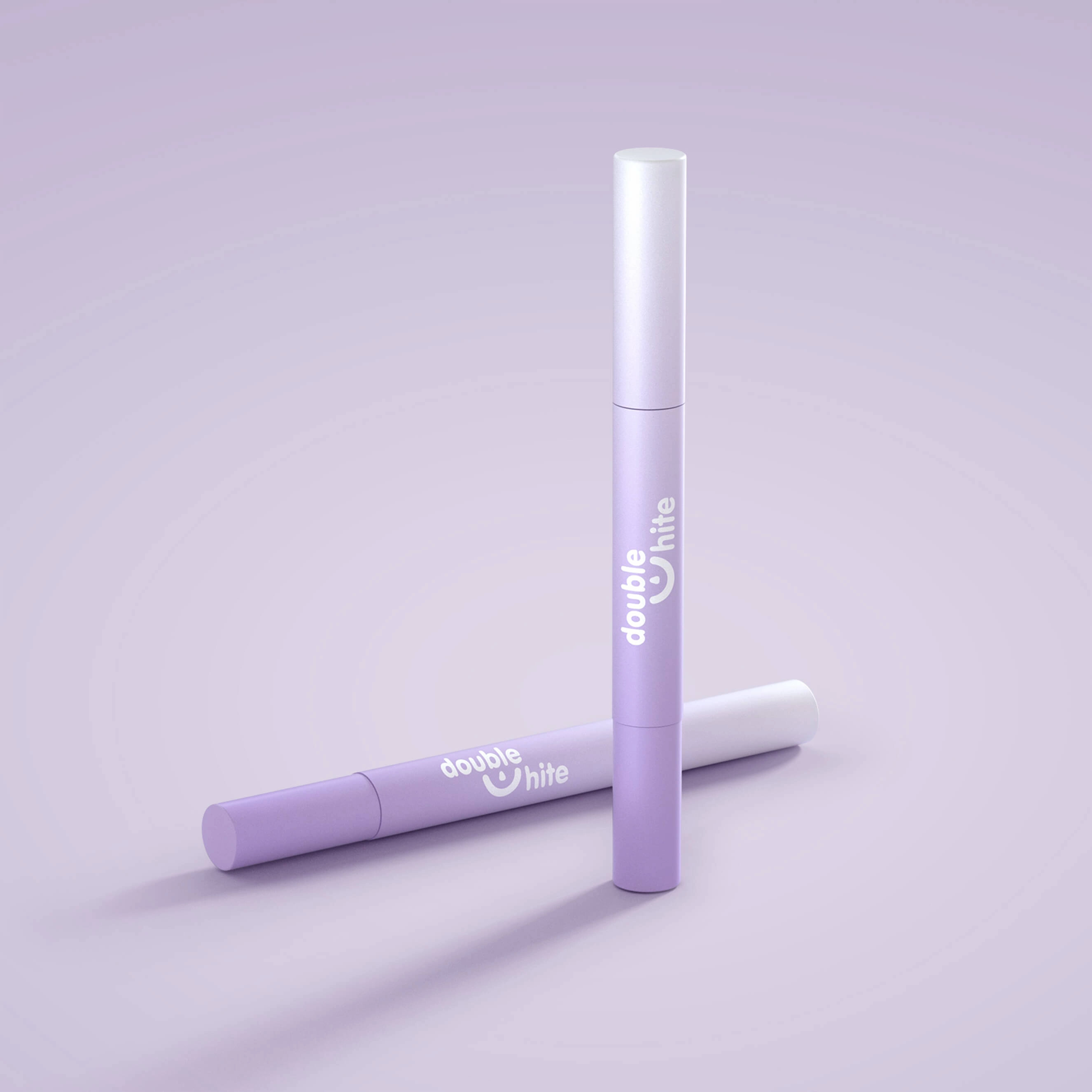
Customized Teeth Whitening Gel Pen HP01
Hydrogen Peroxide Gel Pen (HP01) for OEM and private label sourcing. Review the verified hydrogen peroxide formula, dispensing system, sample specifications, packaging, quality documentation and destination-market requirements. No universal safety or performance claims are implied.
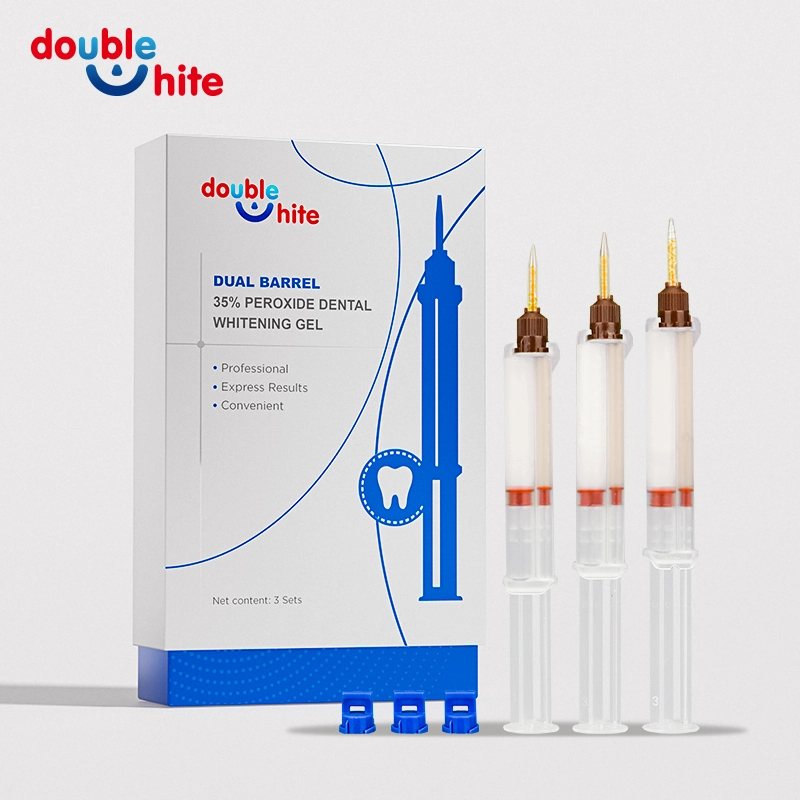
Dual barrel 35% Peroxide Dental Whitening Gel
Dual-Barrel Professional Peroxide Dental Gel (Dual Barrel) for OEM and private label sourcing. Review the verified peroxide (35% marketed concentration; basis requires verification) formula, dispensing system, sample specifications, packaging, quality documentation and destination-market requirements. No universal safety or performance claims are implied.
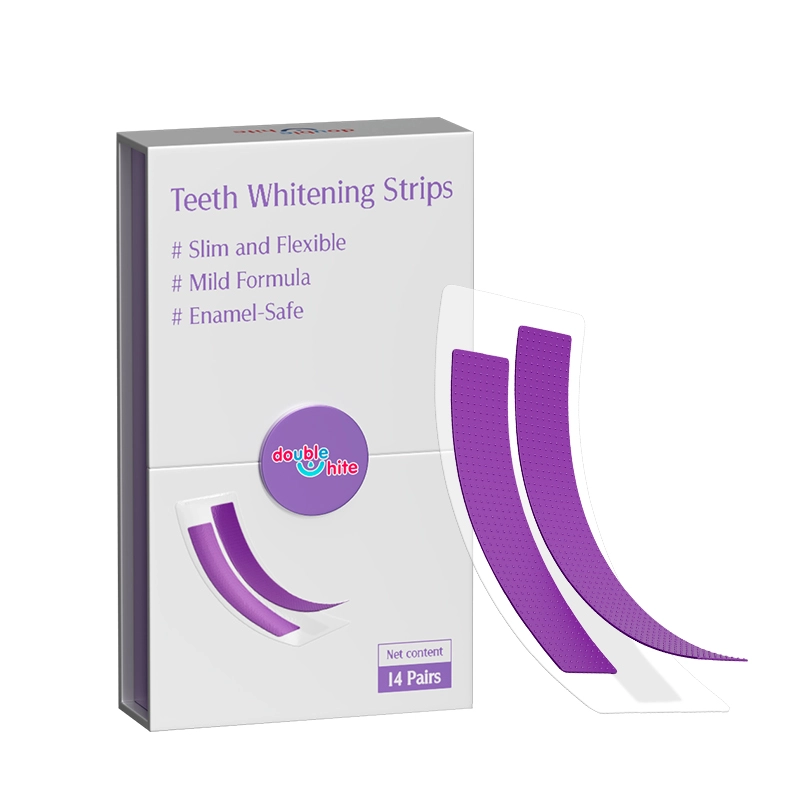
Violet Purple Teeth Whitening Strips
Violet Purple Teeth Whitening Strips for color-correcting product concepts and private label packaging. The product record lists hydrogen peroxide, but exact formulation and violet-pigment product mechanism require verification before confirming category assignment or whitening claims.
Send us your inquiry
Reach out to us through the form below or via the contact information provided.
Our dedicated team is committed to providing prompt and personalized responses to all your queries.
Please fill out the fields above with your full name, email address, and comment.


Copyright © 2026 Double White All Rights Reserved. Designed by gooeyun
Whatsapp: +8615920313473
cndoublewhite
Doublewhite
doublewhite
cndoublewhite
cndoublewhite
Double White