






How to Choose a Private Label Teeth Whitening Strips Manufacturer
A practical buyer guide to evaluating private label teeth whitening strips manufacturers, from formulation and compliance to sampling, MOQ, packaging, quality control, and logistics.

- Quick Answer: What Should You Look for in a Private Label Manufacturer?
- What Are Private Label Teeth Whitening Strips?
- How Do Private Label Teeth Whitening Strips Work?
- Key Factors to Compare Before Choosing a Manufacturer
- Formulation and Format Selection by Market
- A Practical Private Label Manufacturing Process
- Common Purchasing Mistakes and How to Avoid Them
- Supplier Selection Checklist
- Making the Final Supplier Decision
- Explore the Right Solution for Your Application
- Frequently Asked Questions
- References
Choosing a private label teeth whitening strips manufacturer requires evaluating multiple factors beyond price alone. The right supplier must align with your active system, destination-market compliance, strip format, packaging requirements, order volume, documentation needs, and approval workflow. This guide walks you through the key evaluation criteria, common purchasing mistakes, and a practical decision framework to help you select a manufacturing partner that fits your business model.
Quick Answer: What Should You Look for in a Private Label Manufacturer?
The core evaluation criteria
A suitable private label teeth whitening strips manufacturer should be assessed across nine key dimensions: formulation capability (hydrogen peroxide, sodium chlorite, PAP, or specialized care options), target-market compliance (regulatory requirements for your destination), customization scope (formula, strip format, packaging, labeling), quality systems (batch traceability and consistency), documentation readiness (safety files, test reports, market-specific records), sampling process (revision rounds, approval gates, retention samples), MOQ and production fit (minimum order quantities for customized products), packaging and logistics support (DDP/DDU terms, export responsibility, warehousing), and communication quality (technical responsiveness and clarity).
For more context on this related topic, see private label teeth whitening strips.
The lowest quotation is not automatically the lowest-risk option. A lower price often excludes product testing, artwork support, regulatory documentation, suitable packaging materials, or the shipping terms your project requires. Comparing three different formulas, pack configurations, and shipping terms as if they were identical creates a misleading price comparison.
Before requesting a quote, confirm these details
- Destination markets and intended product classification (cosmetic, medical device, or other)
- Active direction (hydrogen peroxide, sodium chlorite, PAP) and concentration or formula requirements
- Strip format (wet-gel, dry-gel, no-residue, dissolvable, alcohol-free, U-shaped) and wear-time expectations
- Target sales channel (e-commerce, wholesale, salons, clinics, or direct-to-consumer)
- Estimated order volume and whether packaging or formulation customization is required
- Required documents (safety files, test reports, market-specific regulatory records) and artwork support needs
- Shipping terms (DDP, DDU) and delivery destination
Sending the same written brief to every shortlisted supplier makes quotations more comparable and exposes exclusions before they become purchasing problems. For additional context on compliance and documentation, see manufacturer certifications and product documentation.
What Are Private Label Teeth Whitening Strips?
Private label versus white label
Private label teeth whitening strips are manufactured for sale under your brand. You typically control the commercial identity and may define the formula direction, strip format, claims, packaging, labeling, and market positioning. The exact scope varies by supplier and project.
A white label program usually offers a more standardized product that multiple buyers can purchase with limited customization. Private label manufacturing is more suitable when your brand needs a differentiated formula, pack structure, film color, user experience, or market-specific positioning. Neither model is automatically better; the choice depends on your required level of control, launch complexity, and order volume.
What the manufacturer typically provides
Manufacturing scope may include formula selection or development, strip production, primary and secondary packaging, labeling support, samples, documentation, quality checks, and logistics coordination. Do not assume that artwork adaptation, regulatory review, testing, or product registration is included in a quotation.
Packaging is part of the product specification because sachet construction, carton configuration, instructions, lot information, and storage statements affect both launch readiness and logistics. When planning to assess packaging customization capabilities, request a clear list of available materials, print options, pack sizes, and approval stages.
How Do Private Label Teeth Whitening Strips Work?
Understanding whitening actives and their market fit
Hydrogen peroxide, sodium chlorite, and PAP are distinct formulation routes with different regulatory, market, and positioning implications. They should be evaluated against your destination market, intended claims, customer expectations, documentation requirements, and sensitivity considerations—not compared only by ingredient name.
All whitening systems rely on oxidation-related chemistry to address stains, but product performance and safety depend on the complete formula, concentration, contact time, strip construction, and directions for use. Research literature provides general scientific context, while product-specific efficacy and enamel-safety claims require evidence for your actual formulation. The National Center for Biotechnology Information (NCBI) - PubMed Central offers peer-reviewed research on dental bleaching agents and ingredient mechanisms as a starting point for technical review.
Strip formats and user experience
Strip design significantly affects how the product is used and perceived:
- Wet-gel strips (30–60 min wear) require rinsing and can be vulnerable to movement or gel overflow.
- Dry-gel strips (30–60 min wear) use drying technology to improve handling and adhesion.
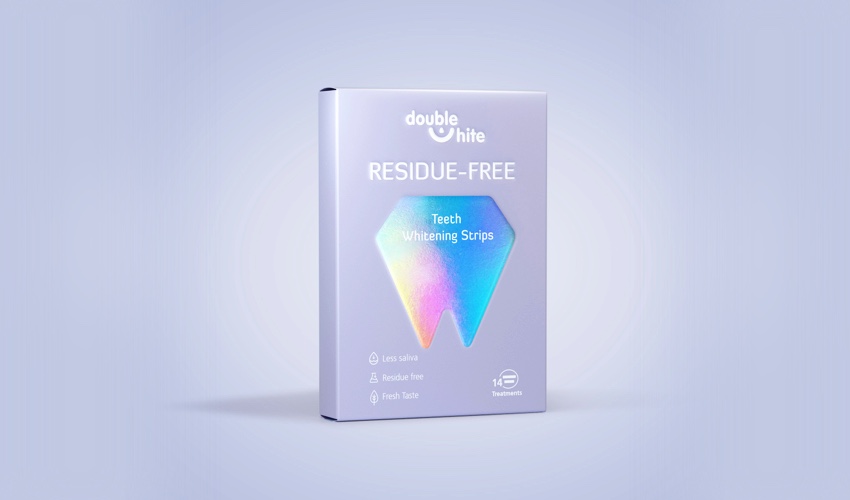
- No-residue strips (15–30 min wear) target simpler use with minimal to zero residue.
- Dissolvable strips (10–20 min wear) are designed to disappear during wear without a separate removal step.
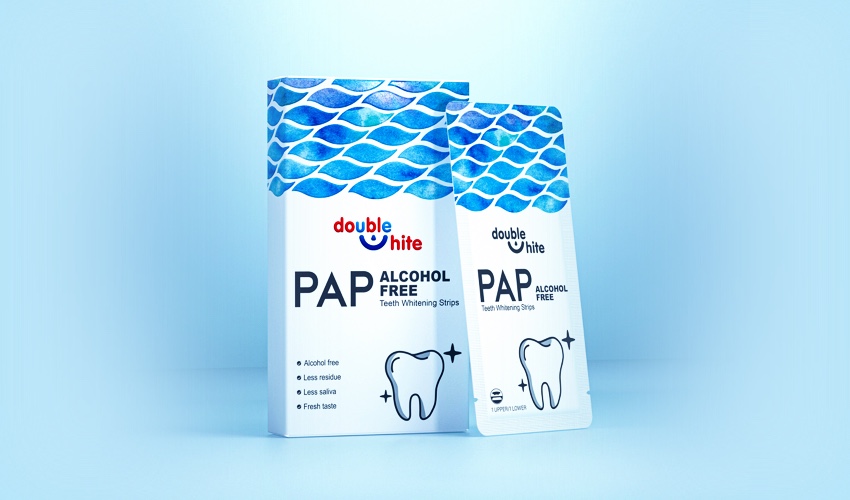
- Alcohol-free strips (15–30 min wear) meet Halal compliance and sensitive-teeth positioning.
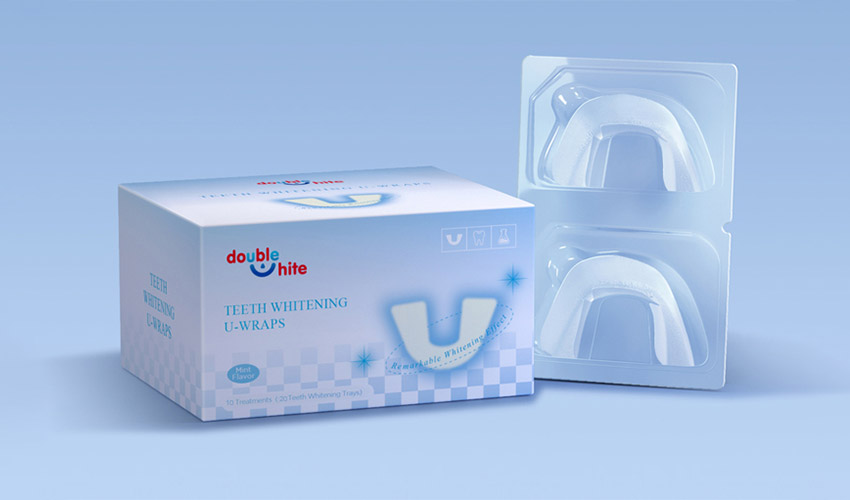
- U-shaped strips (~15–30 min wear) cover both front and back of teeth simultaneously, accommodating uneven alignments.
Test adhesion, comfort, coverage, residue, ease of removal, packaging integrity, print quality, and storage condition. A stated wear time is not enough; confirm that the actual sample experience matches your intended customer group.
Regional market requirements affect formulation choices
Destination-market regulations and consumer preferences significantly influence which formulation is feasible. Industry patterns indicate that North America often considers hydrogen peroxide formulations (3%, 6%, 8%), while European markets frequently examine non-hydrogen-peroxide options such as sodium chlorite or PAP due to local regulatory limits. Australia, mainland China, and Middle Eastern markets may require different formula or positioning decisions.
These are market-planning directions, not substitutes for a destination-market compliance review. Confirm ingredient limits, claims, labeling, classification, and documentation with your supplier and local regulatory adviser before launch. Buyers planning to start a private label teeth whitening strip brand should define these requirements before selecting samples.
Key Factors to Compare Before Choosing a Manufacturer
| Evaluation Factor | What to Confirm | Why It Matters |
|---|---|---|
| Formulation capability | Does the supplier support hydrogen peroxide, sodium chlorite, PAP, and specialized care options? Can they develop custom residue profiles, alcohol-free formats, or U-shaped designs? | A supplier may produce whitening strips but lack capability for your specific format or positioning. |
| Customization scope | Which elements are customizable: formula, gel characteristics, film color, strip shape, sachet, carton, instructions, claims, related products (gel pens, LED kits)? | Written confirmation prevents a quotation for standard stock from being mistaken for a true OEM/ODM project. |
| Quality systems | Can the supplier connect approved samples, specifications, and production records to each shipped batch? What is their approach to incoming materials, in-process checks, finished-goods release, and retention samples? | Traceability ensures consistency and supports quality disputes or recalls. |
| Compliance documentation | Request ingredient specifications, safety documentation, applicable test reports, batch records, labeling information, and market-specific regulatory files. | Factory-level certifications do not prove that a particular formula or label is suitable for your market. |
| Sampling and approval | How many samples, revision rounds, and approval gates? Will the supplier retain an approved sample and approval record? | Without a documented approval record, later quality discussions become subjective and difficult to resolve. |
| Packaging and labeling support | Who verifies artwork, ingredient declarations, warnings, directions, lot information, storage conditions, language versions, and barcode placement? | You may remain responsible for market-specific legal review even when the supplier prepares artwork. |
| MOQ and logistics | What is the MOQ for customized packaging and formulation? Are DDP or DDU terms available? Who handles export documentation? Is overseas warehousing or dropshipping available? | These terms change your operational responsibility and total order planning. |
Formulation and Format Selection by Market
Hydrogen peroxide strips
Hydrogen peroxide is a widely recognized whitening-active direction in many markets, including North America. Confirm the permitted concentration, product classification, claims, sensitivity guidance, and supporting documents for your destination. A higher active level should not be treated as a universal indicator of suitability or customer acceptance.
Sodium chlorite strips
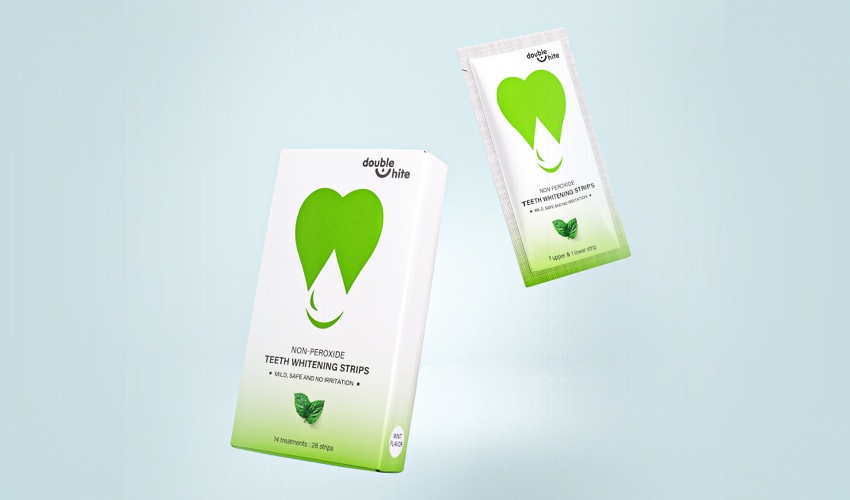
Sodium chlorite can be considered when a non-hydrogen-peroxide positioning is needed or when regional requirements make it relevant. Confirm the complete ingredient system, claim language, stability information, use directions, and market documentation rather than evaluating sodium chlorite in isolation.
PAP (phthalimido-peroxy-caproic acid) strips
PAP is another non-hydrogen-peroxide route used in some private label programs. Its suitability depends on target market, formula design, evidence package, sourcing requirements, and intended positioning. When comparing PAP vs hydrogen peroxide private label whitening strips, evaluate complete specifications and product-specific evidence rather than headline claims alone.
Specialized care formats
Distinguish whitening claims from sensitive-care or remineralization positioning. Remineralization strips using hydroxyapatite or mineral-ion systems do not contain hydrogen peroxide. Hyaluronic-acid gum protection strips are positioned for moisture and comfort support without whitening active ingredients. These products may complement a whitening range but should not be represented as equivalent whitening products without supporting evidence.
A Practical Private Label Manufacturing Process
Step 1: Prepare a complete product brief
Define the destination market, active direction, intended claims, strip format, pack size, target channel, estimated volume, packaging needs, and required documents. Include any sensitivity, alcohol-free, vegan, natural-material, or dissolvable positioning before contacting suppliers.
Step 2: Send the same RFQ to multiple suppliers
Use an identical brief for each supplier. Screen their responses for technical completeness: Do they answer each requirement? Do they identify exclusions? Do they distinguish standard products from custom development?
Step 3: Request samples and documentation
Request samples that match the proposed formula and format, not a visually similar alternative. Simultaneously request ingredient information, safety files, applicable test reports, labeling guidance, and the supplier's sample approval process.
Step 4: Test and document approval
Record adhesion, comfort, coverage, residue, ease of removal, rinsing requirement, packaging integrity, print quality, storage condition, and consistency with the written specification. Use the same protocol for every shortlisted supplier. Do not approve bulk production based only on photographs or informal messages.
Step 5: Finalize terms and documentation
Approve the final formula, artwork, pack structure, instructions, inspection criteria, MOQ, order changes, delivery terms, and responsibilities for export or import documentation. Written change-control terms are especially important when the product has a custom formula or market-specific label.
Step 6: Monitor production and shipment
Request a written milestone plan covering approval, production scheduling, inspection, release, and shipment. Exact timing depends on your project, so do not rely on industry-wide lead-time assumptions. Confirm how deviations will be reported and which records accompany the shipment.
Common Purchasing Mistakes and How to Avoid Them
Choosing by price alone
Comparing different formulas, pack configurations, documents, or shipping terms as if they were identical creates a misleading price comparison. Normalize the specification before evaluating quotations.
Assuming one formula works globally
Ingredient limits, claims, labeling, and classification differ by market. Select your destination first, then confirm the formula and evidence requirements with a local regulatory adviser.
Skipping sample approval documentation
Without a signed or documented sample approval, adhesion, residue, comfort, and packaging expectations remain unclear. Retain the approved sample and related records for future reference and quality disputes.
Treating factory certifications as complete compliance
A factory certificate describes a management or manufacturing framework; it does not replace product-specific documentation, label review, or destination-market assessment. The FDA's Cosmetic Products Guidance & Regulation and ISO Cosmetics Standards provide useful context for evaluating quality systems and compliance expectations, but they do not certify your specific product for your market.
Overlooking packaging and labeling details
Incorrect instructions, missing lot information, unsuitable storage statements, or artwork errors can delay launch even when the strips themselves are acceptable.
Failing to confirm MOQ and logistics in writing
Customized packaging or formulation can carry different MOQ requirements. DDP, DDU, export responsibility, and warehouse availability must be stated in the quotation and confirmed in writing before ordering.
Accepting vague claims about efficacy or safety
Ask for written confirmation of ingredients, claims, test basis, and limitations. Do not publish efficacy, sensitivity, or enamel-safety claims that are not supported for your actual product.
Supplier Selection Checklist
Manufacturing scale and order fit
Assess whether the supplier has relevant teeth whitening strip experience, suitable automated production resources, documented processes, and capacity appropriate to your order type. Large stated capacity is useful only when the supplier can allocate the required product, packaging, quality review, and communication resources to your project.
Quality and documentation readiness
Request the supplier's quality-control approach for incoming materials, in-process production, finished goods, lot identification, release checks, and retention samples. The important question is not whether a supplier uses the phrase "quality control," but whether the approved sample, specification, and production records can be connected to the shipped batch.
OEM/ODM and packaging support
Confirm whether the supplier can manage your required level of formula, strip, film, artwork, packaging, and related-product customization. Ask which elements are standard, which require development, and which approvals are needed before production.
Communication and project management
A useful supplier response should identify assumptions, answer technical questions directly, state exclusions, and keep formula, artwork, documentation, and shipping decisions aligned. Communication quality is a purchasing criterion because unclear answers often become specification gaps later.
Critical questions to ask before placing an order
- Which formula and strip format are included in the quotation?
- Which documents are available for the destination market?
- What exactly is included in sampling, revisions, artwork, and packaging support?
- What MOQ applies to each customized formula, pack, or SKU?
- Are DDP or DDU terms available, and which export responsibilities remain with the buyer?
- Is overseas warehousing or dropshipping available, or must the buyer manage fulfillment?
- What sample, artwork, inspection, and change-control records will be retained?
Making the Final Supplier Decision
Build a weighted supplier scorecard
Score each supplier against the same criteria: formula fit, destination-market readiness, documentation, sample performance, customization, MOQ, packaging, logistics, communication, and total order risk. Weight each factor according to your project priorities. A clinic may prioritize documentation and use instructions, while an e-commerce startup may prioritize packaging, MOQ, and launch flexibility.
Confirm commercial and technical fit
Close unresolved questions in writing. Confirm the exact formula, packaging materials, claims, artwork version, inspection criteria, order quantity, shipping terms, and responsibility for market review. A supplier that fits technically but cannot meet your logistics model is not an order-ready supplier.
Prepare the final RFQ
Attach the approved product brief and request a line-by-line quotation. Separate product cost, packaging, sampling, documentation, inspection, and shipping scope where possible so that quotations can be compared fairly.
Document approval before ordering
Before placing a bulk order, approve the final formula, artwork, samples, documents, inspection standard, delivery terms, and change-control process in writing. This creates a defensible purchasing record and gives both parties the same reference point for production.
Explore the Right Solution for Your Application
Selecting a private label teeth whitening strips manufacturer requires careful evaluation of formulation options, compliance requirements, quality systems, and logistics fit. The process takes time, but thorough due diligence reduces sourcing risk and supports a successful product launch.
Whether you are starting a new brand, building a wholesale program, launching a salon range, supporting a clinic project, or scaling an e-commerce business, the most useful first step is a complete product brief that defines your market, active direction, strip format, packaging requirements, order volume, documentation needs, and logistics constraints.
Frequently Asked Questions
References
Purple Violet Teeth Whitening U-Wraps for Private Label & Wholesale
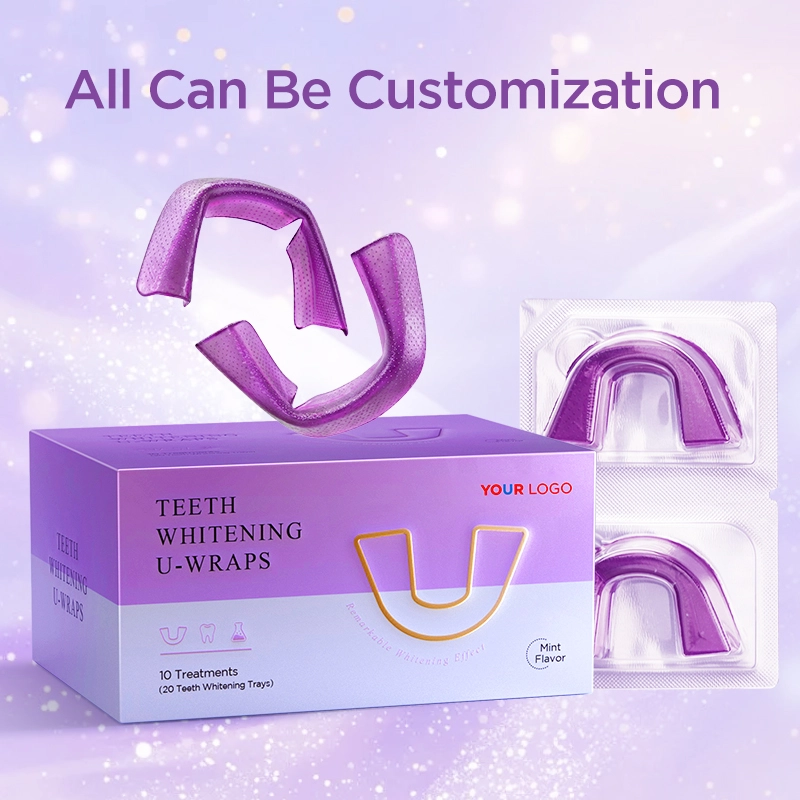
Purple Teeth Whitening U-Wraps: Private Label Sourcing Guide for Brands
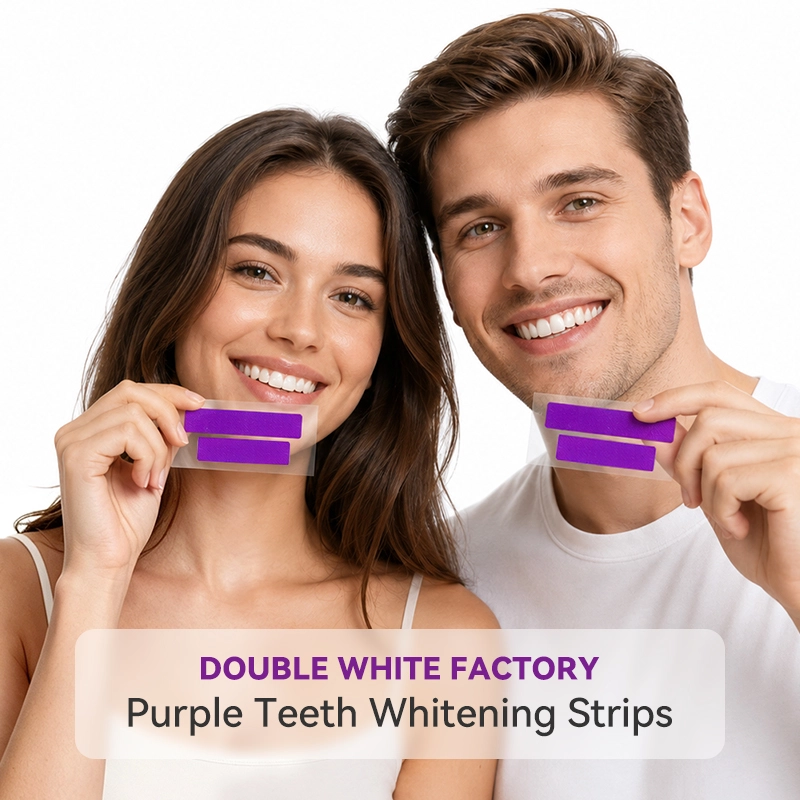
How Do Purple Teeth Whitening Strips Work? A Color-Correction Guide for Private Label Buyers

Whitening Pen Applicator & Dispensing Guide: What Buyers Should Check Before Bulk Production
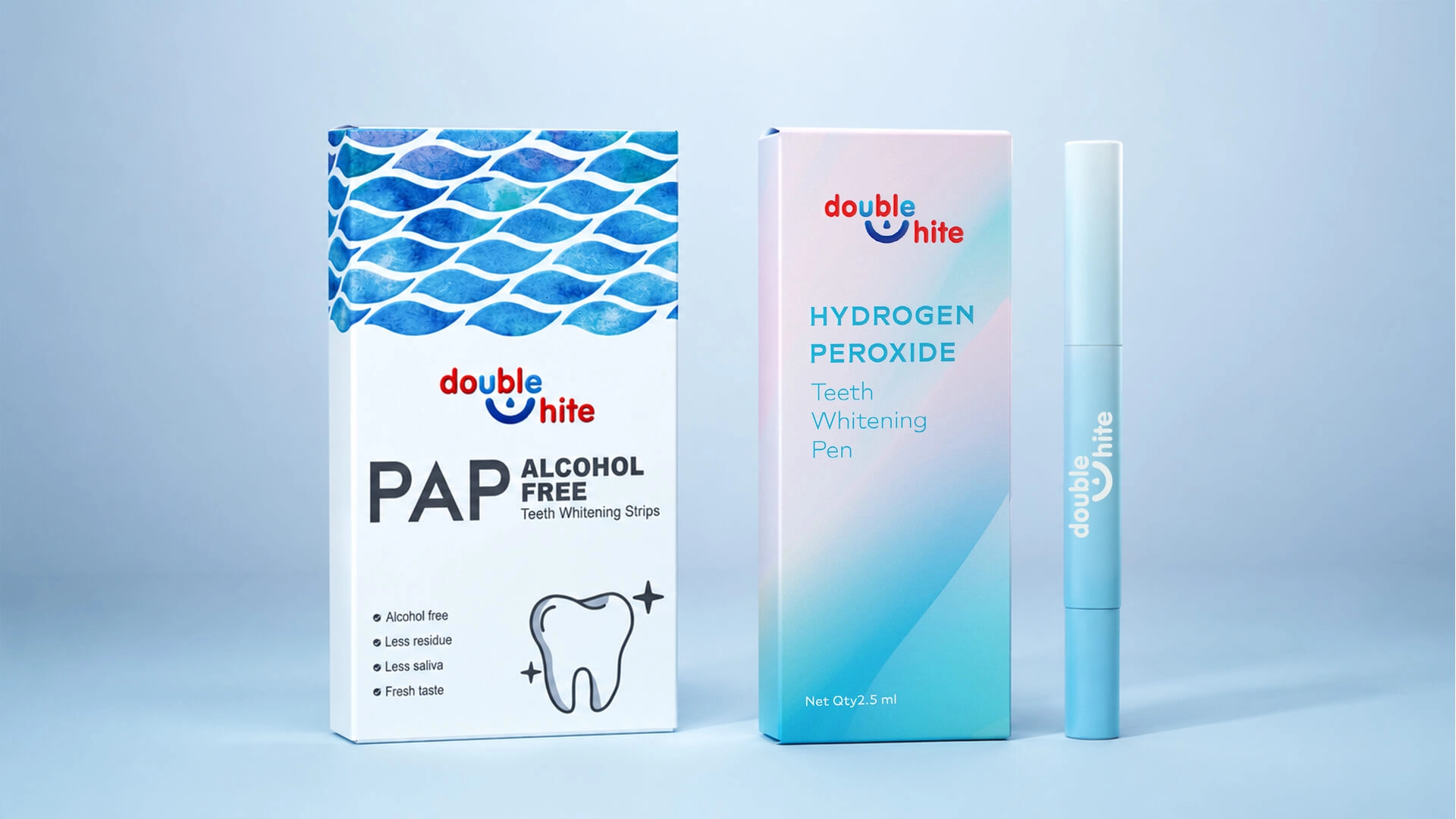
Whitening Pen Formula Stability: What Buyers Should Test Before Bulk Production
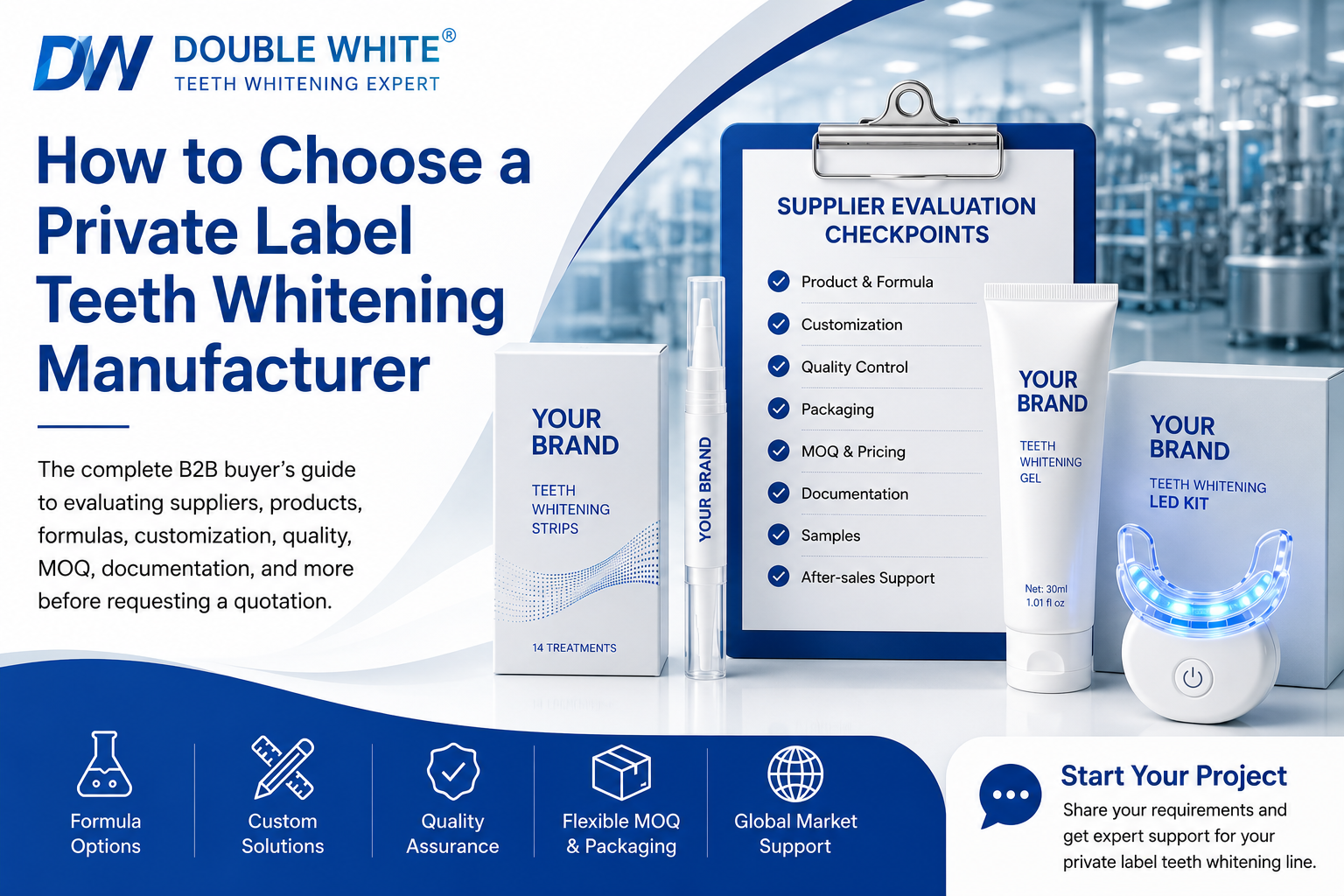
How to Choose a Private Label Teeth Whitening Manufacturer
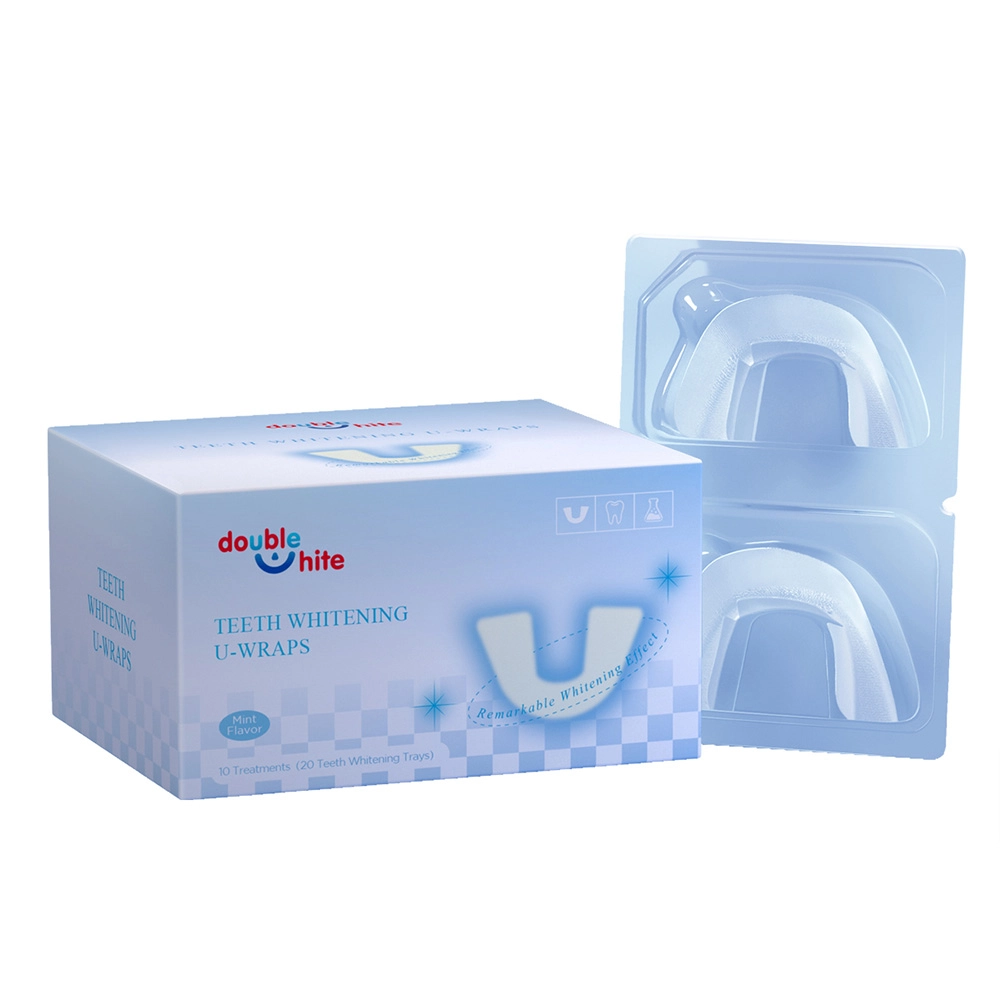
Teeth Whitening U-Wraps
Double White Teeth Whitening U-Wraps offer a safe, effective solution for brightening your smile. Designed for easy application, these U-Wraps provide professional whitening results at home. Achieve a radiant smile with Double White’s Teeth Whitening U-Wraps today.
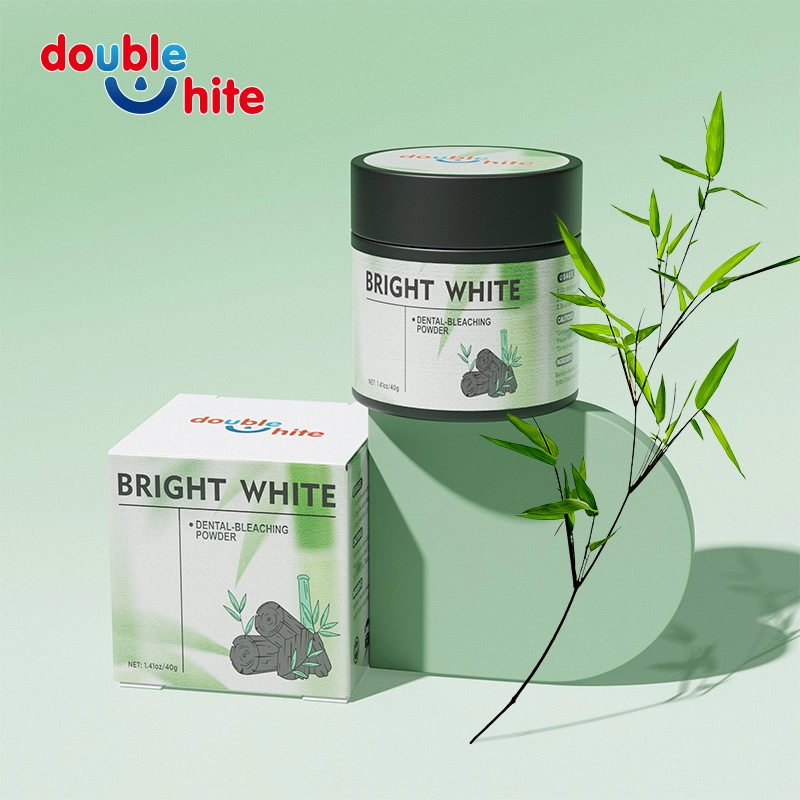
Activated Charcoal Powder Wholesale Factory Price
Our teeth whitening powder is made from 100% natural ingredients. The strong absorption ability of Activated Charcoal functions as teeth whitening, antibacterial, and detoxifying agent.
Sodium Chlorite Non-Alcohol Teeth Whitening Strips SCNA-01
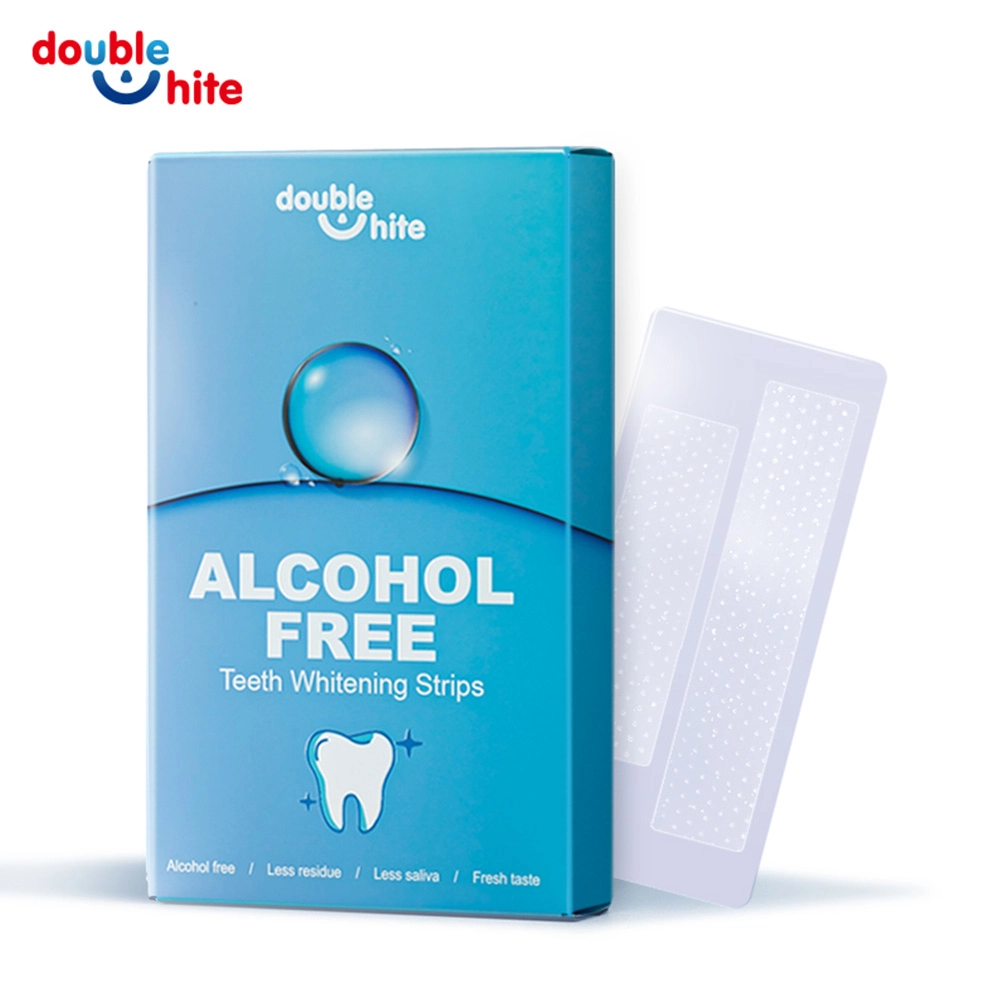
SCNA-01 Sodium Chlorite Non-Alcohol Teeth Whitening Strips are designed for private label brands, wholesalers, salons, clinics, and e-commerce sellers seeking alcohol-free whitening strip solutions with flexible customization. This product uses sodium chlorite as the active ingredient and supports custom flavor, private label packaging, logo printing, sample development, and bulk production for different oral care markets.
Charcoal Teeth Whitening Strips Wholsale
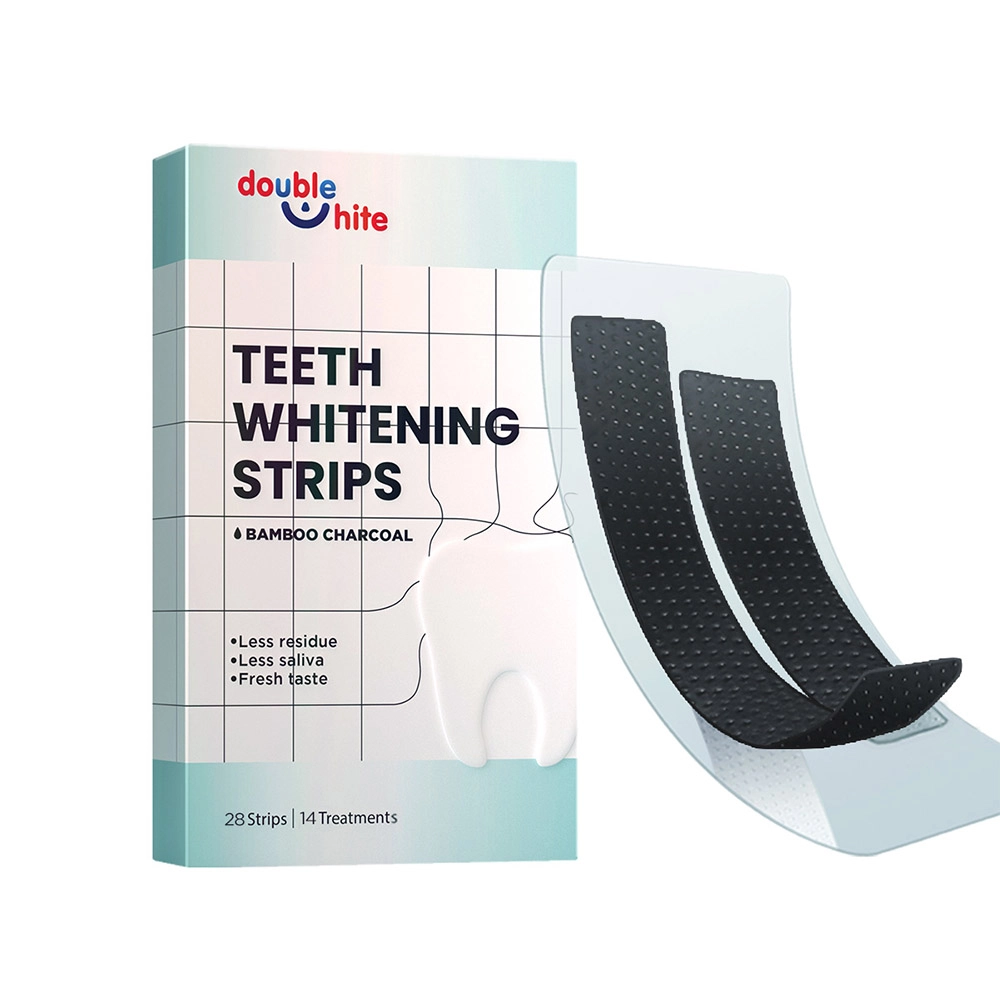
Double White Charcoal Teeth Whitening Strips Wholesale offers an effective, natural solution to brighten your smile. Infused with activated charcoal, these strips remove stains and whiten teeth gently. Ideal for bulk buyers seeking quality oral care products with proven results.
Send us your inquiry
Reach out to us through the form below or via the contact information provided.
Our dedicated team is committed to providing prompt and personalized responses to all your queries.
Please fill out the fields above with your full name, email address, and comment.


Copyright © 2026 Double White All Rights Reserved. Designed by gooeyun
Whatsapp: +8615920313473
cndoublewhite
Doublewhite
doublewhite
cndoublewhite
cndoublewhite
Double White